Learn essential tips to protect your car battery and maximize EV range during freezing temperatures. Stay safe and efficient this January driving season.
Your car battery hates January more than I hate touchscreens for climate control. I’ve seen perfectly healthy 12-volts turn into paperweights overnight, and EVs lose 30% range faster than a YouTuber loses patience with lane-keep assist. That’s why winter car battery tips aren’t nerd trivia right now—they’re the difference between driving to work and calling your boss with the world’s least convincing excuse.
This matters today because modern cars are electrical divas. A 2025 Tesla Model Y, Ford F-150, or Toyota RAV4 has more silicon than a 1990s NASA lab, and cold weather sucks the life out of electrons. Gas cars struggle to crank, EVs struggle to go the distance, and both punish owners who ignore basic cold weather car care.
I’ve driven dozens of SUVs, EVs, and sports cars in sub-freezing temps, from a Hyundai Ioniq 5 to a BMW X5, and the pattern is always the same. Prepare properly and winter is an inconvenience; ignore it and winter is a tow truck. Let’s fix that.
Why Winter Wrecks Batteries (And Why January Is the Worst)
Cold slows chemical reactions, which is a polite way of saying your battery gets lazy. A traditional 12-volt lead-acid battery can lose roughly 35% of its cranking power at 32°F and up to 60% at 0°F. That’s why your starter sounds like it’s wading through syrup.
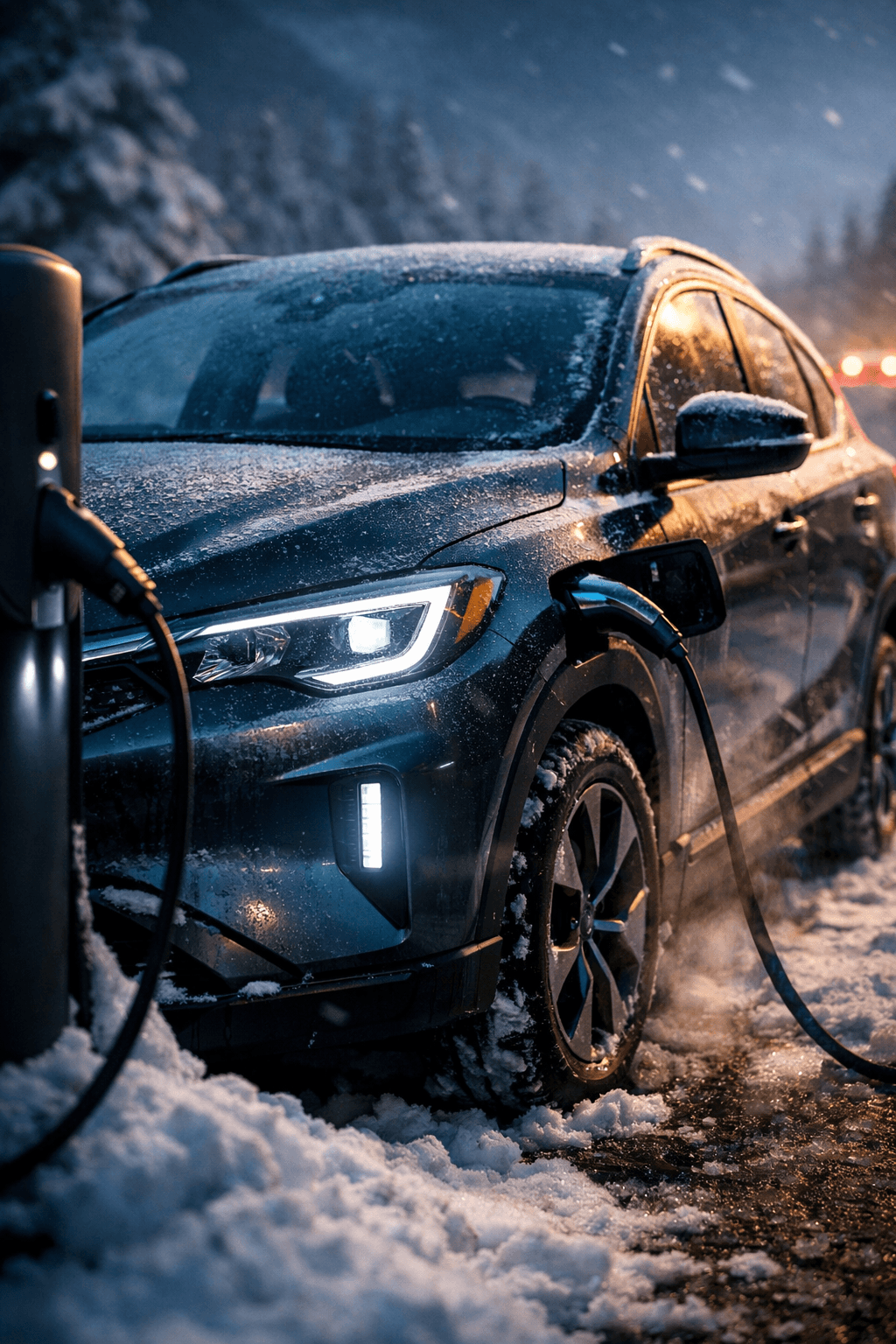
EVs are even more dramatic because lithium-ion chemistry hates cold. At 20°F, it’s common to see 20–30% range loss, and I’ve personally logged closer to 35% in a 2026 Kia EV6 without preconditioning. This isn’t brand incompetence—it’s physics.
Winter Car Battery Tips That Actually Work (Not Dealer Fluff)
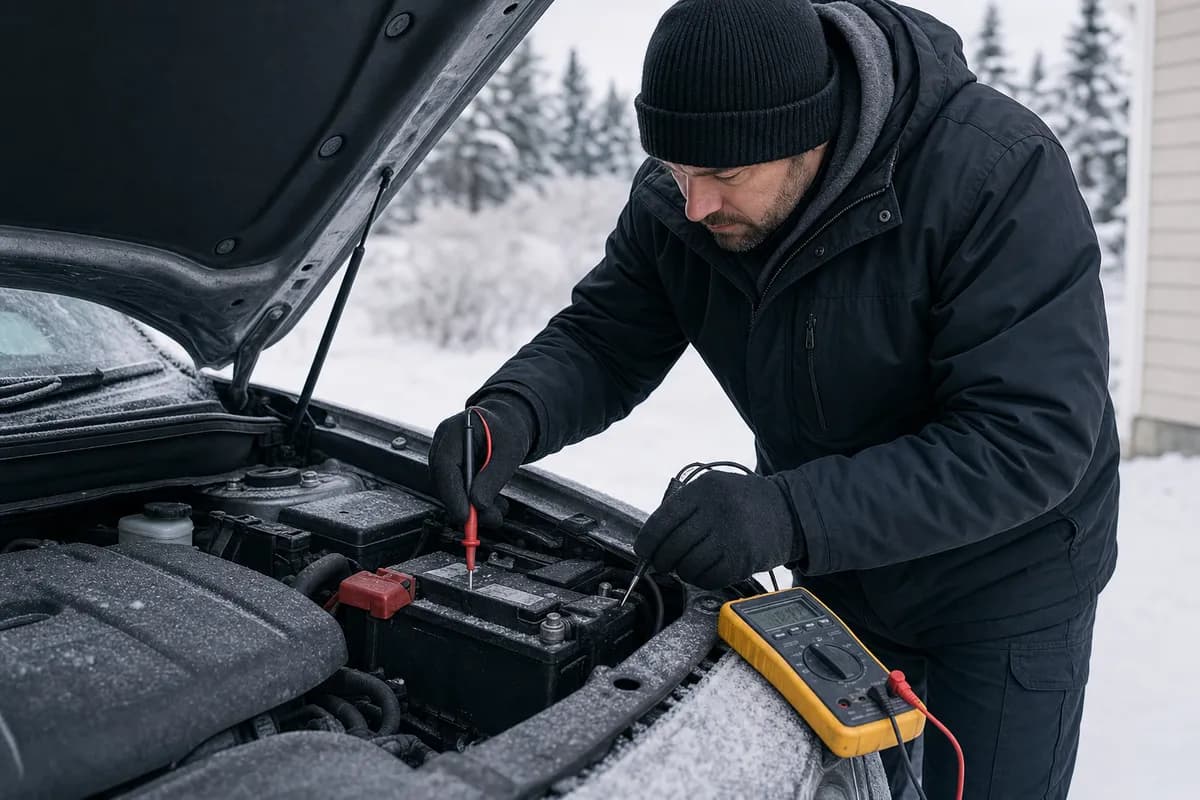
First, test your battery before winter—not after it embarrasses you. Any auto parts store will do this for free, and if your battery is over four years old, it’s living on borrowed time. Replacing a $180 battery now beats missing work later.
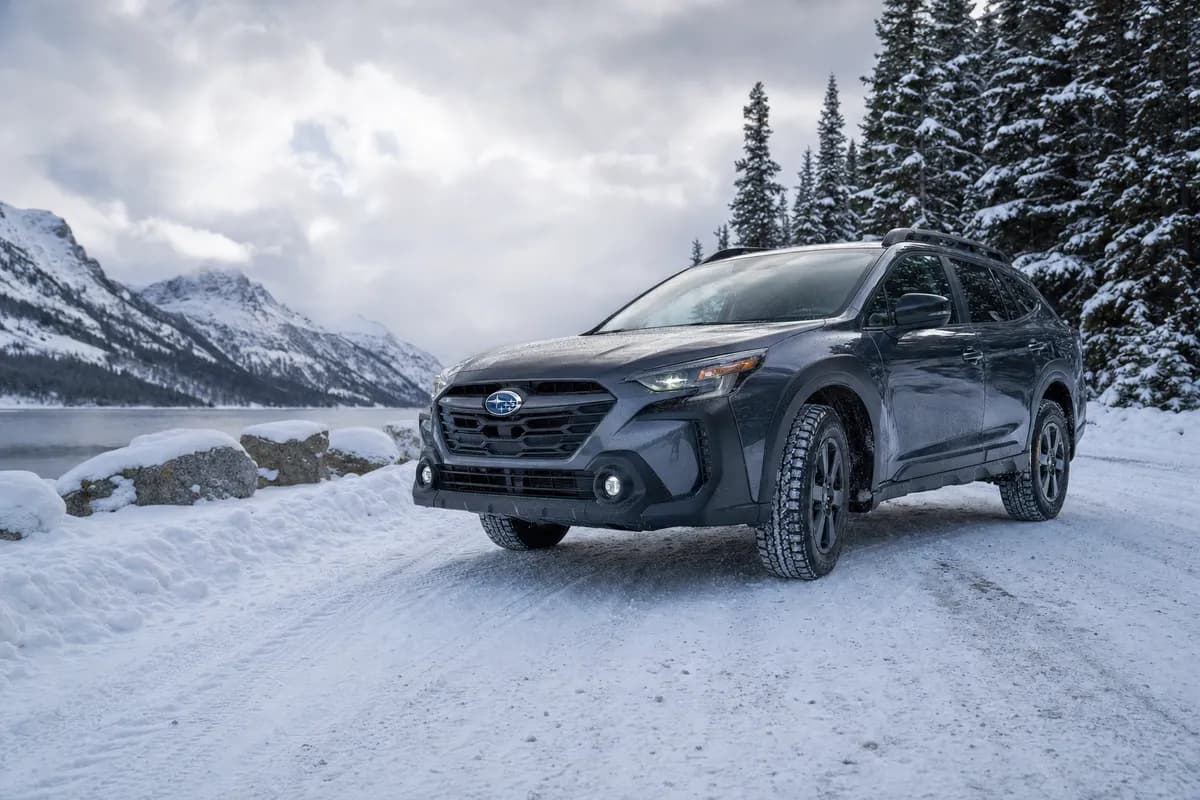
Second, keep terminals clean and tight. Corrosion adds resistance, and resistance in cold weather is like asking Usain Bolt to sprint in ski boots. This applies whether you’re driving a Subaru Outback, Honda CR-V, or Chevy Silverado.
Gas Cars: Stop Idling Like It’s 1987
Here’s a hot take that annoys Facebook uncles: extended idling does almost nothing for modern engines. Thirty seconds is enough; driving gently warms things faster and charges the battery more effectively. Your 2025 Mazda CX-5 doesn’t need a 10-minute meditation session.
Short trips are the real killer. If your commute is under 5 miles, your alternator barely has time to recharge the battery, especially in January driving. Combine that with heated seats, defrosters, and headlights, and you’re draining faster than you’re filling.
EV Winter Range: The Truth Nobody Likes
Yes, EV winter range loss is real, and no, software updates won’t repeal thermodynamics. Heating the cabin, warming the battery, and pushing cold air all cost energy. That’s why a 330-mile EPA-rated EV might realistically deliver 230 miles in freezing temps.
The fix is planning, not panic. Precondition while plugged in, use seat heaters instead of blasting HVAC, and accept that winter road trips take longer. Our EV winter survival guide goes deeper, but the short version is this: warm electrons travel farther.
Charging and Parking Like a Pro
If you own an EV, park indoors when possible. A garage that stays at 40°F instead of 10°F can claw back 10–15% range overnight. I’ve tested this back-to-back with a Tesla Model 3, and the difference is not subtle.
For gas cars, plug-in battery maintainers cost about $40 and can double battery life in cold climates. They’re boring, unsexy, and wildly effective—kind of like snow tires, which we cover in our snow tire guide.
Common Winter Battery Mistakes (Stop Doing These)
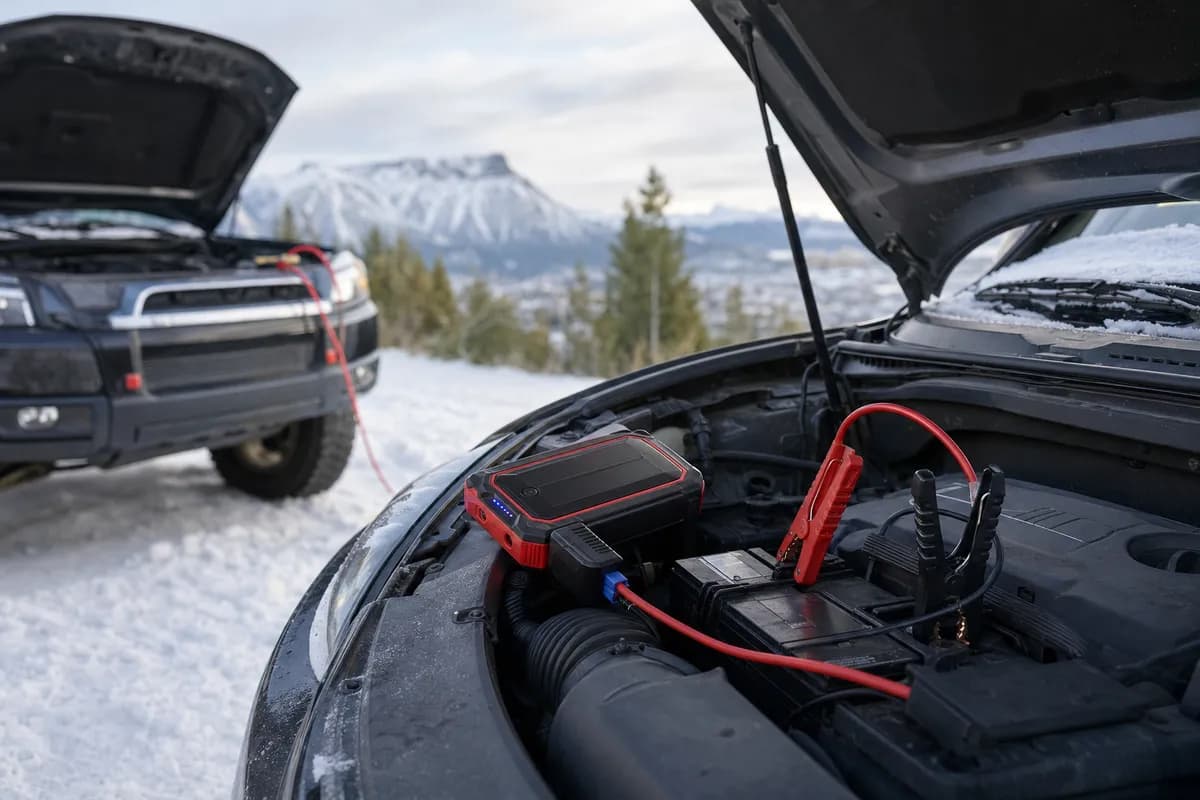
Leaving accessories on while parked is the big one. Dash cams, phone chargers, and aftermarket alarms sip power constantly, and cold batteries have no patience for that nonsense. I’ve jump-started a brand-new 2026 Audi Q5 because of this exact mistake.
Another myth: “My car is new, so I’m fine.” Nope. We’ve busted plenty of these assumptions in our winter driving myths article, and batteries don’t care about your warranty status.
Pro-Level Moves for January Driving
Check tire pressure weekly. Cold drops PSI, which increases rolling resistance and hurts EV range by another 5–10%. It’s the silent range killer nobody talks about on TikTok.
Also, know your numbers. EPA range estimates come from FuelEconomy.gov, but winter driving will always undercut them. Treat those numbers like best-case scenarios, not promises.
When to Call a Professional
If your car struggles to start below 20°F despite a healthy battery, it’s time for diagnostics. Parasitic draw, weak alternators, or failing DC-DC converters in EVs aren’t DIY territory. Check manufacturer guidance directly, like Tesla’s official site for EV-specific cold weather advice.
And if your EV range drops suddenly by 40% or more, that’s not “just winter.” That’s a system issue worth investigating immediately.
Pros
- Extends battery life by years
- Improves EV winter range by 10–30%
- Reduces no-start mornings
- Saves money on premature replacements
Cons
- Requires planning, not laziness
- Cold weather will always reduce range
- Some solutions cost upfront money
RevvedUpCars Rating: 9/10
Best for: Drivers who want reliable January mornings and predictable EV range instead of winter roulette.
The bottom line is simple: ignore winter car battery tips and winter will humble you. Follow them, and January becomes manageable, even boring—which is exactly what you want from cold weather car care. Treat your battery with respect, and it’ll return the favor when it’s 6 a.m., 12°F, and everyone else is Googling “nearest jump start.”
Get the latest car reviews in your inbox
Join thousands of car enthusiasts. No spam, unsubscribe any time.



Comments
Leave a comment