Palisade vs Telluride: Our 2026 three-row SUV comparison helps families pick the smarter buy. Compare specs, safety, and value — read the full guide now.
In this article
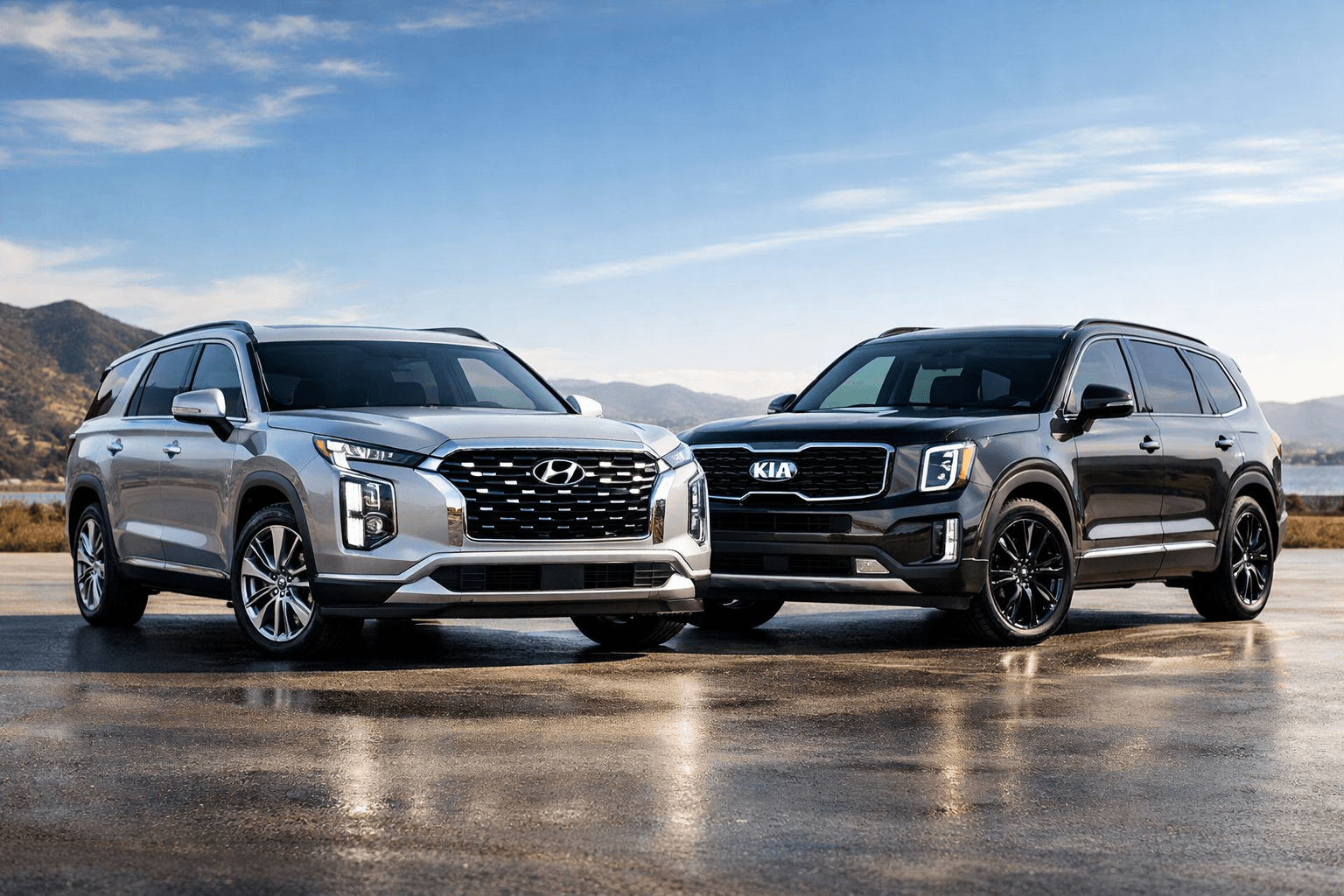
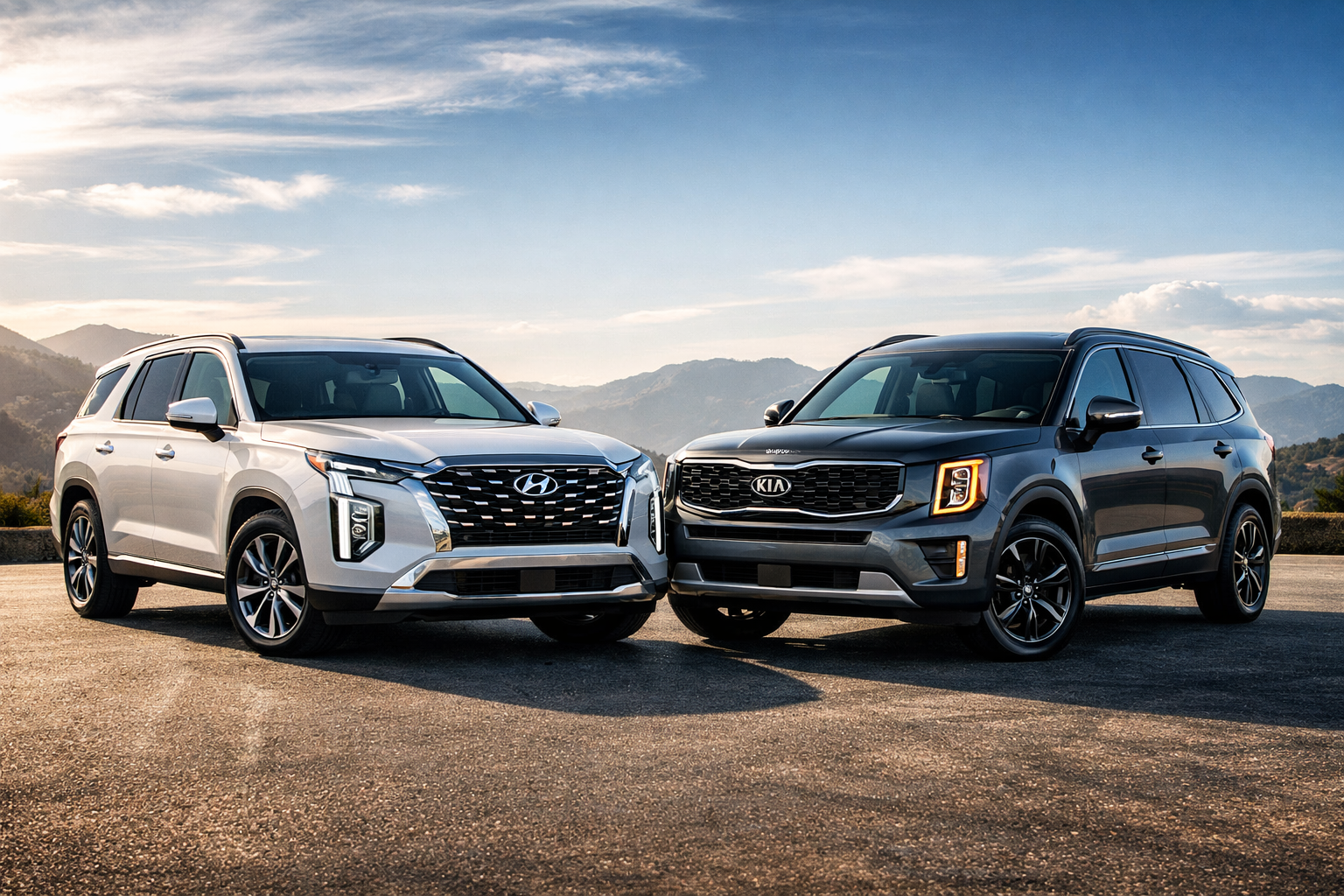
If you’ve ever wondered how two nearly identical SUVs can feel like they were designed by rival siblings with a shared garage and unresolved childhood issues, welcome to the Palisade vs Telluride debate. The Hyundai Palisade and Kia Telluride are basically automotive fraternal twins, yet buyers argue about them like Ford vs Ferrari. And in 2026, with prices creeping up and families demanding more tech, comfort, and dignity on road trips, this question matters more than ever.
I’ve driven dozens of three-row SUVs, from the Toyota Grand Highlander to the Mazda CX-90 and even the ever-smug Volvo XC90, and these two Korean heavyweights still dominate school pickup lines. The Palisade vs Telluride question isn’t about which one is “good” — they both are — it’s about which one is the smarter buy when your money actually matters. So let’s settle it, pint-in-hand, without PR nonsense.
Both the 2025–2026 Hyundai Palisade and Kia Telluride ride on the same platform, use the same naturally aspirated V6, and share an 8-speed automatic that’s about as exciting as airport lounge oatmeal. They’re squarely aimed at buyers cross-shopping the Toyota Grand Highlander, Honda Pilot, Ford Explorer, and maybe the Subaru Ascent if you enjoy CVT roulette. Mechanically, they’re identical enough that engineers could swap parts blindfolded.
The difference is philosophy. Hyundai positions the Palisade as faux-luxury — think “budget Genesis cosplay” — while Kia leans rugged Americana with the Telluride, all beard oil and national park vibes. That split personality is exactly why choosing between them is harder than it should be.
Design Face-Off: Suit vs Flannel
The Palisade looks like it’s trying to impress the valet at a steakhouse, with upright LED DRLs and enough chrome to blind passing cyclists. The Telluride, by contrast, wears boxy fenders and a bluff grille that screams “I own a Yeti cooler.” Hot take: the Telluride design is aging better, while the Palisade already feels one facelift away from midlife crisis territory.
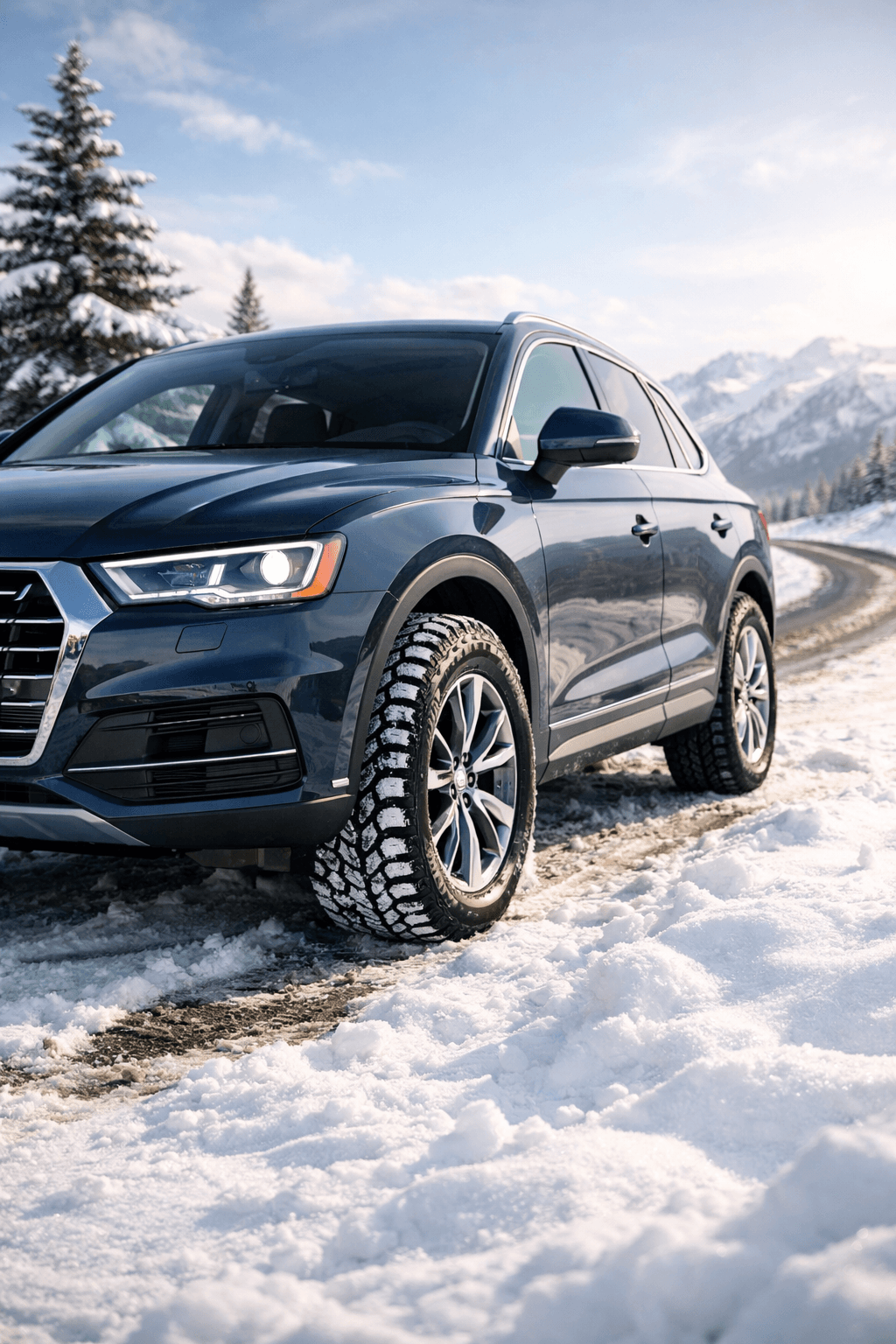
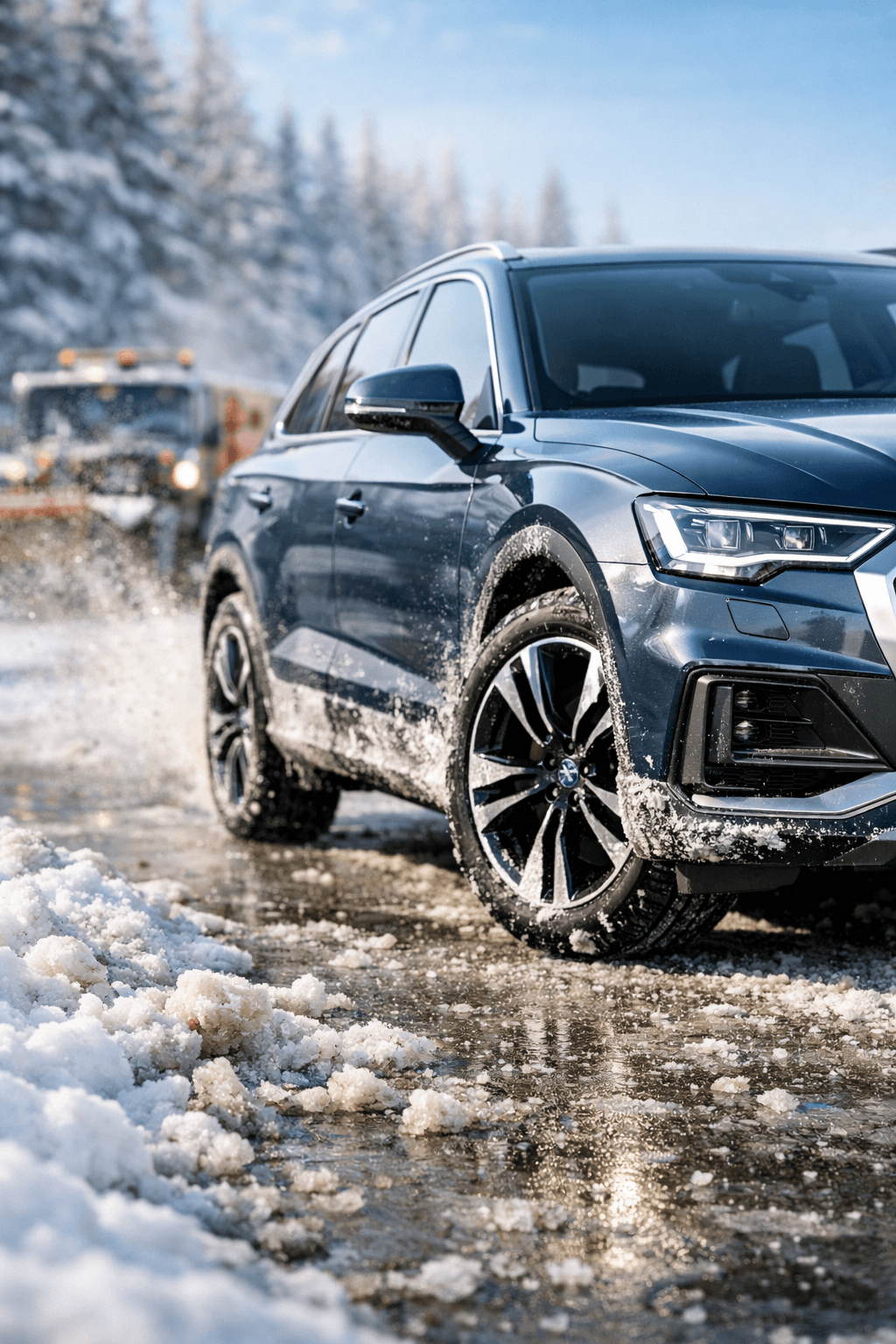
I’ll say it bluntly — Hyundai’s obsession with oversized grilles is flirting with Audi-level identity confusion, and we’ve seen how that goes. If you’re curious how design excess can backfire, this deep dive on Audi’s grille strategy is worth your time. Kia, shockingly, is showing more restraint here.
Interior & Tech: Who Nailed Family Luxury?
Step inside the Palisade and you’re greeted with quilted leather, ambient lighting, and a dashboard that looks like it borrowed ideas from a Genesis GV80. The dual 12.3-inch screens are crisp, responsive, and blessedly still use physical buttons for climate control — a win for sanity. The Telluride’s cabin is tougher-looking, flatter surfaces, less sparkle, but arguably more durable if your kids treat interiors like a WWE ring.
Both get wireless Apple CarPlay on lower trims, a full suite of driver aids, and one of the best third rows in the segment. Neither matches the Volvo XC90’s minimalist cool or the Mazda CX-90’s driver-focused layout, but they’re far more intuitive. Doug DeMuro would love the Palisade’s intercom system; Chris Harris would roll his eyes and then admit it’s useful.
Advertisement
Performance: Adequate, Not Exciting
Let’s not pretend either of these is fun to drive. The 291-hp V6 is smooth and reliable, but throttle response is lazier than a cat in a sunbeam, especially when loaded with kids, dogs, and Costco furniture. 0–60 mph in just under 7 seconds is fine, but the turbocharged Mazda CX-90 and even the hybrid Grand Highlander feel more awake.
Ride quality is where they redeem themselves. Both soak up potholes like a Range Rover on valium, and highway stability is excellent. The Telluride’s steering feels marginally more weighted, but neither will make you forget a BMW X5 exists.
Fuel Economy & Running Costs
At roughly 19/26 mpg, fuel economy is merely acceptable in 2026, especially as hybrids become the norm. Toyota’s Grand Highlander Hybrid will absolutely clown both of these at the pump. Still, the simplicity of a naturally aspirated V6 means fewer long-term headaches.
Ownership costs are where Hyundai and Kia shine. Long warranties and strong reliability records make these two darlings of anyone who’s read our guide on choosing a reliable new car. They’re not cheap to fuel, but they’re cheap to keep sane.
Practicality: The Real Reason You’re Here
Both SUVs offer around 87 cubic feet of cargo space with seats down, easy-access third rows, and cupholders for days. The Palisade’s power-folding third row is slightly smoother, while the Telluride’s boxier shape makes loading bulky gear easier. If you camp, haul sports equipment, or live at IKEA, Telluride wins by a nose.
Child-seat access, door opening angles, and visibility are excellent in both. Frankly, this is why they keep crushing the Ford Explorer, which somehow still feels cramped despite decades of practice.
Value Breakdown vs Competitors
Here’s the kicker: both start under $40k, but fully loaded trims can flirt with $52,000. At that money, you’re in lightly used BMW X7 or Lexus TX territory, which complicates things. If budgeting matters — and it should — read our breakdown on lowering your car payment in 2026.
Compared to rivals like the Honda Pilot, Subaru Ascent, and Chevrolet Traverse, the Korean twins still offer the best blend of tech, warranty, and interior quality. The hot take? They’ve made some Japanese competitors look complacent.
Spec
Hyundai Palisade
Kia Telluride
Starting Price
Approx. $38,000
Approx. $37,500
Power
291 hp
291 hp
0-60 mph
6.9s
6.9s
MPG
19/26
19/26
Cargo Space
87 cu ft
87 cu ft
Warranty
5 yr/60,000 mi
5 yr/60,000 mi
Pros
Excellent ride comfort
Strong reliability and warranty
Class-leading third row
Great value vs rivals
Cons
No hybrid option
Average fuel economy
Performance is forgettable
The Winner: Palisade vs Telluride
After living with both, my verdict is simple. If you want luxury vibes, smoother tech integration, and a cabin that punches above its price, the Palisade is your SUV. If you prefer tougher styling, better resale, and a vehicle that doesn’t feel embarrassed by mud on its tires, the Telluride edges it.
The smarter buy in 2026? The Kia Telluride — by a whisker. It feels more honest, less try-hard, and its design will age better. In the endless Palisade vs Telluride debate, that matters.
RevvedUpCars Rating: 8.7/10
Best for: Families who want maximum space, minimal stress, and zero interest in luxury-brand repair bills.
If you buy either, you’re winning — but the Telluride wins the pub argument. And yes, I’d still wave at you from my driveway.
Disclosure: This article may contain affiliate links. If you make a purchase through these links, we may earn a small commission at no extra cost to you. This helps support RevvedUpCars.com. Learn more.
Hot take: the Telluride design is aging better, while the Palisade already feels one facelift away from midlife crisis territory.
Affiliate disclosure: some links on this page earn us a commission at no extra cost to you.
Alex Torque is a lifelong gearhead who grew up in Detroit with motor oil in his veins. After a decade as a performance driving instructor at Laguna Seca and the Nurburgring, he traded his racing helmet for a keyboard—though he still logs track days whenever possible. Alex specializes in sports cars, supercars, and anything with forced induction. His reviews blend technical precision with the visceral thrill of pushing machines to their limits. When he’s not testing the latest performance machines, you’ll find him restoring his 1973 Datsun 240Z or arguing about optimal tire pressures. Alex believes that driving should be an event, not a commute.
Get the latest car reviews in your inbox
Join thousands of car enthusiasts. No spam, unsubscribe any time.



Comments
Leave a comment