EV track-day DIY is booming: learn brake fluid, tire strategy, charging logistics, and heat management so fast laps stay fun and efficient.
Track-day culture is changing, and the paddock sounds different now. The loudest conversations around the hottest 2026–2027 EVs are not about exhaust notes or cam swaps—they are about brake fluid, tire pressures, charging windows, and keeping battery temps under control for one more clean session.
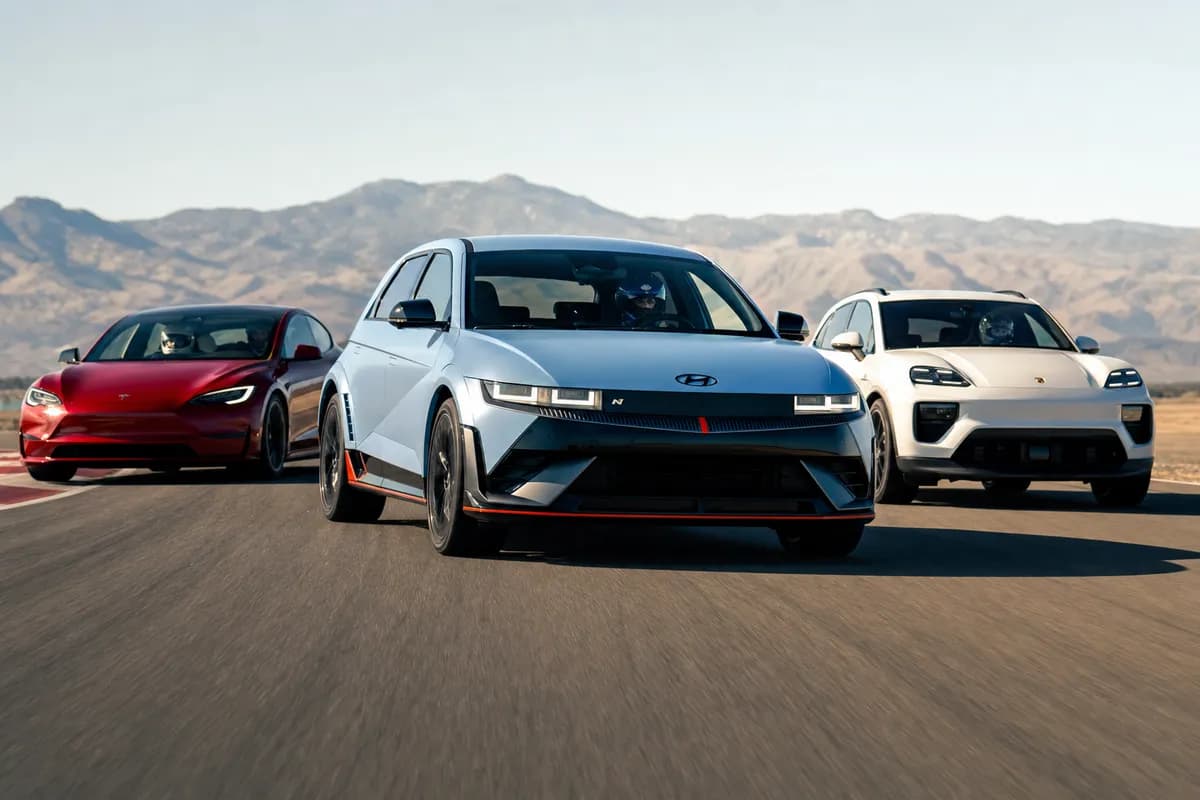
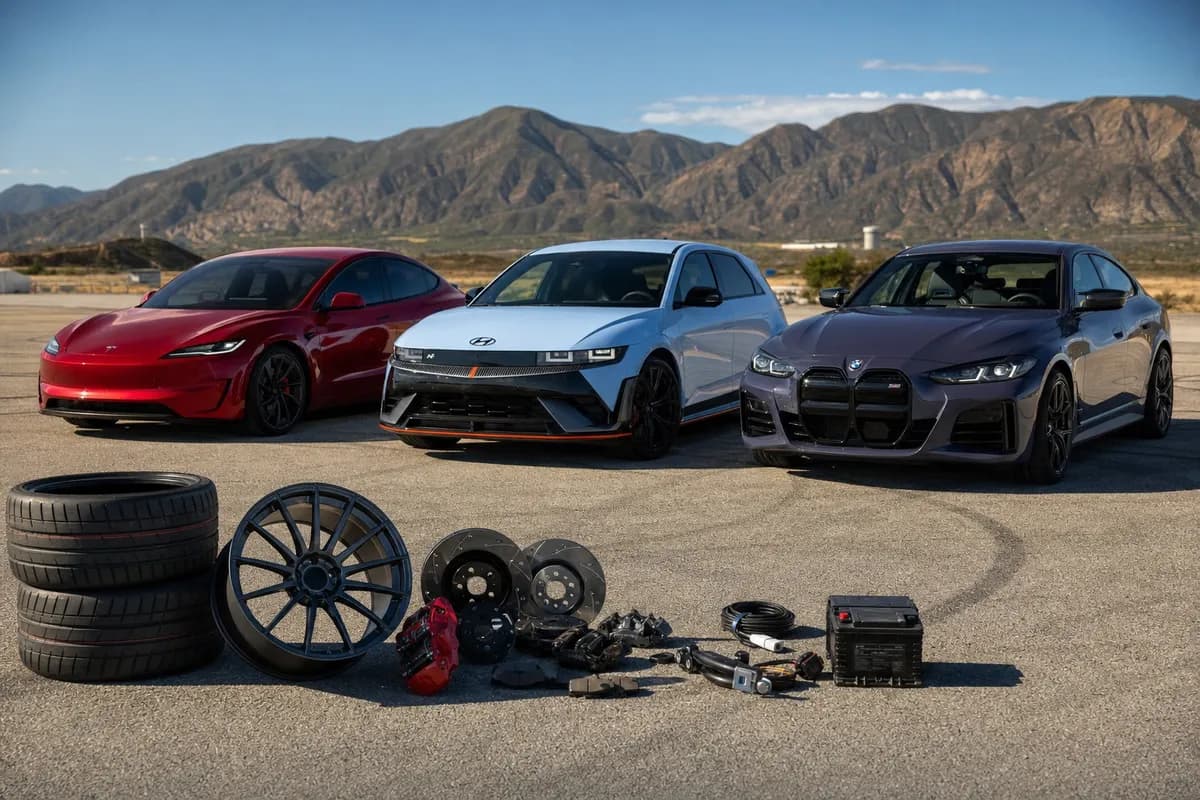
That shift is exactly why the 2026 EV track day community feels fresh. Owners of the Hyundai Ioniq 5 N, Tesla Model 3 Performance, and Porsche Macan Electric are building a practical, DIY-minded scene around repeatable performance, smart prep, and getting home without cooking a pack, shredding a tire, or boiling fluid.
The New EV Track-Day Community Is Built Around Reliability, Not Noise
Traditional performance culture often revolved around power mods first and problem-solving later. The emerging EV crowd is flipping that order. These owners are learning fast that a modern high-performance EV can be brutally quick on a single lap, but consistent pace all day depends on preparation more than heroics.
The common thread is simple: EVs are heavy, fast, and thermally demanding. A Hyundai Ioniq 5 N weighs roughly 4,800-plus pounds depending on spec, a Tesla Model 3 Performance sits around the low-4,000-pound range, and the Porsche Macan Electric pushes well into heavy crossover territory. That mass changes everything, especially brakes, tires, and heat soak.
What is interesting is how this community shares information. Instead of bench racing over peak horsepower numbers, owners trade notes on charge-state targets, pad wear rates, rotor temps, regen settings, tire shoulder rollover, and whether a cooldown lap should be followed by a charging stop or a longer rest. That is a different kind of enthusiast culture, but it is still enthusiast culture.
- Ioniq 5 N owners tend to focus on software settings, brake robustness, and finding the right tire for a 4,700-plus-pound hatch with serious pace.
- Model 3 Performance owners are refining one of the most established EV track platforms, with heavy attention on Model 3 Performance track prep, alignment, and energy management.
- Macan Electric owners are bringing Porsche expectations into the EV era, where Porsche Macan Electric maintenance means understanding both chassis hardware and battery thermal behavior.
Brake Fluid and Pads: The First DIY Lesson Every Fast EV Owner Learns
If there is one universal lesson in EV brake fluid tire charging heat management, it starts with brake fluid. Heavy EVs can lean hard on regen during normal driving, but on track they still ask a lot from friction brakes, especially when battery state, temperature, or control logic reduces the amount of regen available at corner entry.
Stock fluid is often the first weak link. A novice driver may get away with one or two moderate sessions, but repeated hard laps can raise caliper and fluid temperatures fast. The symptom list is familiar to anyone who has tracked a heavy car: longer pedal travel, inconsistent bite, and a session that ends earlier than planned.
The first-line DIY approach is old-school and effective. Flush in a higher-boiling-point fluid before the event, inspect pad thickness closely, and do not assume a factory “performance” badge means the consumables are track-ready. That advice applies to the Ioniq 5 N, the latest Model 3 Performance, and the Macan Electric alike.
- Use fresh, quality high-temp brake fluid before track events.
- Measure pad thickness, not just “eyeball” it through the wheel.
- Check rotor condition and look for heat checking or cracking.
- Torque wheels properly and recheck after the first session.
- Expect heavier EVs to consume front brakes faster than many owners predict.
For Ioniq 5 N DIY mods, brake pads and fluid are already becoming the gateway upgrades. The car’s factory engineering is impressive, but repeated hot laps expose the same truth every track rat knows: consumables matter more than brochure specs. Tesla owners learned this earlier, and the same track-prep logic now follows the Macan Electric crowd too.
Tire Strategy Matters More in EVs Than Many New Owners Expect
Tires are where EV track prep gets expensive or smart. Instant torque, high curb weight, and quiet drivetrains can mask just how much abuse the contact patch is taking. A tire that feels fine for one hot lap can smear, overheat, or fall off sharply by the middle of a session.
That is why experienced owners are starting with strategy instead of just buying the stickiest option. A 200-treadwear tire may unlock excellent grip, but it can also accelerate wear, increase rolling resistance, and make the drive home less comfortable. For many drivers, a durable max-performance summer tire and disciplined pressure management is the better first step.
Pressure creep is a huge part of the conversation. Heavy EVs generate heat quickly, so cold pressures that look conservative in the paddock can turn into sloppy, overinflated hot pressures after a few laps. Owners are increasingly logging cold pressures, hot pressures, and surface temperatures session by session instead of guessing.
- Hyundai Ioniq 5 N: responds well to careful pressure tuning because the car’s weight can punish outer shoulders quickly.
- Tesla Model 3 Performance: benefits from alignment attention and tire rotation discipline, especially if it sees frequent events.
- Porsche Macan Electric: will likely reward owners who prioritize tire load rating and heat stability over headline grip alone.
Wheel setup also matters. Some owners are moving to dedicated track wheels so they can run a more appropriate tire, preserve expensive factory wheels, and swap back to a lower-drag street setup afterward. That is a practical mod mindset, and it fits this new community perfectly.
Charging Logistics Are the EV Version of Bringing Enough Fuel
Every track day has a hidden strategy game, and in an EV it is charging. Drivers quickly learn that arriving at 100 percent, running repeated hot sessions, and expecting public chargers to save the day is not a plan. It is wishful thinking.
The real-world approach is more disciplined. Owners are mapping charging stops before the event, checking charger reliability, and planning around battery-state windows that support both pace and thermal stability. In many cases, the fastest day is not the one with the most laps packed together. It is the one with fewer interruptions and smarter energy use.
The Hyundai Ioniq 5 N has an edge here thanks to Hyundai’s 800-volt architecture and strong DC fast-charging capability. Under ideal conditions, that can make turnaround between sessions more manageable than in some 400-volt rivals. The Tesla Model 3 Performance benefits from the Supercharger network and a mature route-planning ecosystem, while the Macan Electric brings premium charging performance but still depends on event location and charger access.
- Check charger locations within 10 to 20 minutes of the track.
- Verify charging speed, availability, and backup options.
- Arrive with enough state of charge to skip immediate charging stress.
- Leave margin for cooldown, traffic, and reduced charging performance in heat.
- Do not count on charging from very high state of charge if turnaround time matters.
This is where the DIY community is filling a gap. Owners are posting track-specific charging guides, sharing which stations are reliable on event weekends, and comparing how different cars recover between sessions. That may not sound glamorous, but it is the difference between three good sessions and one frustrating one.
Heat Management Is the Real Performance Mod
Heat is the great equalizer in EV performance driving. Battery packs, motors, inverters, brakes, and tires all add heat to the system, and once temperatures climb, the car may protect itself with reduced power, reduced charging speed, softer regen, or all three. That is why experienced EV drivers treat heat management as seriously as any hardware upgrade.
The best solution is usually behavioral before mechanical. Shorter sessions, a deliberate cooldown lap, and avoiding repeated all-out laps can keep a car in its happy zone longer than a single aggressive push followed by thermal derate. This feels counterintuitive to newcomers, but it is a fast way to preserve consistency.
The smartest EV track-day drivers are not chasing one headline lap. They are managing the whole day—battery temp, brake temp, tire temp, and charge state—so the car stays fun instead of fragile.
Among these cars, the Ioniq 5 N stands out because Hyundai clearly designed it with enthusiast abuse in mind, from software features to cooling strategy. The Model 3 Performance remains a compelling tool because of its lower weight relative to big EV crossovers and its huge owner knowledge base. The Macan Electric may become the surprise long-term favorite for drivers who want Porsche chassis polish, but owners will still have to respect its mass and thermal load.
DIY reliability lessons are now spreading fast:
- Pre-cool the cabin and battery when possible before arriving.
- Use consistent session lengths instead of random “one more lap” decisions.
- Monitor tire and brake temperatures as closely as battery state of charge.
- Expect hot weather to affect both lap pace and charging recovery.
- Build your day around repeatability, not maximum attack every session.
Verdict: Fast EVs Are Creating a Smarter, More Practical Enthusiast Scene
The most interesting thing about the emerging EV performance crowd is not that it is replacing old-school car culture. It is adding a new branch to it. The language is different, but the spirit is familiar: owners learning from each other, wrenching at home, solving problems, and chasing better laps with better prep.
For the 2026 Hyundai Ioniq 5 N, 2026–2027 Tesla Model 3 Performance, and Porsche Macan Electric, the recipe is already taking shape. Start with fresh brake fluid, realistic tire strategy, planned charging, and disciplined heat management. Do that, and these fast EVs stop feeling like fragile tech showcases and start feeling like what enthusiasts actually want—cars you can drive hard, learn from, and enjoy all day.
That is why this new scene matters. The next wave of track-day heroes may still love speed and hardware, but they are proving that the best modification is often preparation. And for EV owners who want performance without drama, that is a culture worth building.
Affiliate disclosure: This article contains affiliate links. RevvedUpCars may earn a small commission on qualifying purchases at no extra cost to you.