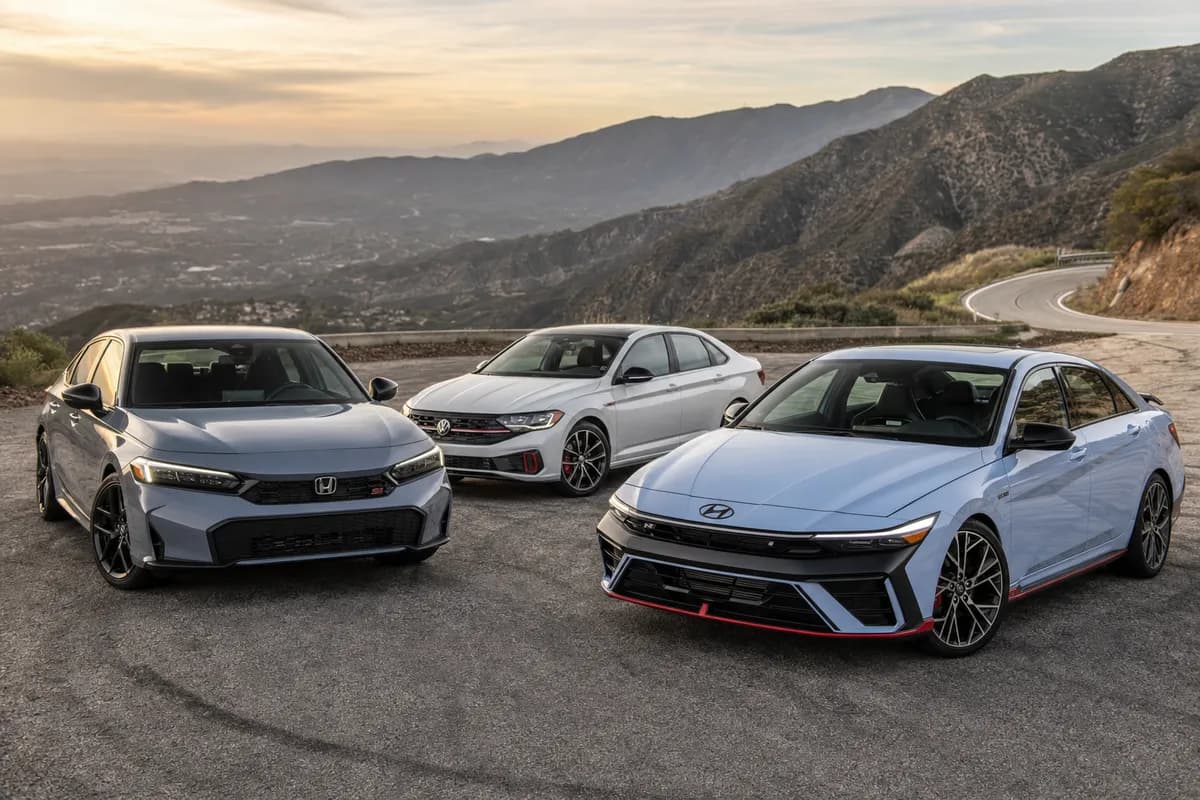
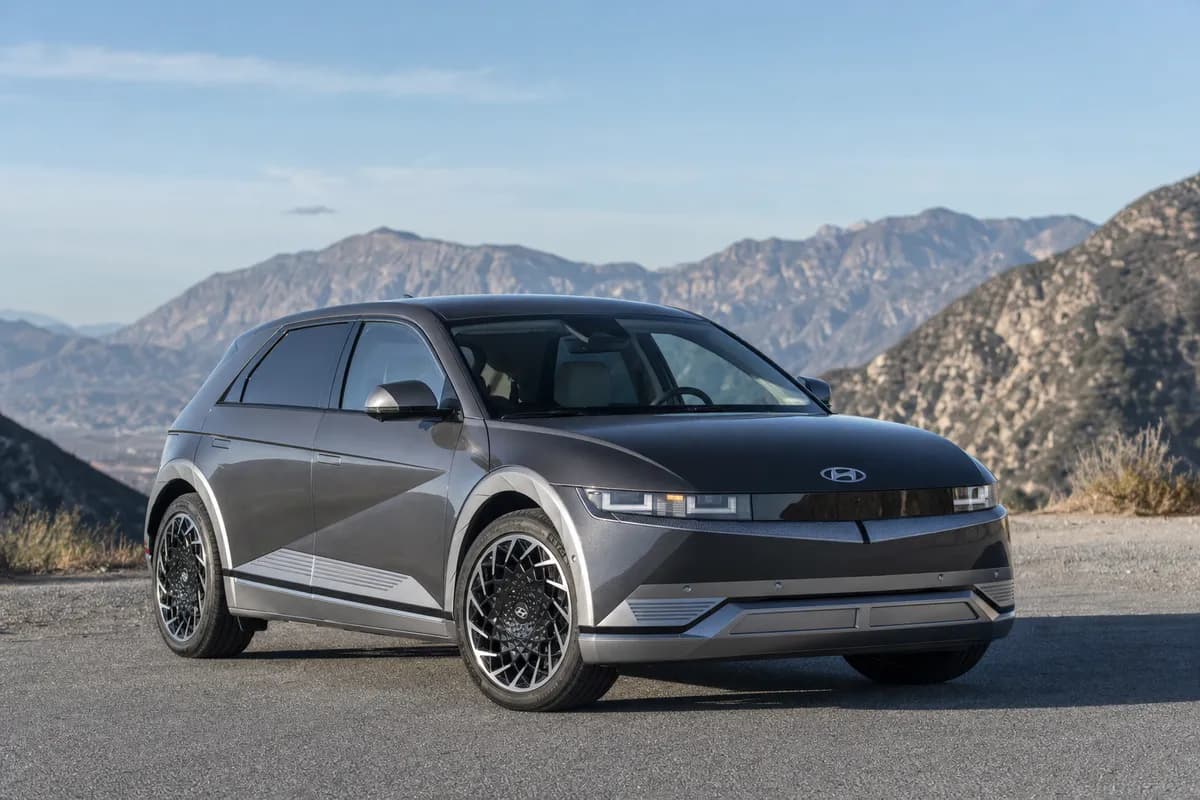
A new DIY sport-compact sedan community is forming around the Civic Si, Jetta GLI, and Elantra N-Line, focused on manuals, OEM-plus mods, and track prep.
The loudest part of car culture is not always the healthiest part of it. For 2026 and 2027, a smarter sport-compact sedan community is taking shape around the Honda Civic Si, Volkswagen Jetta GLI, and Hyundai Elantra N-Line—cars that still reward a manual gearbox, a basic tool kit, and owners who would rather drive than posture.
That shift matters because enthusiasts are getting tired of five-figure wheel packages, social-media body kits, and “builds” that live on a trailer. In their place, a more grounded scene is growing: manual-friendly maintenance, OEM-plus upgrades, sensible wheel-and-tire setups, and budget track night prep sedan recipes that actually work.
Why These Three Sedans Are Pulling People Back Into DIY
The formula is simple. You get four doors, usable back seats, a trunk, a turbocharged engine, and a chassis that still feels playful on a back road or at an autocross. For younger buyers, they are realistic entry points. For older enthusiasts, they feel like a return to the practical sport-compact ethos that built the scene in the first place.
The 2026 Honda Civic Si remains the purist’s choice in this group. It sticks with a 1.5-liter turbocharged four-cylinder, a standard six-speed manual, and a factory limited-slip differential. Those details matter more than giant power numbers, because they make the car rewarding at normal speeds and friendly to owners learning their way around maintenance and setup.
The 2027 Volkswagen Jetta GLI adds a slightly more mature flavor. Its 2.0-liter turbo four brings stronger low-end torque, and the GLI’s long-running GTI-adjacent hardware gives owners a broad aftermarket and strong service knowledge base. If you are researching 2027 Volkswagen Jetta GLI maintenance, you will quickly find a community that treats preventive work like part of the hobby, not a burden.
The 2026 Hyundai Elantra N-Line sits in an interesting middle ground. It does not carry the full wild-child identity of the Elantra N, but that is part of its appeal. For owners focused on 2026 Hyundai Elantra N-Line DIY upgrades, the N-Line offers enough performance to be fun while keeping costs, insurance, and consumables in check.
- Civic Si: best for tactile shifting, balanced handling, and simple OEM-plus upgrades
- Jetta GLI: best for torque, highway comfort, and deep VW tuning support
- Elantra N-Line: best for value-minded owners who want style and fun without going full track-special
Manual-Friendly Maintenance Is the New Status Symbol
One reason this sport compact sedan community 2026 feels healthier is that owners are bragging less about invoices and more about doing the work. Basic service is becoming part of the culture again. Brake fluid flushes, shifter bushings, gearbox fluid changes, and alignment specs are replacing empty flex posts.
The Civic Si is especially friendly to hands-on owners. Routine fluid service, brake jobs, intake swaps, and suspension bolt-ons are straightforward with common tools. Honda’s parts support also tends to make the “fix it right, then mod it” approach easier on a normal budget.
The Jetta GLI rewards owners who stay disciplined on maintenance intervals. VW turbo cars are excellent when fluids, ignition components, and cooling-system details are handled on time. Ignore those basics, and the car will remind you that German performance engineering always expects the owner to hold up their end of the bargain.
The Elantra N-Line benefits from a similar mindset. It responds well to preventive care, especially if the car will see hard street driving or occasional lapping sessions. That means fresh oil, known-good pads, and attention to tires before chasing any cosmetic mods.
High-Value DIY jobs owners are prioritizing
- Engine oil and filter changes at conservative intervals for turbo longevity
- Manual transmission fluid replacement to improve shift feel and synchro life
- Brake fluid flush with a higher-temp fluid before spirited driving events
- Upgraded pads and stainless brake lines where appropriate
- Alignment checks after springs, wheels, or tire changes
- Shifter upgrades, bushings, and clutch-pedal adjustments for better engagement
That shift in priorities is not glamorous, but it works. A sedan with fresh fluids, a proper alignment, and good tires will embarrass a lot of overbuilt cars that were modified in the wrong order.
OEM-Plus Mods Are Winning Over Flashy Builds
Look around this new sedan scene and the common thread is restraint. Owners are moving toward factory-quality upgrades that sharpen the car without wrecking reliability, resale, or ride quality. That is exactly why searches for 2026 Honda Civic Si mods now skew toward practical parts instead of giant wings and questionable tunes.
On the Civic Si, the sweet spot is clear. A quality rear motor mount, a refined short shifter, better pads, and a mild drop on matched dampers can transform the car without changing its personality. Add lighter wheels and a better 200-treadwear or max-performance summer tire, and you have a sedan that feels significantly more serious without becoming annoying to live with.
The Jetta GLI responds well to the classic OEM-plus formula too. Think factory-style lip spoiler, modest lowering springs paired with proper dampers, upgraded dogbone mount inserts, and a wheel setup that fills the arches without ruining compliance. Many GLI owners know the tune temptation is real, but the smartest builds are still starting with brakes, tires, and cooling awareness.
The Elantra N-Line attracts owners who want visual sharpness without fake aggression. That means cleaner wheel fitment, subtle front-end aero, and mild suspension tuning rather than extreme camber or noise-for-the-sake-of-noise exhausts. In practice, that makes the N-Line one of the easiest cars here to build tastefully on a modest budget.
OEM-plus upgrades that actually pay off
- Factory-style front lips, spoilers, and side skirts
- Short shifters and upgraded shift bushings
- Quality dampers with mild lowering springs or matched spring-and-shock kits
- Rear sway bars or modest chassis bracing where needed
- Lighter 17- or 18-inch wheels with better tires
- Brake pads suited to dual street and occasional track use
Wheel-and-Tire Setups That Make Sense on the Street and at Track Night
If one mod defines this community, it is a smart wheel-and-tire package. Not giant diameter. Not stretched sidewalls. Just the right width, the right offset, and a tire compound that works in the real world.
For the Civic Si, 18-inch fitments remain common, but many experienced owners still love a lighter 17-inch setup if brake clearance allows. A 235-section tire is often a practical target for mixed use, giving the car more front-end bite without creating unnecessary tramlining or rubbing drama. On a front-drive car with an LSD, tire choice is never a small detail.
The Jetta GLI also benefits from resisting the urge to oversize. A well-chosen 18-inch wheel with a quality max-performance summer tire keeps steering feel sharp and preserves the car’s everyday composure. The wrong heavy wheel can make a GLI feel slower, duller, and busier over rough pavement.
The Elantra N-Line rewards a similar approach. Keep sidewall, keep compliance, and avoid bargain tires. A good tire transforms steering, braking, and confidence more than almost any entry-level bolt-on you can buy.
- Best street-first approach: lightweight wheel, premium summer tire, factory-friendly alignment
- Best dual-duty approach: dedicated second set of wheels with more aggressive tires for events
- Worst approach: oversized wheels, cheap rubber, and lowered suspension with no alignment plan
How Owners Are Handling Budget Track Night Prep
The track-day side of this trend is less about chasing lap records and more about learning the car. That is why budget track night prep sedan has become such a useful idea. Owners want to show up, run safely, drive home, and do it again next month.
You do not need a stripped interior or a giant parts list to get there. You need a healthy car, fresh consumables, and realistic expectations. For these sedans, that means reliability prep first and lap-time obsession second.
Track-night checklist for Civic Si, Jetta GLI, and Elantra N-Line owners
- Inspect brakes, including pad thickness and rotor condition.
- Flush in fresh high-temp brake fluid.
- Check tire age, pressure, and shoulder wear.
- Torque wheels properly and recheck at the event.
- Change oil if service is due or the engine has seen hard use.
- Inspect coolant condition and look for leaks.
- Empty loose items from the cabin and trunk.
- Set a conservative baseline tire pressure and monitor hot pressures.
The Civic Si often arrives at a novice track night with the fewest required changes because its chassis balance and factory hardware are so cooperative. The GLI may ask for a little more brake and heat management depending on pace and ambient temperature. The Elantra N-Line can be a very fun learner car, but like any street-focused sedan, it needs honest attention to consumables before repeat hard laps.
The cheapest fast mod is still maintenance. The second cheapest is driver education. Everything else works better after those two.
Verdict: A Better Sport-Compact Sedan Scene Is Taking Shape
The best part of this new movement is that it feels durable. Civic Si, Jetta GLI, and Elantra N-Line owners are building cars they can afford to keep, improve, and actually use. That is a healthier foundation than chasing trends, debt, or dyno-sheet bragging rights.
For 2026 and 2027, the real enthusiast win is not the wildest build in the parking lot. It is the sedan with a manual, a clean maintenance history, an OEM-plus parts list, a dialed wheel-and-tire setup, and a driver who knows how to use it. That is the kind of community worth joining—and it looks a lot like the future of the sport-compact sedan world.
Affiliate disclosure: This article contains affiliate links. RevvedUpCars may earn a small commission on qualifying purchases at no extra cost to you.