Three-row EVs are turning into everyday road-trip family haulers as owners share tire picks, hitch setups, brake basics, charging prep, and practical mods.
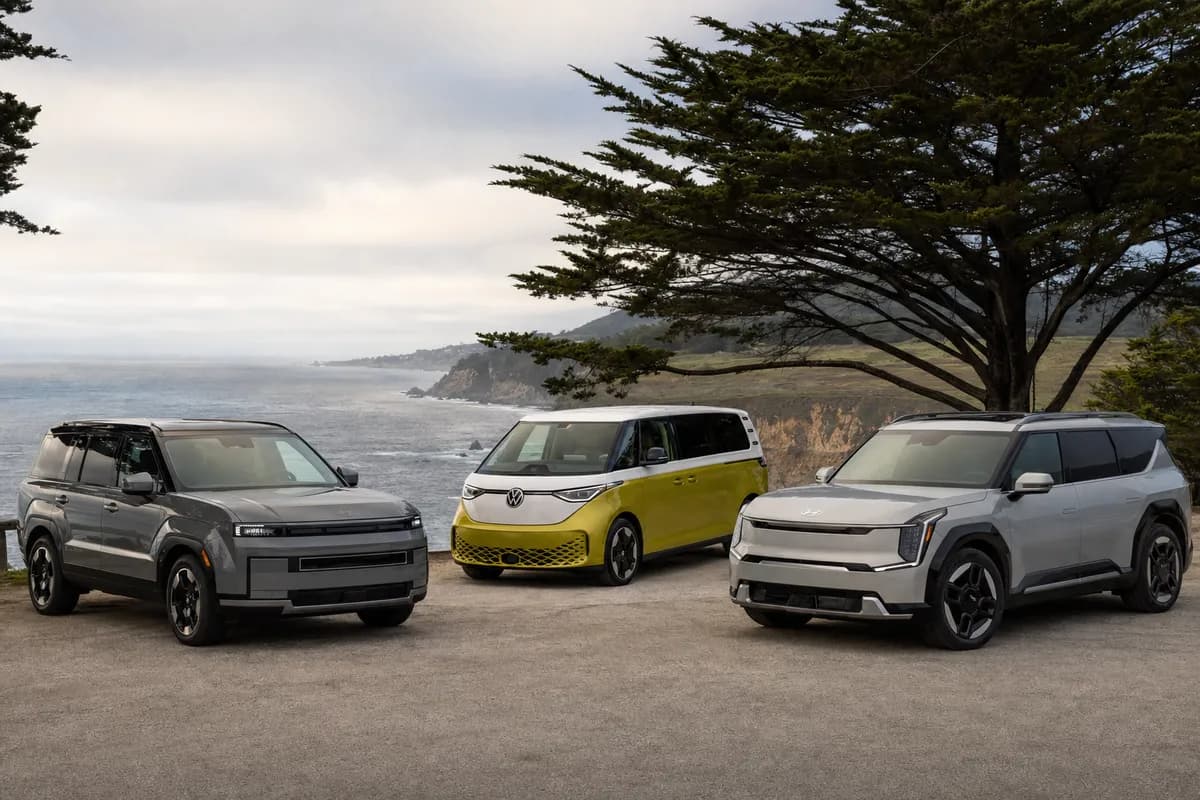
Three-row EVs are no longer science projects for early adopters. By 2026, the Volkswagen ID. Buzz, Kia EV9, and Hyundai Ioniq 9 are becoming family road-trip machines, and owners are building a fresh enthusiast scene around making them easier to pack, charge, clean, and maintain.
That shift matters. Instead of chasing dyno numbers or exhaust sound, this new family EV enthusiast community is swapping tire data, hitch setups, brake service tips, charging habits, and cargo solutions that make 400-mile weekends feel normal.
The New Three-Row EV Crowd Isn’t About Speed Parts
The interesting thing about the current three-row EV scene is how practical it is. The hottest forum threads and social posts are not about quarter-mile times. They are about rooftop boxes, rear cargo trays, portable chargers, all-weather mats, and how to keep a 6,000-pound family hauler happy for the long term.
The vehicles make that possible because they already come pretty stout from the factory. The 2026 Volkswagen ID. Buzz brings retro style and minivan-like usability, while the Kia EV9 has quickly earned a reputation as a boxy, honest family SUV with available all-wheel drive and useful towing capability. The 2027 Hyundai Ioniq 9, riding Hyundai Motor Group’s E-GMP architecture, targets the same crowd with modern styling, a roomy cabin, and the fast DC charging that has become a real selling point for big EVs.
All three are large, heavy, and aerodynamically compromised compared with sleek sedans. That means the real mods are not flashy. They are the kind that preserve range, protect the cabin, keep charging stops efficient, and make ownership less intimidating for people used to gas-powered crossovers and minivans.
Tires, Wheels, and Road-Trip Range: The Mod That Actually Changes the Experience
If you spend time around owners discussing three-row EV road trip upgrades, tires come up first for a reason. Tires affect ride quality, wet grip, cabin noise, and range more than most bolt-ons ever will. On a heavy EV, they also take a beating.
The sweet spot for many families is a tire that balances low rolling resistance with real-world durability. Pure efficiency-focused tires can feel numb and wear quickly under the torque and curb weight of these vehicles. On the other hand, aggressive all-terrain or ultra-sticky options can knock highway range down in a hurry.
- Best use case: highway family travel — look for EV-rated touring tires with reinforced load ratings, strong wet braking, and low noise.
- Best use case: mixed weather — modern all-weather tires can be a smart one-set solution for owners who see cold temperatures and rain but do not want a dedicated winter setup.
- Avoid for most owners — oversized wheels and very wide tires. They look good on social media, but they usually hurt ride comfort and efficiency.
For a vehicle like the ID. Buzz, which already has a bluff front and tall body, a wheel-and-tire package that adds drag or weight can be felt on the highway. The EV9 has enough size and torque to hide some of that penalty, but not all of it. Expect more owner-built spreadsheets comparing OEM tires, replacement rolling resistance, and real interstate efficiency in miles per kWh.
One practical takeaway: weigh your priorities honestly. If your family mostly does interstate runs, stick close to factory diameter, buy quality tires with the correct load index, and keep pressures checked. Underinflation hurts range, handling, and tire life all at once.
Hitches, Cargo Carriers, and Interior Protection Are the New “Performance Parts”
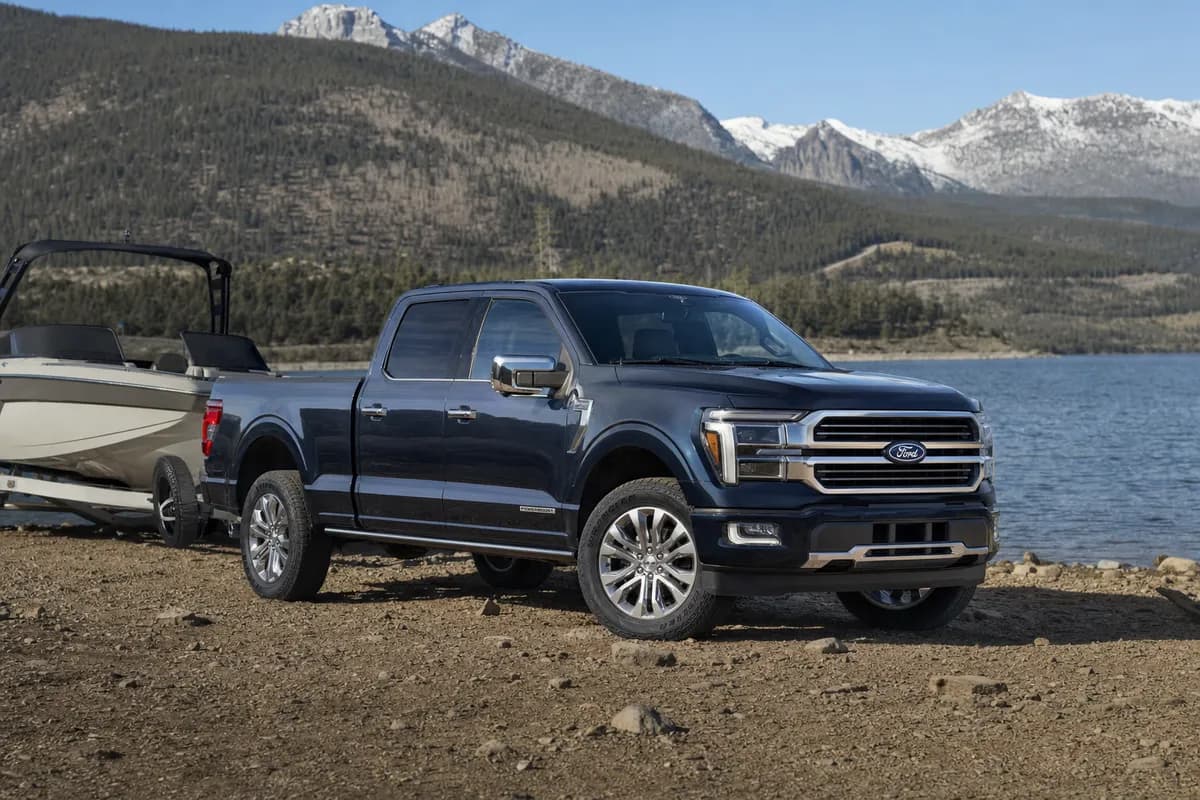
For this crowd, a hitch receiver is often the first modification. Not because every owner is towing, but because a hitch opens the door to bike racks, tray carriers, and cargo solutions that keep the cabin from becoming a rolling toy box. That is especially useful when all three rows are occupied.
The key is understanding the difference between towing capacity and hitch accessory use. A bike rack with two e-bikes can put a surprising amount of tongue weight on the back of an EV. Owners should follow the vehicle’s accessory and towing limits, use quality racks, and remember that anything hanging off the rear can affect backup sensor behavior and rear-camera visibility.
- Popular hitch uses: bike racks, compact cargo trays, small utility trailers, and mobility gear carriers.
- Best interior upgrades: deep all-weather floor liners, seatback protectors, cargo-area trays, and washable pet covers.
- Road-trip favorites: frunk organizers where available, underfloor storage bins, and slim roof boxes used only when truly needed.
Roof cargo is useful, but it is usually the least efficient way to carry extra stuff. A rooftop box on a tall EV can increase drag enough to make charging stops come sooner, especially at 70 to 80 mph. That is why many owners now prefer hitch-mounted storage for long trips, assuming they can stay within weight limits and preserve access to the rear hatch.
This is also where the 2026 Volkswagen ID. Buzz mods conversation gets interesting. ID. Buzz owners lean hard into camper-lite accessories, cabin organizers, privacy shades, and modular storage. EV9 and Ioniq 9 owners tend to favor cleaner SUV-style setups, but the goal is the same: make the vehicle work better for family life without turning it into a rolling gimmick.
DIY Confidence: Brake Service Basics, Tire Rotation, and Underbody Checks
One of the best developments in this new scene is that owners are getting more comfortable with simple maintenance. EVs do not eliminate service. They just shift the focus.
Because regenerative braking handles much of the slowing, friction brakes can last a long time on vehicles like the EV9 and Ioniq 9. That sounds great, but there is a catch. Caliper slide pins, pad ears, and rotor surfaces can suffer from disuse, corrosion, or uneven wear if nobody inspects them periodically.
- Rotate tires on schedule. Heavy EVs can chew through rear or front tires depending on alignment, torque delivery, and driving style.
- Inspect brakes at least annually. Look for uneven pad wear, rotor corrosion, and sticking hardware.
- Check brake fluid by time, not just mileage. Moisture contamination still matters, even in an EV.
- Inspect suspension and underbody panels. Road debris, curbing, and rough weather can loosen clips or damage aero shields.
- Watch alignment. A slightly off alignment can quietly destroy expensive EV tires and reduce efficiency.
That is the core of the 2027 Kia EV9 DIY maintenance discussion already gaining traction. Owners are realizing that a tire rotation, cabin filter swap, brake inspection, and basic underbody once-over are well within reach for a careful home mechanic with the right lifting points and safety habits. The same goes for the 2027 Hyundai Ioniq 9 accessories crowd, where practical ownership knowledge is starting to matter as much as add-ons.
Regenerative braking reduces wear, but it does not make brake hardware maintenance optional. On heavy EVs, neglected brakes can show up as noise, pulsing, uneven stopping, or expensive rotor replacement long before the pads are truly worn out.
One shop-level tip: use the correct jack points, and never get casual around battery-pack underbody shielding. These are not cars to lift by guesswork. If you are new to EV service, start small and follow the factory procedure every time.
Charging Prep and Family-Friendly Mods Matter More Than Peak DC Numbers
Brochure charging figures get headlines, but owners quickly learn that road-trip comfort depends on preparation. The best setup is a home Level 2 charger, a healthy charging routine, and a travel kit that keeps public charging from becoming chaotic. That is what separates a smooth trip from a stressful one.
Vehicles on 800-volt-capable architectures, including Hyundai Motor Group products like the EV9 and likely Ioniq 9, can post very impressive DC fast-charging times under the right conditions. But speed at the charger still depends on battery temperature, charger health, state of charge, and route planning. ID. Buzz owners, meanwhile, often focus just as much on charger access and family stop timing as raw peak numbers.
- Home charging essentials: a properly installed Level 2 unit, cable management, surge protection where appropriate, and a weather-conscious parking plan.
- Travel kit staples: NACS and CCS adapter strategy as needed, a mobile EVSE, gloves, microfiber towels, and a small light for night charging.
- Kid-friendly upgrades: seatback device mounts, USB-C cable organization, easy-clean snack bins, and window shades.
Owners are also becoming more strategic about preconditioning. If the vehicle allows battery preconditioning before a DC fast-charge stop, use it. On a long trip, arriving with the pack at the right temperature can save real time.
The smart mods here are subtle. A better cargo divider, a dedicated charging-cable tote, a frunk liner, or a rear-seat organizer will improve daily life more than flashy trim ever could. That is why this community feels different from old-school tuner culture while still scratching the same enthusiast itch.
Verdict: The Best Three-Row EV Builds Are the Ones That Remove Friction
The emerging culture around the ID. Buzz, EV9, and Ioniq 9 is one of the healthiest trends in modern car enthusiasm. It welcomes families, rewards hands-on learning, and focuses on upgrades that actually improve ownership. That means better tires, smarter cargo solutions, routine brake inspections, and charging prep that works in the real world.
If you are shopping these vehicles or already own one, take the same approach. Start with tires, protection, and charging. Add a hitch setup only if it matches your real travel habits. Learn the maintenance basics, keep an eye on brake hardware and alignment, and skip the parts that only look good in parking-lot photos.
That is how this new family EV enthusiast community is defining itself. Not by noise, speed, or excess, but by building big electric haulers that are calmer, cleaner, and better suited to the miles families actually drive.
Affiliate disclosure: This article contains affiliate links. RevvedUpCars may earn a small commission on qualifying purchases at no extra cost to you.