Deep analysis of Q1 2026 auto sales reveals winners, losers and key market trends. See which models led growth, who's falling behind — read the breakdown.
In this article
U.S. automakers delivered a surprisingly resilient first quarter, but the Q1 2026 auto sales numbers reveal a market splitting in two. According to preliminary results compiled by Motor Intelligence and company filings through April 20, total light-vehicle sales rose an estimated 2.1% year-over-year to roughly 3.9 million units. However, that modest growth masks sharp divergences between hybrids and EVs, Detroit and imports, and fleet versus retail.
Notably, the industry is outperforming earlier forecasts that called for a 2.6% full-year decline, as we detailed in our US Auto Sales 2026 Forecast Drops 2.6% analysis. Yet the composition of that growth tells the real story. Hybrids are surging, full EV momentum has cooled, and incentives are quietly creeping back.
The Headlines
What: U.S. Q1 2026 light-vehicle sales rose about 2.1% year-over-year, with hybrids up double digits
Who: Toyota, GM, Ford, Hyundai-Kia, Tesla and others
When: January–March 2026, reported through April 20
Impact: Buyers see better hybrid availability, uneven EV incentives, and stable truck pricing
Key Number: Hybrids up an estimated 28% year-over-year
What Happened
The headline figure: roughly 3.9 million vehicles sold in Q1, up from about 3.82 million a year earlier, according to industry estimates reported by Reuters. However, growth wasn’t evenly distributed. Toyota posted a 7% gain, driven by RAV4 Hybrid and Corolla Hybrid demand, while Hyundai and Kia combined rose about 6%, fueled by Tucson Hybrid and Sportage sales.
Meanwhile, General Motors reported a 3% increase, with Chevrolet Silverado and GMC Sierra remaining top profit drivers. Ford slipped roughly 1%, as F-150 volumes softened slightly despite strong Maverick hybrid sales. Stellantis declined an estimated 4%, continuing a trend that echoes concerns raised in our coverage of its internal turbulence.
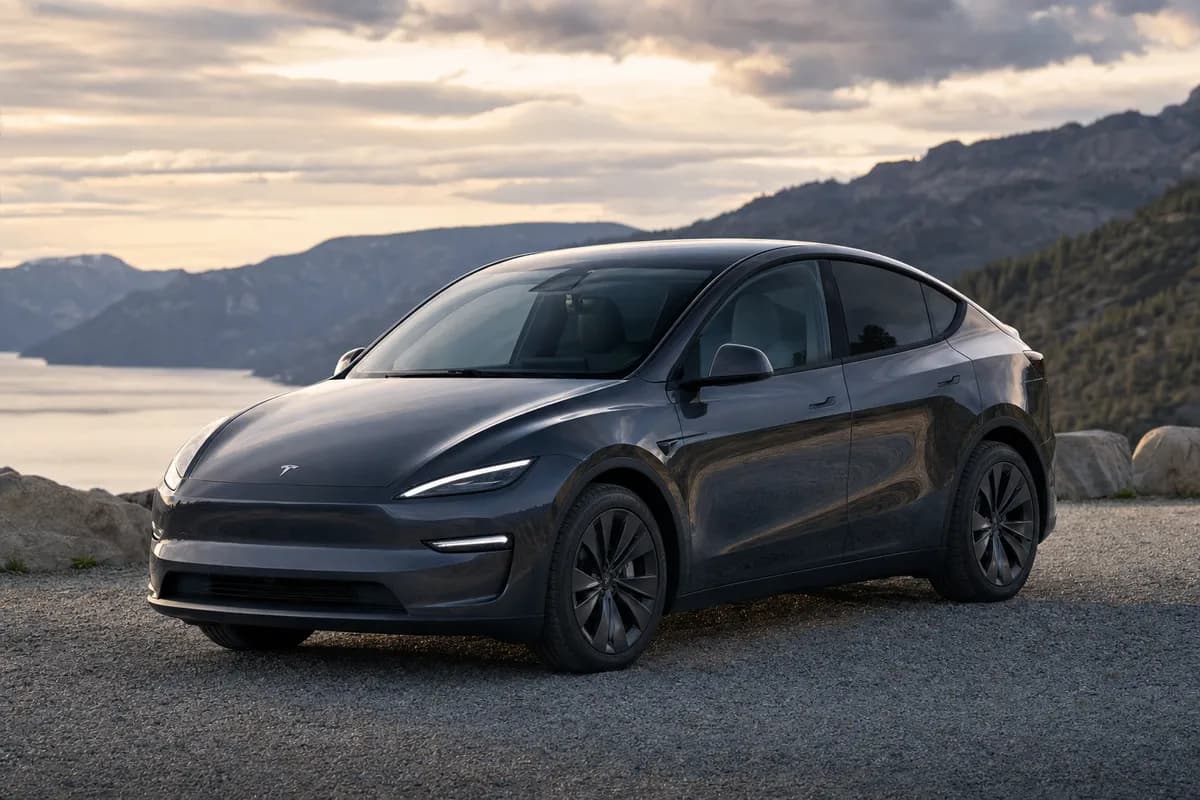
Tesla does not report U.S. sales by quarter, but analysts estimate domestic deliveries fell in the mid-single digits year-over-year as Model 3 refresh momentum faded and price cuts stabilized. In contrast, hybrid sales industry-wide jumped an estimated 28%, while battery-electric vehicle (BEV) sales grew just 6%, down from 40%+ growth rates seen in 2023.
Additionally, incentives averaged about $2,750 per vehicle in March, up nearly 18% from a year earlier, according to data cited by Bloomberg. That’s still below pre-pandemic norms, but the direction is clear: automakers are spending more to keep metal moving.
Why It Matters
The Q1 2026 auto sales results confirm a structural shift. Consumers aren’t rejecting electrification; they’re choosing a middle ground. Hybrids now account for roughly 12% of U.S. sales, up from about 9% a year ago, while EV share has plateaued around 8%, according to estimates from Cox Automotive and manufacturer disclosures.
That has real competitive consequences. Toyota, once criticized for being “late” to full EVs, is benefiting from its hybrid depth. Conversely, pure-play EV brands face margin pressure as growth slows. Having covered three product cycles, I can tell you this pattern is familiar: early adopters drive exponential growth, then the mainstream demands practicality and price discipline.
For consumers, this means more hybrid availability, shorter wait times, and less dealer markup. However, EV buyers may see targeted incentives rather than across-the-board price cuts. Moreover, automakers are carefully managing production to avoid the inventory glut that triggered heavy discounting in past downturns.
Advertisement
The Bigger Picture
To understand this quarter, you have to zoom out. Interest rates remain above 6% for many auto loans, according to Federal Reserve data, keeping monthly payments elevated. At the same time, average transaction prices hover near $47,000, as we explored in New Car Prices 2026 May Rise Again. Affordability, not ideology, is shaping demand.
Furthermore, federal EV tax credit rules tied to domestic sourcing under the Inflation Reduction Act continue to limit which models qualify, per guidance from the U.S. Department of Energy. As a result, some EVs effectively cost $7,500 more than consumers expect, dampening momentum.
Globally, the picture is similar. Europe’s EV growth has slowed to single digits in early 2026, as we noted in prior reporting, while China’s market faces overcapacity and export tensions. In fact, developments like the Chinese Cars US Market: Border Blockade Raises Alarm story show how geopolitics increasingly shapes product pipelines.
The non-obvious insight here: hybrids benefit from the same emissions regulations pushing EVs. Automakers can meet fleet-average CO2 and CAFE targets more flexibly with hybrids, buying time as charging infrastructure and battery costs evolve.
What the Competition Is Doing
Toyota is doubling down on hybrids, expanding production capacity in Kentucky and Indiana. Additionally, it’s selectively rolling out next-gen EVs like the updated bZ lineup, but without overcommitting volume. That balanced strategy looks prescient in this quarter’s results.
GM, by contrast, is pressing ahead with its Ultium-based EV rollout, targeting 200,000+ North American EV units in 2026, according to prior company guidance. However, it continues to rely heavily on full-size trucks and SUVs for profits. If fuel prices spike, that mix could quickly become a liability.
Ford is splitting the difference. It has scaled back some EV capacity plans while expanding hybrid offerings across F-150 and Escape. Meanwhile, Hyundai-Kia is executing one of the most diversified strategies: competitive EVs, strong hybrids, and aggressive pricing. Their combined U.S. market share now approaches 11%, nibbling at Detroit’s heels.
Tesla faces the most pressure. Without a fresh mass-market model below $30,000, it relies on software updates and margin management. In contrast, legacy automakers can offset slower EV growth with profitable ICE and hybrid sales.
What It Means for You
For buyers, the Q1 2026 auto sales breakdown suggests leverage is slowly returning. Inventory levels average around 65 days’ supply, up from under 40 days two years ago. Therefore, negotiating below MSRP is increasingly realistic, especially on certain EVs and slower-selling trims.
If you’re considering a hybrid SUV, expect better selection and fewer markups than in 2024. Meanwhile, truck buyers will still find firm pricing on high-demand trims like Silverado High Country or F-150 Platinum. However, fleet sales growth may keep base-model supply tighter than expected.
Additionally, buyers should factor in total cost of ownership. Insurance premiums and financing costs now play a larger role in monthly budgets than fuel savings alone. Tools like our Car Buying Tips 2026: Save and Avoid Price Hikes guide can help navigate shifting incentives and timing.
What to Watch Next
The next inflection point will be Q2 incentive spending. If inventory climbs above 75 days’ supply, expect more aggressive discounting by summer. Conversely, a strong spring selling season could stabilize pricing.
Moreover, watch how automakers adjust 2027 EV production targets during upcoming earnings calls. If multiple brands trim forecasts, it signals a longer hybrid-heavy transition. Finally, keep an eye on fuel prices and interest rate moves—both could quickly reshape demand.
The Upside
Hybrid buyers gain more options and better availability
This matters because: it signals a durable shift toward hybrids as the bridge technology defining the next five years.
The real takeaway from Q1 2026 auto sales isn’t that the market grew modestly. It’s that the center of gravity moved. Automakers betting exclusively on rapid EV adoption are recalibrating, while those with broad powertrain portfolios are quietly gaining share.
Over the next 2–5 years, expect a pragmatic transition rather than a revolution. The winners will be companies that balance regulatory compliance, consumer affordability, and product flexibility. The first quarter of 2026 suggests that balance—not bold promises—will define the decade.
Disclosure: This article may contain affiliate links. If you make a purchase through these links, we may earn a small commission at no extra cost to you. This helps support RevvedUpCars.com. Learn more.
Affiliate disclosure: some links on this page earn us a commission at no extra cost to you.
Mike Wrenchworth is the guy you call when something breaks, rattles, or makes a noise it shouldn’t. With 20 years as an ASE-certified master technician and a decade running his own independent shop in Austin, Texas, Mike has seen every automotive disaster imaginable—and fixed most of them. Now he shares his hard-won wisdom with RevvedUpCars readers, covering everything from basic maintenance to weekend restoration projects. Mike believes in doing it right the first time, buying quality tools, and never skipping the torque wrench. His garage currently houses a work-in-progress 1969 Camaro, a bulletproof Toyota Land Cruiser, and whatever his wife is driving this week. Mike’s philosophy: every car can be a great car with proper maintenance and a little mechanical sympathy.
Get the latest car reviews in your inbox
Join thousands of car enthusiasts. No spam, unsubscribe any time.



Comments
Leave a comment