New analysis: EV architecture benefits and skateboard platforms are reshaping electric vehicle design and automotive engineering trends for 2026. Read now.
In this article
Automakers are redesigning cars from the ground up, and the shift to EV architecture benefits is at the center of it. Over the past 18 months, nearly every major manufacturer—from General Motors to Hyundai to BMW—has accelerated plans for dedicated electric platforms rather than adapting gas-car underpinnings. The result isn’t just different powertrains; it’s a wholesale rethink of proportions, interiors, safety structures, and software.
This isn’t business as usual product planning. According to Reuters and company filings, global automakers are investing more than $500 billion collectively in electrification through 2030. Much of that capital is flowing into skateboard-style platforms that place batteries under the floor and motors at the axles. As someone who has covered three product cycles, I can tell you this pattern—platform reset, design reset, brand reset—is how eras change.
The Headlines
What: Automakers are shifting to dedicated EV-first skateboard platforms that transform vehicle design and packaging
Who: GM, Hyundai Motor Group, Volkswagen Group, BMW, Tesla and others
When: Accelerating through 2025–2026 model years
Impact: More interior space, new proportions, software-centric cabins—and potential cost advantages over time
Key Number: $500+ billion in global EV investment commitments through 2030 (company and IEA estimates)
What Happened
Throughout 2025 and into the 2026 model year, manufacturers have rolled out vehicles built on dedicated EV platforms rather than retrofitted internal combustion architectures. GM’s Ultium platform underpins the Chevrolet Equinox EV, Cadillac Lyriq, and Silverado EV. Hyundai’s E-GMP architecture supports the Ioniq 5, Ioniq 6, and Kia EV6. Volkswagen’s MEB platform carries everything from the ID.4 to Audi Q4 e-tron.
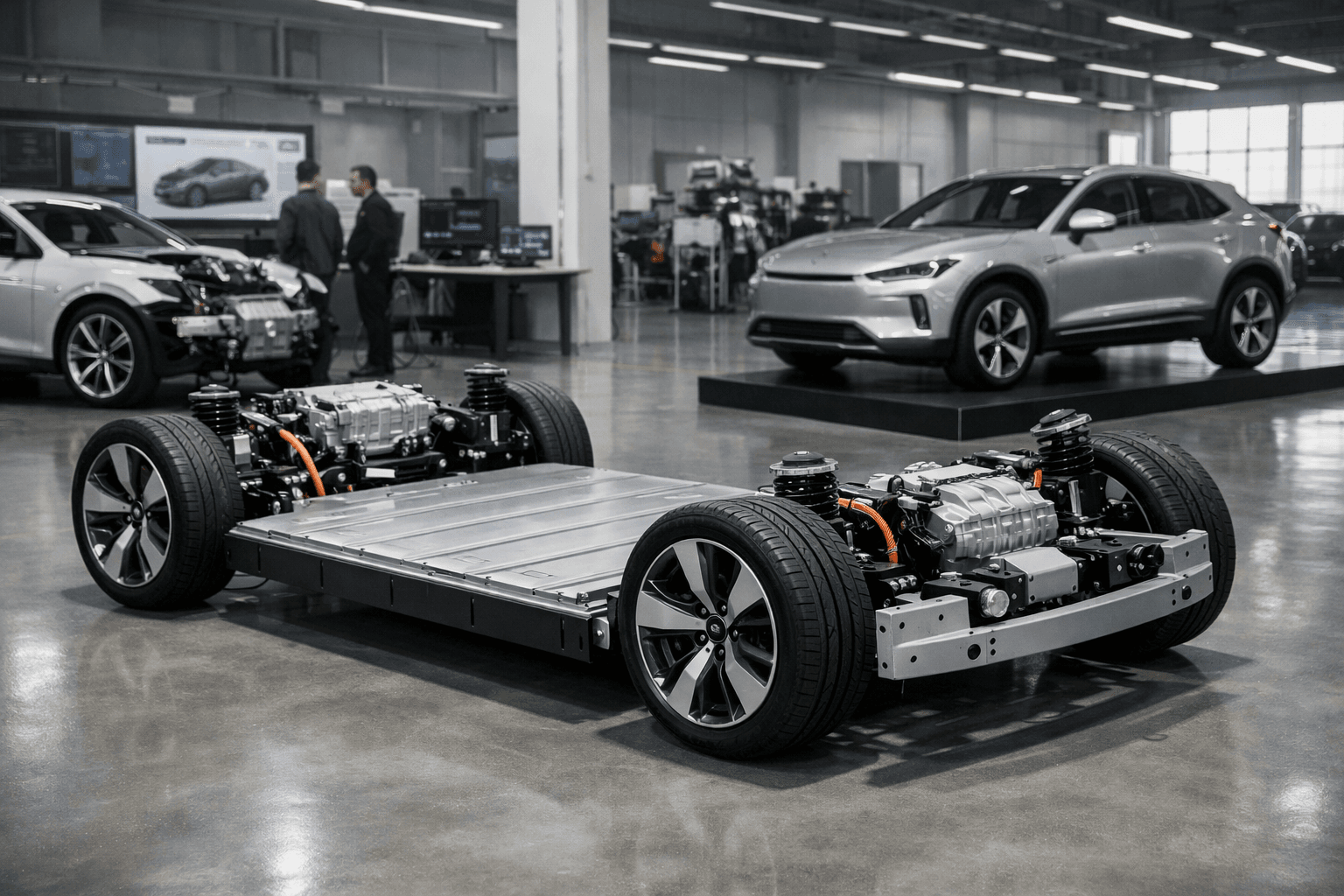
These skateboard platforms centralize the battery pack in a flat module beneath the cabin, with electric motors mounted at the front, rear, or both axles. According to GM’s investor presentations and filings with the SEC, Ultium allows up to 800-volt electrical systems and battery capacities exceeding 200 kWh in truck applications. Meanwhile, Hyundai says its E-GMP enables ultra-fast charging from 10% to 80% in as little as 18 minutes under ideal conditions.
Importantly, automakers are phasing out “conversion EVs”—electric versions of gasoline models sharing the same body shell. BMW’s Neue Klasse, launching in 2026 starting with the next-generation iX3 (see our BMW iX3 World Car: 2026 Win Shakes EV Market), marks a pivot to a fully electric-first architecture. According to BMW, the new platform cuts weight and improves range by up to 30% versus prior EV efforts.
However, this shift isn’t just about range numbers. It’s about packaging freedom. Without a bulky engine, transmission tunnel, or fuel tank, designers can stretch wheelbases, shorten overhangs, and create flat floors. The press releases say “revolutionary.” The reality is more nuanced—but the spatial gains are real.
Why It Matters
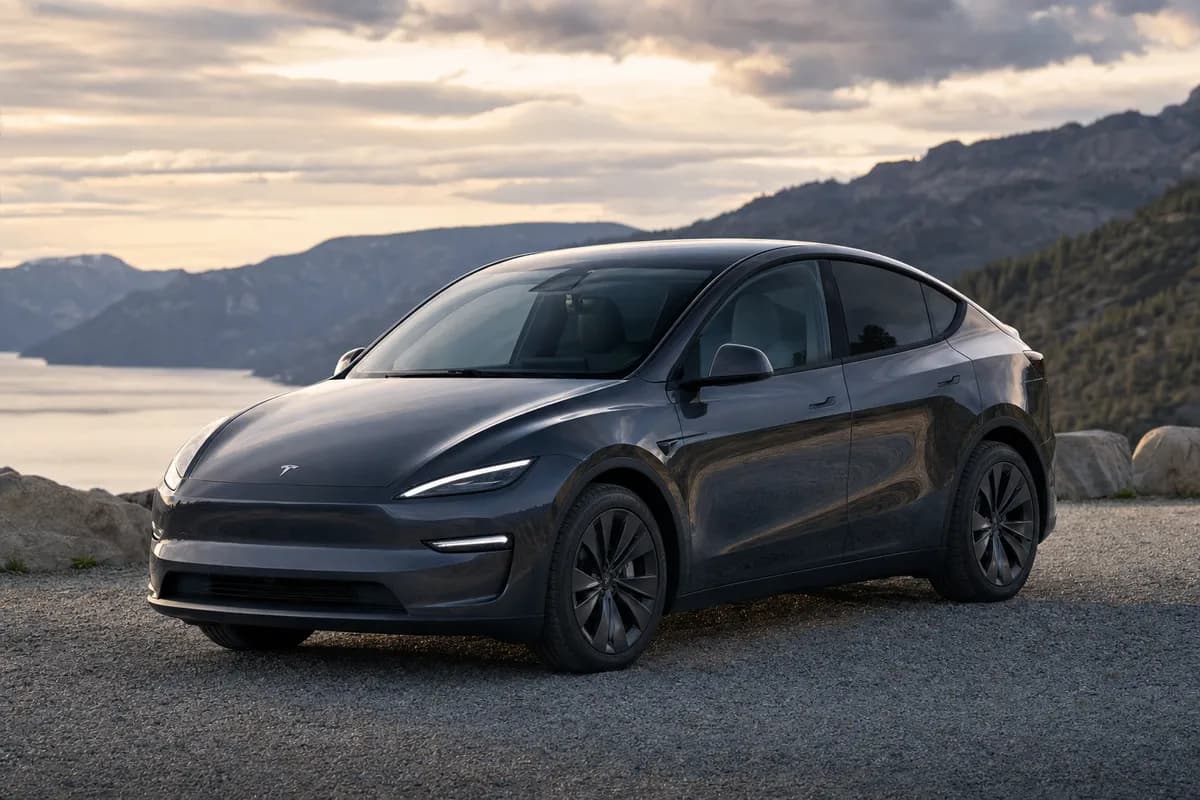
The most immediate EV architecture benefits show up in space efficiency. A Hyundai Ioniq 5, for example, offers interior volume comparable to some midsize SUVs despite compact exterior dimensions. Tesla demonstrated this first with the Model 3 and Model Y, which use minimalist dashboards and expansive cabin layouts to emphasize openness.
Additionally, safety engineering changes dramatically. With a rigid battery pack integrated into the floor, EVs can achieve lower centers of gravity and improved crash performance. The Insurance Institute for Highway Safety (IIHS) has noted improved rollover resistance in many EVs due to battery mass placement, though weight increases introduce new crash dynamics regulators continue to study.
Moreover, manufacturing efficiency becomes a long-term play. According to Reuters, several automakers aim to reduce part counts by up to 30% on dedicated EV platforms compared with legacy vehicles. Tesla’s gigacasting approach—using massive aluminum castings for front and rear structures—cuts complexity even further. Fewer parts theoretically mean lower costs, but only at sufficient scale.
Advertisement
For consumers, the impact is mixed. While some EVs still carry price premiums, increased platform standardization could ease pricing pressures. That matters in a market where new car prices in 2026 may rise again amid tariff uncertainty and battery material volatility.
The Bigger Picture
Historically, automotive eras shift when platforms change. The move from body-on-frame to unibody in the mid-20th century reshaped ride comfort and safety. Today, skateboard platforms are triggering a similar transformation in electric vehicle design and overall vehicle architecture.
Furthermore, government policy reinforces this trend. U.S. EV tax credit rules under the Inflation Reduction Act require North American battery assembly and specific mineral sourcing thresholds, according to the U.S. Department of Energy. As a result, automakers are localizing battery production and designing platforms around region-specific pack sizes and chemistries.
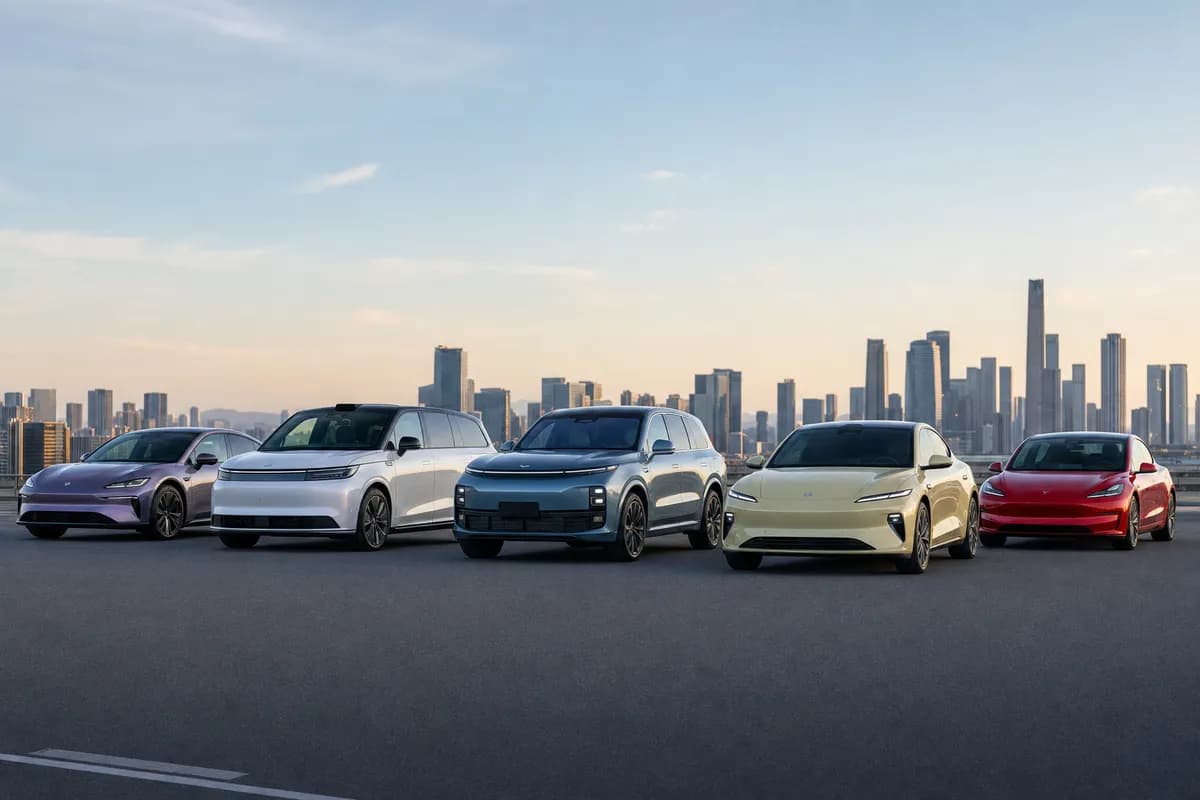
Globally, the momentum is uneven. Europe’s EV market share growth has slowed in early 2026 (as we covered in Europe EV Market Share Slows — Feb 2026), according to industry data and Bloomberg reporting. In contrast, China continues to expand EV penetration beyond 30% of new car sales, driven by domestic brands using highly flexible dedicated platforms.
Notably, the non-obvious insight here is brand differentiation. When everyone uses a flat battery and dual motors, differentiation shifts to software, charging ecosystems, and interior experience. Platforms become common; user interface becomes the battlefield.
What the Competition Is Doing
Tesla remains the benchmark for clean-sheet EV development. Its Model Y became one of the world’s best-selling vehicles in 2023 and 2024, according to industry estimates cited by Bloomberg. Tesla’s vertically integrated approach—battery cells, software, drivetrain—maximizes the advantages of its skateboard architecture.
Meanwhile, Hyundai Motor Group has aggressively leveraged E-GMP across Hyundai, Kia, and Genesis brands. The company plans 58 electrified models by 2030, per corporate targets (see Hyundai 58 Models by 2030: Market at Risk?). That scale spreads R&D costs and accelerates iteration.
Volkswagen Group, however, has faced software delays with its MEB platform. According to Bloomberg, VW has restructured its Cariad software unit after setbacks. The hardware may be solid, but software integration determines customer experience in modern EVs.
In contrast, Toyota has taken a more cautious path, mixing dedicated EVs like the bZ4X with hybrid-heavy strategies. While Toyota leads global hybrid sales, it risks falling behind in pure EV packaging advantages if skateboard-based designs define consumer expectations.
What It Means for You
If you’re shopping in 2026, understanding EV architecture benefits helps you decode value beyond range figures. Dedicated platforms often deliver better rear legroom, more cargo space, and smoother rides than converted gas models.
However, first-generation platforms can carry teething issues. Software glitches, battery recalls, and charging compatibility problems have surfaced across brands. Before signing, check manufacturer service bulletins and resources like NHTSA’s recall database at NHTSA.gov, and review our Car Recall Process: What to Do When Stop Sale Hits guide.
Additionally, consider timing. As production scales and battery costs gradually decline—though lithium price volatility remains—2027 and 2028 models may offer better cost parity with gasoline equivalents. That said, incentives and regional rebates can shift the math quickly.
What to Watch Next
Over the next two years, watch battery chemistry evolution. Solid-state development programs from Toyota, Nissan, and BMW aim for higher energy density and faster charging, though most analysts expect limited commercialization before 2028. If successful, these chemistries could further amplify skateboard platform advantages.
Furthermore, monitor profitability. According to automaker earnings calls in early 2026, several companies still lose money on certain EV models. True platform payoff arrives only when volumes reach hundreds of thousands of units annually.
The Upside
More interior space and better packaging efficiency
Lower center of gravity improves handling and rollover resistance
Potential long-term cost reductions through part consolidation
Enables faster charging and higher-voltage systems
The Concerns
High upfront R&D and factory retooling costs
Software integration challenges across brands
Heavier curb weights affect tire wear and repair costs
Profitability still uncertain for several mainstream EVs
Sarah's Industry Impact Rating: 8/10
This matters because dedicated EV platforms are redefining vehicle design, manufacturing economics, and brand competition for the next decade.
The era of retrofitted electrification is ending. As EV architecture benefits compound across safety, space, and software integration, automakers that commit fully to skateboard platforms will likely outpace those hedging their bets. The next five years won’t just determine who sells the most EVs—they’ll determine who designs the most compelling cars of the 2030s.
Having watched platform revolutions before, I can say this: once the industry rebuilds its foundations, it rarely looks back. Electric vehicle design is no longer an experiment. It’s the new baseline.
Disclosure: This article may contain affiliate links. If you make a purchase through these links, we may earn a small commission at no extra cost to you. This helps support RevvedUpCars.com. Learn more.
Affiliate disclosure: some links on this page earn us a commission at no extra cost to you.
Mike Wrenchworth is the guy you call when something breaks, rattles, or makes a noise it shouldn’t. With 20 years as an ASE-certified master technician and a decade running his own independent shop in Austin, Texas, Mike has seen every automotive disaster imaginable—and fixed most of them. Now he shares his hard-won wisdom with RevvedUpCars readers, covering everything from basic maintenance to weekend restoration projects. Mike believes in doing it right the first time, buying quality tools, and never skipping the torque wrench. His garage currently houses a work-in-progress 1969 Camaro, a bulletproof Toyota Land Cruiser, and whatever his wife is driving this week. Mike’s philosophy: every car can be a great car with proper maintenance and a little mechanical sympathy.
Get the latest car reviews in your inbox
Join thousands of car enthusiasts. No spam, unsubscribe any time.



Comments
Leave a comment