Sarah Greenfield analyzes Hyundai and Genesis' plan for 58 U.S. models by 2030 — bold expansion or market overload? Read our expert industry analysis now.
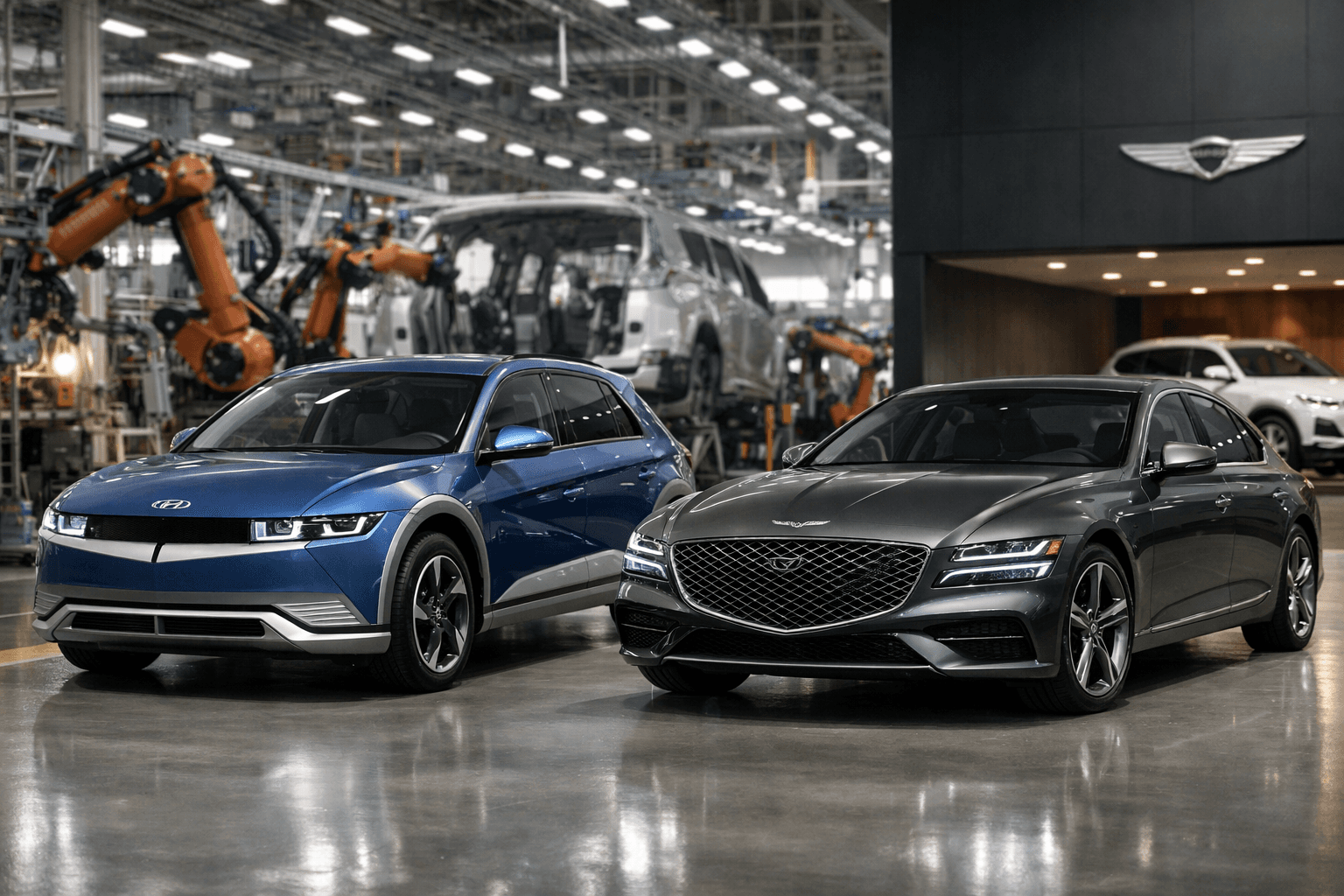
Hyundai Motor Group says it will launch or refresh 58 models in the United States by the end of the decade, a sweeping product blitz that includes both Hyundai- and Genesis-branded vehicles. The plan—unveiled during the company’s U.S. strategy briefing on April 10, 2026—puts the spotlight on Hyundai 58 models by 2030 as one of the most aggressive lineup expansions in the industry.
On paper, this looks like ambition. In practice, it raises a harder question: can the U.S. market absorb that many nameplates without cannibalization, dealer strain, and pricing pressure? Having covered multiple product cycles, I can tell you this level of expansion usually signals a company racing to secure market share before the next downturn.
Notably, Hyundai and Genesis already hold roughly 8–9% of the U.S. market combined, according to Reuters sales tallies for 2025. Expanding breadth rather than just volume suggests the group is betting on segmentation—more niches, more powertrains, more trims—as the path to growth.
The Headlines
- What: Hyundai Motor Group plans 58 Hyundai and Genesis models in the U.S. by 2030
- Who: Hyundai Motor America and Genesis Motor North America
- When: Rolling launches from 2026 through 2030
- Impact: Broader EV, hybrid, and performance lineup targeting U.S. market share gains
- Key Number: 58 total models planned for the U.S. market
What Happened
Hyundai executives confirmed the 58-model target during a U.S. media and investor event last week, outlining a mix of new EVs, hybrid variants, performance N models, and Genesis luxury entries. According to company materials, roughly half of the additions will be electrified in some form—battery-electric, plug-in hybrid, or traditional hybrid.
The group is leaning heavily on its U.S. manufacturing footprint. Hyundai’s $7.6 billion Metaplant America in Georgia began phased production in 2025, and executives say capacity will expand toward 300,000 units annually, with battery partnerships scaling alongside it. Additionally, Alabama and Georgia plants will continue producing combustion and hybrid models.
“We intend to offer customers more choices than ever before, across every major segment,” a Hyundai Motor America executive said during the briefing.
However, “more choice” often translates into more trims and derivatives rather than 58 entirely new vehicles. Industry analysts note that mid-cycle refreshes, body-style variations, and powertrain splits likely account for a significant portion of the count.
Why It Matters
The Hyundai 58 models by 2030 push reflects a broader industry pivot toward portfolio diversification. As EV adoption slows from its early-adopter surge—U.S. EV market share hovered around 8–9% in 2025, per estimates cited by Bloomberg—automakers are hedging with hybrids and extended-range offerings.
Meanwhile, Hyundai has quietly become one of the most consistent gainers in U.S. market share since 2020. Strong warranty coverage, competitive pricing, and improved design have moved it from value player to near-mainstream leader. Genesis, while smaller at under 1% U.S. share, has posted double-digit annual growth, according to company filings.
For consumers, this means more body styles and more electrified options at different price points. For dealers, it means inventory complexity. As we explored in Car Prices 2026: Buyer’s Market?, rising inventory and slower sales can quickly turn aggressive product plans into discount battles.
The Bigger Picture
This expansion comes amid trade and policy uncertainty. The Biden administration’s updated EPA emissions standards for model years 2027–2032—outlined at EPA.gov—effectively push automakers toward higher EV and hybrid penetration. Hyundai’s broad electrified mix looks like compliance insurance.
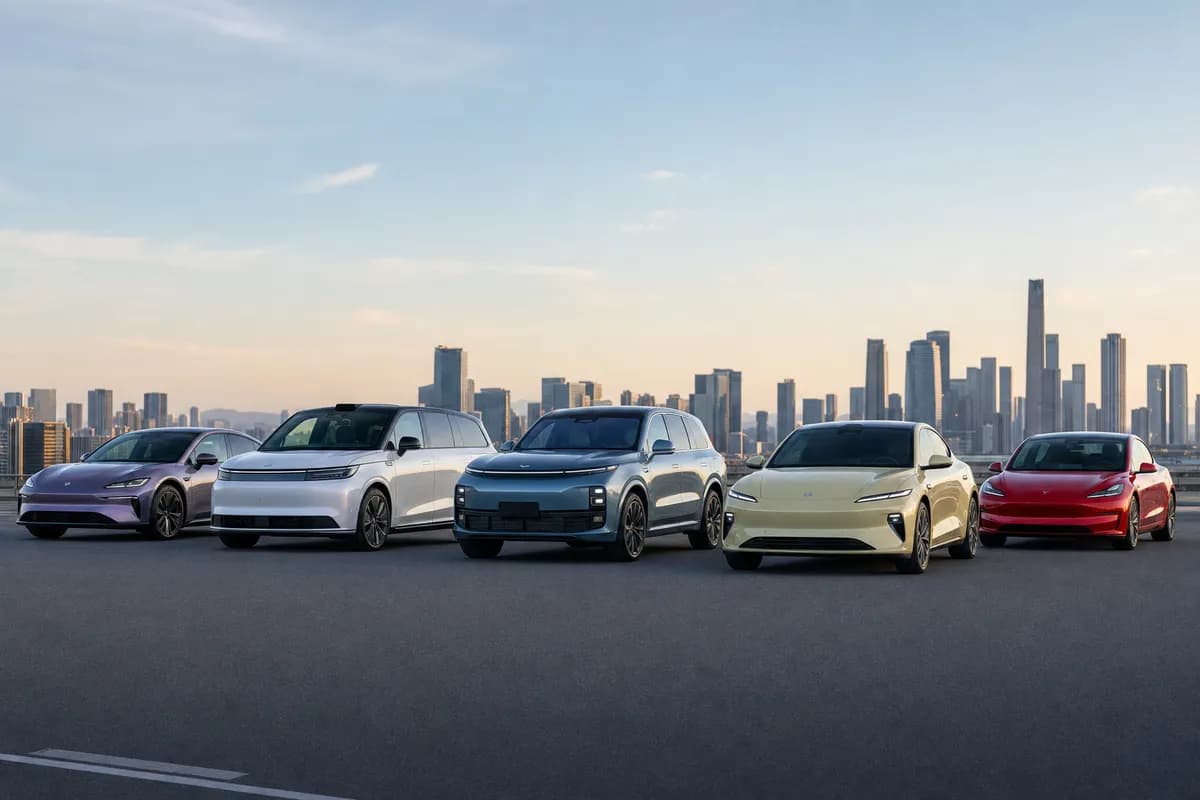
At the same time, global automakers face pressure from Chinese EV makers expanding abroad. While U.S. tariffs currently shield domestic markets, the innovation pace out of China remains intense, as we detailed in China EV Innovation: Is the U.S. Missing Out?. Hyundai cannot afford to be caught flat-footed.
In contrast, some rivals are consolidating lineups to cut costs. Volkswagen’s recent restructuring and regional pullbacks—see Skoda China Exit Signals Global Auto Slowdown—underscore how quickly expansion can become overreach if demand softens.
What the Competition Is Doing
Toyota continues to double down on hybrids, aiming for electrified versions of nearly every core model by 2030. However, Toyota has been more measured about full battery EV rollout in the U.S., citing charging infrastructure gaps.
Ford, by contrast, has pulled back on some EV production targets after slower-than-expected demand, according to Reuters auto industry coverage. Instead, it is emphasizing profitable trucks and hybrid variants.
General Motors plans 30 EVs globally by mid-decade but has delayed several launches. Meanwhile, BMW is targeting parity between EV and gas sales by 2030, as discussed in BMW EV Sales: Can It Match Gas by 2030?. Hyundai’s 58-model plan dwarfs many of these announcements in sheer breadth.
The risk? Internal overlap. The Tucson, Santa Fe, and Santa Cruz already compete in adjacent segments. Add multiple electrified versions and Genesis crossovers, and showroom differentiation becomes harder.
What It Means for You
If you’re shopping in 2026–2028, expect more Hyundai and Genesis choices at nearly every price band from $25,000 compact SUVs to $80,000 luxury EVs. Additionally, increased competition within Hyundai’s own lineup could translate into incentives and lease deals.
However, more models also mean faster obsolescence. A vehicle launched in 2026 may see a significant refresh by 2028. As a result, resale values could fluctuate more sharply, especially for first-generation EV entries.
For buyers prioritizing tech longevity, pay attention to software architecture and over-the-air capability. We’ve seen how quickly in-car systems evolve in Android Automotive update 2026: Is Google Car OS?. Hardware that can’t keep pace may age faster than the sheet metal.
What to Watch Next
First, watch production capacity at the Georgia Metaplant. If Hyundai can localize batteries and avoid tariff exposure, margins improve significantly. Second, track dealer inventory levels through 2027—too many models plus soft demand equals heavy incentives.
Third, monitor Genesis brand perception. Expanding from niche luxury player to multi-model lineup requires careful positioning. Mercedes and BMW have learned that flooding segments can dilute brand equity—see the broader cautionary tale in Mercedes V12 Future: Flagship Engine at Risk.
The Upside
- Broader electrified lineup improves regulatory compliance flexibility
- Greater consumer choice across price points and segments
- Expanded U.S. production reduces tariff and supply-chain risk
- Potential for competitive pricing through internal competition
The Concerns
- Risk of cannibalization and showroom confusion
- Inventory bloat if demand slows
- High capital expenditure during uncertain EV adoption rates
- Potential resale volatility for early-generation models
Sarah's Industry Impact Rating: 8/10
This matters because: A 58-model strategy reshapes competitive dynamics in the U.S. and signals Hyundai’s intent to move from challenger brand to structural top-tier player.
Ultimately, Hyundai 58 models by 2030 is less about flooding the market and more about hedging bets. Electrification, policy shifts, and consumer fragmentation demand flexibility. The companies that win the next five years won’t just sell more cars—they’ll offer the right mix at the right time.
The gamble is scale. If U.S. demand holds steady around 15–16 million annual sales, Hyundai’s expansion could lock in lasting share gains. If the market contracts, this bold plan may look more like overreach. Either way, the next product cycle just got far more competitive.
Disclosure: This article may contain affiliate links. If you make a purchase through these links, we may earn a small commission at no extra cost to you. This helps support RevvedUpCars.com. Learn more.
Get the latest car reviews in your inbox
Join thousands of car enthusiasts. No spam, unsubscribe any time.



Comments
Leave a comment