Learn how to choose snow tires vs all-season options for AWD, FWD, and RWD. Explore fitment, performance, and cost. Read our winter tires guide now!
Snow tires vs all-season isn’t a cozy academic debate—it’s the difference between cruising past stranded crossovers or starring in a ditch-side selfie. I’ve driven AWD SUVs on “all-weather optimized” rubber that felt about as confident as a penguin on roller skates. If you live anywhere winter means ice, slush, or temperatures below 45°F, this choice matters right now, not when the tow truck arrives.
Here’s the unpopular truth: drivetrain marketing has rotted people’s brains. AWD doesn’t magically create grip, FWD isn’t doomed, and RWD isn’t a death sentence—tires are the hero, always. Snow tires vs all-season comes down to compound, tread, fitment, and cost, not the badge on your tailgate.
I’ve tested winter setups on everything from a Subaru Outback to a BMW M340i xDrive and even a RWD Mustang GT. The results are hilariously consistent: good winter tires turn chaos into control, while all-seasons tap out early and blame physics.
Quick Specs
- Starting Price: approximately $800–$1,600 per set (check manufacturer website for latest pricing)
- Engine: N/A (tires don’t care about your horsepower fantasies)
- Power: Works with anything from 150 hp to 700 hp
- 0-60 mph: Shorter in winter with proper tires—often by 10–20%
- Fuel Economy: Winter tires typically cost 1–3 mpg vs all-seasons
Why Snow Tires vs All-Season Actually Matters
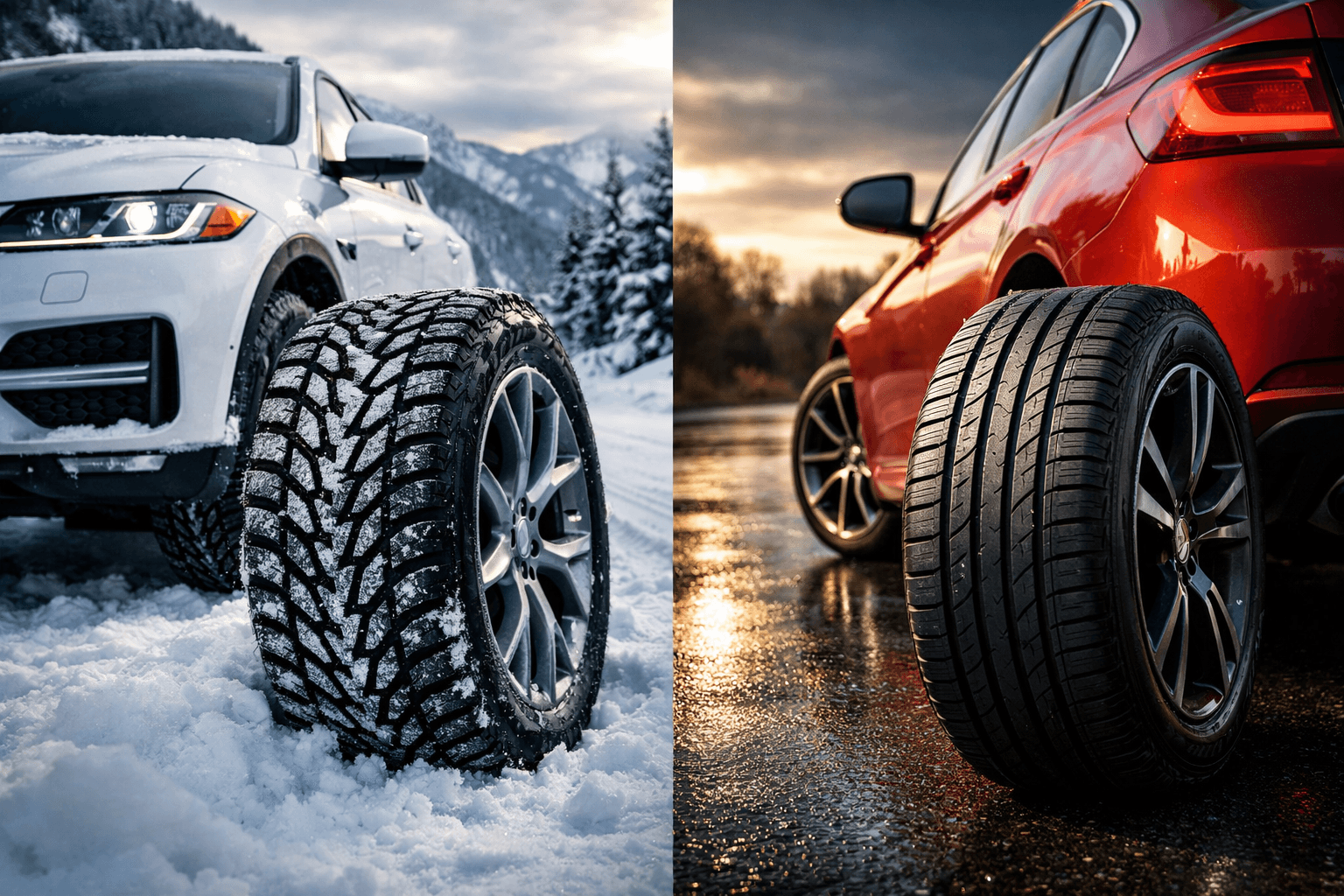
Winter tires use softer rubber compounds that stay pliable below 45°F, while all-seasons harden up like a bad excuse. That means snow tires can cut braking distances on ice by up to 30%, according to independent testing and my own white-knuckle experience. AWD helps you go, but tires help you stop—and stopping is usually the more important bit.
Competitors like the Michelin X-Ice Snow, Bridgestone Blizzak WS90, and Continental VikingContact 7 exist for a reason. Compare that to popular all-seasons like the Michelin CrossClimate2 or Goodyear Assurance WeatherReady, which are decent compromises but still compromises. Hot take: all-seasons are the Crocs of the tire world—fine everywhere, great nowhere.
Fitment 101: Size, Width, and the Skinny-Tire Truth
Wider is not better in winter, despite what your summer wheel setup tells you. A narrower tire cuts through snow and slush more effectively, which is why downsizing from a 245 to a 225 section width often improves grip. I’ve done this on a BMW 3 Series and gained confidence instantly.
Always match overall diameter to OEM specs to keep ABS and stability control happy, and stick with factory-recommended load and speed ratings. Tire Rack and manufacturer sites like Michelin make this idiot-proof, so there’s no excuse. Incorrect fitment is how you turn a smart upgrade into an expensive headache.
AWD Winter Setup: Helpful, Not Magical
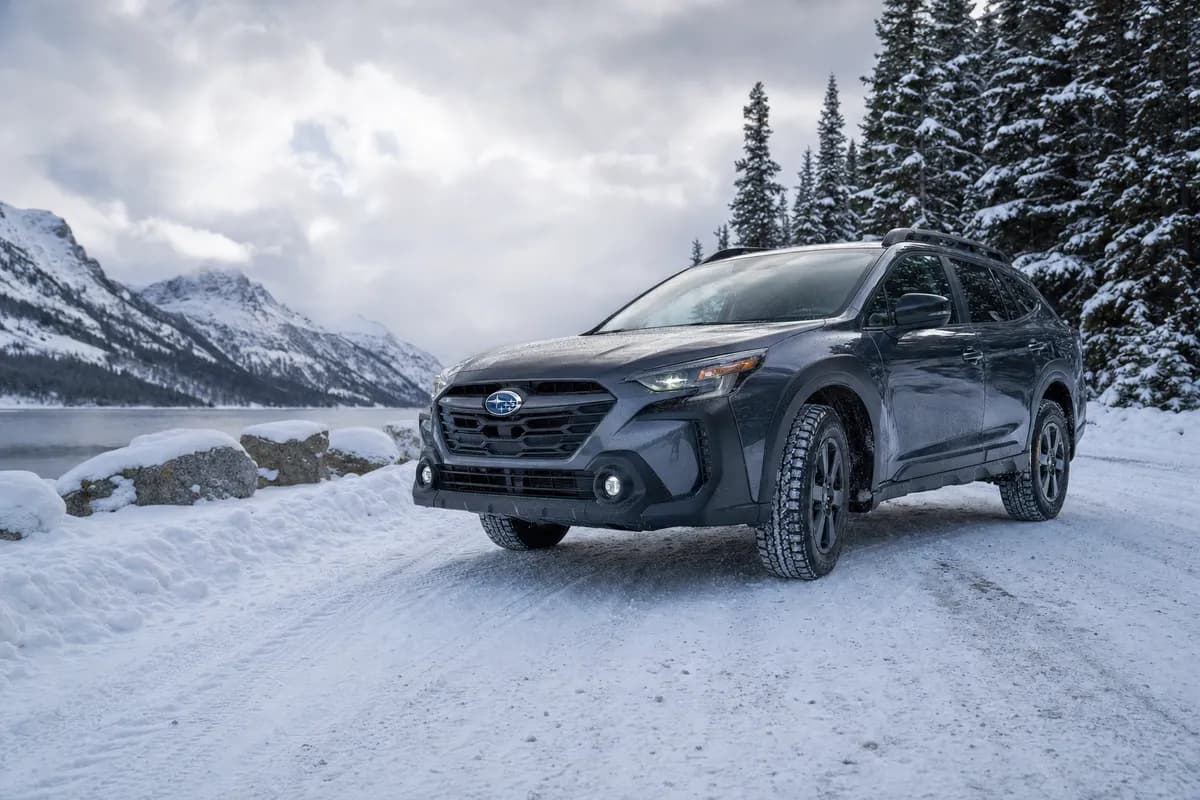
AWD with winter tires is winter mode on easy difficulty. Vehicles like the Toyota RAV4 AWD, Audi Q5 quattro, and Subaru Forester feel unstoppable with proper rubber, especially under acceleration. But I’ve also seen AWD cars on all-seasons slide helplessly at a four-way stop, wheels spinning like a corporate hype video.
The key is four matching winter tires—never mix winters and all-seasons. Staggered setups on performance AWD cars? Ditch them for winter. Grip imbalance confuses the drivetrain and turns traction control into a nervous wreck.
FWD in Winter: The Unsung Hero
FWD cars with snow tires are shockingly competent, full stop. A Honda Civic, VW Golf, or Hyundai Elantra on proper winters will embarrass heavier AWD SUVs on all-seasons in real snow. Weight over the driven wheels plus winter rubber equals confidence.
This is where snow tires vs all-season becomes laughably one-sided. Spend $1,000 on tires instead of $3,000 upgrading to AWD, and you’ll still come out ahead. For more real-world tips, check our deep dive on AWD vs FWD winter traction.
RWD Reality Check: From Terrifying to Totally Fine
RWD without winter tires is automotive roulette. With them, it’s… fine. Not rally-hero brilliant, but predictable and manageable, even in cars like the BMW 330i, Lexus IS350, or Dodge Charger.
Add 100–150 pounds of ballast over the rear axle if you want extra traction, and drive like a grown-up. I’ll say it: a RWD car on snow tires is safer than an AWD car on all-seasons. Fight me.
On packed snow, winter tires can deliver up to 2x the lateral grip of all-seasons. Braking from 30 mph on ice can drop from roughly 90 feet to 60 feet, which is the difference between stopping and swapping insurance details. Steering response will feel softer, but that’s the rubber doing its job.
Yes, winter tires squirm on dry roads and howl like a pub choir at highway speeds. That’s normal, and it’s the sound of grip insurance. If you want numbers, the EPA at FuelEconomy.gov notes the minor efficiency penalty is real but small.
Cost Breakdown: Short-Term Pain, Long-Term Win
A set of winter tires costs approximately $800 on a compact car and $1,400–$1,600 on SUVs. Add $100–$150 for mounting and balancing, or grab a dedicated wheel set to save money long-term. Spread over 4–5 winters, it’s cheaper than one collision deductible.
All-seasons wear faster when abused in winter, while winters stored properly last years. For emergency gear and seasonal prep, our January winter driving guide pairs nicely with this advice.
Common Mistakes That Ruin Everything
Mixing tire types, ignoring tire pressure (cold drops PSI fast), and assuming AWD equals invincibility are the big three. Another classic blunder is waiting until the first storm, when inventory vanishes faster than common sense. Plan ahead and you’ll save money and stress.
Also, don’t cheap out on no-name winter tires with mystery rubber compounds. Safety data from NHTSA consistently shows tires are a major factor in winter crashes, and quality matters.
Pros
- Massively improved braking and steering in winter
- Transforms AWD, FWD, and RWD confidence
- Long-term cost savings vs accidents and wear
- Predictable performance in snow and ice
Cons
- Upfront cost feels painful
- Slight MPG penalty
- Extra storage required
RevvedUpCars Rating: 9/10
Best for: Drivers who value control, safety, and smugly passing stuck SUVs in a snowstorm.
Snow tires vs all-season shouldn’t be a debate, but here we are. If winter where you live is more than a decorative suggestion, buy the proper tires, size them correctly, and ignore the marketing fluff. The final irony is delicious: the least glamorous upgrade is the one that makes you feel like a driving god.
Affiliate Disclosure: This article contains affiliate links. If you purchase through these links, we may earn a small commission at no extra cost to you. This helps support our work and allows us to continue providing free automotive content. Learn more about our affiliate policy.
Get the latest car reviews in your inbox
Join thousands of car enthusiasts. No spam, unsubscribe any time.



Comments
Leave a comment