May 2026 U.S. auto sales stayed resilient, but the mix shifted as EV growth cooled and hybrids surged—reshaping what 2026–2027 buyers will want.
May 2026 U.S. auto sales did not collapse. They also did not deliver the EV-heavy growth story many automakers were counting on just 18 months ago. The market is holding up, but the mix is changing fast.
May 2026 U.S. auto sales stayed firm, but the powertrain split got sharper
The headline from May 2026 U.S. auto sales is stability. Industry volume tracked close to year-ago levels on a selling-rate basis, supported by healthy fleet demand, resilient incentive activity, and consumers still willing to buy when monthly payments make sense. But under that steady top line, demand shifted harder toward hybrids and away from several mainstream EV nameplates.
That matters because automakers do not plan 2026 and 2027 products around headline volume alone. They plan around where demand is strengthening, where inventory is building, and where incentives are doing too much of the work. In May, the clearest message was that hybrids are carrying more of the market while EV growth is becoming narrower, more brand-specific, and more dependent on price.
For buyers, that means the next 12 to 18 months will bring more hybrid trims, more plug-in hybrid experimentation, and a more selective 2027 EV market outlook than many forecasts suggested last year. For manufacturers, it means product cadence and factory allocation are now being rewritten in real time.
Hybrids are doing the heavy lifting as EV demand cools outside the strongest nameplates
The strongest retail demand in May centered on vehicles that lower fuel use without asking buyers to fully commit to charging. That is the heart of the 2026 hybrid demand story. Shoppers facing high insurance costs, uneven public charging access, and still-elevated transaction prices are rewarding conventional hybrids with faster turns and lower incentive needs.
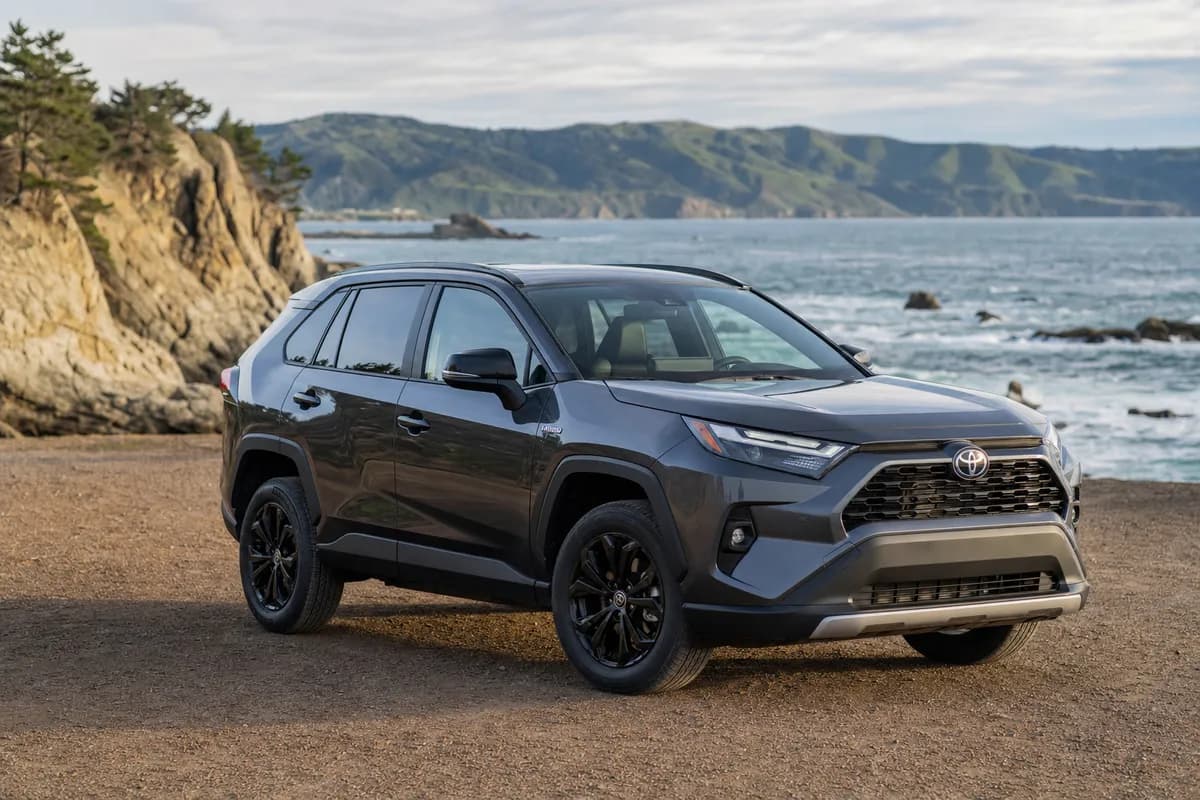
Toyota remains the clearest example. The Camry hybrid-only strategy is landing at the right time, while RAV4 Hybrid and Corolla Hybrid continue to benefit from Toyota’s long-established reputation for fuel efficiency and low ownership risk. Honda is seeing a similar effect with the CR-V Hybrid and Accord Hybrid, both of which fit mainstream family-car budgets better than many battery-electric alternatives.
Hyundai is also benefiting from this split market. While the Ioniq 5 and Ioniq 6 remain important EV halo products, Hyundai’s broader strength comes from keeping multiple propulsion options in showrooms, including hybrid Tucson and Santa Fe variants that appeal to buyers who want efficiency without changing habits. That flexibility is proving valuable as EV demand becomes less uniform.
By contrast, several non-Tesla EVs are selling more slowly unless supported by discounts, lease subsidies, or aggressive dealer-level promotions. That does not mean EV demand disappeared. It means EV demand is consolidating around a smaller group of strong products, stronger brands, and lower effective prices.
- Hybrids: strong demand, lower incentive pressure, broader geographic appeal
- Plug-in hybrids: growing strategic relevance, but still uneven by brand and region
- Mainstream EVs: demand remains real, but more sensitive to pricing and charging confidence
- Premium EVs: still active, but no longer immune to inventory and affordability pressure
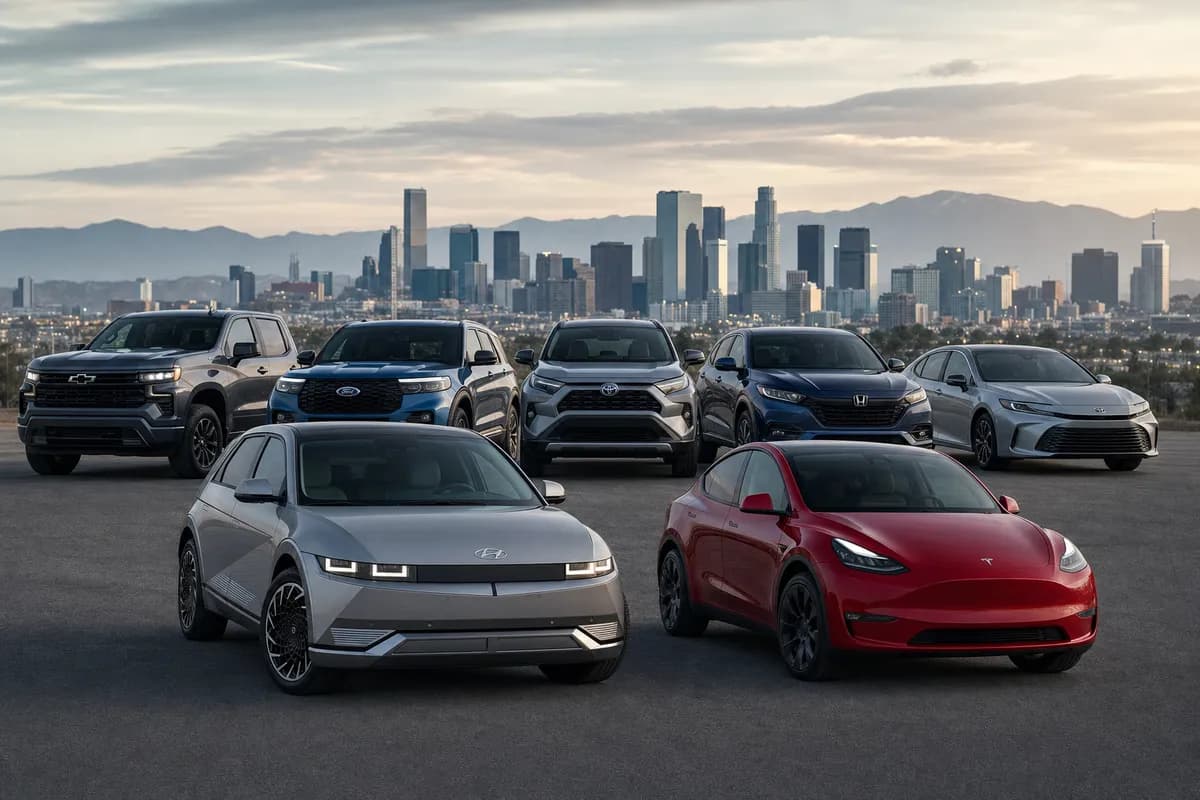
What GM, Ford, Toyota, Honda, Hyundai, and Tesla sales trends are signaling
The most useful way to read GM Ford Toyota Honda Hyundai Tesla sales data in May is not by asking who “won” the month. It is by asking which companies are aligned with what buyers want now.
GM
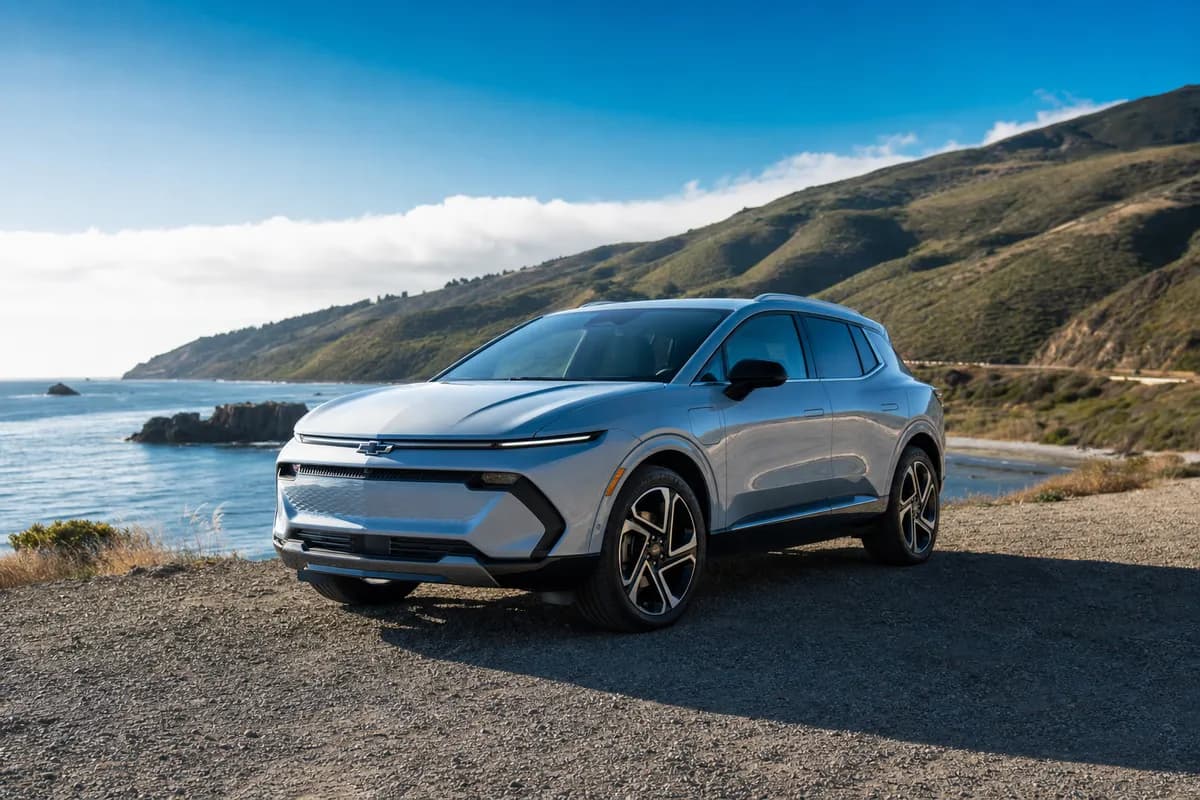
GM is still in the middle of a difficult transition. Chevrolet Equinox EV and Blazer EV have improved GM’s showroom EV credibility, and the Cadillac Lyriq has found a clearer luxury niche than some early skeptics expected. But GM’s broader U.S. strength still depends heavily on full-size pickups, large SUVs, and profitable ICE products.
That gives GM cash flow, but it also raises the pressure on its next move. Expect GM to stay committed to Ultium-based EV launches while leaning harder on lower-priced entries and improved lease economics. If hybrid demand stays this strong, GM’s lack of a broad hybrid lineup will look more exposed in 2027.
Ford
Ford’s sales story remains split between strong hybrid execution and a more complicated EV picture. The F-150 PowerBoost hybrid, Maverick hybrid, and Escape hybrid continue to match where mainstream demand is moving. Those products give Ford a practical hedge while Mach-E and F-150 Lightning demand remain more sensitive to incentives, charging concerns, and buyer payment tolerance.
That likely keeps Ford focused on cheaper EV architectures, software improvements, and measured volume rather than headline EV expansion. The company’s near-term advantage is that it already has hybrid products buyers understand and can actually get.
Toyota and Honda
Toyota and Honda look increasingly vindicated in their slower EV rollouts. Toyota has been criticized for not moving faster into battery EVs, but in the current market its hybrid-heavy portfolio is unusually well aligned with demand. Honda, while still building out its next-generation EV plans, is getting strong mileage from hybrids in core segments that matter most to U.S. retail buyers.
Neither company can ignore EVs forever, especially with regulatory pressure still shaping future product planning. But both can enter 2027 from a position of strength if hybrid demand remains elevated and battery costs do not fall quickly enough to reset mainstream EV affordability.
Hyundai
Hyundai remains one of the industry’s most balanced players. It has competitive dedicated EVs, improving U.S. production leverage, and a hybrid lineup that is gaining relevance as the market normalizes. That combination could make Hyundai one of the biggest winners if buyers keep demanding choice instead of all-EV commitment.
The company’s challenge is margin discipline. Selling both hybrids and EVs well is useful, but only if incentives do not erode the profitability advantage.
Tesla
Tesla is still the center of gravity for U.S. EV demand, but its position is changing. Model Y and Model 3 continue to define volume EV sales in ways rivals have not matched. Still, Tesla is working in a market where price cuts no longer create the same surge they once did, and where some buyers are now comparing a discounted EV with a high-demand hybrid instead of another EV.
That is a more competitive environment than Tesla faced in earlier growth phases. Its sales scale remains formidable, but the market around it is maturing, and that changes what success looks like.
What this means for 2026–2027 models and product planning
The implications for 2026 and 2027 models are already visible. Automakers will keep launching EVs, but many will moderate volume expectations and put more energy into hybrids, plug-in hybrids, and lower-cost variants. The lesson from auto industry news May 2026 is that buyers are not rejecting electrification. They are choosing the version that fits current economics and infrastructure.
Expect several product trends to define the next model years:
- More hybrid availability in core segments: compact SUVs, midsize crossovers, and high-volume sedans
- EV trims with sharper price targeting: fewer expensive configurations, more emphasis on monthly payment
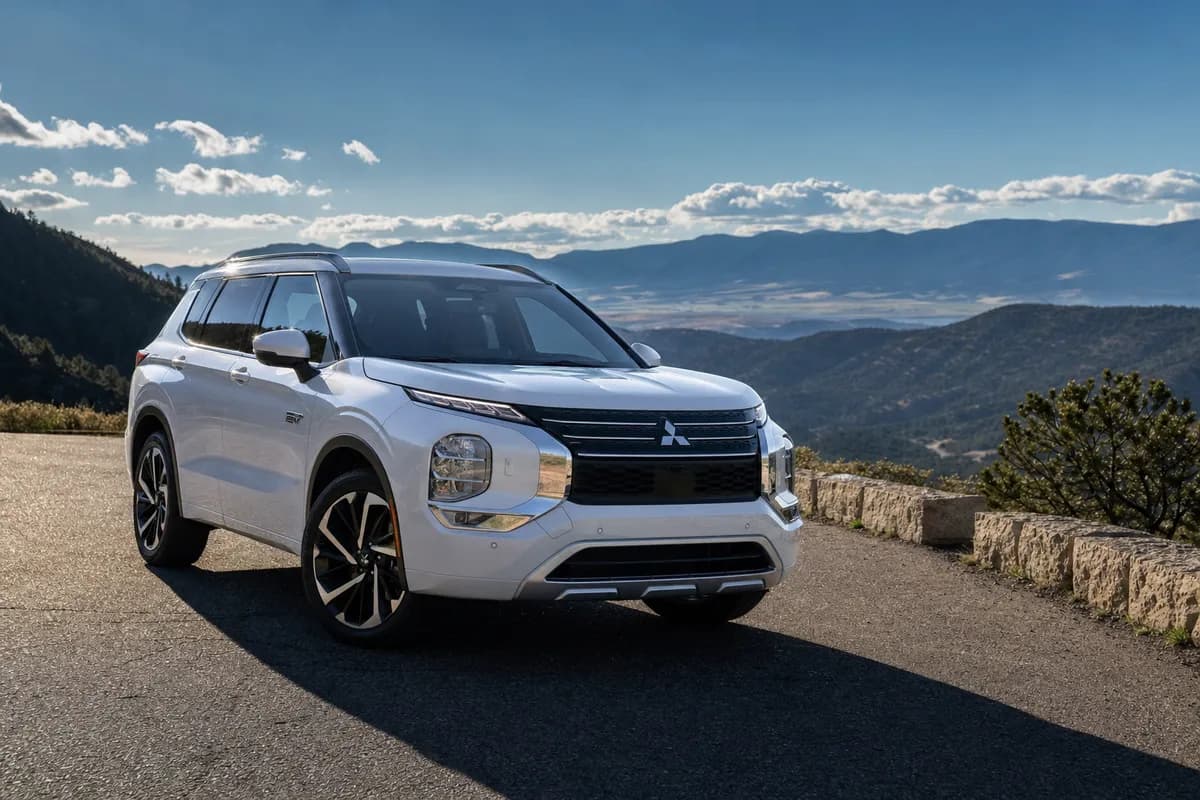
- Greater plug-in hybrid interest: especially for brands that need emissions gains without betting everything on BEVs
- Longer lifecycles for profitable ICE platforms: particularly trucks and large SUVs
- Selective EV launches: brands will prioritize vehicles with clear cost, range, or brand-positioning advantages
For GM and Ford, that means balancing EV investment with the reality that trucks and hybrid-adjacent strategies still fund the business. For Toyota and Honda, it means expanding electrified offerings without rushing into unprofitable EV volume. For Hyundai, it means using flexibility as a competitive weapon. For Tesla, it means staying cost-competitive as the market becomes less novelty-driven and more value-driven.
What buyers should watch next
Consumers shopping 2026 and 2027 models should pay attention to incentives, wait times, and trim strategy more than broad EV-versus-ICE rhetoric. The best deals may not always be on the newest EV. In many cases, the most sought-after vehicle will be a high-efficiency hybrid with limited discounts because demand is naturally strong.
Three buyer signals matter most over the next two quarters:
- Whether hybrid inventories stay tight. If they do, automakers will accelerate hybrid production and broaden trim availability.
- Whether non-Tesla EV incentives deepen. If they do, that signals demand still needs support.
- Whether charging confidence improves meaningfully. If it does not, mainstream EV adoption will remain slower than many product planners hoped.
Buyers also need to watch transaction prices rather than sticker prices. Lease support, financing offers, and regional incentives can change the value equation quickly, especially on EVs. Hybrids, by contrast, often win because they require fewer compromises even when discounts are thinner.
Verdict: the market is steady, but the next winners are the brands matching real-world demand
May did not produce a sales shock. It produced clarity. The U.S. market is still buying vehicles at a healthy rate, but it is rewarding hybrids more consistently than many automakers expected and demanding stronger value from EVs outside the top nameplates.
That makes the current 2027 EV market outlook more selective, not weaker. EVs will keep growing, but likely through better pricing, better charging access, and better-targeted products rather than broad market momentum alone. Until then, the safest bet for much of the industry is clear: build more of the hybrids buyers are already lining up for, and make EVs compelling enough that they do not need excuses.
Affiliate disclosure: This article contains affiliate links. RevvedUpCars may earn a small commission on qualifying purchases at no extra cost to you.