Subaru’s Trailseeker makes EVs feel ready for real trails and real families, with rugged style, useful range, and smart space for daily life.
Subaru finally built the EV its buyers actually asked for. The 2026 Trailseeker isn’t a science-project crossover chasing Tesla; it’s a square-jawed, wagon-ish electric family hauler aimed straight at the heart of America’s REI parking lot. The question is whether this electric Outback alternative has enough substance to beat the Hyundai Ioniq 5 XRT and Volkswagen ID.4 where it counts.
A Subaru EV That Actually Looks Like a Subaru
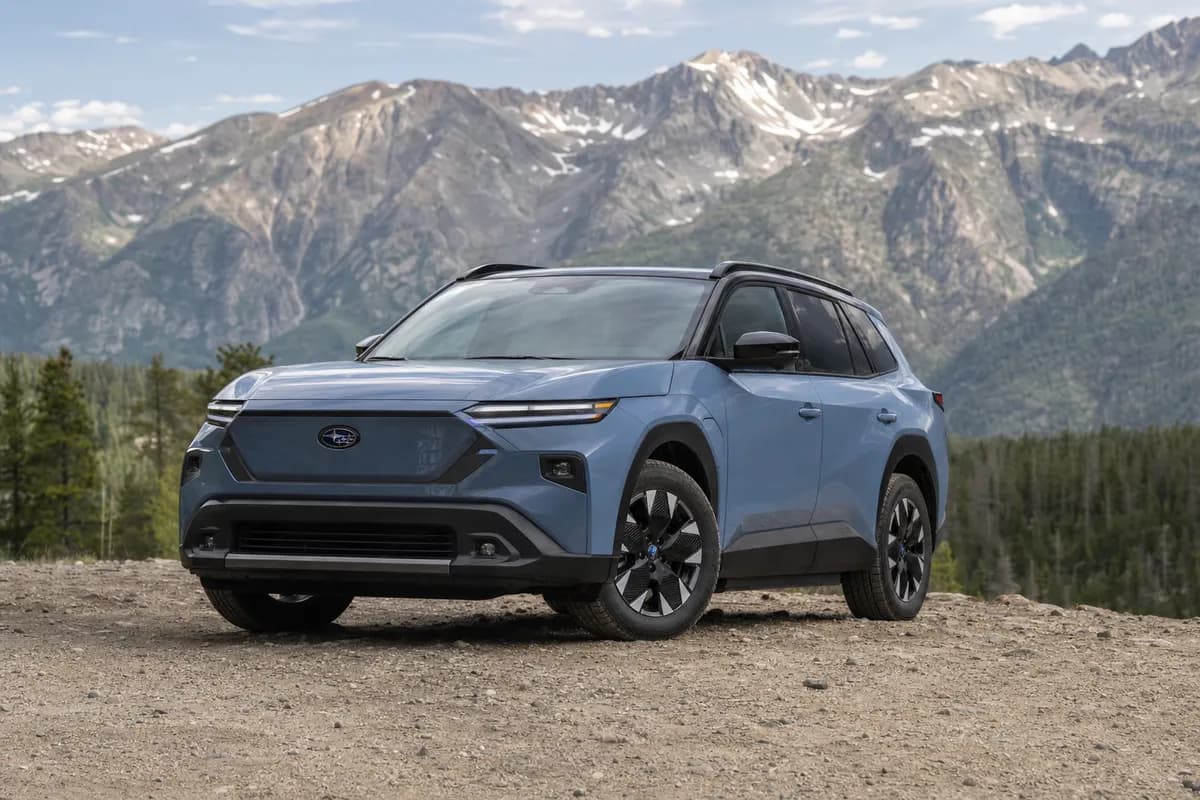
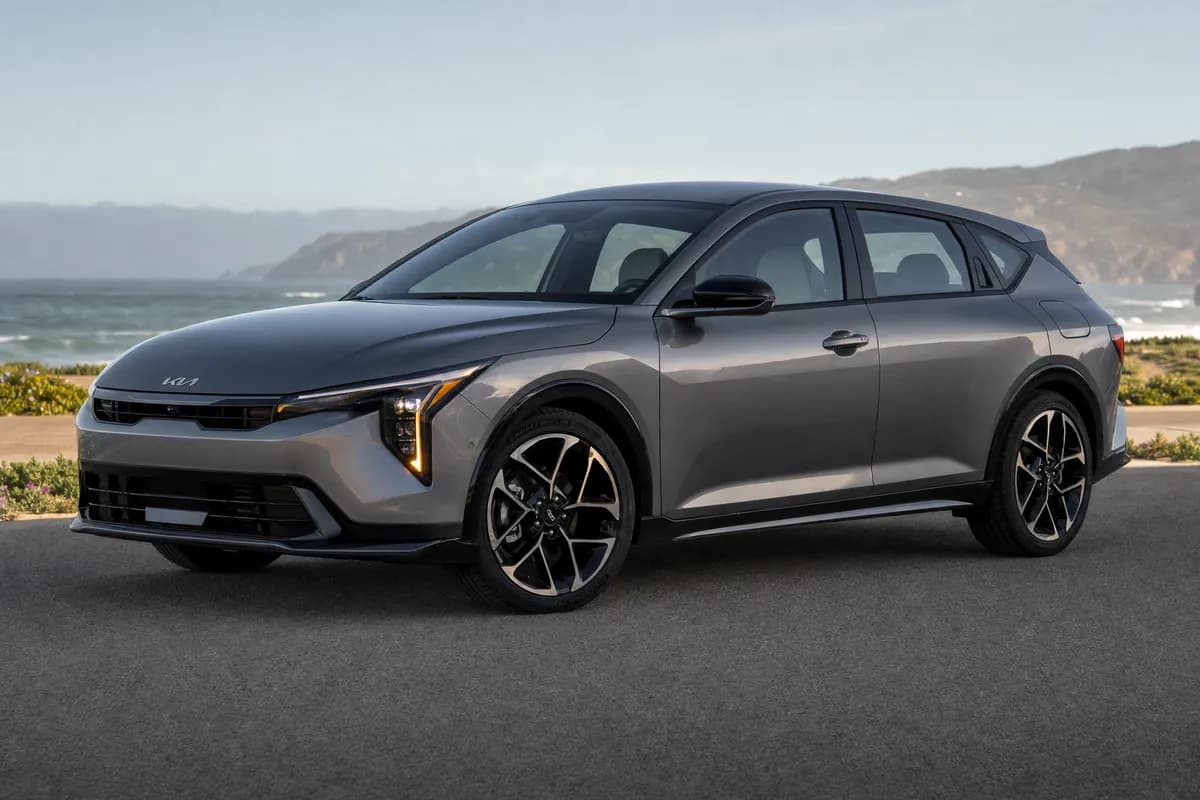
The basic pitch is dead simple: take the familiar outdoorsy Subaru formula, electrify it, and wrap it in tougher styling than the softer, rounder Solterra. The 2026 Trailseeker is longer and more cargo-friendly than Subaru’s existing EV, with a more upright tail, standard raised roof rails, and the kind of chunky cladding that screams “trailhead” even if most of these will spend their lives at Costco.
And frankly, that matters. Subaru buyers love identity as much as they love utility, and the Trailseeker nails the visual brief better than the Solterra ever did. It looks like an electric cousin to the Outback rather than a rebadged appliance, which is a big deal in a segment full of aerodynamic jellybeans.
Under the skin, Trailseeker shares much of its hardware with the Toyota bZ family and Solterra, but Subaru tuned the package around its own brand priorities. Dual-motor all-wheel drive is standard, output is rated at roughly 375 horsepower, and ground clearance comes in at about 8.3 inches. Those are useful numbers, not brochure fluff, because they position the Trailseeker as more than just a styling exercise.
On the Road: Quick Enough, Calm Enough, and Better Than the Solterra
On a first drive, the Trailseeker feels immediately more resolved than Subaru’s earlier EV effort. The extra power is obvious. This thing moves with real urgency from a stop, and while Subaru hasn’t turned it into a canyon-carving hero, it no longer feels like it’s apologizing for being electric.
Expect a 0-60 mph run in the mid-4-second range, or very close to it. That puts the Trailseeker right in the conversation with the Hyundai Ioniq 5 XRT, which makes 320 horsepower and is hardly slow, and comfortably ahead of most versions of the Volkswagen ID.4. For a family EV wearing hiking boots, that’s exactly the kind of effortless pace buyers want.
The steering is light but predictable, and the suspension tuning leans toward composure rather than fake sportiness. Good. An adventure-themed family EV should absorb battered pavement, expansion joints, and gravel access roads without turning every trip into a chiropractor appointment. The Trailseeker does that well, with a planted, quiet ride that suits long-haul use.
Body control is decent, though you still feel the mass when you hustle it. No surprise there. Like nearly every electric family SUV, this is a heavy machine pretending to be rugged and carefree while dragging around a giant battery pack.
Range, Charging, and the Numbers That Actually Matter
Subaru says the Trailseeker will offer more than 260 miles of range, depending on trim and wheel choice. That’s acceptable in 2026. It is not class-leading, and Subaru knows it.
This is where the Trailseeker starts giving up easy bragging rights to Hyundai. The Ioniq 5 family, even in adventure-flavored XRT form, benefits from Hyundai’s excellent E-GMP platform, faster charging capability, and in some versions stronger range figures. The Trailseeker’s likely DC fast-charging peak of around 150 kW is fine, but “fine” is not the same as competitive when Hyundai can be significantly quicker on a road trip.
The good news is that Subaru has finally moved to the NACS charging port, opening access to Tesla’s Supercharger network. That matters more in the real world than a lot of spec-sheet chest-thumping. A slightly slower car with easy access to reliable chargers can be a better family tool than a theoretically superior EV stuck waiting behind broken hardware at a random third-party station.
- 2026 Subaru Trailseeker: about 375 hp, AWD standard, 260+ miles estimated, roughly 8.3 inches ground clearance
- Hyundai Ioniq 5 XRT: 320 hp, AWD, around 259 miles EPA-estimated, faster charging on 800-volt architecture
- Volkswagen ID.4 AWD: 335 hp, AWD, up to roughly 263 miles depending on spec, less adventurous image but solid packaging
So where does the Subaru Trailseeker vs Hyundai Ioniq 5 XRT fight land on numbers alone? Hyundai still wins on charging sophistication. Subaru counters with more power, more ground clearance, and stronger brand credibility for buyers who actually care about muddy campsites and snowy cabins.
Family Practicality: The Reason This Car Exists
This is the Trailseeker’s strongest hand. The wagon-like roofline and squarer rear end give it a more useful cargo area than sleeker electric crossovers, and the cabin is designed around family duty rather than design-school minimalism. There’s generous rear-seat space, a flat floor, and the sort of easy ingress that parents notice immediately.
Subaru also gets the ergonomics mostly right. Physical controls still matter in a family car, especially when you’re adjusting climate settings with gloves on or trying to operate basic functions while a child in the back seat is having a full emotional event over the wrong snack. The Trailseeker doesn’t feel as digitally elegant as a Hyundai, but it feels easier to live with.
Material quality is solid if not fancy. Think durable over deluxe. That’s the correct call, because fake luxury in a Subaru adventure EV would feel as authentic as a Gore-Tex tuxedo.
There’s also the brand factor. Subaru has spent decades building trust with buyers who prioritize all-weather confidence, practical packaging, and low-drama ownership. Trailseeker plugs directly into that identity in a way the Solterra never really managed.
- Upright tail and longer roof improve cargo usability
- Standard AWD fits Subaru’s all-weather family mission
- Higher ground clearance than many EV rivals helps on rough access roads
- Cabin layout prioritizes usability over flashy gimmicks
Can It Really Beat the Hyundai Ioniq 5 XRT and Volkswagen ID.4?
Against the Hyundai Ioniq 5 XRT, the Trailseeker wins on identity and likely on rough-road confidence. It feels more authentically outdoorsy, not just cosmetically adventurous. But Hyundai still has the more advanced EV architecture, a more distinctive interior, and one of the best charging setups in the business.
Against the Volkswagen ID.4, Subaru has an easier time. The ID.4 remains spacious and comfortable, and recent power upgrades have made it more convincing, but it lacks the Trailseeker’s personality and off-pavement pitch. Volkswagen built a competent electric crossover. Subaru built one with a point of view.
That point of view matters in the 2026 market. Buyers shopping for the best electric family SUV 2026 aren’t just comparing battery sizes anymore. They’re buying use cases, vibes, and whether a car fits their life without requiring lifestyle cosplay.
Verdict: A Much Better Subaru EV, but Not the Class’s Charging Champ
The 2026 Subaru Trailseeker review boils down to this: Subaru finally made an EV that feels true to the badge. It’s quick, spacious, rugged-looking, and family-friendly in all the ways that matter. More importantly, it doesn’t feel like Subaru showed up late to the EV party carrying someone else’s homework.
As a Subaru Trailseeker first drive, this was encouraging. The ride is mature, the performance is stout, and the packaging is exactly what many buyers wanted from an electric Outback-adjacent vehicle. If your priorities are practicality, standard AWD, rough-road confidence, and Subaru-flavored usability, this is instantly one of the more appealing entries in the segment.
But let’s not kid ourselves. If charging speed and road-trip efficiency are your top priorities, the Hyundai Ioniq 5 XRT remains the sharper tool. If you want an EV with decent family packaging at the right price, the Volkswagen ID.4 still deserves a look.
My verdict: the Trailseeker is not the segment’s technical knockout, but it may be the one many buyers actually want. For Subaru loyalists and families wanting a credible electric Outback alternative, it’s the brand’s first EV that feels ready for prime time.
Bottom line: The 2026 Subaru Trailseeker doesn’t beat the Hyundai Ioniq 5 XRT on charging tech, but it absolutely beats Subaru’s own EV past. And for a lot of families, that mix of rugged style, useful space, standard AWD, and honest Subaru character will be enough to seal the deal.
Affiliate disclosure: This article contains affiliate links. RevvedUpCars may earn a small commission on qualifying purchases at no extra cost to you.