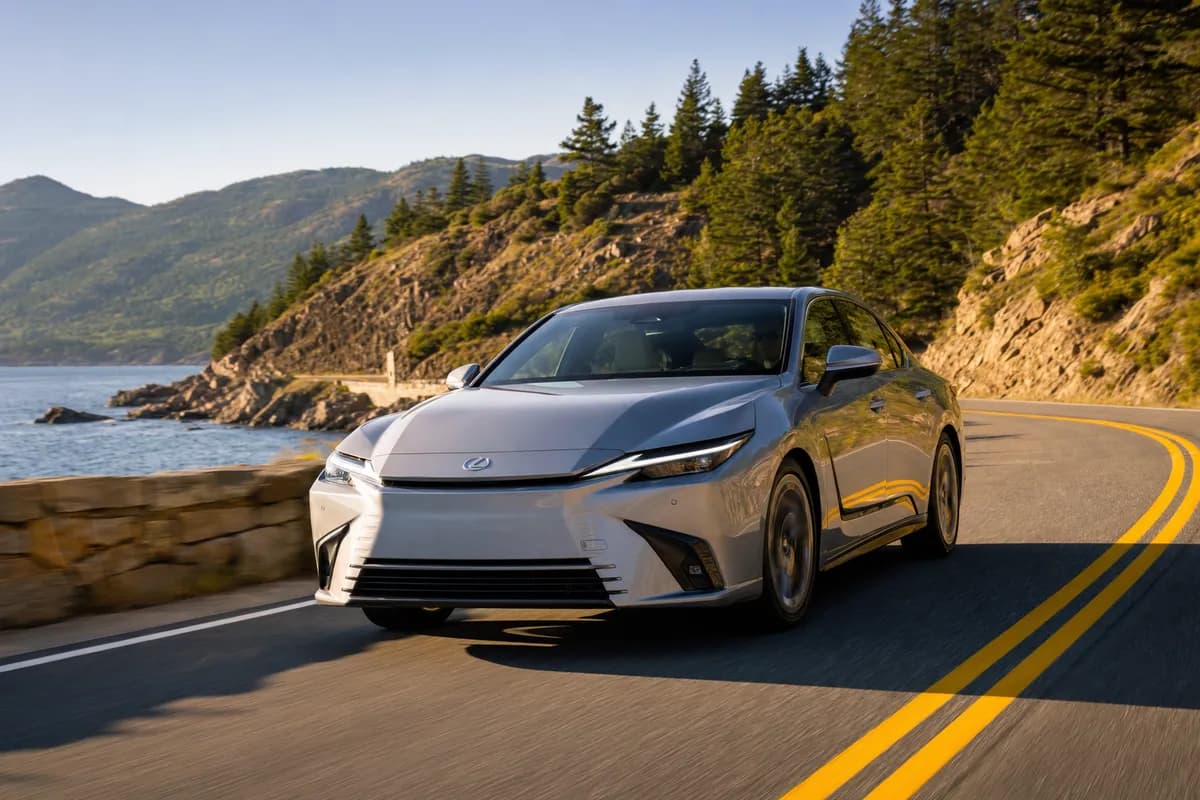
The 2026 Lexus ES Hybrid goes after BMW 5 and Mercedes E shoppers with comfort-first design and fresh tech that changes the conversation.
The old Lexus ES was easy to like and even easier to dismiss. It was the luxury sedan for people who wanted calm, thrift, and a dealer lounge with better coffee than the Germans — not the car that made a BMW 5 Series or Mercedes-Benz E-Class shopper hesitate.
The redesigned 2026 model changes that math. In this 2026 Lexus ES Hybrid review, the big question is simple: has Lexus finally built a comfort-first luxury sedan with enough polish, technology, and efficiency to be a real German alternative rather than the default “sensible choice”?
A Bigger Swing Than the Old ES Ever Took
The 2026 Lexus ES arrives with sharper styling, a more modern cabin, and a much heavier emphasis on electrification. Lexus is still leaning into what it does best — serenity, ride quality, and low-effort luxury — but this time it has wrapped those virtues in a package that looks and feels less rental-adjacent than before.
The headline model is the hybrid, and that matters. In a segment where the BMW 530i, 550e xDrive, Mercedes-Benz E350, and E450 all fight for buyers with varying mixes of efficiency and performance, Lexus knows the ES has to do more than merely undercut them on price.
Dimensionally, the new ES has grown into its mission. It feels every bit the modern mid-size luxury sedan, with generous rear-seat space and a lower, wider stance that gives it more presence than the outgoing car. Park it next to a 5 Series, and it no longer looks like the one that came to the meeting wearing orthopedic shoes.
Powertrain: Efficiency First, Pace Second
For this 2026 Lexus ES first drive, the hybrid is the model that best captures the car’s identity. Lexus has refined the hybrid system for smoother low-speed transitions, quieter operation, and stronger response when pulling away from traffic lights or merging onto the freeway.
No, this is not a sport sedan. If you are expecting the punch of a BMW 550e xDrive plug-in hybrid with 483 horsepower or the creamy surge of a Mercedes-Benz E450’s turbocharged inline-six, the ES Hybrid will feel modest. Lexus is aiming at the part of the market that wants excellent fuel economy, low running costs, and drivetrain smoothness over drama.
That strategy makes more sense than ever in 2026. A 2026 luxury hybrid sedan does not need to pin your spine to the seat to be convincing; it needs to make every commute, airport run, and three-hour interstate slog feel effortless. The ES does exactly that, and it does it while sipping fuel in a way the six-cylinder Germans simply cannot match.
- Lexus ES Hybrid: best for efficiency, low noise, and seamless around-town driving
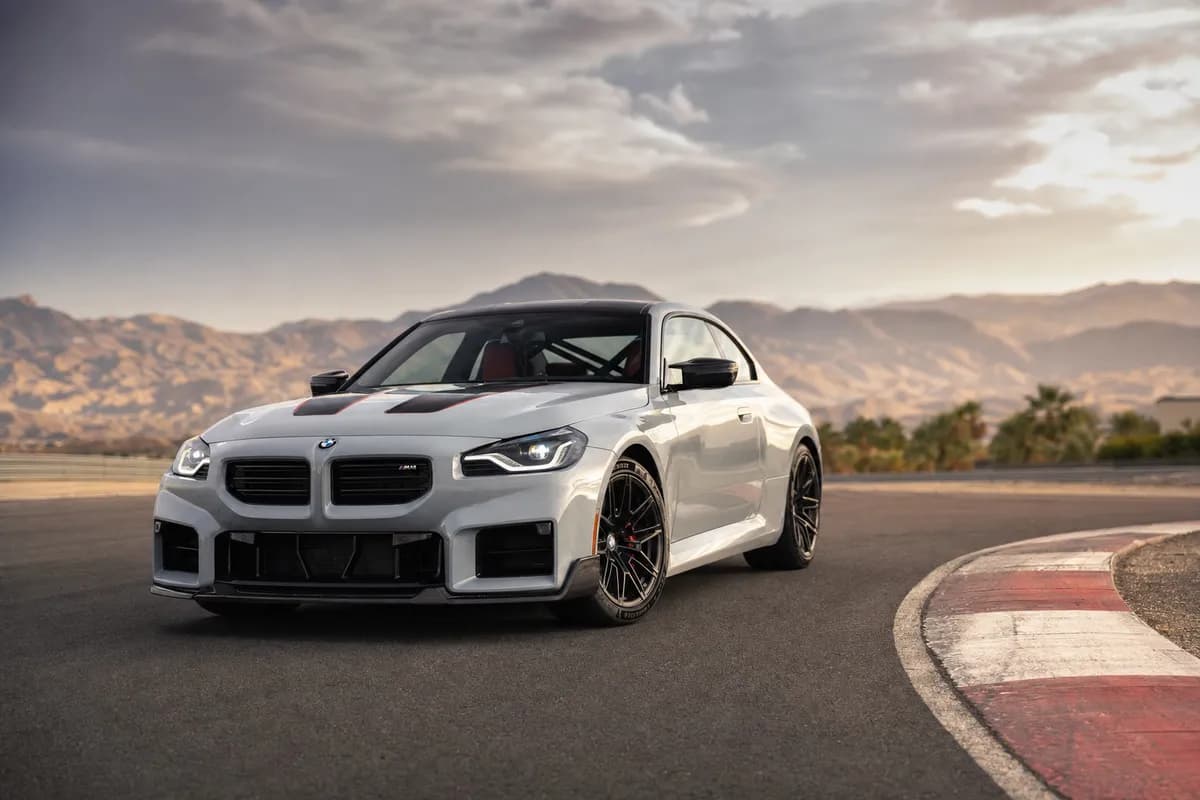
- BMW 530i: sharper handling and stronger brand cachet, but less serene and typically pricier when equipped similarly
- BMW 550e xDrive: dramatically quicker, but heavier, far more expensive, and more complex
- Mercedes-Benz E350: polished and tech-rich, though not obviously better in comfort-per-dollar terms
- Mercedes-Benz E450: richer powertrain, richer price tag, and less of an economy play
The Lexus still uses electrification as a means to an end, not as theater. That end is refinement. Throttle response is cleaner than before, and the power delivery feels less like a spreadsheet solution and more like a properly integrated luxury-car powertrain.
Ride and Handling: Comfort Is the Point, and Lexus Knows It
This is where the 2026 ES makes its best case. Lexus has not turned the car into a faux-sport sedan, and thank heaven for that. Too many manufacturers mistake stiffness for sophistication; the ES understands that a luxury sedan should isolate, settle, and relax.
On broken pavement, the suspension breathes with the road instead of crashing over it. Impacts are rounded off, body motions are well controlled, and highway composure is excellent. It does not have the last degree of steering precision or rear-drive adjustability you get from a 5 Series, but that is only a problem if you planned to attack an on-ramp like you are late to qualifying at Road Atlanta.
Compared with the current Lexus ES Hybrid vs BMW 5 Series debate, the split is now much clearer. The BMW remains the driver’s choice, with better steering feel, a more eager front end, and superior balance at speed. The Lexus is the better isolation chamber, and for a large chunk of luxury-sedan buyers, that is not a consolation prize — it is the whole brief.
The same goes for Lexus ES vs Mercedes E-Class. The E-Class still feels more expensive in the way it controls mass and in the subtle authority of its chassis. But the Lexus counters with a softer primary ride and a less busy, less digitally overcomplicated experience from behind the wheel.
Cabin and Tech: Finally Modern Enough to Belong in the Conversation
The old ES cabin was comfortable but dated. The 2026 interior is the first one that can stand next to a new 5 Series or E-Class without looking like it missed a software update and a design review.
Materials are rich where it counts, the seats remain among the best in the segment for long-distance comfort, and the dash design is cleaner than before. Lexus has also done the sensible thing and improved the interface without making the entire ownership experience dependent on finger gymnastics and submenu archaeology.
The new infotainment setup is faster, clearer, and easier to use. Connectivity, driver-assistance features, and display quality all take a major step forward, and that matters because the Germans have been dining out on tech superiority for years. Lexus has not necessarily built the segment’s flashiest system, but it has built one that feels current and less annoying to live with every day.
- ES strengths: seat comfort, cabin quiet, intuitive controls, strong value
- 5 Series strengths: sharper execution, better driving position for enthusiastic drivers, stronger performance options
- E-Class strengths: ambient luxury feel, advanced interface, polished road manners
- ES weakness: still less special if you equate luxury with outright speed or rear-drive dynamics
Rear-seat passengers will also notice the Lexus advantage. The ES has long been a strong second-row car, and the new model keeps that character intact. If your luxury sedan often doubles as a family car or executive shuttle, the Lexus makes a stronger case than some of its more style-led rivals.
Price, Value, and the German Question
Lexus has always won the value fight. The trouble was that the old ES often won it by being cheaper, not by being almost as desirable. The 2026 model gets much closer to doing both.
Even before final pricing and trim structure are fully parsed out, the formula is obvious. Expect the ES Hybrid to undercut equivalently equipped versions of the BMW 5 Series and Mercedes-Benz E-Class, while also delivering lower fuel costs and Lexus’s usual reputation for durability and resale strength.
That matters because luxury buyers are getting savvier. Once a 5 Series or E-Class is optioned with premium audio, advanced driver aids, upgraded interior trim, and the wheels the brochure photographer used, the price can climb fast. The Lexus tends to arrive with more of the good stuff included and fewer opportunities to get mugged by the order sheet.
The 2026 ES Hybrid is no longer the car you buy because you gave up on the Germans. It is the car you buy because you have done the math, driven the alternatives, and decided calm competence beats expensive posturing.
Verdict: A Real Alternative, but Not a 5 Series Replacement
Here is the clean verdict from this 2026 Lexus ES Hybrid review: yes, the new ES is finally a genuine alternative to the BMW 5 Series and Mercedes-Benz E-Class. It has the design, tech, cabin quality, and road manners to deserve cross-shopping rather than pity-shopping.
But let’s not get carried away. It still is not the enthusiast’s pick, and it does not have the dynamic polish, powertrain charisma, or prestige theater of the best German sedans. If your ideal luxury car needs to feel rear-driven, slightly arrogant, and ready for an autobahn at all times, the BMW and Mercedes still have the upper hand.
If, however, your priorities are comfort, efficiency, user-friendly technology, strong value, and the ability to emerge from a 300-mile drive feeling human, the 2026 Lexus ES Hybrid might be the smarter car. More importantly, for the first time in a long time, it also feels like the more complete one.
The Germans still win on swagger. The Lexus now wins on substance with far fewer compromises, and that makes it one of the most convincing entries in the 2026 luxury hybrid sedan class.
Affiliate disclosure: This article contains affiliate links. RevvedUpCars may earn a small commission on qualifying purchases at no extra cost to you.