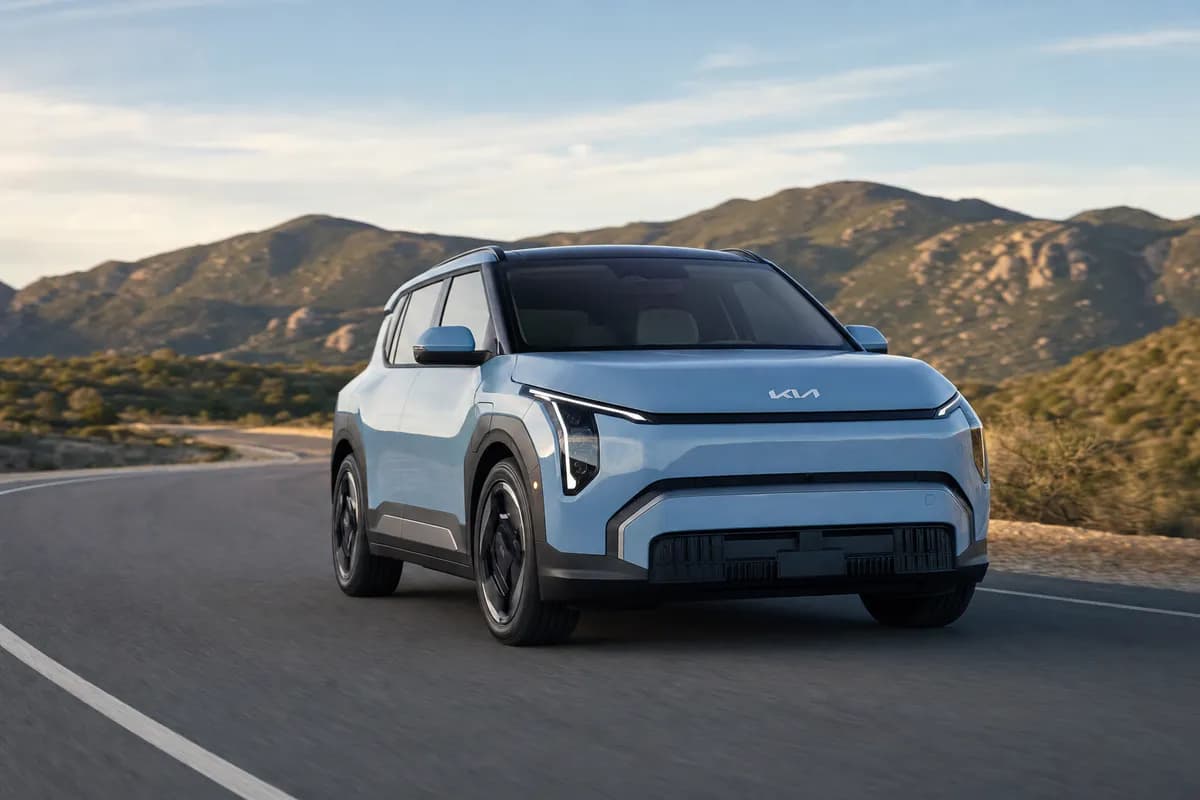
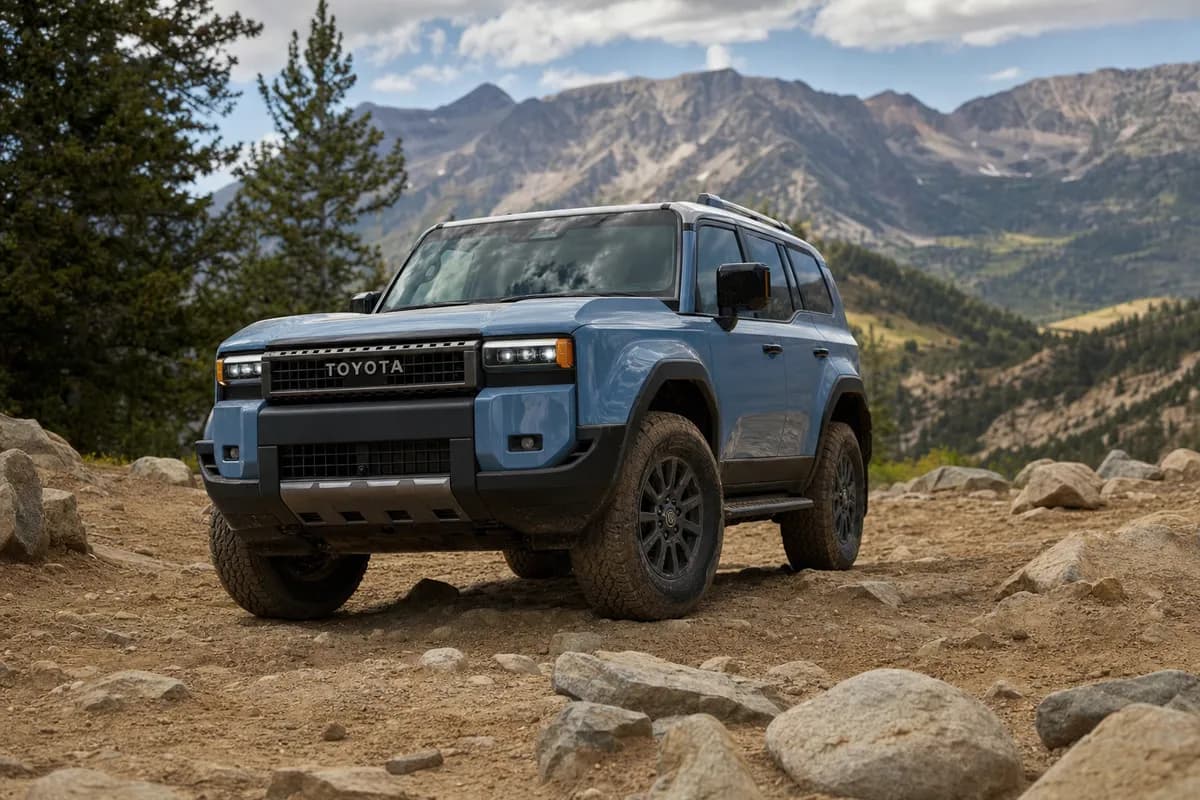
The 2026 Kia EV2 proves small doesn’t mean compromised, delivering grown-up refinement, smart city usability, and promising real-world range.
Cheap EVs used to feel cheap. The 2026 Kia EV2 is the first small battery hatch in a while that seems determined to stop apologizing for its size. After a first drive, the surprise is not that it works in the city — it’s that it feels more grown-up than some pricier rivals.
A small EV with bigger ambitions
The EV2 slots beneath the EV3 in Kia’s electric lineup, and that matters because this is where the real fight is now. Not six-figure electric toys, not bloated family SUVs — just sensible, everyday cars priced for people who still remember what money is worth. In Europe, Kia is targeting a starting price of roughly €30,000, putting the EV2 squarely in the same shopping basket as the Volvo EX30, Mini Aceman, Renault 5 E-Tech, Citroën ë-C3, and higher-spec versions of the Fiat 600e.
On paper, the EV2 follows the familiar recipe. It’s a compact front-wheel-drive crossover-hatch based on Hyundai Motor Group’s smaller EV architecture, expected with battery options around 58.3kWh and 81.4kWh, depending on market and trim. Kia is talking about a maximum WLTP range of up to roughly 273 miles, which is enough to sound credible rather than heroic.
That number matters because Kia has not chased gimmicks. There’s no fake sportiness, no giant wheels trying to cosplay as premium hardware, and no packaging tricks that make rear passengers feel like carry-on luggage. The EV2 is aimed at buyers who want one car to do everything: commute, school run, supermarket, and the occasional motorway slog without becoming an exercise in battery anxiety.
2026 Kia EV2 first drive: the refinement surprise
The first thing the EV2 gets right is ride quality. On broken urban pavement, patched country roads, and sharper expansion joints, it has the kind of body control you expect from a larger hatchback, not a budget-minded compact EV. That alone gives it a big advantage over the Volvo EX30, which can feel fidgety and abrupt on larger wheels, and over the Mini Aceman, which leans hard into Mini’s traditional firm-edged setup.
Kia’s damping is mature. There’s enough compliance at low speed to stop the car feeling brittle, but it doesn’t flop around when the road starts asking questions. You notice the tuning most when you hop out of rivals: the EV2 simply feels calmer, quieter, and less eager to remind you that small EVs are usually engineered to a cost.
Steering is light but accurate, which is exactly what this class needs. A Mini still turns in with more mischief, and the EX30 has stronger straight-line punch in its more powerful forms, but the EV2 feels more honest. It’s easy to place, easy to trust, and doesn’t pretend it’s a hot hatch when it plainly isn’t.
Expect outputs broadly aligned with Kia’s compact EV strategy, with single-motor versions in the around 201bhp bracket for upper trims and lower-powered entry versions to keep pricing sensible. In real-world use, that’s plenty. The EV2 gets off the line smartly, merges onto faster roads without drama, and never feels undernourished unless you’ve just stepped out of a dual-motor performance EV and temporarily lost perspective.
Range, charging, and the numbers buyers actually care about
Range claims are cheap. What matters is whether a small EV can do 200-plus real miles in mixed driving without turning every trip into a charging strategy meeting. Based on Kia’s battery sizes, efficiency targets, and what we’ve seen from the group’s latest hardware, the EV2 looks well placed to deliver around 210 to 240 miles in realistic use in the larger-battery version, depending on temperature, speed, and wheel size.
That puts it in a strong position. A Volvo EX30 Single Motor Extended Range officially offers up to 298 miles WLTP, but the Volvo’s real-world efficiency can vary more than the brochure suggests, especially when driven briskly or on larger wheels. The Mini Aceman SE, by comparison, sits lower at around 252 miles WLTP, and Mini’s style-first packaging does not compensate if you’re shopping with your head.
Charging should be another EV2 strength. Kia’s smaller EVs are expected to support DC fast charging at around 120kW to 150kW depending on version, enough for a 10-80% top-up in roughly 25 to 30 minutes. That is not class-leading theatre, but it is fast enough to make the car useful beyond city limits, and Kia’s charging logic is usually less annoying than some rivals’ overcomplicated menus and optimistic route planning.
- Kia EV2: up to about 273 miles WLTP, likely 210-240 miles real world, around 25-30 min 10-80%
- Volvo EX30 Single Motor Extended Range: up to 298 miles WLTP, quicker in a straight line, less settled ride
- Mini Aceman SE: up to around 252 miles WLTP, stylish and fun, but less rational on space and value
The more relevant point is this: the EV2 appears to deliver the least stressful ownership proposition of the three. No fireworks. No obvious weak link. Just sensible range, credible charging, and the sort of efficiency that should keep electricity bills from becoming another monthly irritant.
Urban practicality: where Kia usually embarrasses the stylish options
This is where the EV2 starts landing punches. Kia understands packaging better than brands that spend too much time mood-boarding “premium urban lifestyles,” and the EV2 benefits from a boxier, more upright shape than the sleeker EX30 and fashion-conscious Aceman. Headroom is generous, the glass area helps visibility, and rear-seat access is easier than in both main rivals.
Cabin design is clean without being barren. That matters because too many new EV interiors confuse minimalism with deleting useful things. Kia keeps physical shortcuts for key functions, integrates the digital displays sensibly, and avoids the design-school nonsense that makes basic tasks harder than they need to be.
Storage is thoughtful too. The floor is flat, the rear bench folds usefully, and the boot looks competitive for the class — likely in the 300-400 litre window depending on final spec and measurement method. That should put it close to the Mini Aceman’s 300 litres and in the same ballpark as the Volvo EX30’s roughly 318 litres, but Kia’s squarer shape makes its space easier to use.
- Better rear-seat access than Volvo EX30 and Mini Aceman
- More upright cabin gives a roomier feel than the exterior size suggests
- Clearer ergonomics than many touchscreen-heavy rivals
- Likely stronger value-per-mile than premium-badged alternatives
The EX30 still wins on badge appeal and available performance. The Aceman wins if your primary requirement is to park something fashionable outside a coffee shop. The EV2 wins the part of the ownership experience that happens every day, which is rather more useful.
Volvo EX30 vs Kia EV2 vs Mini Aceman: which one actually makes sense?
The Volvo EX30 vs Kia EV2 battle is the most interesting because the Volvo came out swinging with aggressive pricing, sharp design, and huge performance in twin-motor form. But the EX30’s interior usability is patchy, its ride can feel too busy, and some cost-cutting is more obvious the longer you spend in it. The EV2 counters with superior day-to-day comfort, more intuitive controls, and packaging that feels designed by adults.
The Mini Aceman comparison is even less flattering for Mini if value matters. The Aceman has charm, crisp steering, and a cabin that looks great in photos, but you pay for the image while giving up some practicality and likely some comfort. The EV2 is not as cheeky, but it’s the one you would choose after imagining four winters, a few long trips, and actual family use.
If pricing lands where Kia suggests, the EV2 could become the default recommendation in the affordable compact EV class. That is a bigger compliment than it sounds. The best small cars are not the ones with one spectacular trait; they are the ones with no serious flaw.
Verdict: the smart small EV buy, unless you’re shopping with your ego
The 2026 Kia EV2 does not try to reinvent the small electric car. Good. It rides better than the Volvo EX30, makes more practical sense than the Mini Aceman, and looks set to deliver the kind of real-world range and usability buyers actually need. In a market full of small EVs trying to be trendy, the Kia is refreshingly interested in being good.
There are caveats. Final pricing, trim structure, and battery availability will determine just how sharp the value equation is, and the EX30 still offers more outright pace. But on first drive evidence, the EV2 feels like the most rounded package in this part of the market.
Final verdict: If you want an affordable compact EV that behaves like a bigger, more expensive car, the Kia EV2 is the one to beat. The Volvo EX30 is faster. The Mini Aceman is flashier. The 2026 Kia EV2 first drive suggests Kia has built the one you’ll most enjoy living with.
Affiliate disclosure: This article contains affiliate links. RevvedUpCars may earn a small commission on qualifying purchases at no extra cost to you.