Minivan owners are proving hybrids can be enthusiast-friendly with brake upgrades, smart tire choices, hitch setups, and practical home maintenance.
Something funny happened on the way to peak crossover culture: the minivan got cool again. Not cool in a Cars and Coffee burnout sense, but cool in the way real enthusiasts eventually respect anything that works brilliantly every single day.
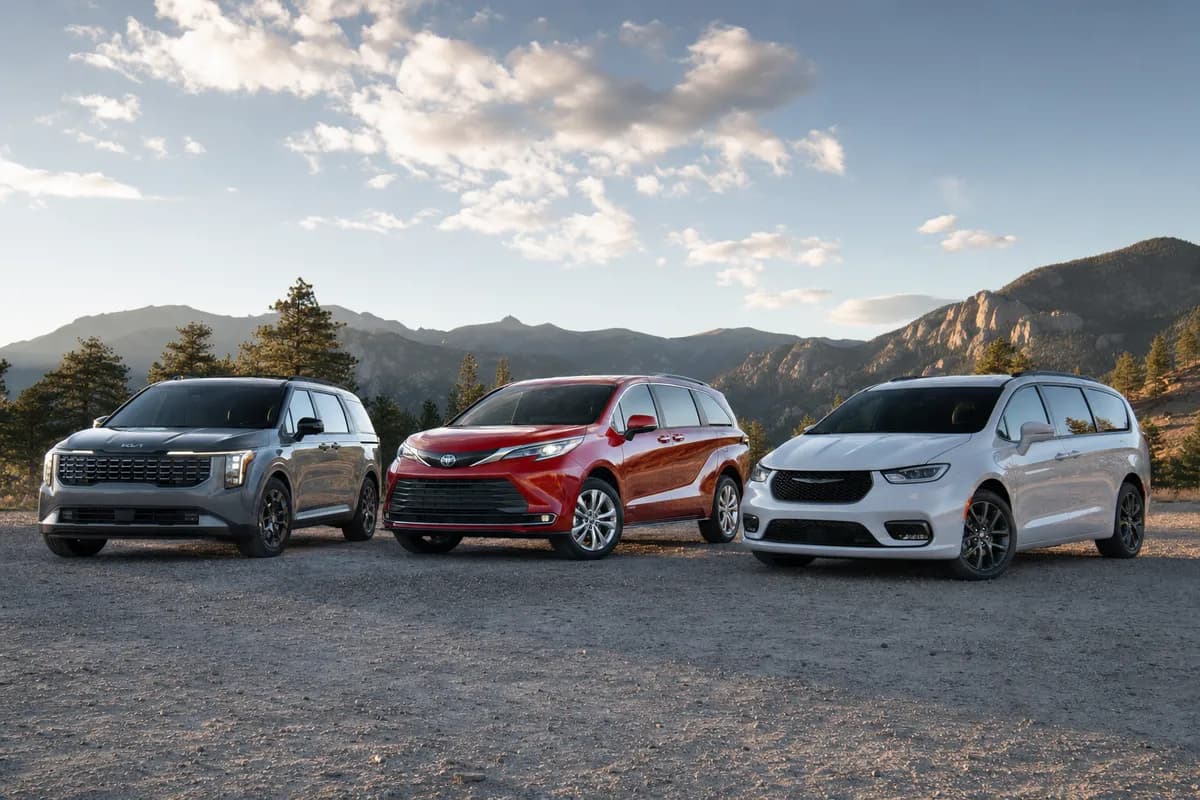
The 2026 Toyota Sienna, 2027 Kia Carnival Hybrid, and Chrysler Pacifica Plug-In Hybrid are creating a new kind of garage scene. Owners are trading brake pad part numbers, hitch wiring tips, cargo platform ideas, and home maintenance tricks that make these family haulers smarter, easier, and more enjoyable to live with.
Why the minivan enthusiast community is growing in 2026
The old enthusiast script was simple: buy something fast, lower it, make it louder, tolerate the compromises. In 2026, more owners are putting their energy into vehicles that handle school runs, road trips, home-improvement duty, and long-term ownership without drama. That shift is exactly why the minivan enthusiast community 2026 is getting traction.
Modern hybrid and plug-in hybrid vans also reward careful DIY work. They are heavy, tire-sensitive, and often loaded with passengers, which means a smart brake upgrade or a better tire choice makes a bigger real-world difference than it would on many sedans. Owners are not trying to turn them into track toys. They are trying to make them feel tighter, stop better, haul cleaner, and last longer.
Each model brings its own flavor. The 2026 Toyota Sienna mods crowd tends to focus on efficiency, all-weather use, and OEM-plus upgrades. The 2027 Kia Carnival Hybrid DIY maintenance crowd is growing around value, interior flexibility, and fresh-model curiosity. Pacifica PHEV owners have become some of the most resourceful of the bunch because plug-in operation changes how they think about brakes, tires, charging routines, and cargo use.
Brake upgrades and tire choices are the gateway mods
If you spend time in owner groups, two topics come up constantly: stopping and tires. That makes sense. These vans can weigh well over 4,500 pounds before you add kids, luggage, a cooler, and a hitch carrier.
The smartest brake upgrades are not flashy big-brake kits. They are usually better pad compounds, quality coated rotors, fresh fluid, and careful bedding-in. On heavy hybrids, that combination often improves pedal feel and confidence more than owners expect, especially after a few mountain descents or repeated suburban stops with a full cabin.
What owners are actually upgrading
- Brake pads: Low-dust ceramic pads for daily use, or a higher-friction street pad for better bite under load.
- Rotors: Premium blank or coated rotors are usually preferred over drilled pieces for durability and noise control.
- Brake fluid: Fresh DOT 3 or DOT 4 fluid helps restore pedal consistency, especially on older Pacifica PHEVs and high-mile road-trip vans.
- Stainless lines: Less common, but some owners use them to firm up pedal feel on vans that tow often.
Tire selection matters even more. The Sienna in particular can swing from efficient and relaxed to noisy and sloppy based on rubber alone. Many owners find the factory low-rolling-resistance tires good for fuel economy but less impressive in wet braking, tread life, or steering feel.
Best practical minivan mods often start with tires
- Touring all-season tires: Best for quiet highway use, ride comfort, and family-road-trip manners.
- Grand-touring all-season tires: A sweet spot for owners who want sharper steering and stronger wet grip.
- Crossover/SUV all-weather tires: Popular in snow-belt Sienna AWD groups for year-round traction without a dedicated winter set.
Load rating matters. So does keeping overall diameter close to stock, especially on hybrids that are sensitive to gearing changes and speedometer error. Upsizing wheels for looks usually loses the plot on a family van. Most experienced owners stick with stock wheel sizes and buy better tires instead.
Hitch setups, roof solutions, and cargo mods make these vans road-trip weapons
This is where the DIY family-hauler culture really takes shape. Owners are building vans around bikes, camping gear, strollers, sports equipment, and small trailers, and they want every upgrade to be reversible. Nobody wants to butcher a brand-new hybrid interior for a trend that will look dated in two years.
Hitches are one of the most common upgrades across all three models. Not every owner is towing. Many are installing a receiver just for bike racks, cargo trays, or a small utility trailer for weekend projects.
Popular hitch and cargo setups
- 2-inch receiver hitches: Preferred for stronger bike rack and cargo carrier compatibility.
- Trailer wiring kits: Essential for light trailer use, but many owners choose plug-and-play kits to avoid cutting factory wiring.
- Rear cargo trays: Great for coolers, muddy gear, or bulky items that keep the cabin cleaner.
- Roof crossbars and boxes: Less common on taller vans than on crossovers, but still useful for lightweight overflow storage.
The Sienna’s hybrid packaging and available AWD make it especially appealing for road-trip builds. The Carnival Hybrid is drawing interest because it combines a more SUV-like look with minivan practicality, which has attracted buyers who never thought they would join a van forum. The Chrysler Pacifica PHEV family hauler upgrades scene is often the most creative because owners use EV driving for daily errands, then convert the van into a long-range travel machine on weekends.
Inside the cabin, reversible cargo mods rule. Owners are using seat-back organizers, low-profile floor liners, modular bins, removable fridge tie-downs, and cargo nets that attach to factory points. Some are building simple plywood-and-carpet load floors for camping or airport runs, but the smart ones keep access to storage wells, spare-tire tools, and seat hardware.
What separates a good cargo mod from a bad one
- It does not block airbags, seat latches, or battery service access.
- It can be removed in under an hour.
- It reduces clutter instead of adding more hardware to manage.
- It survives a panic stop without becoming a projectile.
DIY maintenance is a big part of the appeal, even with hybrids and plug-in hybrids
These are not old-school minivans with acres of engine-bay space, but they are still friendly to thoughtful home maintenance. That is part of the surprise. Owners who would never crack open a transmission are still doing cabin filters, engine air filters, wiper service, 12-volt battery care, brake inspections, wheel swaps, and fluid checks in the driveway.
The Sienna’s hybrid system has helped its reputation for low-drama ownership, and many DIY owners treat it like a long-game appliance with better taste. Carnival Hybrid owners are still building a knowledge base, but basic service culture is already taking shape around tire rotations, underbody inspections, and protecting the interior from family wear. Pacifica PHEV owners tend to be the most maintenance-aware because plug-in operation can mask brake wear patterns and encourage long stretches where the gas engine runs infrequently.
DIY jobs owners regularly handle at home
- Tire rotations: Critical on heavy front-biased vans and especially important for maximizing tread life.
- Cabin and engine air filters: Easy, cheap, and worth doing on schedule.
- Brake cleaning and inspection: Hybrid regen can reduce pad use, but rust and uneven wear still happen.
- 12-volt battery checks: A weak auxiliary battery can create weird electronic complaints on modern vans.
- Sliding door track cleaning: Simple maintenance that prevents noise, drag, and long-term headaches.
- Paint and interior protection: One of the most cost-effective “mods” for owners planning to keep the van for years.
The new van DIY scene is less about chasing horsepower and more about removing friction from daily life. That sounds boring until you drive a well-sorted one for 500 miles with a full family and realize somebody finally modified a vehicle in the right direction.
One caution remains universal: know where the high-voltage hardware lives, and do not freelance around orange cables or battery cooling components. Hybrid ownership does not eliminate DIY work. It just raises the penalty for careless DIY work.
These vans reward OEM-plus thinking more than traditional mod culture
The best upgrades on modern minivans usually do not announce themselves from across a parking lot. They feel like something the factory should have done in the first place. Better tires, stronger brake feel, smarter cargo management, easier bike transport, and surfaces that clean up fast after a beach trip all fit that theme.
That is why this scene feels different from old-school tuner culture. There is less ego, less irreversible cutting, and more attention to how parts work together over 50,000 miles. Owners compare notes on hitch tongue weight, roof load limits, brake dust levels, and second-row protection with the same energy earlier communities used for cam specs and quarter-mile times.
For readers shopping now, the personalities are clear. The 2026 Toyota Sienna mods path makes the most sense for buyers who want proven hybrid efficiency, available AWD, and a strong owner knowledge base. The 2027 Kia Carnival Hybrid DIY maintenance path will appeal to people who want newer styling, practical packaging, and a community that is rapidly figuring out what works. The Chrysler Pacifica PHEV family hauler upgrades route remains ideal for households that can actually use plug-in EV miles and want the flexibility that comes with it.
Verdict: the smartest enthusiast vehicle might be the one full of snacks and booster seats
The modern minivan is not replacing the sports car in enthusiast culture. It is creating a parallel lane, one built around useful upgrades, shared maintenance knowledge, and the satisfaction of making a hard-working machine even better. That is why the best practical minivan mods are catching on.
If 2026 is teaching car people anything, it is that enthusiasm does not always look like a lowered coupe on summer tires. Sometimes it looks like a hybrid van with premium all-seasons, a clean hitch install, better pads, organized cargo, and a family that actually wants to take the long way home.
Affiliate disclosure: This article contains affiliate links. RevvedUpCars may earn a small commission on qualifying purchases at no extra cost to you.