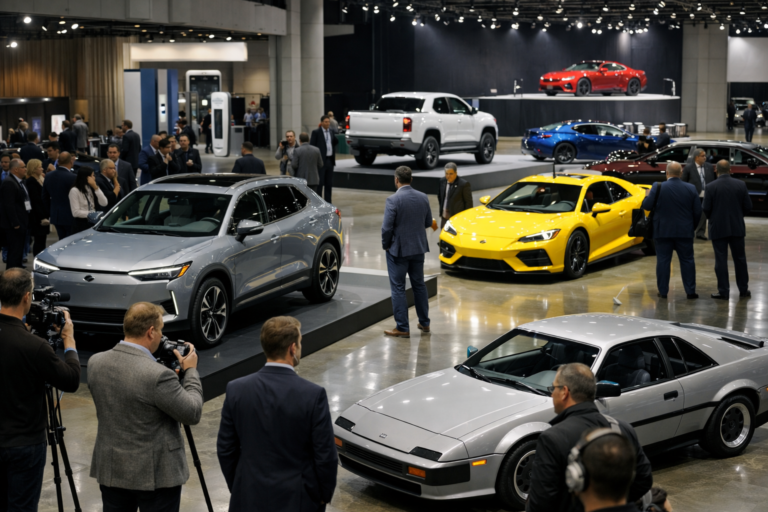

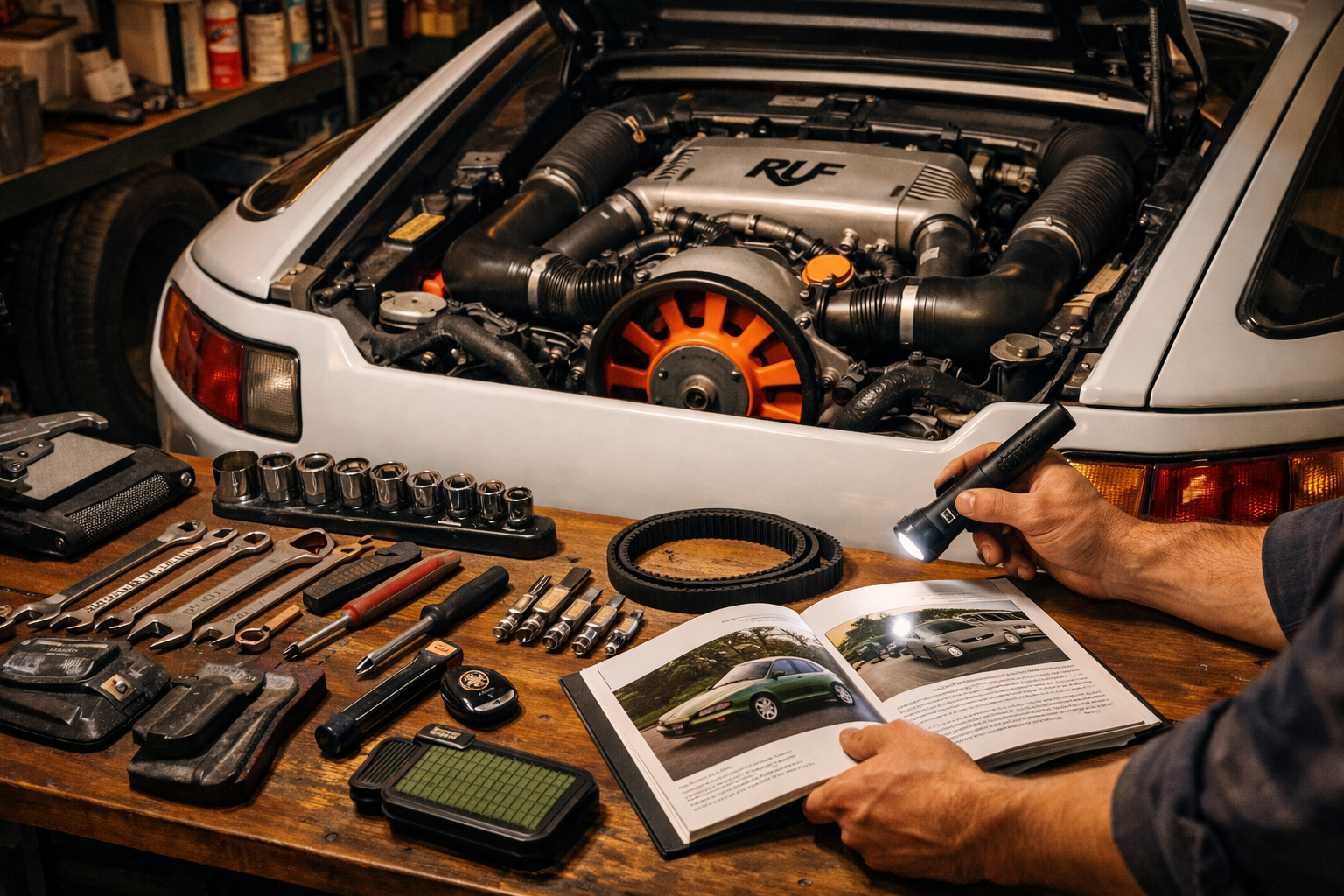
You’re standing on the lawn at the Amelia Island auction, heart pounding, watching a Ruf Porsche 928R roll across the block. The auctioneer’s talking faster than a 1/2-inch impact on lug nuts, and you’re wondering if buying cars at auction is about to make you the proud owner of a unicorn… or a very expensive lawn ornament.
I’ve had customers drag auction “deals” into my shop that turned into $25,000 nightmares. I’ve also seen guys score rare metal for 30% under market because they did their homework. Today I’m walking you through what to know before bidding on rare models like a Ruf 928R at a Gooding auction — so you don’t get burned.
You’ll learn how auctions really work, how to inspect a collector car in 20 minutes flat, what hidden fees will sting you, and how to set a hard budget that keeps emotion from emptying your bank account.
What You’ll Need
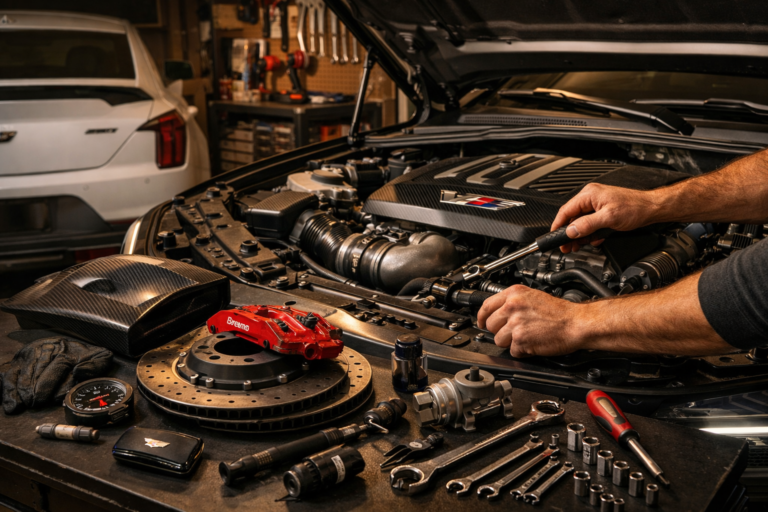
- Tools: Flashlight, paint thickness gauge ($120), OBD2 scanner (for 1996+ cars), small inspection mirror, magnet, notepad, smartphone
- Parts/Materials: Vehicle history report ($40), pre-purchase inspection (PPI) if allowed ($300–$600)
- Time: 2–4 hours research per car; 30–60 minutes on-site inspection
- Difficulty: 🔧🔧🔧 (3/5 — moderate knowledge required)
- Dealer Cost: Broker service $2,000–$5,000 vs DIY Cost: $500–$800 — You Save: $1,500+
Why Buying Cars at Auction Can Be a Goldmine — or a Money Pit
Here’s the truth: buying cars at auction can get you rare metal you’ll never see on a dealer lot. A Ruf Porsche 928R isn’t sitting next to a used Camry with a “Manager’s Special” sticker. Auctions are where collectors trade the good stuff.
But auctions are “as-is, where-is.” No warranty. No cooling-off period. When that hammer drops, the car — and its problems — are yours.
Skip your homework and you could be staring at a $15,000 engine rebuild. On rare cars like a Ruf-modified 928, parts alone can be brutal. I’ve seen specialty Porsche timing belt services hit $3,000–$5,000. Do this wrong, and you’ll wipe out any “deal” instantly.
If you’re new to high-dollar buying, start with our Car Buying Tips 2026: Avoid Overpaying Smartly. Same principles — just bigger numbers and higher stakes.
Before You Start
⚠️ WARNING: Auctions are designed to trigger emotion. Fast talking, bright lights, crowd energy — it’s psychological warfare on your wallet. Set your max bid BEFORE you arrive. Write it down. Do not exceed it.
Research the exact car. For a Ruf Porsche 928R, verify authenticity. Ruf conversions should have documentation, VIN verification, and factory confirmation if possible. Ruf GmbH can confirm builds for a fee — worth every penny on a six-figure car.
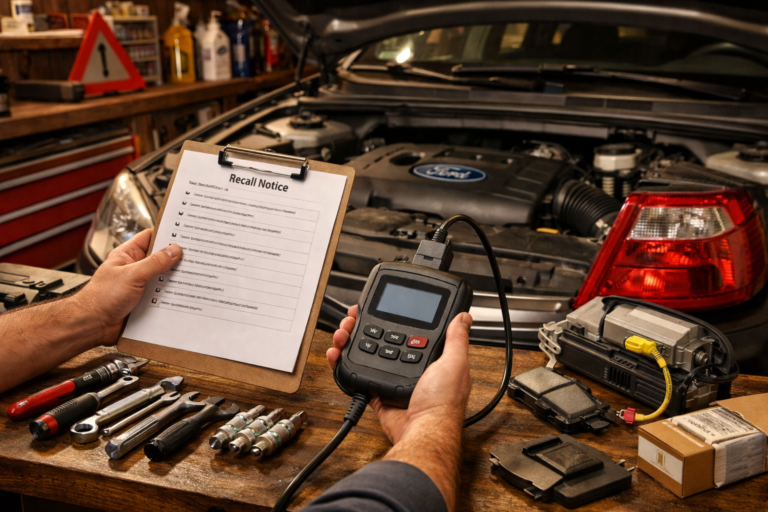
Check for open recalls at NHTSA.gov. Even collector cars can have unresolved safety issues.
Also understand broader market trends. Tariffs and import rules can impact values — we broke that down in this auto tariffs buying guide. Rare European cars are especially sensitive to policy shifts.
When NOT to DIY bid? If you can’t decode service records, don’t understand restoration quality, or aren’t comfortable evaluating paint and mechanical condition quickly. In that case, hire a broker or marque expert. $3,000 advice can save $30,000 regret.
Step-by-Step Guide
-
Research the Exact Model
Know production numbers, recent sale prices, and common issues. A standard Porsche 928 and a Ruf 928R are worlds apart in value. Check past Gooding auction results and Hagerty valuations. -
Set Your All-In Budget
Factor in buyer’s premium (usually 10–12%). On a $200,000 hammer price, that’s $20,000–$24,000 extra. Add transport ($1,000–$2,500 enclosed), taxes, and immediate maintenance.
Pro Tip: Assume you’ll spend $2,000–$5,000 baseline sorting any collector car, even a “mint” one. -
Inspect the Body
Use a paint thickness gauge. Factory paint usually reads 4–8 mils. Big variations mean repaint or filler. Bring a small magnet — it won’t stick to body filler. Check panel gaps and overspray. -
Check Documentation
Service records are gold. Look for timing belt history on 928-based cars. No proof? Budget $2,500–$4,000 immediately. Verify VIN matches title and chassis plates. -
Look Underneath
Use your flashlight and mirror. Oil leaks? Cracked bushings? Rust in suspension mounts? I’ve seen shiny auction cars with frames uglier than a Michigan winter. -
Listen During Cold Start (If Allowed)
Ticking, smoke, rough idle — walk away or discount heavily. Blue smoke means oil burning. White smoke that lingers? Possible coolant issues. -
Bid Like a Machine, Not a Fan
Auctioneers will look you in the eye. Don’t get sucked in. Stick to your number. When it’s past your cap, stop. There will always be another car.
Common Mistakes to Avoid
- Ignoring Buyer’s Premium: I’ve seen guys shocked by a $22,000 fee on top of their winning bid. That’s not optional.
- Skipping the Underside Inspection: Pretty paint hides ugly rust. Rust repair on a rare Porsche can exceed $15,000 fast.
- No Verification of “Rare” Claims: Anyone can say “1 of 10.” Documentation or it didn’t happen.
- Overbidding Due to Ego: Auctions are competitive. Pride is expensive. I’ve watched two bidders drive a car $40,000 over market because neither wanted to blink.
- Forgetting Insurance Costs: Collector insurance can run $1,000–$3,000 per year depending on value.
I’ve seen this in the shop a hundred times: buyer pays top dollar, then discovers deferred maintenance. Suddenly that “investment” needs $12,000 in mechanical work before it’s safe to drive.
When to Call a Professional
If the car is over $100,000 and you’re not deeply familiar with the model, hire a marque specialist. Period.
A fair pre-purchase inspection for a high-end collector runs $300–$600 locally, $1,000+ if travel is involved. That’s cheap insurance.
Ask the auction house:
- Can I perform a compression or leak-down test?
- Is there documented ownership history?
- Any known paintwork or accident repair?
Red flags? Pressure to skip inspection. Vague answers about restoration. Missing paperwork.
If you’re importing a rare model, review the process in our Import JDM Car guide. Paperwork mistakes can trap your car at the port for weeks.
Recommended Products
- DeFelsko PosiTest Paint Gauge ($120): Budget-friendly and accurate enough for auction checks.
- Foxwell NT301 OBD2 Scanner ($70): For 1996+ cars. Simple, reliable.
- Hagerty Vehicle Valuation Tools: Free online values and auction trends.
- LED Rechargeable Inspection Light ($40): Bright enough to expose leaks and bad repairs.
What I use in my own garage? A quality paint gauge and a brutally honest checklist. Tools don’t lie — emotions do.
Do This
- Set a hard max bid before auction day
- Verify authenticity on rare models like Ruf Porsche 928R
- Budget 10–12% buyer’s premium
- Assume $3,000 in post-purchase sorting
Don’t Do This
- Bid emotionally in a crowd
- Trust verbal claims without paperwork
- Skip underside inspection
- Blow past your budget “just this once”
Buying cars at auction can be one of the most thrilling ways to land a dream machine — especially something rare like a Ruf Porsche 928R at Amelia Island. Do your homework, inspect like a mechanic, and bid like a banker.
You can do this. Just remember: the goal isn’t to “win” the auction — it’s to win the right car at the right price.
Drop your questions in the comments if you’re heading to a Gooding auction this year. Stay sharp out there, and remember — a $20 repair manual saves a $2,000 repair bill.
Disclosure: This article may contain affiliate links. If you make a purchase through these links, we may earn a small commission at no extra cost to you. This helps support RevvedUpCars.com and keeps Mike’s toolbox stocked. Learn more.