Used car prices are climbing again in 2026. Sarah Greenfield analyzes auto inflation, market trends and gives smart buying tips so shoppers can act now.
In this article
Used car prices 2026 are climbing again after nearly a year of relative stability, reversing the slow cooling that followed the pandemic-era spike. According to the Cox Automotive Manheim Used Vehicle Value Index, wholesale prices rose for three consecutive months through March, up roughly 4% year-over-year and nearly 2% since January. Retail asking prices are following, particularly for late-model SUVs and hybrids.
This isn’t a return to the chaotic 2021–2022 market when prices soared more than 40%, but it’s also not business as usual. With new car prices still elevated and interest rates hovering near 6–7% for many borrowers, the used market is once again absorbing pressure from multiple directions. The result: tighter supply, firmer pricing, and tougher decisions for buyers.
The Headlines
What: Used vehicle prices are rising again after a brief stabilization in 2025
Who: Used car retailers, automakers, and U.S. consumers
When: Price increases accelerated in Q1 2026
Impact: Buyers face higher transaction prices and fewer late-model deals
Key Number: ~4% year-over-year increase in wholesale prices (Manheim Index)
What Happened
Wholesale auction prices began ticking up in January and gained momentum through March, according to Cox Automotive data released April 8. Retail platforms such as CarMax and Carvana have since adjusted listings upward, especially on 1- to 3-year-old crossovers and fuel-efficient sedans. In fact, average transaction prices for used vehicles now sit just above $27,000, per industry estimates cited by Reuters.
Additionally, off-lease vehicle volume remains constrained. Lease penetration dropped sharply during the 2021–2022 production crunch, meaning fewer 2023 model-year vehicles are returning to dealer lots today. Automakers prioritized high-margin trims and reduced incentive-heavy leasing, a strategy confirmed in multiple 2024 and 2025 SEC filings.
Meanwhile, new car affordability hasn’t improved meaningfully. Our recent analysis, New Car Prices 2026 May Rise Again, showed average new vehicle transaction prices still hovering near $48,000. As a result, more shoppers are pushed into the used market, reinforcing demand just as supply tightens.
Why It Matters
The rebound in used car prices 2026 underscores a broader affordability crisis in the U.S. auto market. According to the Federal Reserve’s latest consumer credit data, auto loan balances surpassed $1.6 trillion in early 2026. Higher borrowing costs mean buyers are payment-sensitive, not price-sensitive—so when new vehicles stretch budgets, used vehicles become the fallback.
However, today’s used cars are more expensive and more complex than a decade ago. Advanced driver assistance systems, larger infotainment screens, and hybrid components raise repair costs and insurance premiums. Therefore, even a modest 4% price increase can translate into materially higher total cost of ownership.
Moreover, this trend complicates the Federal Reserve’s broader auto inflation analysis. While headline CPI for used vehicles cooled in 2024 and 2025, renewed price growth could feed into inflation readings later this year, particularly if fuel prices remain volatile.
The Bigger Picture
Advertisement
To understand this cycle, you have to go back to 2020. Pandemic shutdowns slashed new vehicle production by millions of units globally. According to the International Energy Agency, global auto output didn’t fully normalize until late 2024. That multi-year gap created a structural shortage of 2- to 5-year-old vehicles—prime used inventory in 2026.
Furthermore, automakers shifted strategy. Many brands, including Toyota, Ford, and GM, leaned into higher-margin trucks and SUVs during the shortage. That mix shift means fewer affordable compact cars filtering into today’s used pipeline. In contrast, demand for fuel-efficient hybrids has surged amid fluctuating gas prices and stricter EPA standards, as outlined by the EPA.
There’s also a psychological factor. After experiencing extreme price spikes during the pandemic, both dealers and consumers are quicker to react to inventory changes. Dealers are holding firm on pricing rather than racing to discount, expecting sustained demand through summer 2026.
What the Competition Is Doing
CarMax, the nation’s largest used retailer, has emphasized inventory discipline and margin protection in recent earnings calls. The company reported stable unit sales but higher average selling prices in Q1 2026. Meanwhile, Carvana continues to prioritize profitability over aggressive volume growth after its 2023 restructuring.
Traditional automakers are also reshaping the used landscape through certified pre-owned (CPO) programs. Toyota and Honda, both benefiting from strong reliability reputations, are expanding CPO warranty offerings to justify premium pricing. Ford, by contrast, is leaning heavily on promotional financing for new models to pull buyers out of the used pool.
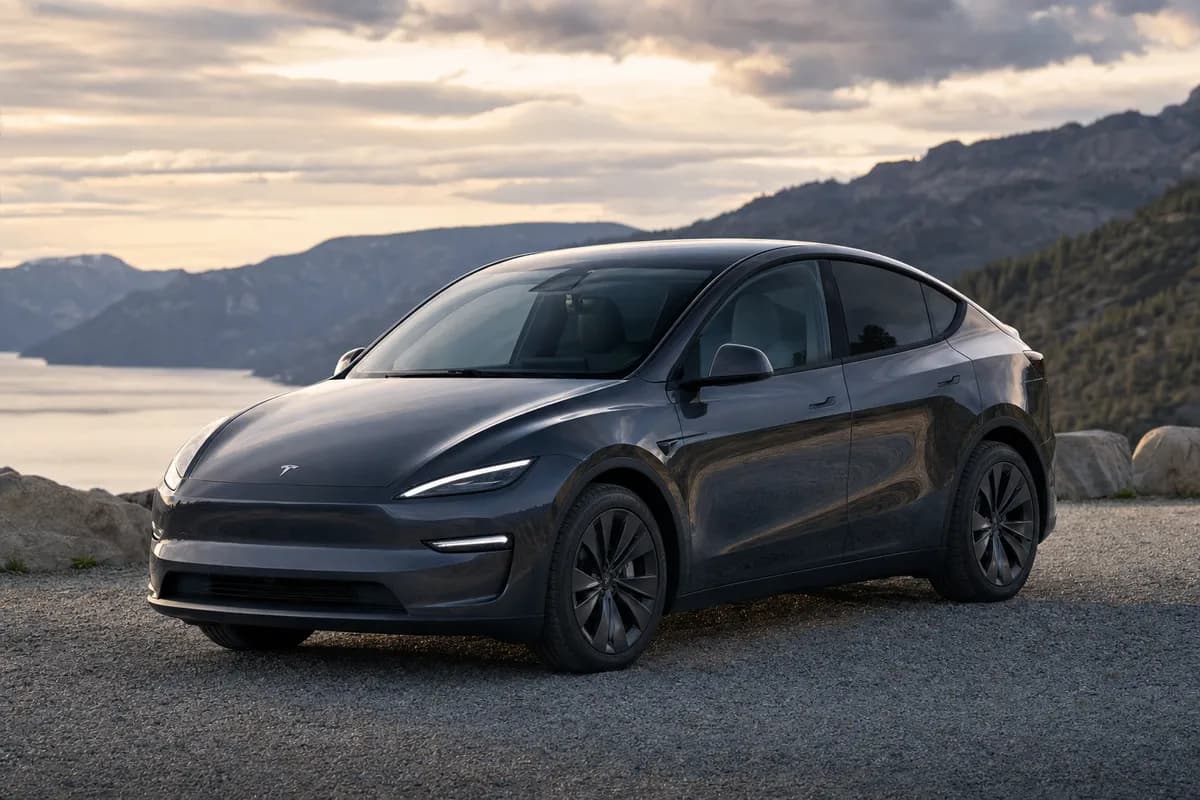
Notably, Tesla’s aggressive price cuts in 2024 and 2025 created volatility in used EV pricing. However, with fewer drastic adjustments so far in 2026, EV depreciation has stabilized. That said, EV resale values remain more sensitive to technology updates and range improvements than gas-powered counterparts, a dynamic we explored in EV Architecture Benefits Reshape Car Design Now.
What It Means for You
If you’re shopping now, expect less negotiating room than six months ago. Dealers know supply is constrained, particularly for 2023 model-year off-lease SUVs. Therefore, broad lowball offers are less effective in spring 2026 than they were in mid-2025.
However, opportunities still exist. Sedans continue to lag SUVs in demand, creating pockets of value in models like the Toyota Camry, Hyundai Sonata, and Nissan Altima. Additionally, buyers willing to consider certified pre-owned vehicles may secure longer warranties that offset slightly higher sticker prices.
Financing strategy matters more than ever. Even a 0.5% rate difference can add thousands over a 60-month loan at today’s prices. Start by reviewing options in our guide to How to Score Car Finance Deals 2026 before committing to dealer-arranged financing.
For enthusiasts, the squeeze is real. Entry-level performance cars under $35,000 are harder to find clean and unmodified. If you’re hunting in that niche, our Find Sports Cars Under 35000: Your 2026 Guide outlines models holding value versus those softening.
What to Watch Next
First, monitor off-lease volume in the second half of 2026. If leasing penetration rebounds for 2024 and 2025 model years, supply could improve by late 2027. However, that relief is at least 12–18 months away.
Second, keep an eye on interest rates. Even a modest Fed rate cut would ease monthly payments and potentially stimulate both new and used demand. Ironically, that could push used car prices 2026 even higher in the short term as more buyers re-enter the market.
Finally, watch automaker incentive spending. If new vehicle sales continue to soften—as discussed in US Auto Sales 2026 Forecast Drops 2.6%—manufacturers may increase discounts, pulling pressure off used pricing by early 2027.
The Upside
Stronger resale values for current owners and leaseholders
More stable depreciation compared to 2024 volatility
Higher monthly payments due to rising prices and rates
Limited supply of affordable 2- to 4-year-old vehicles
Increased insurance and repair costs for tech-heavy models
Risk of overpaying if supply normalizes in 12–24 months
Sarah's Industry Impact Rating: 7/10
This matters because: sustained used price growth signals structural supply tightness that could shape affordability and buying behavior through 2027.
Having covered three pricing cycles since 2020, I can tell you this pattern is familiar: supply shocks echo for years, not months. The current rise in used car prices 2026 isn’t a speculative bubble—it’s a lagging consequence of earlier production cuts and ongoing affordability constraints.
The smart move now is strategic patience. If you must buy, target less in-demand segments and secure financing first. If you can wait 12–18 months, increased lease returns and potential incentive growth may finally tip leverage back toward buyers. Until then, the used market remains tighter—and pricier—than many expected.
Disclosure: This article may contain affiliate links. If you make a purchase through these links, we may earn a small commission at no extra cost to you. This helps support RevvedUpCars.com. Learn more.
Affiliate disclosure: some links on this page earn us a commission at no extra cost to you.
Mike Wrenchworth is the guy you call when something breaks, rattles, or makes a noise it shouldn’t. With 20 years as an ASE-certified master technician and a decade running his own independent shop in Austin, Texas, Mike has seen every automotive disaster imaginable—and fixed most of them. Now he shares his hard-won wisdom with RevvedUpCars readers, covering everything from basic maintenance to weekend restoration projects. Mike believes in doing it right the first time, buying quality tools, and never skipping the torque wrench. His garage currently houses a work-in-progress 1969 Camaro, a bulletproof Toyota Land Cruiser, and whatever his wife is driving this week. Mike’s philosophy: every car can be a great car with proper maintenance and a little mechanical sympathy.
Get the latest car reviews in your inbox
Join thousands of car enthusiasts. No spam, unsubscribe any time.




Comments
Leave a comment