
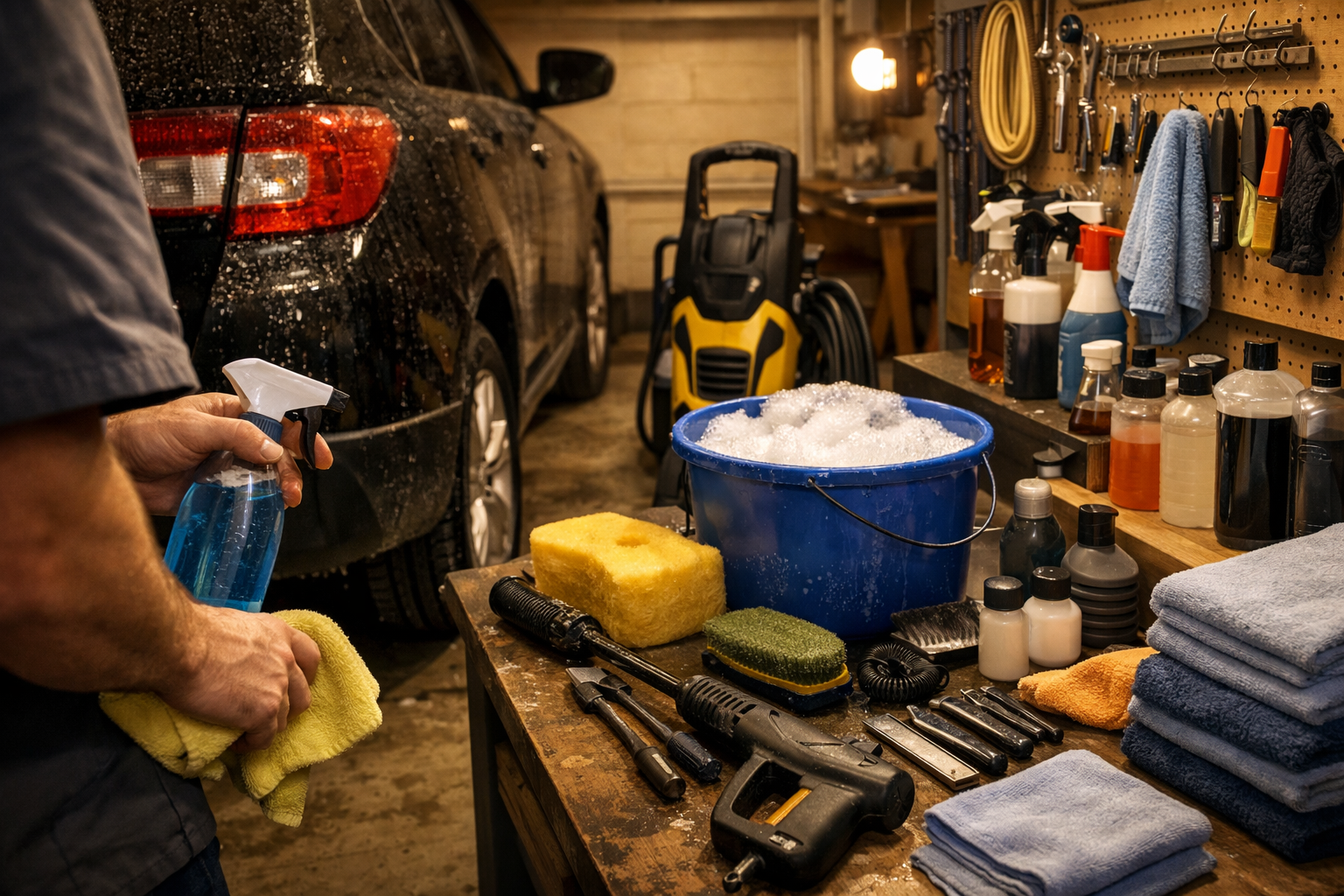
You’ve detailed more cars in your driveway than you can count, neighbors keep slipping you $40 cash, and now you’re wondering if it’s time to start car wash business for real. I’ve seen this exact moment with customers who got tired of wrenching for someone else and wanted their own slice of the automotive pie.
Here’s the thing — a car wash can be one of the smartest plays in automotive entrepreneurship if you run it like a mechanic, not a dreamer. Tight systems, controlled costs, and zero tolerance for waste. In this guide, I’ll walk you through what it really costs, what makes money, and where folks get burned.
You’ll learn startup numbers for 2026, equipment choices, location tips, and how to avoid the “shiny building, empty parking lot” problem that sinks so many small business automotive ventures.
What You’ll Need
- Business Setup Tools: LLC filing ($100–$500), business license, EIN (free), business bank account
- Equipment: Commercial pressure washer (3,500+ PSI), water reclamation system, vacuums, POS system
- Startup Capital: $15,000 (mobile/basic) to $500,000+ (fixed tunnel wash)
- Time: 2–6 months planning and permits; 6–12 months for full build
- Difficulty: 🔧🔧🔧🔧 (4/5 – serious commitment)
- Full-Service Build: $500,000+ vs Mobile Setup: $25,000 — Potential Savings: $475,000 upfront
Why This Matters When You Start Car Wash Business
I’ve watched guys dump $600,000 into a flashy tunnel wash and close in 18 months. I’ve also seen a two-bay self-serve pull $18,000 a month with almost no payroll. The difference? Planning and understanding your numbers.
Car ownership isn’t slowing down in 2026. Even with EV growth — and the way EV architecture is reshaping car design — vehicles still need cleaning, especially in salt-belt states after winter. Dirt, road salt, and bird bombs don’t care what powers the wheels.
If you’re near a metro area where used car prices are surging, owners are holding onto vehicles longer. And when people keep cars longer, they maintain appearances. That’s steady revenue if you position yourself right.
Before You Start
⚠️ WARNING: Local environmental regulations can shut you down fast if you don’t handle wastewater properly. Fines can run $5,000–$25,000 depending on your state.
Before you sign a lease or buy land:
- Check zoning laws (city planning office)
- Review EPA water discharge guidelines at EPA.gov
- Verify local water reclamation requirements
- Call your insurance agent about liability and environmental coverage
If you’re new to business entirely, spend a week reading up on small business structure at SBA.gov. I’ve seen great techs fail because they didn’t understand cash flow.
And one more thing — if you’re financing equipment, understand interest rates. The same way buyers hunt for car finance deals in 2026, you should shop lenders hard. A 2% difference on $300,000 is real money.
Step-by-Step Guide
-
Choose Your Model
Mobile detailer ($15k–$30k), self-serve bays ($100k–$250k), in-bay automatic ($250k–$500k), or full tunnel ($500k–$1M+).
Pro Tip: First-timers should seriously consider mobile or a small two-bay setup. Lower overhead keeps you alive during slow months. -
Run the Numbers
Example: 60 cars/day at $12 average ticket = $720/day. That’s about $21,600/month before expenses.
Subtract rent ($4,000), utilities ($2,500 water/electric), payroll ($6,000), chemicals ($1,500), loan payment ($5,000).
That leaves roughly $2,600 profit — before taxes. Not fantasy money. Real math. -
Secure Location
Look for 20,000+ cars per day traffic count. Corner lots win. Easy entry and exit matter more than fancy signage. -
Buy Smart Equipment
Commercial-grade pressure washer (3,500–4,000 PSI, belt-driven pump). Expect $2,000–$4,000 each.
Industrial vacuums: $800–$1,500 per unit.
Water reclamation system: $15,000–$40,000.
Pro Tip: Cheap pumps fail in a year. I’ve rebuilt enough to tell you — buy once, cry once. -
Set Pricing Strategy
Basic wash: $10–$15
Wash + wax: $18–$25
Monthly unlimited plan: $29–$39
Memberships create predictable income. That’s how big chains dominate. -
Market Like a Local
Google Business profile, local Facebook ads ($300–$500/month), partnerships with dealerships and used car lots. People flipping cars need you. -
Control Labor Costs
Labor will eat you alive if unmanaged. Cross-train employees. One slow Tuesday can wipe out your weekly margin.
Common Mistakes to Avoid
- Overbuilding on Day One: I’ve seen owners finance a $750,000 tunnel when a $200,000 in-bay would’ve proven the market first.
- Ignoring Water Costs: In drought states, rates spike fast. That crushes profit.
- No Maintenance Budget: Pumps, motors, and conveyors wear out. Budget 5–10% of revenue for repairs. Skipping maintenance is like skipping oil changes — it ends ugly.
- Underpricing Services: Competing only on price is a race to the bottom. Clean, fast, friendly wins long-term.
- No Insurance Buffer: One customer claiming paint damage can cost $3,000–$8,000.
When to Call a Professional
If you’re dealing with:
- Environmental compliance paperwork
- Complex plumbing and drainage systems
- Commercial electrical installs (480V systems)
⚠️ WARNING: Commercial electrical work can kill you. Hire a licensed electrician. Period.
Expect to pay:
- Environmental consultant: $2,000–$7,500
- Commercial electrician: $75–$150/hour
- Business attorney setup: $1,000–$3,000
Ask contractors: “Have you built car washes before?” If they hesitate, walk. This isn’t a backyard shed project.
Recommended Products
- General Pump or CAT Pump Pressure Systems: What I’d run in my own setup. Durable, rebuildable.
- Hydro-Chem or Simoniz Chemicals: Consistent results, bulk pricing available.
- VacuBoom Vacuum Systems: Overhead boom design reduces hose damage.
- Square POS System: Simple, integrates memberships easily.
Budget brands save upfront, but downtime costs more than premium equipment. In 20 years of wrenching, I’ve learned cheap parts fail at the worst possible time — usually Saturday at noon.
Do This
- Start smaller than your ego wants
- Track every gallon of water and dollar spent
- Offer monthly memberships
- Maintain equipment weekly
Don’t Do This
- Finance more than cash flow can support
- Ignore environmental regulations
- Compete only on price
- Skip preventive maintenance
If you want into automotive entrepreneurship without turning wrenches forever, this can be a solid move. But don’t romanticize it. A car wash investment is a real business with real risk.
Done right, when you start car wash business with controlled debt, strong location, and disciplined operations, you can build steady six-figure income. Done wrong, you’re stuck making loan payments on a very expensive sprinkler system.
You can do this — just treat it like a machine. Inspect it, maintain it, and never ignore small leaks in your numbers. If you’ve got questions about equipment, margins, or whether your town can support another wash, drop them in the comments.
Stay sharp out there — and remember, in business like wrenching, a $500 consultation can prevent a $50,000 mistake.