
You know that uneasy feeling when you hear about another airbag recall on the news and wonder, “Is mine on that list?” Doing a Honda airbag recall check takes five minutes, costs you nothing, and could literally save a life.
With the recent Honda Odyssey recall 2026 headlines and reports of curtain airbag issues in several models, I’ve had customers roll into the shop just wanting peace of mind. Smart move. Airbags are your last line of defense in a crash — if they don’t deploy right, nothing else matters.
In this guide, I’ll show you exactly how to check your Honda for open recalls, what the results mean, and how to handle it without getting jerked around by a dealer. No special tools. Just a little know-how.
What You’ll Need
- Tools: 17-digit VIN (from dashboard or registration), smartphone or laptop, flashlight (to read VIN through windshield)
- Parts/Materials: None — recall repairs are free
- Time: 5–10 minutes to check, half-day if repair appointment is needed
- Difficulty: 🔧 (1/5 — anyone can do this)
- Dealer Cost: $0 (federal law requires free recall repairs) vs DIY Cost: $0 — You Save: Potentially $1,500+ in injury risk
Why This Matters
Airbag recalls aren’t cosmetic. I’m talking about inflators that can rupture, curtain airbags that may not deploy, or sensors that misread a crash. In 20 years of wrenching, I’ve seen one failed airbag turn a minor fender-bender into a hospital trip.
The Honda Odyssey recall 2026 involves certain side curtain airbag systems that may not inflate properly during a side impact. That’s not something you “get to later.” That’s something you check before your next highway drive.
You should run a Honda airbag recall check at least twice a year — I tell folks spring and fall, like changing smoke detector batteries. Also check anytime you buy a used Honda. With used car prices still bouncing around (here’s what’s happening in 2026), a lot of folks are buying pre-owned — and recalls don’t always get handled.
Before You Start
⚠️ WARNING: Never attempt to repair or tamper with an airbag system yourself. Airbags deploy with explosive force. You can be seriously injured or killed.
Good news — you’re not fixing anything today. You’re just checking status.
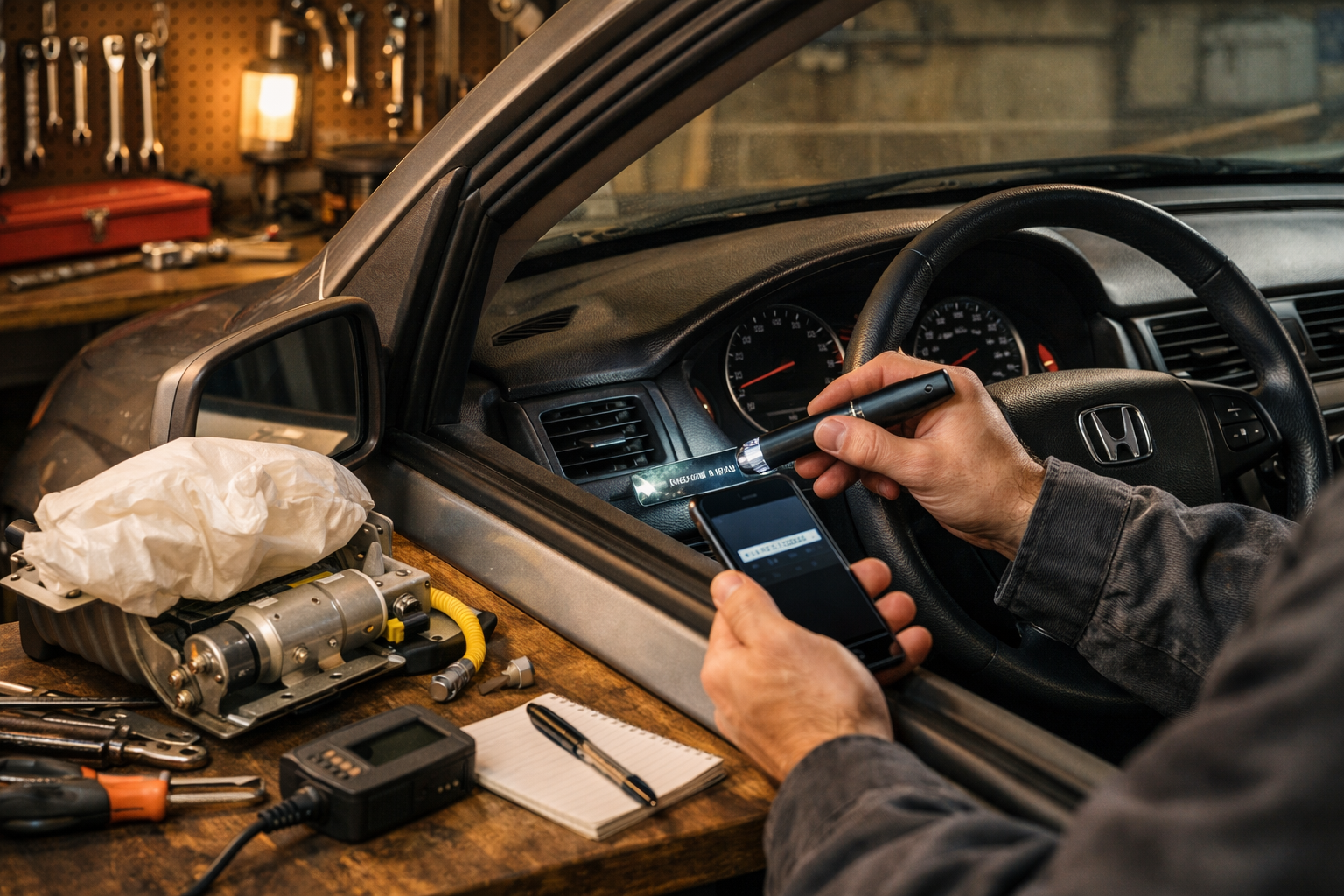
You’ll need your 17-digit VIN. Look through the driver-side windshield at the dashboard corner. Use a flashlight if it’s dusty. You can also find it on your registration card or insurance paperwork.
If your airbag light is already on, that’s separate from a recall. That could mean a faulty clock spring, impact sensor, or wiring issue. Different problem — and one worth scanning with an OBD2 reader.
Step-by-Step Guide
-
Locate Your VIN
Stand outside the vehicle and look at the metal plate on the driver-side dash. Write down all 17 characters exactly.
Pro Tip: The letters I, O, and Q are never used in VINs. If you think you see one, double-check. -
Go to the Official NHTSA Website
Visit NHTSA.gov Recalls. This is the federal database. Don’t use random “VIN check” sites that try to sell reports. -
Enter Your VIN
Type in all 17 digits and hit search. Within seconds, you’ll see if there are open recalls tied to your vehicle. -
Check Honda’s Official Site Too
Go to Honda’s recall lookup page at Honda Owners Recall Center. Sometimes manufacturer sites list campaign details more clearly. -
Review the Details Carefully
If you see “OPEN RECALL,” click into it. Look for terms like “curtain airbag issue,” “inflator replacement,” or “control unit reprogramming.” Print or screenshot the page. -
Schedule the Repair
Call your local Honda dealer’s service department. Give them the recall campaign number. Ask if parts are in stock. Typical repair time: 1–3 hours depending on model.
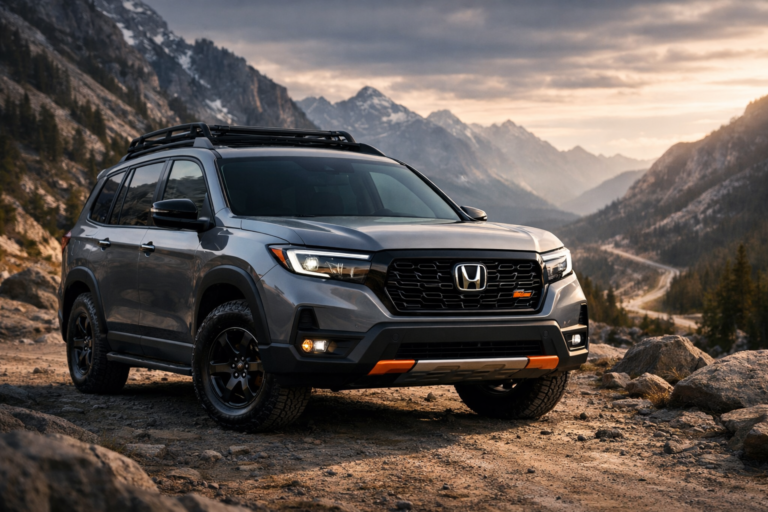
If your Honda shows no open recalls, great. Check again in six months. If you’re buying new — say something like the Passport TrailSport (we reviewed it here) — still run the VIN after purchase. Recalls can pop up anytime.
Common Mistakes to Avoid
- Ignoring “No Parts Available” Notices
I’ve seen this a hundred times. Parts delayed doesn’t mean problem solved. Ask the dealer to notify you when parts arrive. - Paying for Recall Repairs
Recalls are free. Period. If someone tries charging diagnostic time for a recall-only visit, push back. - Assuming Previous Owner Fixed It
Always verify. I’ve had trade-ins with three open recalls the seller “thought were done.” - Skipping It Because the Car Feels Fine
Airbags don’t give warning symptoms. They either work in a crash — or they don’t.
When to Call a Professional
If your SRS (airbag) warning light is illuminated, that’s not just a recall check issue. Have it scanned with a professional-grade tool.
A fair diagnostic fee is $100–$180 depending on region. If the issue ties into an open recall, that fee should typically be waived once recall work is performed.
Ask the service advisor:
- “Is this covered under the recall campaign?”
- “Will I receive documentation showing recall completion?”
- “Are there any additional safety recalls open?”
Red flag: They start pitching brake flushes or cabin filters unrelated to the recall. That’s upsell territory. Stay focused.
If you want to understand how stop-sale recalls work, check out our breakdown here: Car Recall Process: What to Do When Stop Sale Hits.
Recommended Products
- BlueDriver Bluetooth OBD2 Scanner ($99) — Great for checking SRS codes at home. What I use in my own garage.
- Ancel AD310 Basic Scanner ($35) — Budget option for basic engine codes (won’t read advanced airbag codes on all models).
- Laminated VIN Card Holder ($8) — Keep your VIN and recall printout in glovebox. Simple, organized, smart.
Do This
- Run a Honda airbag recall check twice a year
- Verify recalls before buying any used Honda
- Keep printed proof of recall completion
- Schedule repairs immediately if listed as OPEN
Don’t Do This
- Ignore recall notices in the mail
- Attempt DIY airbag repairs
- Pay for recall-covered repairs
- Assume “no symptoms” means no problem
Running a Honda airbag recall check is one of the easiest safety inspections you’ll ever do. Five minutes now beats dealing with insurance adjusters later.
You’ve got this. If you’re unsure about what your VIN results mean, drop a comment and I’ll walk you through it. Stay safe out there — and remember, a $20 repair manual saves a $2,000 repair bill.