Learn how average speed cameras work and discover defensive driving tips to prevent traffic tickets. Save money with our practical highway speed enforcement guide.
You’re cruising down the highway, keeping up with traffic, maybe creeping 8 or 9 mph over like everyone else. No cop in sight. Then two weeks later—bam—a $175 ticket shows up in your mailbox. That’s where average speed cameras explained becomes more than trivia. It becomes money in your pocket.
These systems are popping up in construction zones and major highways across the U.S. and Europe. They don’t care if you slow down for the camera—they measure your speed over distance. In this guide, I’ll break down how they work, how tickets are calculated, and the smart, legal ways to avoid costly citations using real-world defensive driving tips.
What You'll Need
- Tools: Your vehicle’s speedometer (verify accuracy), GPS speed app (optional), cruise control
- Parts/Materials: None — this is knowledge-based
- Time: 10 minutes to understand, lifetime of savings
- Difficulty: 🔧 (1/5 — easier than an oil change)
- Dealer Cost: $0 vs DIY Cost: $0 — You Save: $150–$500 per avoided ticket
Why This Matters
Ignore average speed zones and you’re not just risking a fine. You’re looking at insurance hikes. One 10–15 mph over ticket can bump premiums $300–$800 per year depending on your record. That’s way more painful than the ticket itself.
Construction-zone violations can double fines. I’ve seen $350 turn into $700 fast. And if you’re financing a newer ride—especially with vehicle prices climbing in 2026—the last thing you need is extra monthly costs.
Highway speed enforcement is getting smarter, not louder. No flashing lights. No warning. Just math. Understanding the system is your best traffic ticket prevention strategy.
Before You Start
⚠️ WARNING: Do not slam on your brakes when you spot a camera. Sudden braking on highways causes rear-end collisions. I’ve replaced enough bumpers to know—panic stops cost more than tickets.
First, know that average speed systems use two or more cameras spaced a measured distance apart. They timestamp your plate at Point A and Point B. Divide distance by time—that’s your average speed. No guessing.
Some states require clear signage before enforcement zones. Check your state DOT website. For federal safety guidelines and enforcement info, review NHTSA.
If you already received a ticket, verify accuracy before paying. Check time stamps, plate numbers, and zone distance. Clerical errors happen. I’ve seen wrong-state plates trigger citations.
Step-by-Step Guide
Let’s break down average speed cameras explained in plain English and how to stay legal.
-
Understand the Measurement
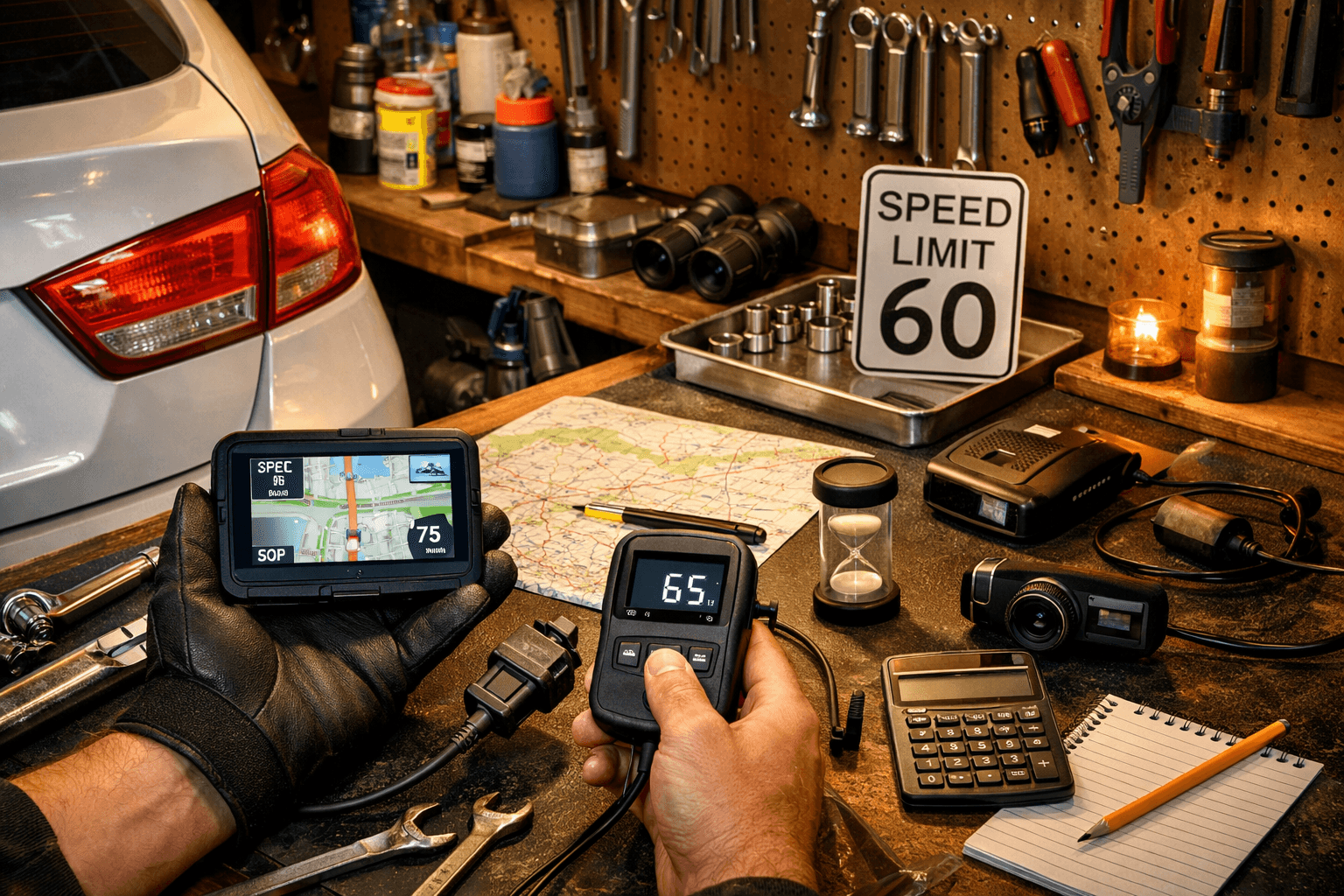
Cameras record your plate and timestamp it. Example: 5 miles between cameras. If you cover that in 4 minutes, that’s 75 mph average (5 miles ÷ 4 minutes × 60). If the zone is 60 mph—you’re getting mail.
-
Set Cruise Control Early
The moment you see “Speed Enforcement Zone Ahead,” set cruise at or slightly below the limit—1–2 mph under is safe. Speedometers can read 1–3 mph fast or slow depending on tire size and wear.
Pro Tip: Larger aftermarket wheels throw off readings. I’ve seen trucks off by 5 mph after a lift kit.
-
Maintain Consistent Speed
Don’t speed up between cameras thinking you’ll “average out.” The math doesn’t lie. Smooth throttle inputs improve fuel economy too—check EPA fuel economy tips for how steady speeds save gas.
-
Watch Downhill Sections
Gravity is sneaky. On long grades, vehicles can creep 5–10 mph over without you noticing. Light brake pressure or downshift (in manual mode) to control speed.
-
Verify Your Speedometer Accuracy
Use a GPS speed app on a flat highway. Compare readings at 60 mph. If your dash says 60 but GPS says 64, adjust accordingly. Consult manufacturer specs for allowable variance.
That’s it. No radar detector trickery. No last-second braking. Just steady, predictable driving. Honestly, it’s safer for everyone.
Common Mistakes to Avoid
- Braking hard at the first camera. I’ve seen this in the shop a hundred times—rear-end damage because someone panicked. The system already clocked your entry time.
- Speeding between cameras. People think it resets. It doesn’t. Average means average.
- Ignoring work-zone reductions. Temporary 55 mph signs in construction areas count. Fines are often doubled.
- Assuming out-of-state plates are safe. Many states share data now. That old myth is dead.
- Relying blindly on adaptive cruise. Some systems overshoot downhill before correcting. Pay attention.
When to Call a Professional
If you believe a ticket was issued in error—wrong vehicle, impossible timing, incorrect zone distance—consult a traffic attorney. Typical cost: $150–$400. That can be cheaper than three years of insurance hikes.
A fair legal consultation should clearly explain odds of dismissal. If someone guarantees dismissal without reviewing evidence, that’s a red flag.
If your speedometer is significantly inaccurate, have a shop test it. Calibration diagnosis runs $120–$180. Tire size corrections may fix it without parts.
And while you’re tightening up your driving record, make sure your car’s paperwork is squared away. Here’s a solid recall checklist to protect yourself. Unresolved recalls can complicate inspections and registrations.
Recommended Products
- Valentine One Gen2 Radar Detector ($599): Won’t stop average speed enforcement, but helpful for traditional radar zones.
- Garmin DriveSmart GPS ($199): Displays live speed and limit data in many areas.
- FIXD OBD2 Scanner ($59): Not speed-related, but great for checking codes before inspection season.
- Quality Tires (Michelin Defender2 – ~$180 each): Properly sized tires keep your speedometer accurate.
What I use in my own garage? Factory-size tires, verified with GPS once a year, and good old-fashioned cruise control.
Do This
- Set cruise control at or just under the limit
- Check speed accuracy with GPS annually
- Slow down early in marked enforcement zones
- Drive smoothly—steady inputs save fuel and tickets
Don't Do This
- Brake aggressively at camera poles
- Assume you can “make up time” between cameras
- Ignore temporary construction speed signs
- Trust modified tire sizes without recalibration
At the end of the day, average speed cameras explained comes down to simple math and smarter driving. No gimmicks. No hacks. Just consistency. It’s one of the easiest forms of traffic ticket prevention out there.
DIY Difficulty: 🔧 1/5
Money Saved: $150–$500 per avoided ticket
You don’t need a wrench for this one—just awareness and a steady foot. Got a ticket you’re not sure about? Drop the details in the comments and we’ll break it down together. Stay safe out there, and remember — a $20 repair manual saves a $2,000 repair bill.
Disclosure: This article may contain affiliate links. If you make a purchase through these links, we may earn a small commission at no extra cost to you. This helps support RevvedUpCars.com and keeps Mike's toolbox stocked.
Learn more.
Get the latest car reviews in your inbox
Join thousands of car enthusiasts. No spam, unsubscribe any time.





Comments
Leave a comment