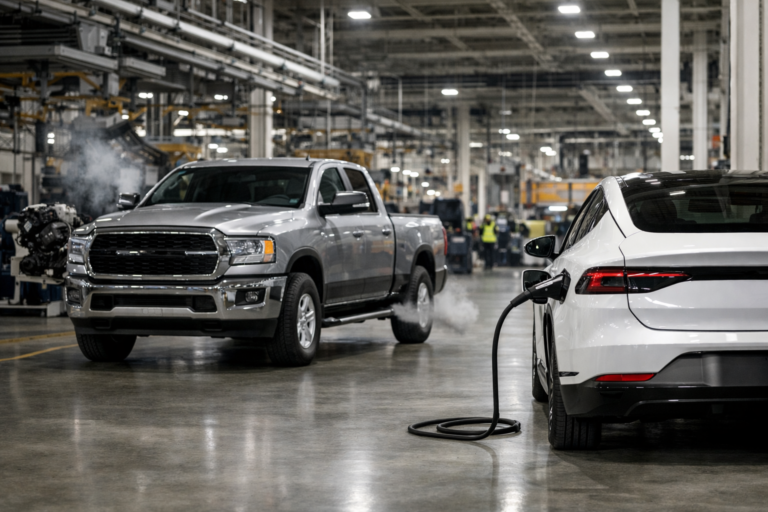

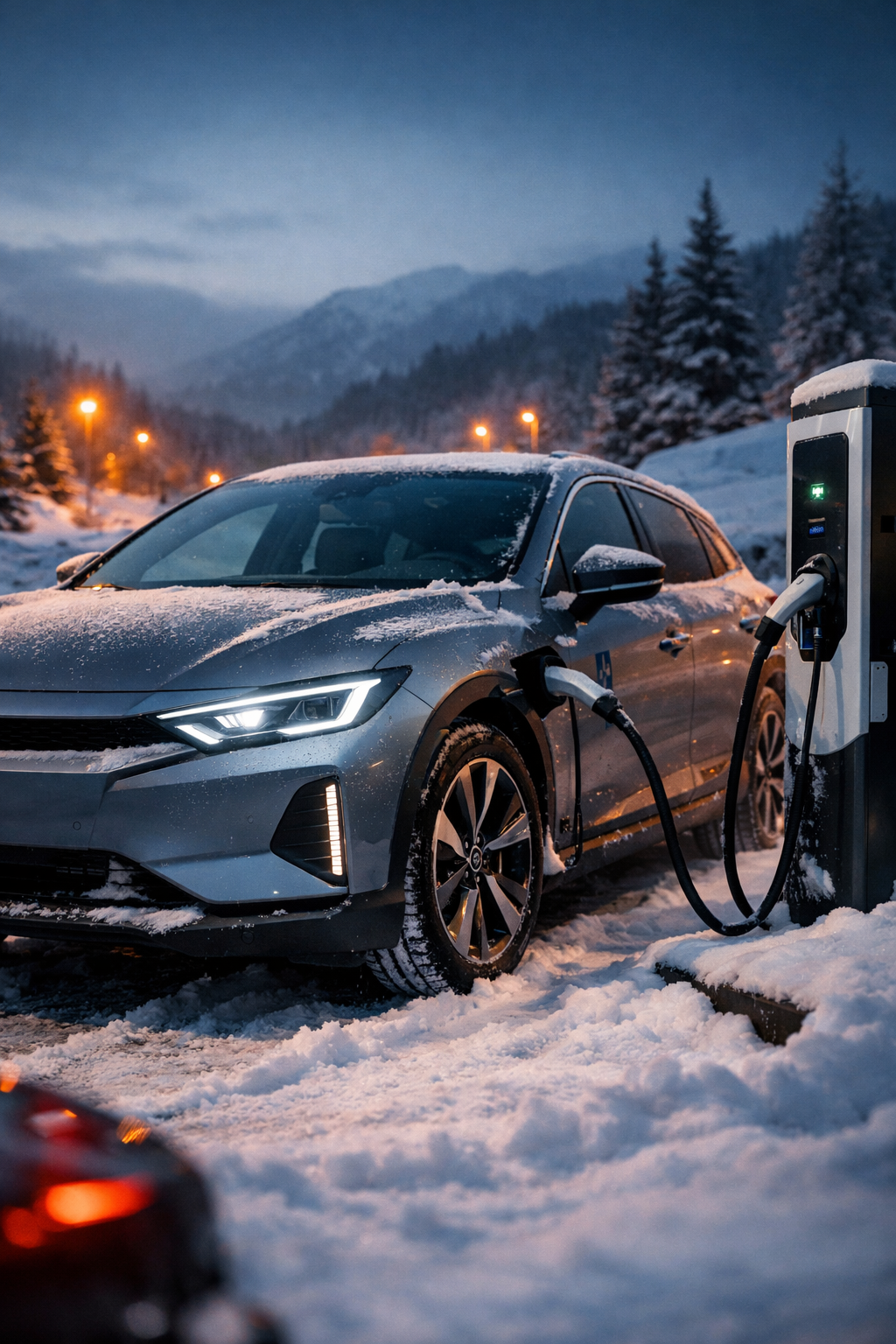
The cold doesn’t politely knock range down by 5 percent. It kicks your EV’s door in, steals 20–40 percent of your miles, and leaves you stranded at a Walmart charger at 2 a.m. If you think that’s exaggeration, I’ve watched a Tesla Model Y Long Range drop from 330 miles EPA to barely 220 miles at 15°F, while a Hyundai Ioniq 5 sulked like a teenager told to shovel snow.
This matters right now because winter EV ownership separates the nerds who understand physics from the folks who believed the brochure. These winter EV tips aren’t about panic or anti-EV doom posting; they’re about beating the cold at its own smug game. Do it right, and your EV will be a snow-conquering hero. Do it wrong, and you’ll be Googling “hotel near broken ChargePoint” while your phone battery dies.
I’ve driven dozens of EVs in winter, from a Volkswagen ID.4 on all-seasons (don’t) to a Ford Mustang Mach-E GT on proper snow tires (do). The tech is brilliant, but the laws of thermodynamics don’t care about corporate buzzwords like “thermal optimization strategy.” Let’s get you home warm, charged, and smug.
Why Winter Is an EV’s Natural Enemy
Cold weather attacks EVs on three fronts: battery chemistry, cabin heating, and rolling resistance. Lithium-ion cells hate the cold, slowing ion movement and reducing usable capacity by up to 30 percent at 20°F. That’s why a 2025 Tesla Model 3 rated at 272 miles EPA can feel more like 190 miles in January.
Then there’s heat. Gas cars get cabin warmth as a free byproduct of waste heat; EVs have to generate it intentionally. Older EVs with resistive heaters can burn 5–7 kW just keeping you toasty, which is like driving with a hair dryer taped to the roof.
Winter EV Tips: Battery Physics Without the Boring Bits
Here’s the cheat code: warm batteries are happy batteries. Preconditioning while plugged in can claw back 10–15 percent of lost range, which is massive when you’re counting miles like poker chips. Most 2025–2026 EVs from Tesla, BMW, and Hyundai now preheat packs automatically when navigating to a DC fast charger.
Ignore this, and DC charging becomes glacial. I’ve seen a cold-soaked Chevy Bolt crawl in at 24 kW on a 150 kW charger, slower than a cat in a sunbeam. Precondition, and suddenly you’re pulling 100+ kW, which is the difference between coffee-stop charging and “I live here now” charging.
Charging Strategy: Home Is King, Public Is a Gamble
Home charging in winter isn’t optional; it’s survival. Level 2 charging at 240V lets your EV gently warm the battery while filling it, improving efficiency and longevity. Even a modest 11 kW home setup can add roughly 30 miles per hour in the cold.
Public chargers? Choose wisely. Electrify America units can be heroes or villains depending on maintenance, while Tesla Superchargers remain the gold standard for consistency. If you’re planning winter trips, read our EV winter road trip guide before trusting your sanity to a blinking error screen.
Driving Style: Stop Pretending You’re Ken Block
Instant torque on snow is hilarious until it’s expensive. Smooth inputs can improve winter efficiency by 5–10 percent, which matters when range is already on a diet. Chill mode isn’t an insult to your masculinity; it’s physics doing you a favor.
Regenerative braking also needs finesse. Aggressive regen on icy roads can upset stability faster than a lifted Ram on bald tires. Many EVs, like the Kia EV6 and Mach-E, now allow reduced regen modes for winter, and you should absolutely use them.
Tires: The Hill I Will Die On
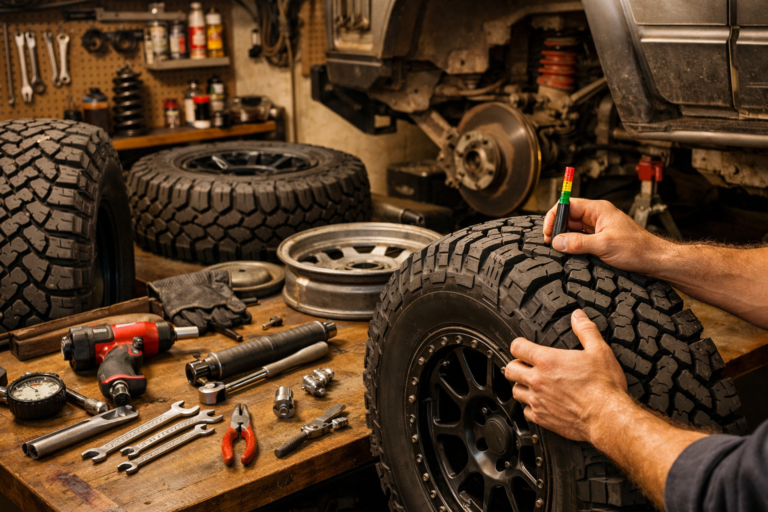
Here’s my controversial hot take: winter tires matter more than AWD in an EV. A rear-drive Tesla Model 3 on proper snow tires will embarrass an AWD SUV on all-seasons every single time. Grip equals confidence, confidence equals efficiency, and efficiency equals range.
If you’re still debating, read our deep dive on snow tires versus all-seasons. Expect a 3–5 percent range penalty from winter rubber, but you’ll gain actual control, which feels like a fair trade for not sliding into a mailbox.
Heat Smarter, Not Harder
Seat heaters are an EV cheat code. They draw about 50–100 watts, compared to thousands for cabin heat. Keeping the cabin at 68°F instead of 75°F can save roughly 10 miles of range on a cold commute.
Heat pumps help, too. Modern EVs like the Volvo EX60 and Tesla Model Y use them to cut heating energy by up to 30 percent in mild cold, though they still struggle in deep-freeze conditions. That’s engineering reality, not a scandal.
Planning Routes Like a Chess Grandmaster
Winter range anxiety isn’t about total range; it’s about buffer. I plan winter drives with a 20 percent arrival buffer minimum, because wind, slush, and elevation gain are silent range killers. Apps like A Better Routeplanner account for temperature, and they’re eerily accurate.
This is also where EV adoption trends matter. As EVs outsell gas in parts of Europe, winter infrastructure improves, meaning better charger density and reliability. North America is catching up, slowly, like a hangover on Monday.
Maintenance Myths and Realities
No, cold weather doesn’t “ruin” EV batteries overnight. Modern packs are designed for it, with thermal management systems far smarter than early Leafs. What does hurt is leaving your EV parked at 10 percent charge in subzero temps for weeks.
Aim to keep winter state of charge between 20–80 percent for daily use. That’s battery care 101, and it applies whether you’re driving a $28,000 Chevy Bolt or a $90,000 BMW iX.
Safety: Silent Cars, Loud Consequences
EVs are heavy, which helps traction but punishes mistakes. A 2026 Rivian R1S weighs over 7,000 pounds, and momentum doesn’t care about your good intentions. Winter braking distances can increase by 30–50 percent, even with ABS and stability control.
Check safety ratings and winter recalls on NHTSA.gov, and verify real-world efficiency data on FuelEconomy.gov. Knowledge beats hope every time.
Pros
- Winter-prepped EVs remain cheaper to run than gas cars
- Instant torque with proper tires is unbeatable in snow
- Preconditioning tech keeps improving for 2025–2026 models
- Home charging eliminates cold-start misery
Cons
- Range loss of 20–40 percent is unavoidable
- Public charging reliability still varies wildly
- Upfront cost for tires and home chargers adds up
Winter EV ownership isn’t about blind optimism or smug denial. It’s about preparation, physics, and a bit of humility. Follow these winter EV tips, respect the cold, and your EV will reward you with silent, torque-rich smugness while everyone else is scraping ice at the pump.
Affiliate Disclosure: This article contains affiliate links. If you purchase through these links, we may earn a small commission at no extra cost to you. This helps support our work and allows us to continue providing free automotive content. Learn more about our affiliate policy.