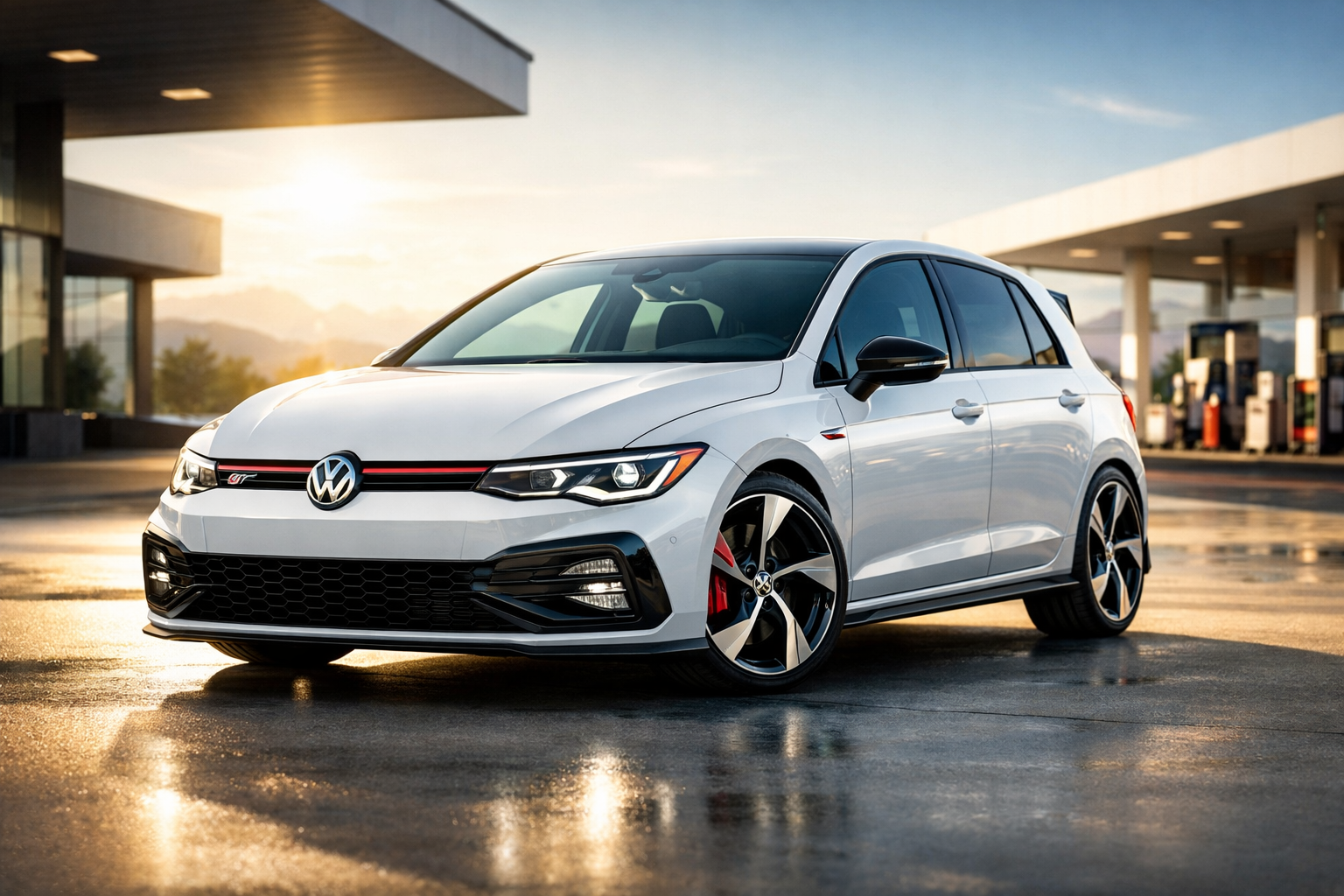

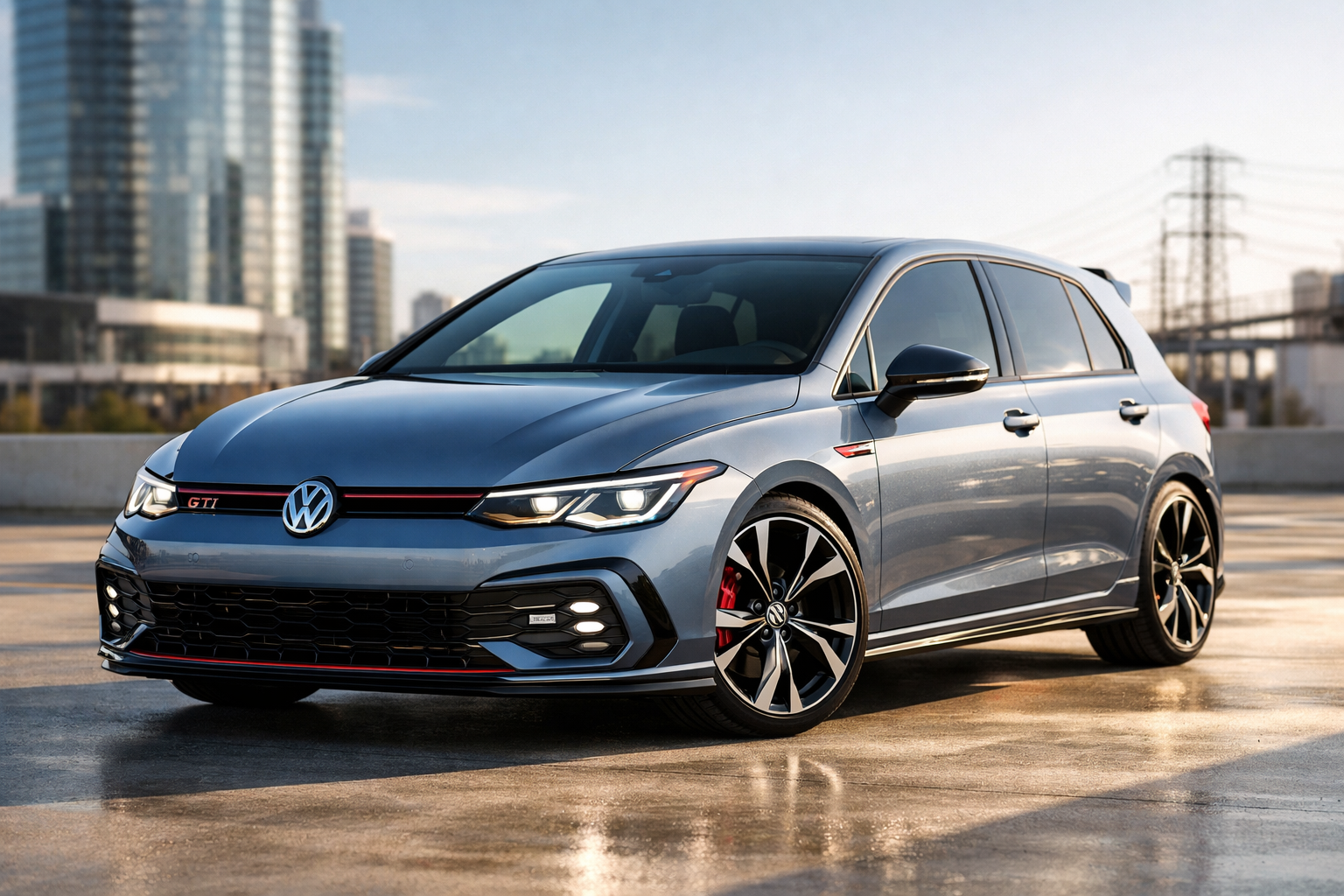
Here’s the heresy no one in Wolfsburg marketing will say out loud: the internal combustion hot hatch isn’t dead after 2030, it’s just been hiding behind a pile of PowerPoint slides labeled “electrification synergies.” And yes, VW hot hatches are at the center of that quiet rebellion. While everyone else is busy slapping fake exhaust sounds onto EVs, Volkswagen is doubling down on gasoline performance like a pub landlord refusing to replace beer with kombucha.
This matters right now because 2025 and 2026 buyers are staring at a shrinking list of affordable performance cars. The Ford Focus ST is gone, the Fiesta ST is a fond memory, and half the segment has been replaced by electric crossovers with the personality of an airport shuttle. VW, bizarrely and bravely, sees an opening where others see regulation panic.
I’ve driven dozens of hot hatches over 15 years, from rattly Mk4 GTIs to today’s brutally fast Golf R, and I’ll say this plainly: Volkswagen understands that enthusiasts don’t just buy horsepower, they buy heritage. That’s why the future of VW hot hatches after 2030 isn’t about stubbornness, it’s about smart engineering and selective rule-bending.
Quick Specs
- Starting Price: approximately $46,000 (check manufacturer website for latest pricing)
- Engine: 2.0L turbocharged inline-4
- Power: 315 hp / 310 lb-ft
- 0-60 mph: about 3.9 seconds
- Fuel Economy: 22 city / 31 highway mpg
Why VW Hot Hatches Still Make Business Sense
Here’s the unsexy truth: hot hatches are cheap to develop relative to SUVs. The Golf R shares architecture, electronics, and engines with half the VW Group portfolio, meaning amortized costs that would make an accountant weep tears of joy.
Compare that to bespoke EV platforms that cost billions before a single car rolls off the line. Toyota knows this with the GR Corolla, Honda clings to it with the Civic Type R, and Hyundai prints credibility with the Elantra N. VW simply refuses to surrender the battlefield.
Emissions Rules Aren’t the Death Sentence Everyone Thinks
Everyone loves shouting “Euro 7!” like it’s the meteor that killed the dinosaurs. In reality, Volkswagen is betting on cleaner combustion, mild hybridization, and synthetic fuels to keep gasoline alive where it matters.
If you want the deeper dive, we’ve already explained VW’s regulatory chess match in Gas Hot Hatches: VW’s Plan to Beat Emissions. Short version: engineers are clever, politicians compromise, and enthusiasts get to keep revving to redline.
The Golf R Is the Blueprint, Not the Exception
The 2025–2026 Golf R isn’t just a fast hatch; it’s a rolling argument against EV absolutism. With 315 hp, torque-vectoring AWD, and a Nürburgring mode that actually works, it humiliates older sports cars while hauling IKEA furniture.
Put it next to rivals like the BMW M135i xDrive, Audi S3, or even the GR Corolla, and the VW feels the most complete. We broke that down in painful detail in our Golf R vs Audi S3 showdown, and the conclusion still stands: the R is the thinking enthusiast’s choice.
Controversial Hot Take: EV Hot Hatches Are Mostly Lying to You
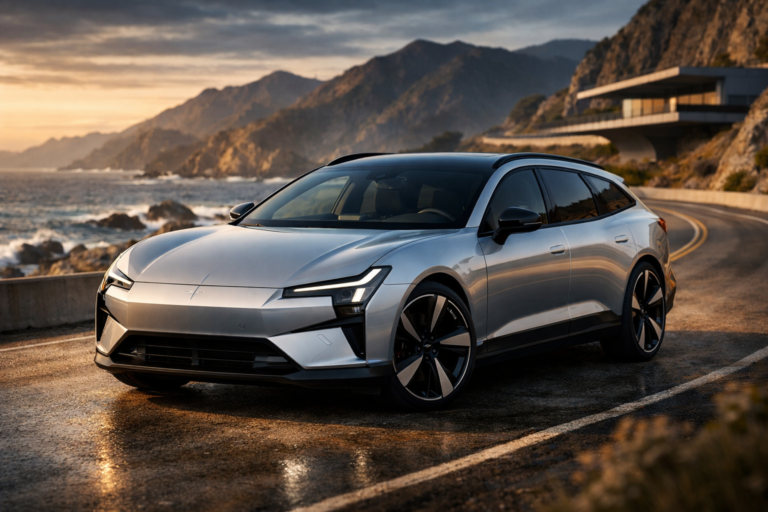
I’m going to annoy some YouTube comment sections here, but most electric “hot hatches” are fast appliances. Yes, 0–60 in 3.5 seconds is impressive, but so is a microwave that heats soup in 90 seconds.
Throttle response that’s instant but soulless, weight north of 4,500 pounds, and brake fade after two hard laps doesn’t equal fun. Chris Harris has said it, SavageGeese has shown it, and anyone who’s pushed hard on track knows it.
Why Enthusiasts Are Pushing Back
Enthusiasts aren’t anti-EV; they’re anti-boredom. The backlash you see online mirrors what we discussed in New Cars Luxury Shift: What Enthusiasts Lose, where weight, screens, and isolation replace feel.
Volkswagen reads forums, watches channels like Throttle House, and knows that a Golf R buyer wants steering feedback, not a meditation app. That feedback loop is why gasoline performance still gets internal funding.
What Happens After 2030, Realistically
No, VW won’t sell gasoline hot hatches everywhere forever. Expect regional availability, limited production runs, and pricing that creeps north of $50,000.
But as long as there’s demand in markets like North America and parts of Europe, VW hot hatches will exist in some form. They’ll be the vinyl records of the car world: niche, cherished, and stubbornly analog.
Ownership Reality Check
Running costs won’t be bargain-basement cheap, but they’re sane. Fuel economy in the low 30s on the highway beats most performance EVs when you factor charging inefficiencies and infrastructure headaches, per FuelEconomy.gov.
Safety remains strong too, with Golf models historically earning top marks from NHTSA. For official specs and updates, always cross-check with Volkswagen’s website.
Pros
- Engaging driving feel EVs still can’t replicate
- Shared platforms keep prices (relatively) sane
- Strong enthusiast heritage and community
- Practical performance with real-world usability
Cons
- Future availability may be limited by region
- Pricing creeping upward each generation
- Regulatory uncertainty post-2030
Volkswagen’s gamble is simple: keep the flame alive while everyone else switches off the gas. If the plan works, VW hot hatches won’t just survive after 2030, they’ll become cult classics the moment they’re discontinued. And if that happens, I’ll see you at the pub, arguing about which Golf R was the last “real one.”