
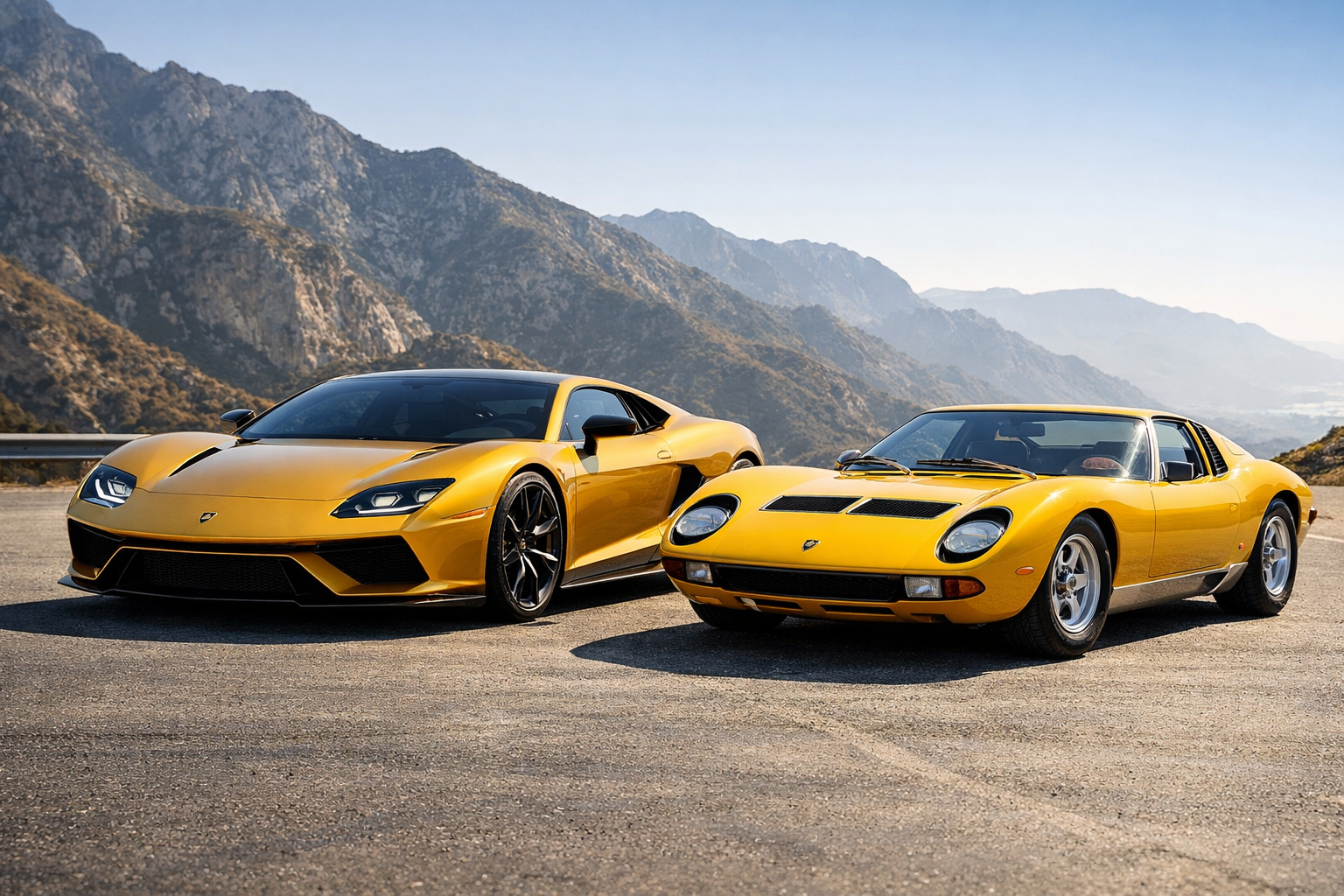
The Lamborghini Miura concept is either the bravest idea Lamborghini’s had in 20 years—or the most dangerous. Reviving the car that invented the supercar genre is like remaking The Godfather: get it wrong and the internet will burn Sant’Agata to the ground. But get it right, and suddenly every wedge-shaped Aventador derivative looks like a corporate PowerPoint slide.
This matters right now because modern supercar design has gone full anime villain. Huge wings, angry LEDs, and “aerodynamic storytelling” nonsense that mostly hides the fact they all drive the same. A Miura reborn could remind us that beauty, simplicity, and engine placement once mattered more than Nürburgring lap-time press releases.
I’ve driven dozens of modern Lamborghinis—from Gallardos to Huracáns—and here’s the uncomfortable truth: they’re brilliant, but they’ve lost some soul. The Lamborghini Miura concept isn’t about nostalgia; it’s about whether modern supercar design still has the courage to be elegant instead of shouty.
Quick Specs
- Starting Price: Approximately $2,000,000+ (concept estimate)
- Engine: Mid-mounted V12 (likely hybrid-assisted)
- Power: Estimated 850–900 hp
- 0-60 mph: Around 2.5 seconds
- Fuel Economy: TBD (expect single-digit city mpg)
Why the Lamborghini Miura Concept Is a Massive Gamble
The original Miura wasn’t just pretty—it rewrote the rulebook by shoving a V12 behind the driver in 1966. Ferrari didn’t fully copy the idea until years later, and McLaren wouldn’t perfect it until the F1. Reviving that name means Lamborghini can’t hide behind carbon fiber tubs and launch control anymore.
Hot take: if Lamborghini builds a Miura that’s heavier than 3,500 pounds, they’ve already failed. Yes, the Revuelto makes 1,001 hp, but it also weighs roughly as much as a small moon. A Miura should feel delicate, not like a fighter jet that ate too many carbs.
Design: Original Art vs Modern Aggression
The original Miura is still one of the most beautiful cars ever made—full stop. No wings, no vents screaming for attention, just curves that look fast while standing still. Modern Lambos like the Aventador and Revuelto are exciting, but subtle they are not.
The Lamborghini Miura concept sketches floating around show smoother surfacing, lower noses, and fewer fake aero elements. That alone makes it more interesting than a Ferrari SF90 or McLaren 750S, both of which look like they were optimized by CFD software and an energy drink sponsorship.
Interior: Analog Soul in a Digital World?
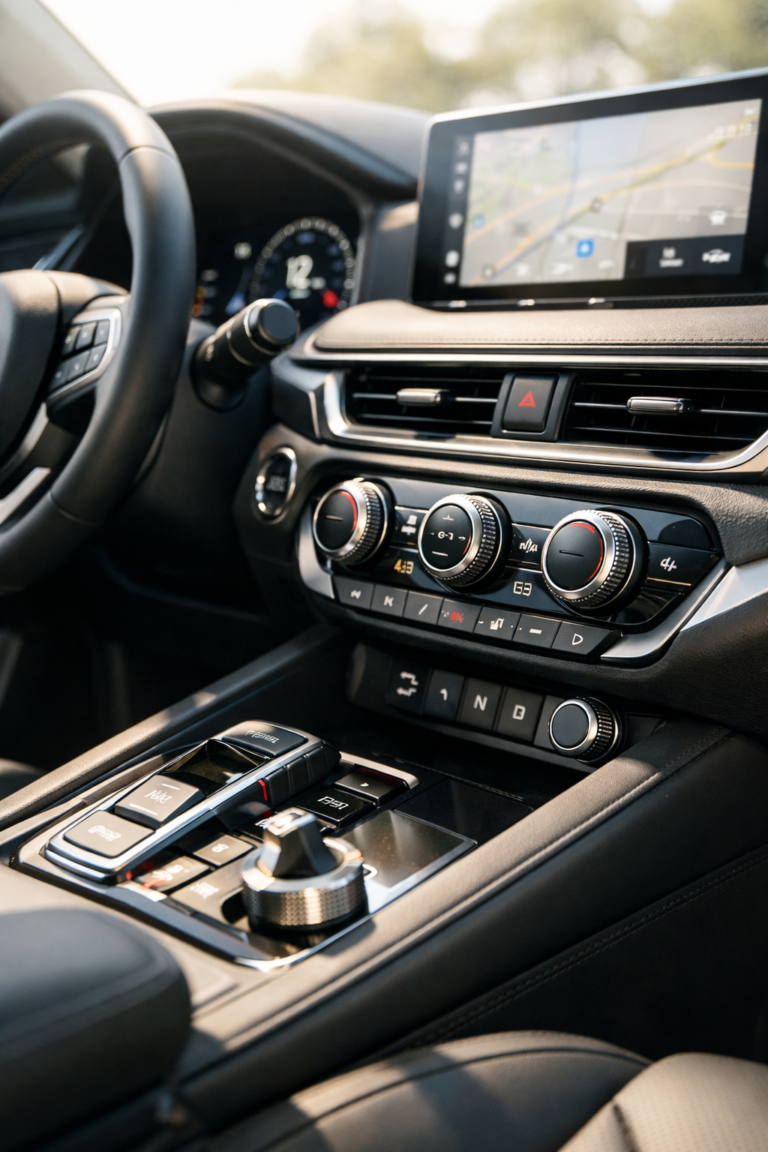
Here’s where things usually go wrong. Modern Lamborghini interiors are fighter-jet cool but rely too heavily on touchscreens that smudge faster than a toddler with chocolate fingers. The Miura needs physical switches, thin pillars, and visibility that doesn’t feel like peering out of a mail slot.
If Lamborghini has the guts to give it minimal screens—think Singer Porsche philosophy, not Tesla iPad-on-wheels—I’ll applaud loudly. Otherwise, it risks becoming another $2 million NFT on wheels, impressive but emotionally distant.
Driving Experience: Beauty Must Be Earned
I don’t care if it does 0–60 mph in 2.5 seconds; everything does now. What matters is throttle response, steering feel, and whether it dances on a mountain road or just clings on like a terrified cat. Chris Harris would tell you the same thing between sideways moments.
The Lamborghini Miura concept should prioritize balance over brute force. Rival cars like the Ferrari Daytona SP3, Aston Martin Valkyrie, and Gordon Murray T.50 already chase purity. If Lamborghini copies them, it’s pointless; if it channels the Miura’s delicacy, it wins.
Hybrid Power: Necessary Evil or Clever Twist?
Let’s be honest: a modern Miura will almost certainly be hybrid. Emissions rules see to that. But there’s a difference between clever electrification and a corporate checkbox exercise.
Use the electric motor for torque fill and smoother low-speed driving, not fake “boost modes” with cringe names. We’ve seen thoughtful hybrid performance done right—just look at how manufacturers are navigating electrification debates in pieces like the future of gas hot hatches.
Value vs Modern Supercars
At roughly $2 million, a Miura revival wouldn’t be about value—it’d be about meaning. For that money, you could buy a Ferrari SP3, a Pagani Huayra, or three McLaren Elvas and still have change for tires.
But none of those cars carry the historical weight of the Miura. Just as Lamborghini watches others kill off icons—see the Lexus LC’s quiet exit—this concept asks whether legends deserve resurrection or respectful retirement.
Brand Impact: Can Lamborghini Be Romantic Again?
Lamborghini today sells more Urus SUVs than supercars, and yes, that bankrolls the madness. But too much success dulls the edge. The Miura concept is a chance to remind the world Lamborghini once built cars because they were beautiful, not because market research said so.
As we’ve seen with controversial brand decisions elsewhere—like radical engine choices at Mercedes—sometimes upsetting purists is the price of progress. The trick is upsetting them for the right reasons.
Pros
- Revives one of the most iconic designs in automotive history
- Potential shift toward elegance over aggression
- Opportunity for lighter, more engaging dynamics
- Massive brand halo effect for Lamborghini
Cons
- High risk of over-modernizing a timeless design
- Hybrid complexity could dilute purity
- Stratospheric price limits real-world impact
If Lamborghini commits fully, the Lamborghini Miura concept could be the most important modern supercar design statement of the decade. If they hedge, sanitize, or over-engineer it, it’ll be just another expensive poster car. Legends don’t need reinvention—they need respect, courage, and a V12 that sings instead of shouts.