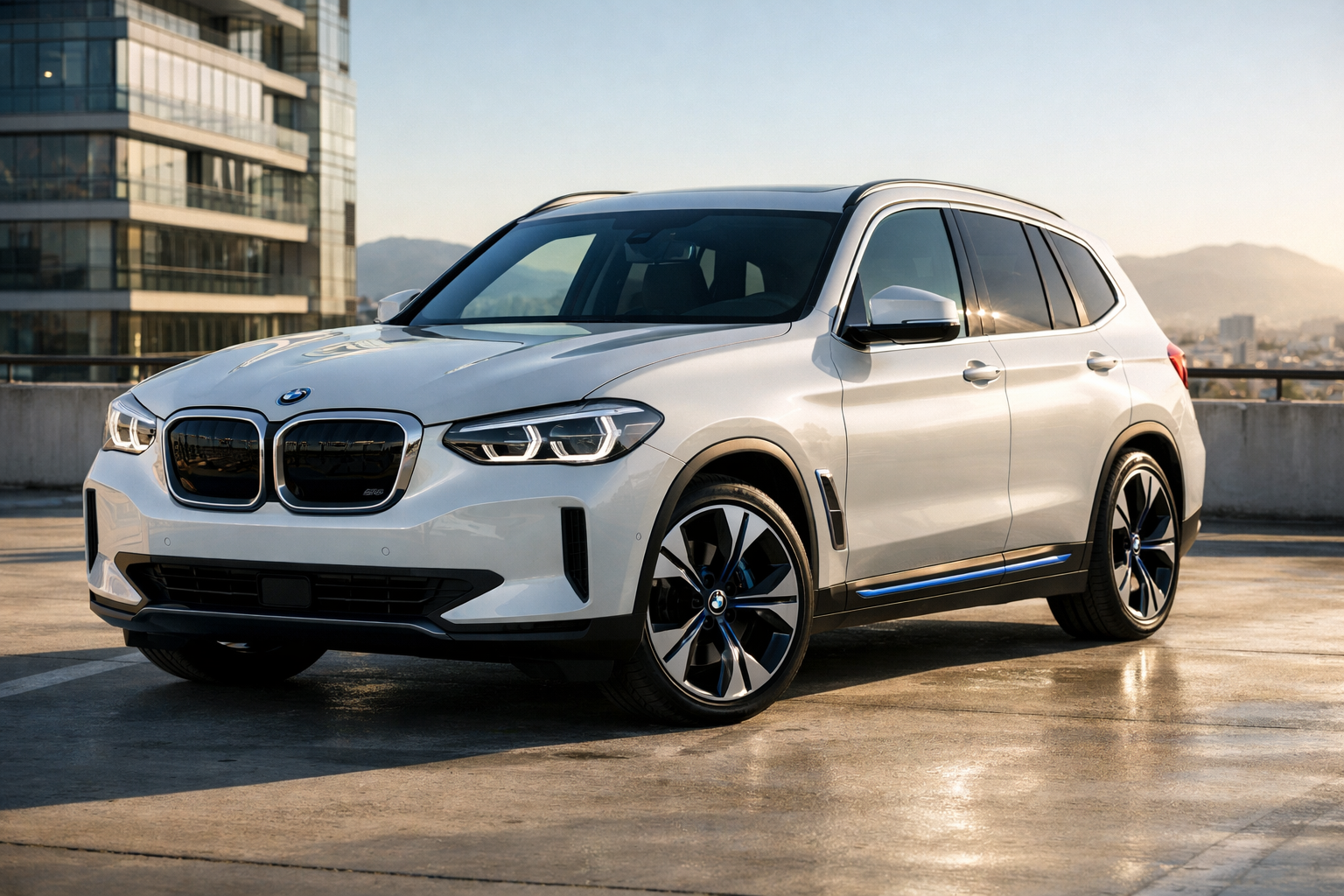

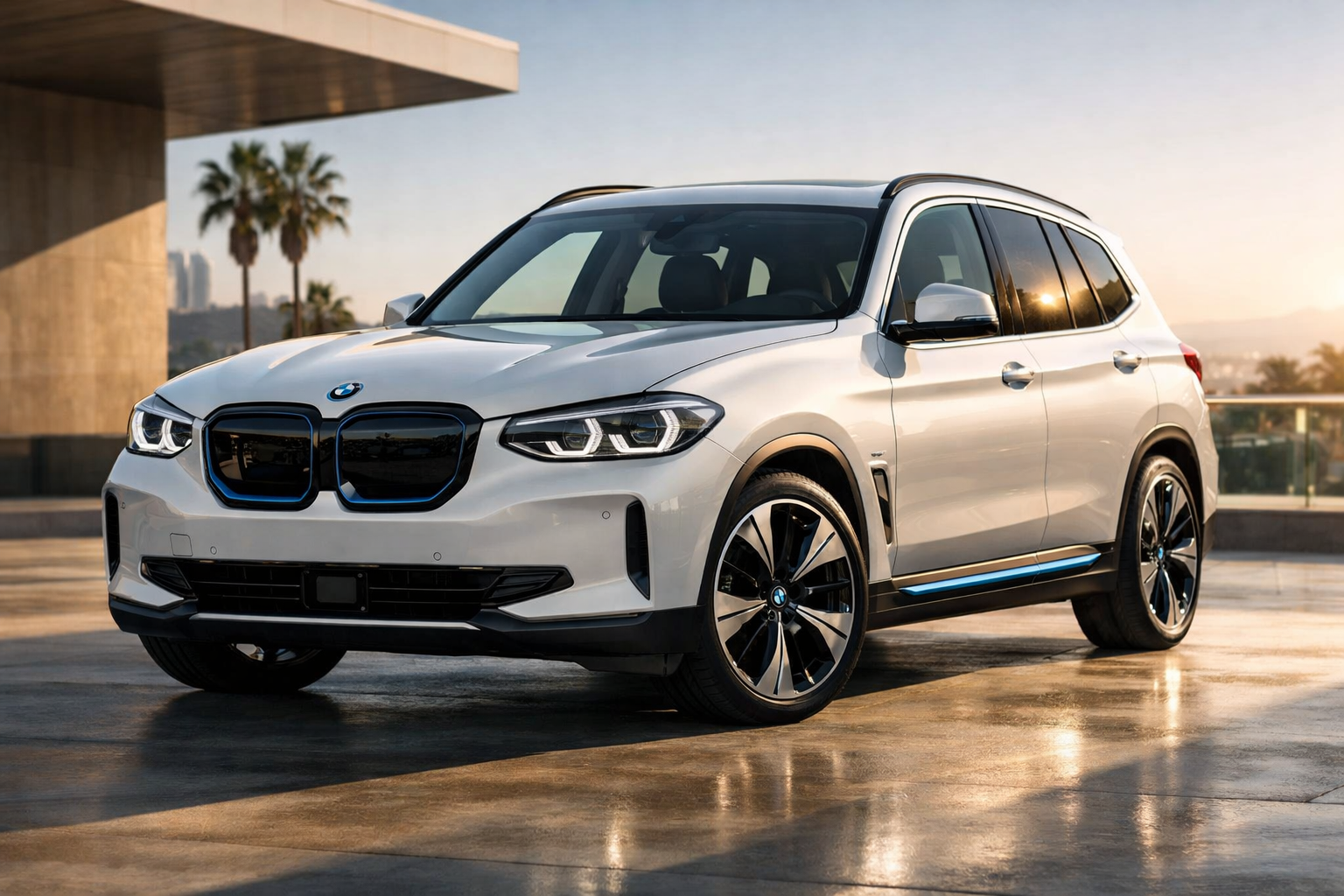
BMW is asking you to swallow a BMW iX3 price hike before the car even lands in dealerships, and that’s like being charged corkage before you’ve tasted the wine. I’ve driven dozens of electric SUVs, and whenever a brand wants more money upfront, it better bring either mind-bending performance or engineering brilliance. The iX3 promises both, but right now it’s all promise and invoice.
This matters right now because electric SUV pricing has gone from “early adopter tax” to “luxury brand dare.” With deliveries looming for the 2026 model year, buyers are staring at deposits and wondering if BMW has finally lost the plot or quietly built the thinking enthusiast’s EV. Tesla Model Y, Audi Q6 e-tron, and Mercedes-Benz EQB are all sharpening knives.
Let’s get this out of the way: the BMW iX3 price hike isn’t happening in a vacuum. BMW knows buyers cross-shopping this thing are already flirting with $60k-plus EVs, and Munich is betting its badge, chassis tuning, and software polish still mean something.
Quick Specs
- Starting Price: starting around $62,000 (check manufacturer website for latest pricing)
- Engine: Single or dual electric motors
- Power: approximately 335 hp (AWD trims expected higher)
- 0-60 mph: approximately 5.5 seconds
- Fuel Economy: estimated 300-mile range
Why the BMW iX3 Price Hike Has Everyone Grumbling
BMW’s justification reads like a corporate bingo card: “next-generation platform,” “software-defined vehicle,” and my favorite, “holistic sustainability.” Translation? New tech costs money, and BMW isn’t interested in being the discount aisle Tesla anymore. The problem is that consumers are increasingly price-literate, especially after years of EV incentives and sudden cuts.
Here’s the spicy take: BMW is deliberately pricing the iX3 to feel exclusive, not competitive. It’s a strategy we’ve seen dissected in our piece on how new cars are drifting upmarket, and enthusiasts are the collateral damage. If you’re hoping for a bargain Bavarian EV, you’re shopping the wrong showroom.
Design: Familiar on Purpose, for Better or Worse
The iX3 doesn’t scream “electric” like a Hyundai Ioniq 5 or look like a concept car that escaped the Geneva Motor Show. It’s intentionally conservative, essentially a well-tailored X3 with smoother surfacing and fewer fake vents. I actually like this, even if YouTube creators like Marques Brownlee will call it “safe.”
BMW’s design restraint ties into its evolving brand identity, something we’ve explored in BMW’s subtle logo changes for EVs. The hot take? Subtlety ages better than gimmicks, and in five years this will look less embarrassing than most competitors.
Interior and Tech: Genuinely Impressive, Finally
Inside, BMW finally seems to understand that screens should enhance driving, not replace it. Expect a curved display with the latest iDrive, haptic feedback that doesn’t feel like a PlayStation controller from 2007, and materials that justify the price. Compared to the plasticky Tesla Model Y, this feels properly premium.
BMW’s software still isn’t perfect, but it’s leagues ahead of Mercedes’ MBUX when it comes to intuitive menus. The iX3 also supports over-the-air updates, which BMW will absolutely use as a marketing cudgel against Audi and Lexus.
Driving Experience: The BMW Part That Still Matters
This is where BMW earns its keep. Early drive impressions suggest steering that actually talks back, damping that doesn’t crumble on broken pavement, and throttle response sharper than most EVs not wearing a Plaid badge. Chris Harris would approve, and that’s not praise I give lightly.
Compared to a Volvo EX40 or Lexus RZ, the iX3 is expected to feel lighter on its feet, even if it’s still north of 4,800 pounds. The controversial bit? I’ll take a slightly shorter range if it means the car doesn’t drive like a refrigerator on roller skates.
Range, Charging, and the Real-World Math
BMW is targeting around 300 miles of range, which puts it squarely in Model Y Long Range territory. Charging speeds are expected to peak around 200 kW, meaning a 10–80% top-up in roughly 30 minutes under ideal conditions. Check FuelEconomy.gov once EPA numbers are finalized.
Here’s the value rub: competitors like the Tesla Model Y often undercut BMW by $10,000 while offering similar range. That’s why the BMW iX3 price hike feels bold, bordering on arrogant.
Value vs Competitors: The Pub Argument
Put the iX3 against an Audi Q6 e-tron, Mercedes EQB, and Tesla Model Y, and the BMW sits awkwardly in the middle. It’s pricier than the Tesla, more engaging than the Mercedes, and arguably more cohesive than the Audi. None of them are cheap, but only BMW is charging extra for driving feel.
If you’re obsessing over EV value, our deep dive on electric SUV value after recent price hikes is required reading. My hot take: most buyers overestimate how much range they need and underestimate how much they’ll care about chassis tuning.
Ownership Costs and the Unsexy Stuff
BMW’s warranty will likely mirror competitors at around 4 years/50,000 miles, with an 8-year battery warranty. Maintenance should be minimal, but insurance on a $60k-plus EV won’t be kind. For safety data, keep an eye on NHTSA.gov once ratings are published.
Electric or not, BMW ownership still carries a premium, something we’ve broken down in detail elsewhere. The iX3 isn’t a money-saving appliance; it’s a luxury purchase pretending to be rational.
Pros
- Engaging driving dynamics for an electric SUV
- High-quality interior materials and tech
- Competitive real-world range
- Design that will age gracefully
Cons
- BMW iX3 price hike makes rivals look tempting
- No standout performance variant at launch
- Still waiting on final EPA numbers
So, is the BMW iX3 worth it before deliveries even begin? If the BMW iX3 price hike makes you flinch, you’re not wrong—but you’re also not the target. BMW is betting that enough of us still care about steering feel, interior quality, and brand DNA to pay extra, and honestly, I think they’re right.