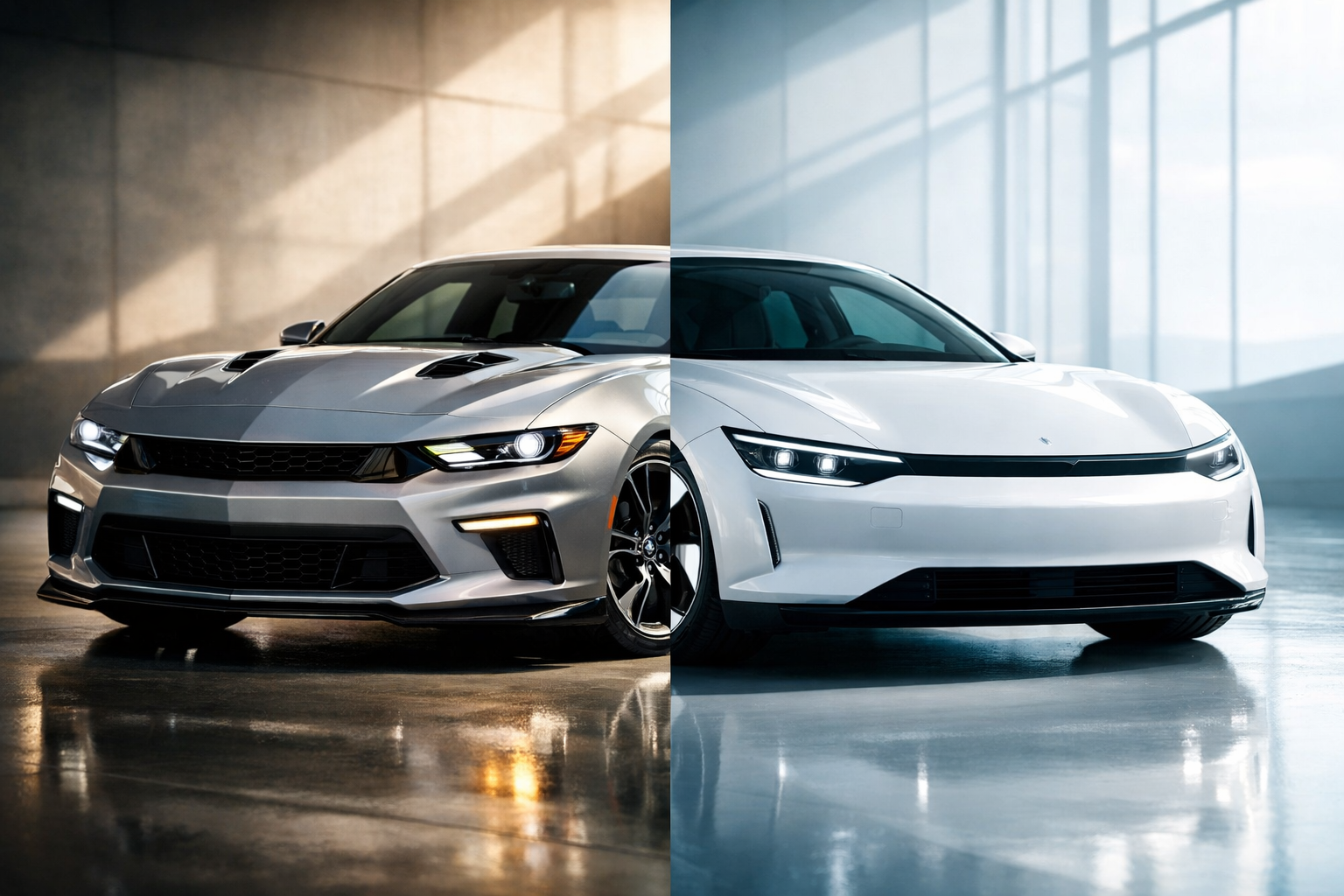

The electric revolution hasn’t just killed tailpipes; it’s having a proper go at brand identity, and not everyone’s coming out handsome. I’ve been staring at car design trends for 15 years, and here’s the shocker: some brands now look more alike than a row of silver MacBooks in a Starbucks. When everything is electric, quiet, and fast, design becomes the loudest voice in the room.
This matters right now because 2025 and 2026 are the years where EVs stop being novelties and start defining brands. BMW, Mercedes, Tesla, Hyundai, Ford, even Ferrari are locking in design languages that will haunt them for a decade. If you care about what badge you park outside your house, car design trends in the EV era should be keeping you up at night.
And before anyone says “it’s just styling,” remember this: Porsche makes a 670-hp Taycan Turbo S that does 0–60 mph in about 2.6 seconds, yet people still argue about its headlights more than its performance. That tells you everything about where brand battles are being fought.
Why Car Design Trends Matter More in the EV Age
Electric cars have fewer mechanical differentiators, which means design is doing the heavy lifting. When every family SUV can sprint to 60 mph in under 5 seconds and deliver 300 miles of range, looks become identity. This is why car design trends now matter more than horsepower figures or Nürburgring lap times.
Look at Tesla: minimalism so extreme it makes Muji furniture look baroque. The Model Y, starting around $44,000 (check manufacturer website for latest pricing), sells in obscene numbers not because it’s beautiful, but because it’s instantly recognizable. Love it or loathe it, that smooth jellybean silhouette is brand identity baked in silicon.
The Death of the Grille and the Identity Crisis It Created
Internal combustion cars needed grilles like pub-goers need pints. EVs don’t, yet designers keep slapping fake ones on like placebo moustaches. BMW’s iX and i4 kidneys are the automotive equivalent of shouting your own name during a handshake.
Mercedes went the opposite way, smoothing everything into a bar of soap with LEDs. The EQS, starting around $105,000, is slippery enough to boast a 0.20 Cd, but it looks less “S-Class authority” and more “airport shuttle from the future.” Hot take: Mercedes sacrificed gravitas for efficiency, and longtime buyers noticed.
Retro-Futurism: When Brands Remember Who They Are
Not everyone forgot their roots. Hyundai’s Ioniq 5 and Ioniq 6 are masterclasses in retro-futurism, channelling 1980s hatchbacks with pixel lighting and crisp lines. At approximately $42,000 to start, the Ioniq 5 proves you can be weird, nostalgic, and modern without confusing people.
Ford did something similar with the Mustang Mach-E, leaning hard on heritage. Yes, calling an electric SUV a Mustang is still controversial, but at least it looks like it belongs to Ford. Compare that to some anonymous Chinese-market EVs and you realize identity is a choice, not an accident.
The Performance Brands Fighting for Their Souls
Porsche, Ferrari, and Lamborghini face the toughest challenge. Porsche nailed it by making the Taycan look unmistakably Porsche, even if you hate the four-door format. Ferrari’s upcoming EVs, due later this decade, are rumored to sound “emotional,” which is corporate code for “we’re panicking.”
Lamborghini, meanwhile, is delaying full EVs until the 2030s, and honestly, good. A silent Aventador replacement with 1,000 hp but no drama would be like a pub with no beer. Chris Harris has said repeatedly that emotion matters more than numbers, and he’s dead right.
Interior Design: Screens vs Soul
Inside, EVs have become screen farms. Tesla started it, everyone copied it, and now we’re drowning in 15-inch touchscreens controlling gloveboxes. It’s efficient, sure, but also about as charming as self-checkout at a supermarket.
Brands like Mazda and Porsche are resisting full touchscreen domination, keeping physical controls for climate and drive modes. That’s not nostalgia; it’s usability. If you want proof that interior design affects ownership satisfaction, read Luxury Car Ownership Costs: 2026 Breakdown and see how tech-heavy cabins age.
Design Homogenization: The Real EV Problem
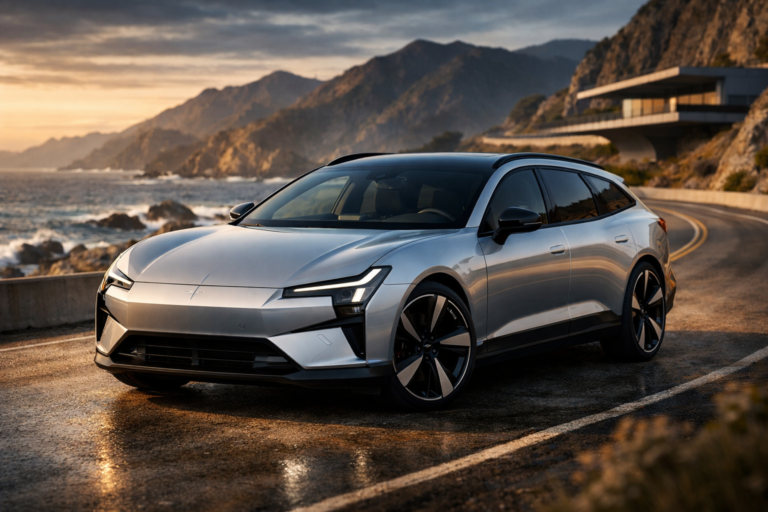
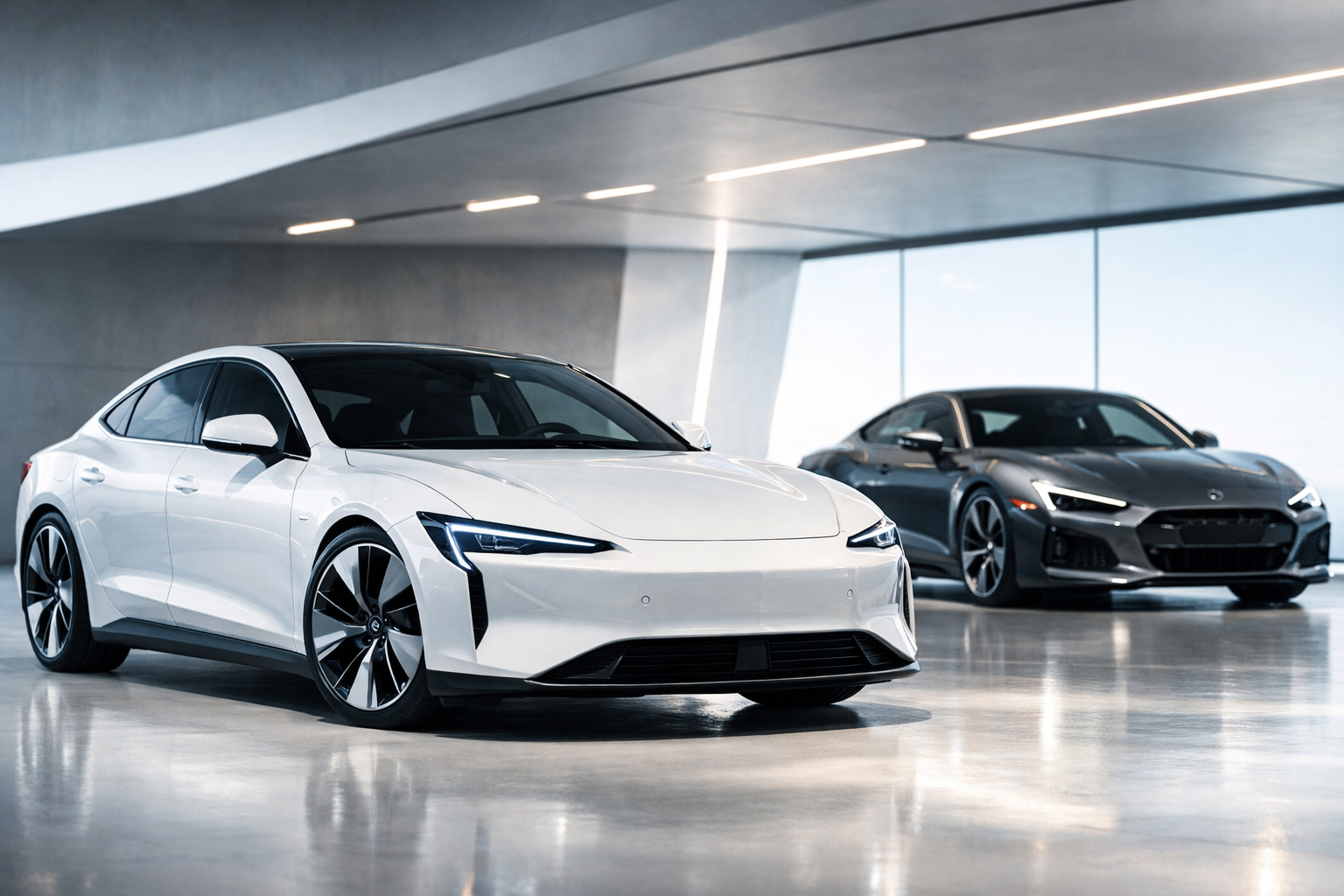
Here’s the controversial bit: EVs are making cars boring to look at. Aero-first design leads to the same teardrop shapes, flush door handles, and LED light bars stretching coast to coast. Lucid Air, Mercedes EQE, Tesla Model S, Xiaomi SU7—line them up, squint, and it’s spot-the-difference.
Car design trends should be about expression, not just efficiency. Yes, range matters, and FuelEconomy.gov will happily show you the numbers, but nobody ever fell in love with a spreadsheet. Brands that forget this will win leases and lose hearts.
How Brand Identity Is Being Rewritten in Real Time
BMW is slowly walking back extreme design after customer backlash. Audi is sharpening lighting signatures instead of grilles, a smart pivot that ties into its tech-forward image. Volvo has gone full Scandinavian appliance, which works because that’s exactly what buyers expect.
If you want a deeper dive into how design choices affect brand perception, our take on Audi New Grille vs BMW: Which Design Matters? lays it bare. Identity isn’t about shouting; it’s about consistency.
Safety, Regulation, and the Unsexy Forces Shaping Design
Pedestrian safety rules, battery packaging, and global regulations are quietly dictating proportions. Higher beltlines and thicker pillars aren’t designers being lazy; they’re responding to physics and law. Check NHTSA data and you’ll see how safety requirements influence shape.
Still, great designers work within constraints. Gordon Murray made the T.50 with a V12 and a fan because rules didn’t stop him thinking differently. EV designers need that same rebellious energy.
Pros
- EVs force brands to rethink identity from the ground up
- Retro-futuristic designs are reconnecting brands with heritage
- Lighting signatures offer new ways to stand out
- Cleaner shapes improve efficiency and range
Cons
- Design homogenization is killing visual excitement
- Fake grilles dilute brand authenticity
- Over-reliance on screens hurts usability and charm
The EV transition is rewriting brand DNA in real time, and car design trends are the sharpest tool in that rewrite. Some brands are finding their voice, others are mumbling through corporate buzzwords about “sustainable luxury.” Ten years from now, we won’t remember who had the longest range in 2026, but we will remember who dared to look different.