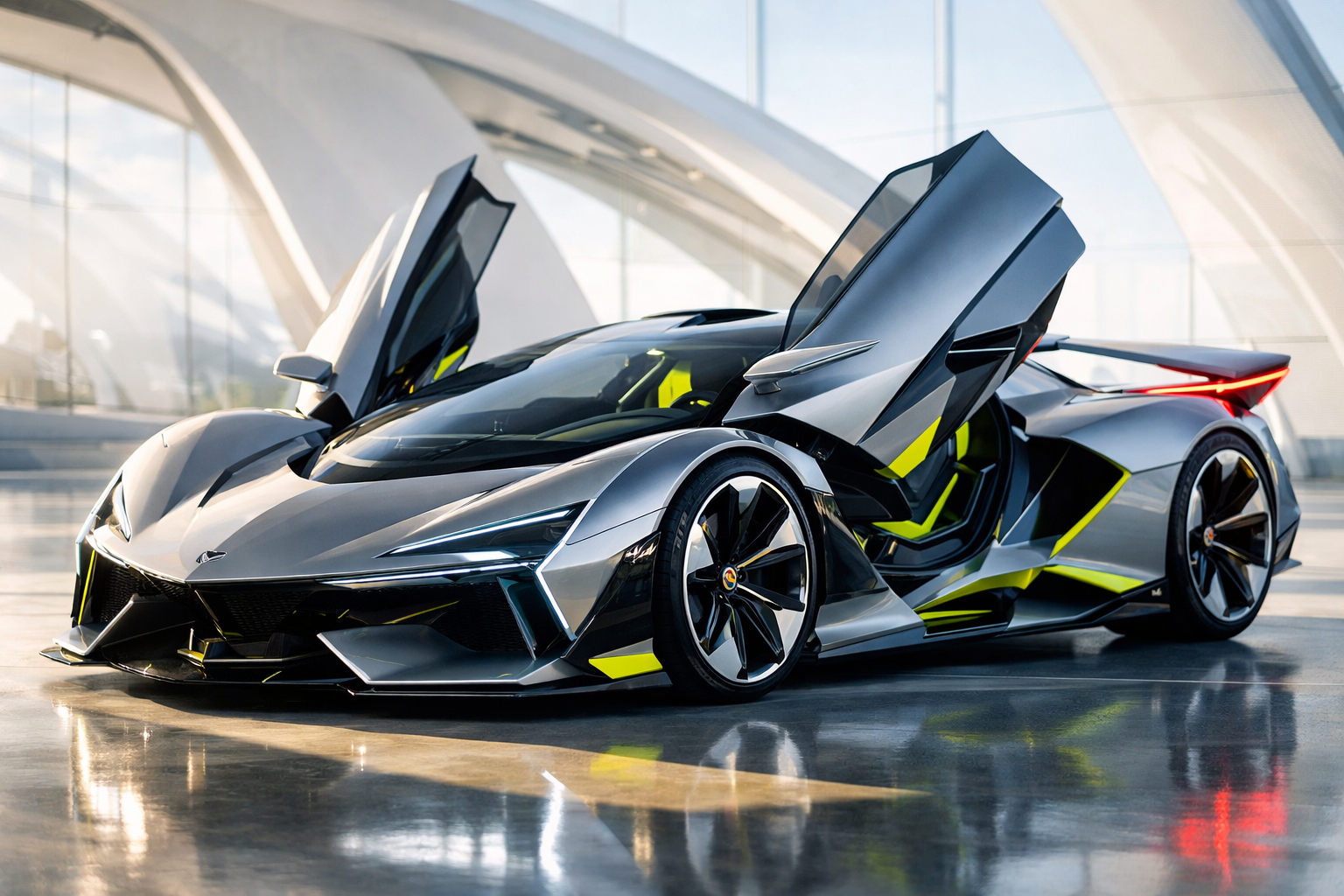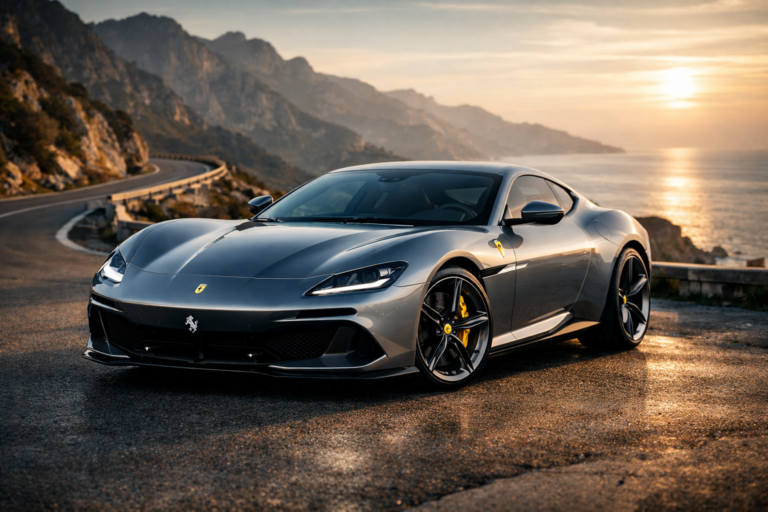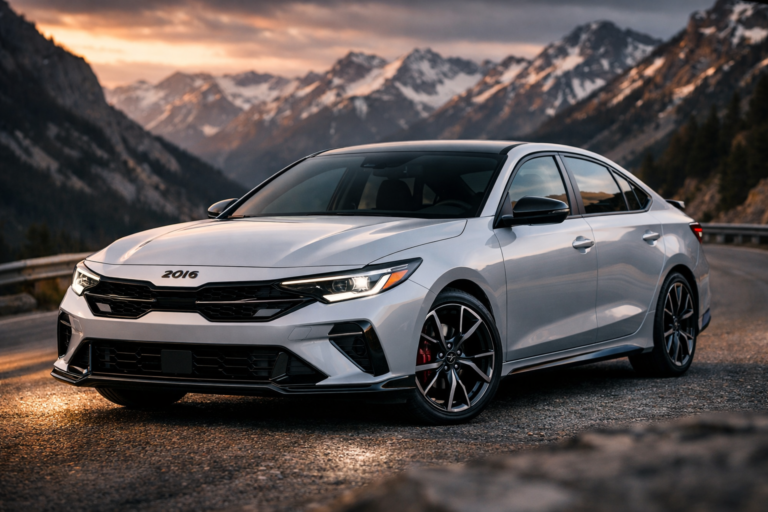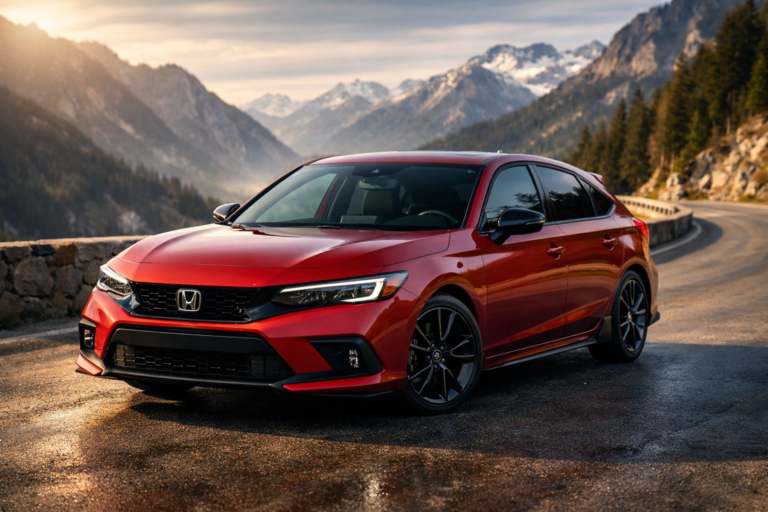

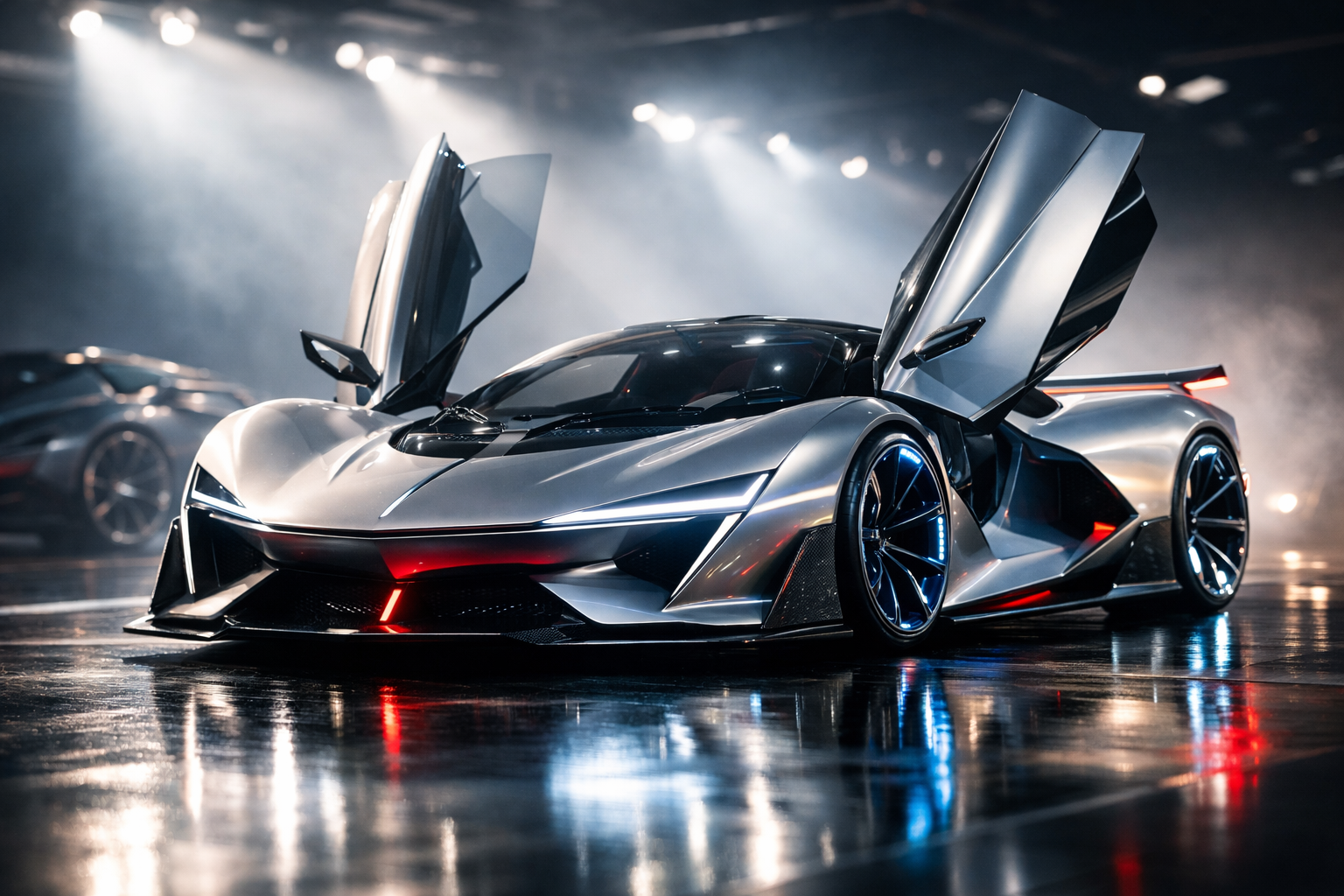
Concept cars used to be polite. Now they look like they’ve escaped from a cyberpunk sketchbook after three espressos and a dare. The concept cars 2026 season has delivered machines with 1,000+ horsepower, yoke steering wheels shaped like PlayStation controllers, and interiors that make your living room feel like a Motel 6.
And I love it. After a decade of sensible crossovers and “efficient mobility solutions” (corporate speak for beige on wheels), designers have taken the handbrake off. If you’re a car enthusiast who thought imagination was dead somewhere between WLTP cycles and software updates, this matters right now.
Because what we’re seeing on show stands in 2026 isn’t just fantasy. It’s a preview of what your next $40,000 family SUV or $120,000 EV rocket will look and feel like by 2028. The wildness isn’t random—it’s a reaction.
Designers Are Finally Off the Leash
For years, regulations and cost-cutting turned design studios into compliance departments. Now, with EV platforms freeing up packaging—no bulky V8, no transmission tunnel—designers can stretch wheels to the corners and drop rooflines like they’re sketching a mid-engine supercar.
Look at Hyundai’s N Vision concepts, BMW’s Neue Klasse experiments, and Cadillac’s Opulent Velocity teasers. These things have lighting signatures brighter than a Vegas casino and bodywork that would make a Lamborghini Revuelto look conservative. Compared to a 2025 Toyota RAV4 or even a sensible Honda CR-V, they’re from another planet.
Hot take: the EV skateboard platform is the best thing to happen to automotive design since the original Audi TT. Yes, I said it. Freedom breeds madness—and madness breeds memorable cars.
EV Power Has Made Horsepower Numbers Absurd
When your concept SUV casually claims 1,000 horsepower and 0–60 mph in 2.5 seconds, you know we’ve left reality behind. The AMG Electric SUV we tested already cracks four figures, and that’s a production car with a warranty.
Concepts are now bench-racing weapons. Dual-, tri-, even quad-motor setups with torque vectoring so aggressive it could rotate the Earth backwards. Ferrari’s EV ambitions, previewed before the Luce hit the scene, show that even Maranello is leaning into electric theatrics.
The controversial bit? We’re approaching peak usable performance. A 2.0-second 0–60 time is brilliant for YouTube thumbnails, but on a damp B-road it’s as useful as a chocolate teapot. Still, for concept cars 2026, shock value is the currency—and automakers are spending lavishly.
Concept Cars 2026 and the Return of Physical Drama
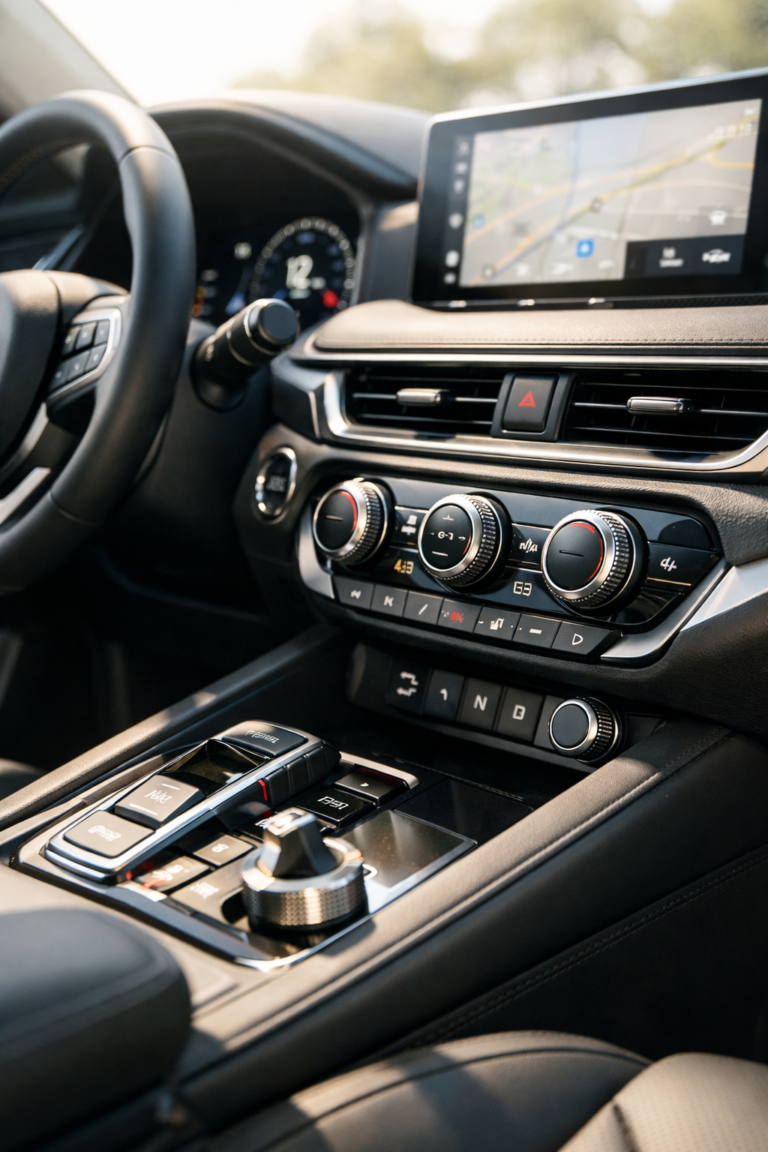
After years of burying everything in touchscreens, designers are rediscovering theatre. Big toggles. Crystal-like rotary controllers. Steering wheels that look like they belong in a Le Mans prototype.
It’s no coincidence this comes after enthusiasts rebelled against haptic sliders and buried climate controls. We’ve already ranted about how touchscreens went too far in cars, and manufacturers have clearly been reading the comments.
Even the wildest concepts now blend screens with tactile elements. It’s not nostalgia—it’s usability. Doug DeMuro would have a field day cataloguing the quirks, but the underlying message is serious: interaction matters.
Auto Shows Needed a Shot of Adrenaline
Let’s be honest, traditional auto shows were on life support. Then the wild stuff returned. The Philadelphia Auto Show revival proved that spectacle still draws crowds.
Concept cars are Instagram bait, TikTok fuel, and YouTube gold. A slammed, neon-lit electric hyper-sedan with scissor doors will generate more clicks than a sensible midsize refresh. Just ask the teams behind Geneva’s comeback or the LA Auto Show’s EV-heavy stages.
Manufacturers have realized that if they can’t outspend Tesla on software, they can out-dramatize them on stage. And frankly, it works.
Regulation Has Stabilized—So Creativity Creeps Back
Emissions rules haven’t vanished, but they’ve plateaued in many markets. With EV adoption rising and hybrid systems maturing, engineers have breathing room.
That’s why we’re seeing rotary range-extender concepts pop up again—yes, really. Mazda’s stubborn love affair with spinning triangles, detailed in our deep dive on the rotary’s future, shows how legacy tech can be reimagined under modern emissions frameworks.
When compliance becomes predictable, creativity returns. It’s like telling a chef the exact dietary restrictions upfront—they’ll cook something brilliant instead of bland.
They’re Testing Our Appetite for Weird
Automakers are using concepts as social experiments. Will buyers accept yoke steering? Fully recycled interiors? Exterior lighting that communicates with pedestrians?
We’ve already argued that weird works for entry-level EVs. Concepts push that idea to the extreme. If a crowd cheers for a pillarless SUV coupe with rear-hinged doors and no rear window, guess what shows up in diluted form three years later?
Controversial opinion: the Toyota Prius did more for daring design acceptance than any supercar. It trained mainstream buyers to accept oddness. Now the gloves are off.
Concept Cars 2026 Are Marketing Weapons
Every wild machine on a rotating plinth is a halo. Even if it never reaches production, it shifts brand perception. Genesis, for example, went from “nice Hyundai” to legitimate performance threat in under a decade—just look at the ambition behind the Magma GT concept.
When a brand shows a 900-hp electric coupe with active aero and a 300-mile projected range (always “projected,” naturally), it tells the world: we can do this. Whether the production car ends up with 600 hp and a starting price around $85,000 (check manufacturer website for latest pricing) is almost secondary.
It’s the same playbook Bugatti uses with outrageous stunts—create a myth first, sell the car second. Drama drives deposits.
What This Means for Real Cars You’ll Actually Buy
The wild proportions and tech you see in concept cars 2026 won’t arrive unchanged. But the lighting signatures, minimalist dashboards, augmented-reality head-up displays, and sustainable materials absolutely will.
Expect more production EVs with 300–400 miles of range, 0–60 mph times under 4.0 seconds, and starting prices approximately $45,000–$60,000 by 2028. That’s already happening when you check brands’ official sites like Tesla or legacy players pivoting hard into electric.
And here’s the bit enthusiasts should cheer: bold concepts make boring cars harder to justify. Once you’ve seen a radical fastback with a panoramic OLED roof, a slab-sided crossover feels like yesterday’s leftovers.
Pros
- Pushes design boundaries and keeps brands exciting
- Previews real tech: battery density, AR displays, advanced materials
- Reintroduces physical controls and theatrical interiors
- Generates enthusiasm that trickles down to mainstream models
Cons
- Horsepower arms race bordering on absurd
- Many features won’t survive cost-cutting
- Risk of style over substance
Ultimately, concept cars 2026 prove the industry still has a pulse—and it’s beating faster than it has in years. If this is the design direction for the next decade, I’ll happily grab a front-row seat and a pint. The future might be electric, but at least it’s no longer boring.
Frequently Asked Questions
Why are concept cars 2026 so extreme compared to older concepts?
EV platforms free up design constraints, and brands use extreme styling and 1,000+ hp claims to grab attention. With emissions rules stabilizing, designers have more freedom to experiment without immediate production pressure.
Do concept cars ever reach production?
Rarely in original form. Typically 30–50% of design elements—like lighting signatures or interior layouts—make it to production within 2–4 years, often toned down for cost and safety compliance.
Are 1,000-horsepower EV concepts realistic?
Technically yes. Production EVs already exceed 1,000 hp with sub-3.0-second 0–60 times. The challenge isn’t power—it’s battery cost, cooling, and making that performance usable on real roads.
How do concept cars influence regular SUVs and sedans?
They preview future tech like 300+ mile battery packs, augmented-reality displays, and sustainable materials. Expect these features to appear in mainstream vehicles priced approximately $40,000–$60,000 within a few years.