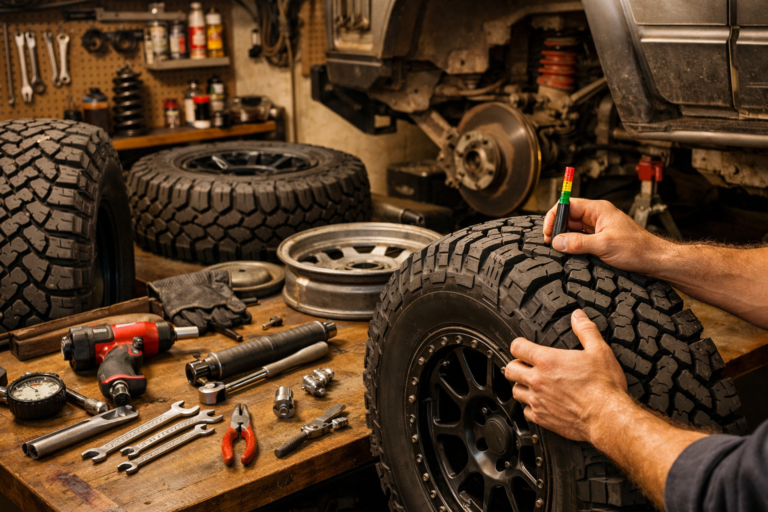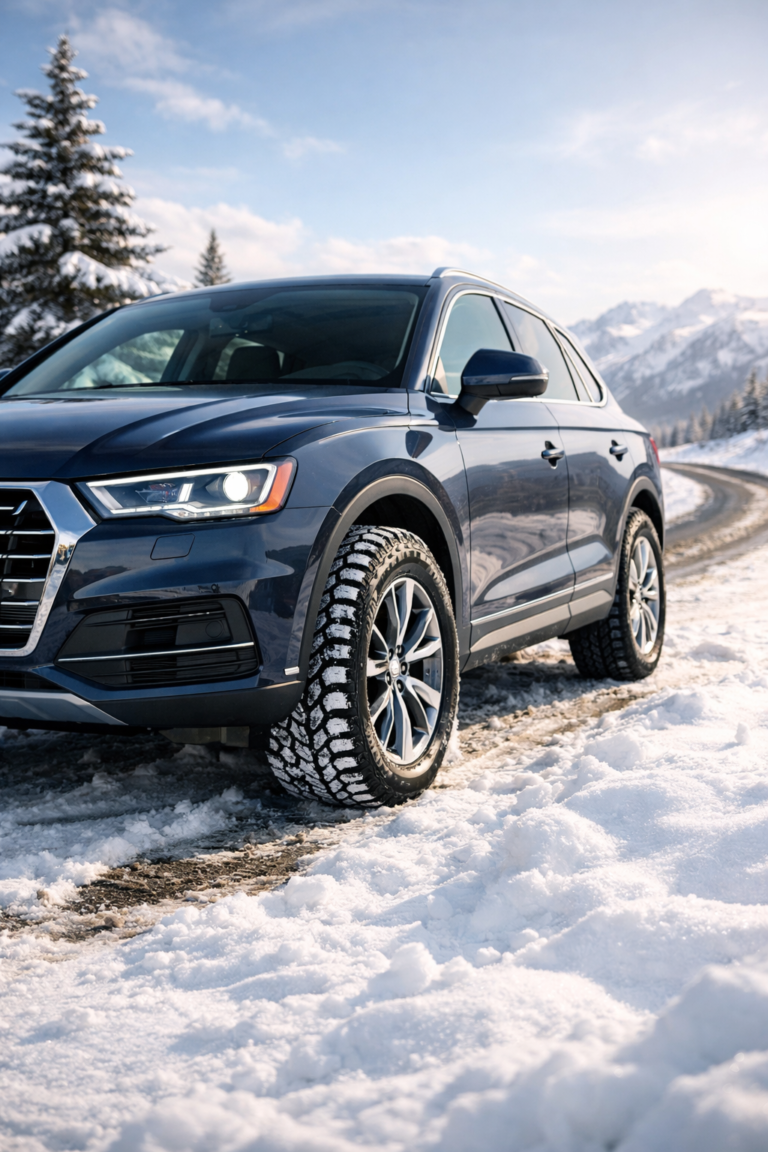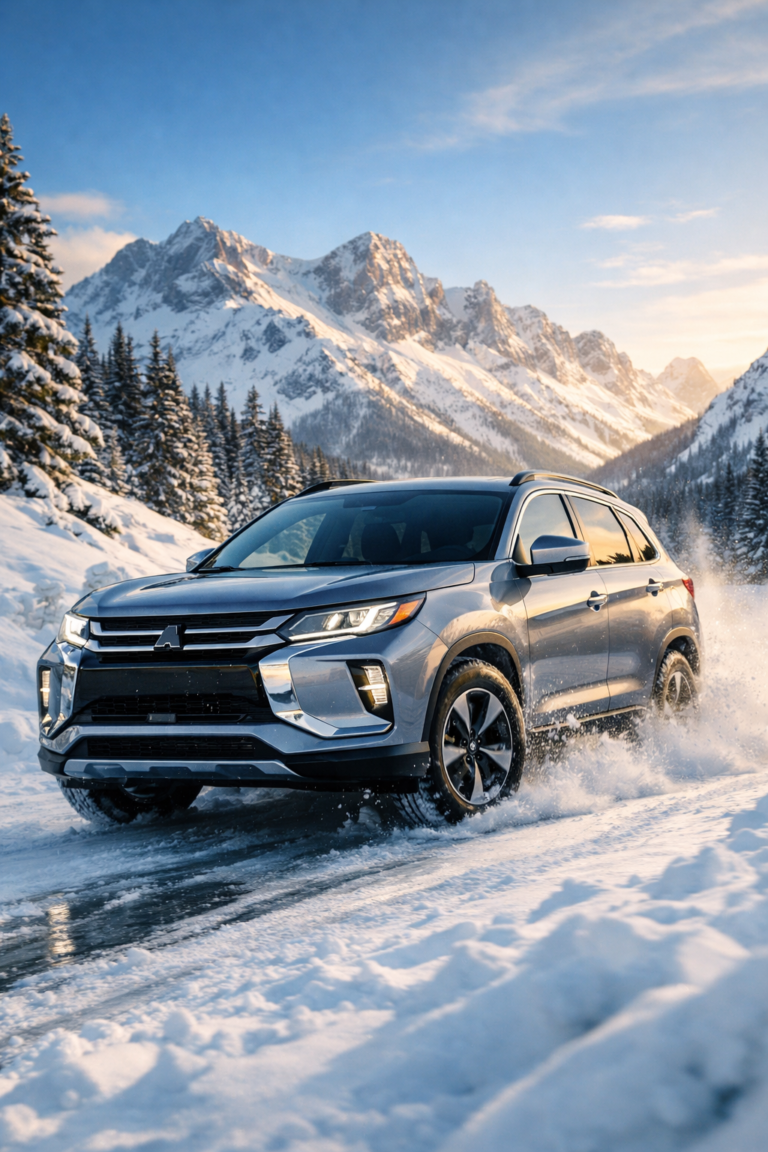

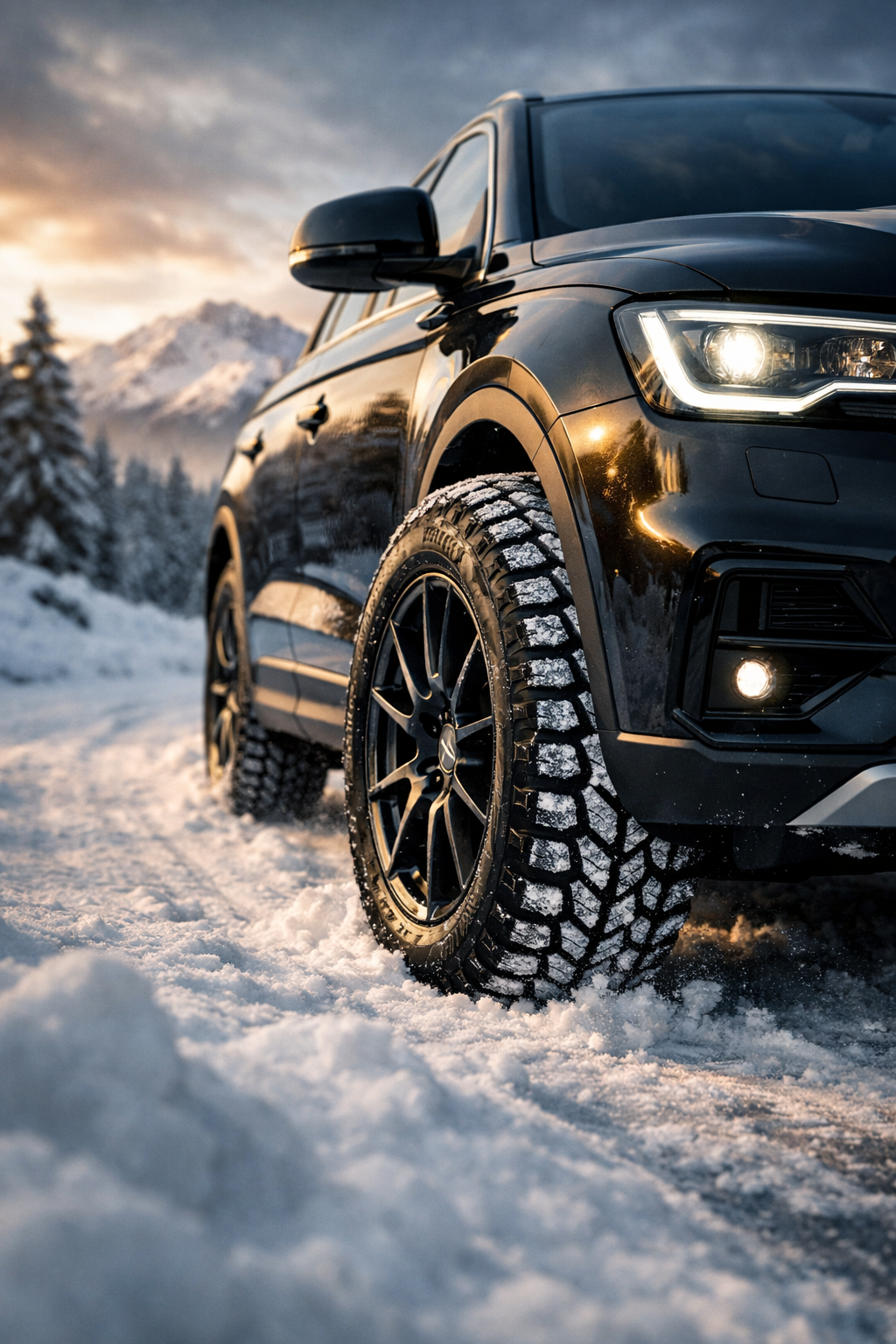
If you think all-wheel drive makes you invincible in winter, I’ve got a snowbank in Quebec to sell you. Tires are the only bit of your car actually touching the road, and yet they’re treated like an afterthought—until the ABS chatters like a nervous squirrel. This snow tires guide exists because I’ve watched $80,000 SUVs pirouette gracefully into ditches while a clapped-out Subaru on proper winters motors past. Winter doesn’t care about your horsepower, your badges, or your YouTube comments.
Right now matters because temperatures drop below 45°F, and that’s when summer and most all-season rubber turns harder than a politician’s heart. The difference between winter tires vs all-season isn’t marketing fluff; it’s physics, rubber compounds, and siping that actually bites into snow. Get this wrong and your cold weather driving turns into a low-budget episode of “Canada’s Worst Drivers.” Get it right and you’ll wonder why manufacturers don’t shout louder about tire safety.
I’ve driven dozens of SUVs, hot hatches, and EVs on frozen lakes, and the pattern is always the same. Proper winter rubber transforms braking distances, steering feel, and confidence more than adding AWD ever will. Consider this snow tires guide your no-nonsense pub chat with the mate who’s already binned it once and learned the hard way.
Why This Matters: Tires Trump Drivetrains
Here’s the uncomfortable truth: AWD helps you go, but tires help you stop and turn. At 30 mph on packed snow, a car on winter tires can stop in roughly 90 feet, while the same car on all-seasons might need 140 feet or more. That’s a full car length and a half of “oh no” you don’t want. Before arguing in the comments, read our breakdown of AWD vs 4WD in winter.
Rubber chemistry is the secret sauce. Winter tires stay pliable below 45°F, while all-seasons go numb and uncommunicative. Think throttle response lazier than a cat in a sunbeam, except it’s your steering wheel telling you lies. Tire safety starts with grip, not marketing badges.
Winter Tires vs All-Season: The Real Difference
The phrase “winter tires vs all-season” gets abused by salespeople, so let’s clear it up. All-seasons are a compromise, usually with tread depths around 9/32 and rubber designed to survive heat, rain, and mild cold. Winter tires typically start around 10–12/32, packed with sipes that look like a QR code and actually do something useful.
On ice, the coefficient of friction difference is night and day. A Michelin X-Ice or Bridgestone Blizzak can generate up to 30% more grip than a decent all-season at 20°F. That’s not subtle, and no amount of electronic stability control can invent traction you don’t have. If you’re still skeptical, bookmark our Snow Tires vs All-Season guide for bedtime reading.
Choosing the Right Type: Studded, Studless, or Performance Winter
Studded tires are the medieval mace of winter driving: devastating on ice, loud, and often illegal on dry roads. Studless winters like the Nokian Hakkapeliitta R5 or Continental VikingContact 7 use clever compounds to mimic that bite without metal. Performance winter tires—think Pirelli Winter Sottozero—trade some snow grip for better dry-road feel.
Here’s my hot take: unless you live on an actual glacier, studless winters are the sweet spot for 90% of drivers. They’re quieter, legal everywhere, and won’t feel like driving on marshmallows when the road dries. Save studs for rural ice roads and YouTubers chasing clicks.
Size Matters: Don’t Just Match What’s on the Door Sticker
Wider isn’t better in snow, despite what Instagram says. A narrower tire cuts through slush like a pizza cutter, improving contact pressure. Downsizing from a 245-width to a 225 can improve traction and usually saves money.
Wheel size matters too. Dropping from a 20-inch wheel to an 18-inch winter setup often improves ride comfort and protects you from potholes that feel like meteor strikes. Plus, steel wheels are cheap, ugly, and brilliant—embrace them.
Brand Battles: What Actually Works
The holy trinity right now is Michelin X-Ice Snow, Bridgestone Blizzak WS90, and Nokian Hakkapeliitta R5. Continental’s VikingContact and Goodyear UltraGrip are strong contenders, while budget brands are… fine, if your expectations are managed. Expect prices approximately $120 to $300 per tire depending on size—check manufacturer websites for latest pricing.
I’ll name-drop competitors like a YouTube thumbnail: Pirelli, Yokohama IceGuard, and General Altimax Arctic all have fans. But I’ve yet to meet a driver who regretted spending a bit more on top-tier rubber after their first emergency stop. For deeper nerdiness, our winter tire tread guide is required reading.
EVs and Hybrids: Extra Weight, Extra Needs
Electric cars chew through tires like a Clarkson metaphor because of instant torque and extra weight. A Tesla Model Y on winters can see range drop 10–20% in cold weather, but grip improves massively. That’s a trade I’ll take every time.
Choose a winter tire with a reinforced sidewall and low rolling resistance if available. And yes, EV-specific winter tires are becoming a thing—no, they’re not just a scam. For more on winter electrification, see our Winter EV Survival guide.
Common Mistakes That Make Me Facepalm
Only fitting winter tires on the driven axle is a classic error, especially on FWD cars. Congratulations, you’ve invented snap oversteer. Always fit all four.
Another sin is waiting until the first snowstorm, when tire shops resemble Black Friday at Best Buy. Buy early, store them properly, and rotate annually. Also, stop believing nonsense—our piece on winter driving myths exists for a reason.
Step-by-Step: How to Buy Smart
Step one: know your size and consider downsizing width. Step two: decide studded vs studless based on your climate, not bravado. Step three: set a budget and stick to reputable brands.
Step four: check load ratings, especially for SUVs and EVs. Step five: book installation before the rush. Follow this snow tires guide and you’ll avoid 90% of winter tire regret.
Pros
- Massively improved braking and steering in snow and ice
- Better cold weather driving confidence below 45°F
- Reduced reliance on electronic aids
- Often cheaper insurance-wise after winter claims
Cons
- Upfront cost of a second tire set
- Storage space required
- Softer feel on dry roads
The final word is simple: buy the best winter tires you can afford, mount them early, and laugh quietly as others struggle. This snow tires guide isn’t about fear—it’s about control, physics, and respecting winter’s rules. If you want official safety context, browse NHTSA, and for tire tech, start with Michelin. Winter will still be cold, but at least your car won’t be stupid.