
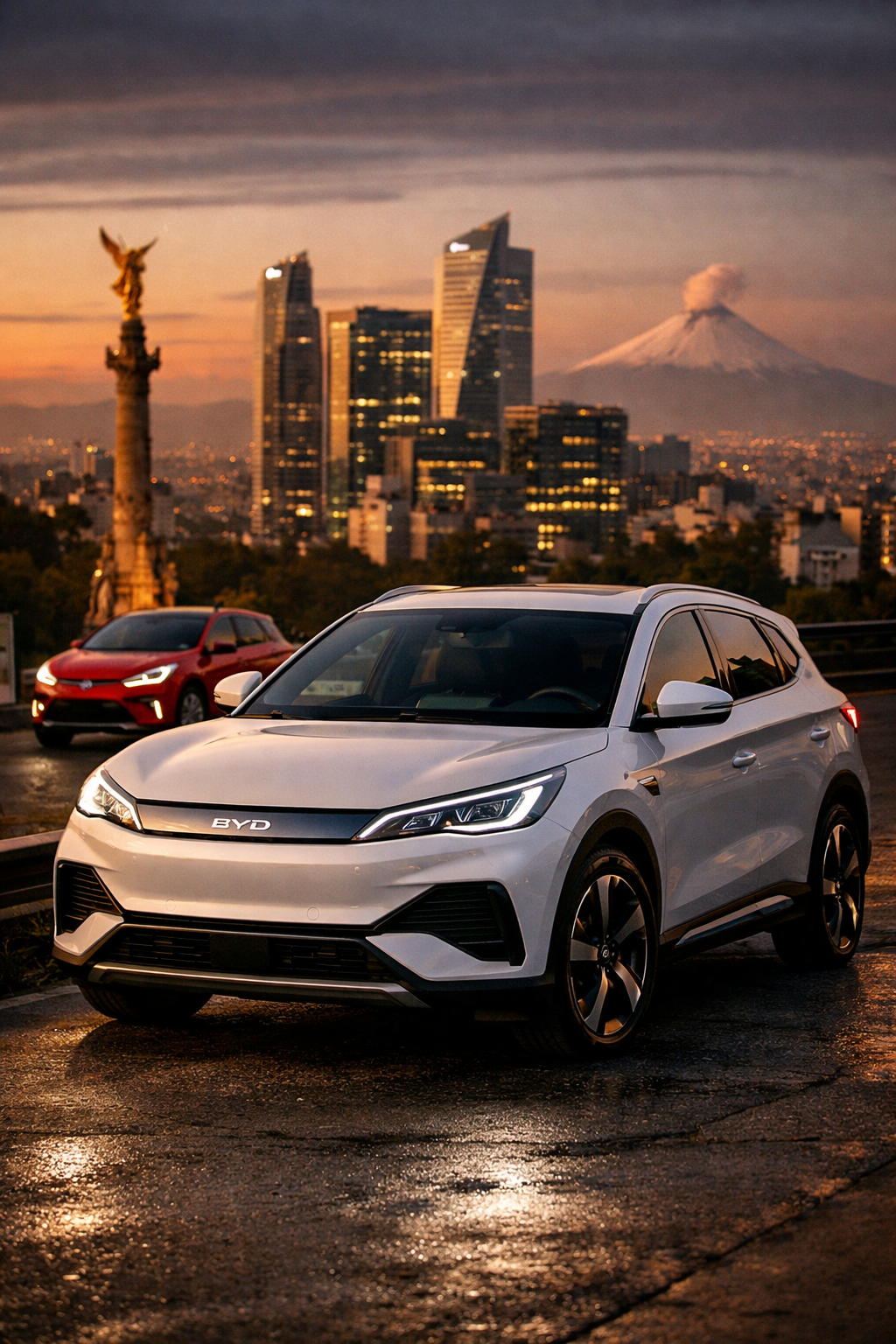
The most disruptive car in Mexico right now isn’t a Mustang Mach-E or a Tesla Model Y—it’s a Chinese hatchback that costs less than a used Corolla. BYD Mexico has become the automotive equivalent of a dropped mic, undercutting legacy brands so aggressively it’s making Detroit executives spill their $12 lattes. And if you think this is just Mexico’s problem, grab another beer, because North America is next.
I’ve driven dozens of EVs over the past decade, from six-figure electric hypercars to compliance specials with steering feel like a PlayStation controller. What’s happening with Chinese EVs isn’t about passion or brand cachet—it’s about brutal math, geopolitics, and consumers who are sick of paying $45,000 for “entry-level.” BYD Mexico is the canary in the coal mine for the entire continent.
This matters right now because Mexico isn’t just a market—it’s the factory floor for North America. If Chinese EVs crack it wide open, tariffs, trade deals, and brand loyalties will start bending like wet cardboard.
Quick Specs
- Starting Price: approximately $20,000 USD (check manufacturer website for latest pricing)
- Engine: Single electric motor
- Power: approximately 200 hp / 229 lb-ft
- 0-60 mph: about 7.0 seconds
- Fuel Economy: roughly 250-mile range
BYD Mexico: The Trojan Horse With a Charging Cable
BYD Mexico isn’t storming the gates with luxury—it’s doing it with price tags that feel like typos. Models like the Dolphin and Yuan Plus (Atto 3 elsewhere) start around $20,000–$25,000 USD equivalent, while a base Tesla Model 3 in Mexico floats closer to $40,000. That gap isn’t trim levels; it’s a whole other tax bracket.
The controversial hot take? These cars are “good enough” in all the ways that matter to normal people. The interiors won’t make an Audi designer weep, but they’re solid, quiet, and stuffed with tech that actually works—unlike some legacy infotainment systems that still think Bluetooth is witchcraft.
Why Mexico Is the Perfect Beachhead
Mexico’s car market is brutally pragmatic. Buyers cross-shop Nissan Versa money against used Jettas and expect durability, not Nürburgring lap times. Chinese EVs slide in perfectly here, offering low running costs and warranties that embarrass aging ICE platforms from Nissan, Volkswagen, and Chevrolet.
Labor costs, proximity to U.S. logistics, and existing supplier networks make Mexico a strategic jackpot. Build or sell here, and you’re one political handshake away from the entire continent.
The Numbers Legacy Brands Don’t Want You to Do
Let’s talk cold math. Electricity in Mexico can cost the equivalent of $0.10 per kWh, meaning a full charge is cheaper than a street taco binge. Compare that to rising fuel prices and aging platforms like the Nissan Sentra or VW Jetta, and suddenly EVs aren’t futuristic—they’re frugal.
This is the same cost equation we’ve explored in broader supply-chain fights, like in our deep dive on EV sourcing geopolitics. Chinese manufacturers simply control more of the battery supply, full stop.
Design: Not Beautiful, Not Apologetic
Chinese EV design used to look like someone described a car over a bad phone connection. Not anymore. BYD’s latest stuff is clean, modern, and intentionally inoffensive—like a well-tailored gray jacket.
Is it soulful? No. But neither is a base Corolla, and nobody riots over that. The real story is panel gaps that line up and paint that doesn’t look like it was applied with a toothbrush.
Driving Experience: Adequate Is the New Dangerous
I’ll be honest: these cars won’t thrill you. Steering feel is numb, throttle response is smooth but forgettable, and body control is tuned for potholes, not apexes. Think less Chris Harris, more Uber Comfort.
And that’s exactly the threat. When “adequate” costs $20,000 and “engaging” costs $45,000, enthusiasm becomes a luxury tax.
Tariffs, Trade Deals, and Political Whiplash
The U.S. and Canada are watching Mexico like hawks with calculators. Current tariffs keep Chinese-built EVs out of the U.S., but vehicles assembled in Mexico live in a gray zone that makes trade lawyers very rich.
If you want a primer on how charging standards and infrastructure muddy this further, read our guide to charging EVs on any network. Policy rarely keeps pace with plugs.
What This Means for the U.S. and Canada
Short term, expect pressure. Ford, GM, and Stellantis will either cut prices or quietly kill underperforming models. The Chevy Bolt may be gone, but its spirit is very much haunting boardrooms.
Long term, consumers win. Either North American brands get leaner and smarter, or Chinese brands force them to.
Competitors Feeling the Heat
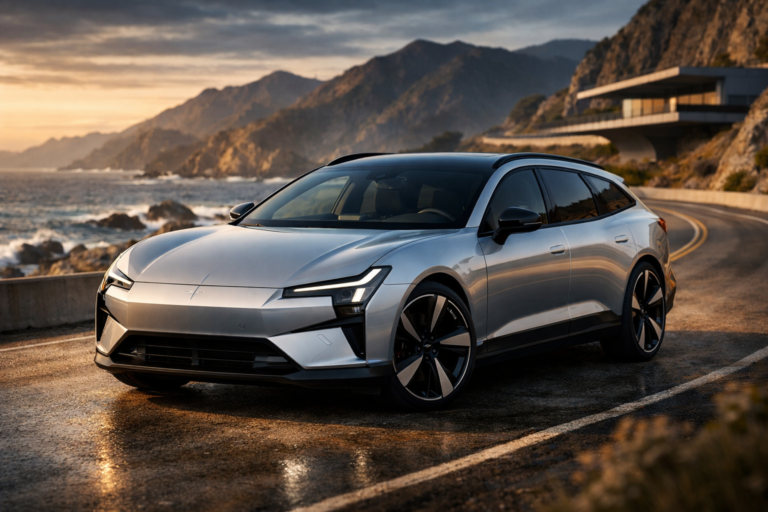
This isn’t just Tesla’s problem. Nissan Leaf, VW ID.4, Hyundai Kona Electric—none of them look like bargains anymore. Even crossovers like the Volvo EX60, which we compared against Tesla in this analysis, are going to feel expensive once Chinese brands scale.
The dirty secret? Most buyers don’t care where a car is built if it works and doesn’t bankrupt them.
Pros
- Shockingly low entry prices
- Competitive range and performance
- Modern interiors with usable tech
- Massive pressure on legacy brands
Cons
- Limited brand trust outside China
- Driving dynamics are forgettable
- Regulatory uncertainty in North America
BYD Mexico isn’t just selling cars—it’s stress-testing the entire North American auto industry. If tariffs hold, this revolution slows; if they crack, expect price wars that make the 2008 bailout look quaint. Either way, the era of overpriced “affordable” cars is ending, and frankly, it’s about damn time.
Sources: BYD Official Site | NHTSA | FuelEconomy.gov