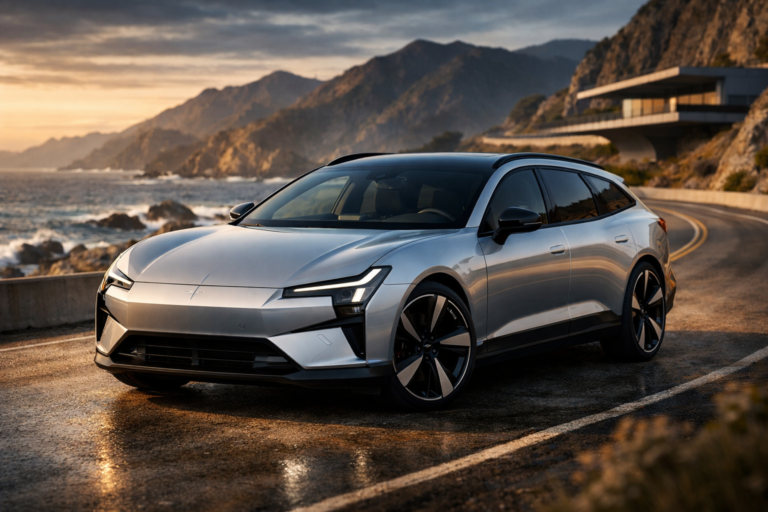

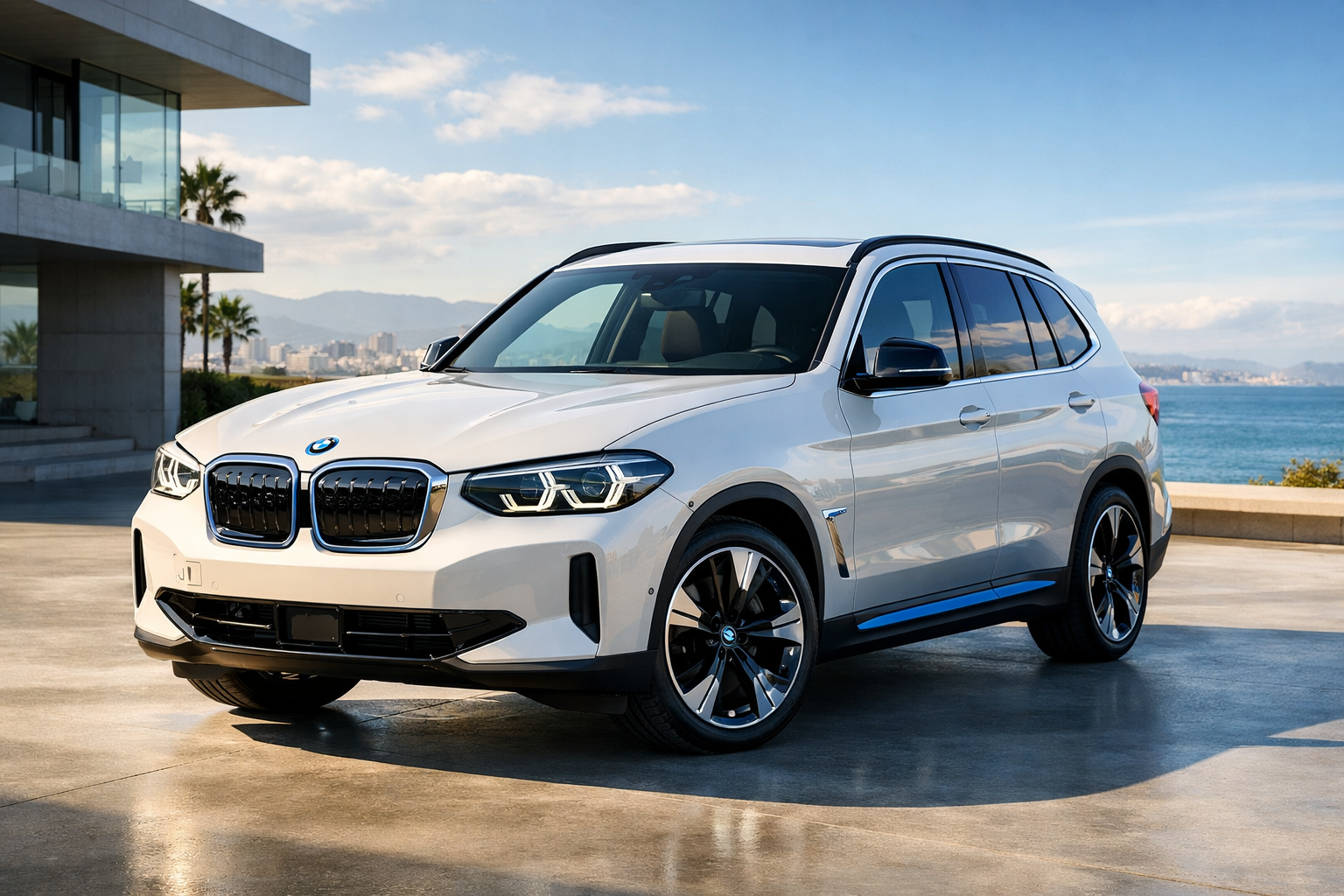
The BMW iX3 just got more expensive, and no, it didn’t suddenly learn to fly or tow a yacht. The BMW iX3 price hike has landed like a cold pint spilled on your lap: shocking at first, then irritating, then you start wondering if it was inevitable. Starting around $55,000 for 2026 (check manufacturer website for latest pricing), BMW is asking loyalists to cough up more for an electric SUV that was already flirting with premium territory.
This matters right now because electric SUV pricing has gone absolutely feral. Tesla keeps fiddling with Model Y prices like a YouTuber chasing the algorithm, Audi’s Q4 e-tron is quietly discounting itself into relevance, and Mercedes will sell you an EQB with a three-pointed star and a lease deal that sounds suspiciously good. Against that backdrop, the BMW iX3 price hike forces a hard question: is this still the thinking enthusiast’s EV, or just another luxury appliance with kidney grilles?
I’ve driven dozens of electric SUVs, from the brilliant to the brain-numbing, and the iX3 has always sat in the middle ground: excellent chassis, sensible range, and fewer gimmicks than a Tesla keynote. But when prices climb and specs barely budge, even pub-loyal BMW fans start squinting at the bar tab.
Quick Specs
- Starting Price: Approximately $55,000
- Engine: Single Electric Motor (RWD)
- Power: 282 hp / 295 lb-ft
- 0-60 mph: About 6.0 seconds
- Fuel Economy: Around 285-mile EPA-estimated range
Why the BMW iX3 Price Hike Happened
BMW will tell you it’s about “material costs,” “supply chain normalization,” and other corporate phrases that sound like they were generated by an MBA chatbot. The truth is simpler: batteries are still expensive, global demand for EVs hasn’t vanished, and BMW knows its badge carries weight. The BMW iX3 price hike is less about greed and more about brand confidence.
There’s also the uncomfortable reality that BMW didn’t cheap out on the fundamentals. The iX3 uses a relatively large battery pack compared to early rivals, avoids the bargain-basement interior plastics creeping into some EVs, and still rides on a platform that feels engineered rather than improvised. That costs money, even if it doesn’t look flashy on a spec sheet.
What You’re Actually Getting for More Money
Here’s the good news: BMW didn’t just raise the price and call it a day. The 2026 iX3 bundles more standard kit, including upgraded driver assistance and a slicker iDrive interface that’s finally less confusing than a Doug DeMuro “quirks and features” list. It’s not revolutionary, but it’s tangible.
Build quality remains a strong suit. Doors shut with that vault-like thunk BMW fans love, and the steering wheel doesn’t feel like it came from a Fisher-Price catalog, unlike some competitors I won’t name (Tesla). You’re paying more, but you can feel where the money went.
Driving Experience: Still a BMW at Heart
This is where the iX3 earns its stripes. With 282 horsepower driving the rear wheels, it’s not Tesla-fast, but it’s balanced, predictable, and far more engaging than an Audi Q4 e-tron. Throttle response is sharp without being neck-snapping, and the chassis tuning feels like someone in Munich still enjoys driving.
Hot take: I’ll take the iX3’s 6.0-second 0–60 mph sprint over a quicker but numb EV any day. Chris Harris has said repeatedly that speed without feel is pointless, and the iX3 proves him right. It’s an electric SUV that doesn’t make me miss petrol quite as much.
Range, Charging, and Real-World Costs
Officially, the iX3 offers roughly 285 miles of range, according to FuelEconomy.gov. In the real world, expect closer to 250 miles if you drive like a human and not an efficiency-obsessed hypermiler. That’s competitive, but not class-leading.
Charging speeds are decent rather than dazzling, peaking around 150 kW. Translation: a 10–80% fast charge in about 30 minutes, enough time to grab a coffee and complain about EV pricing on Reddit. If winter range worries you, bookmark our guide on protecting EV battery range in cold weather.
Interior, Tech, and the Luxury Question
Inside, the iX3 still feels like a proper BMW, which is both a compliment and a criticism. The layout is intuitive, the materials are high quality, and mercifully, BMW hasn’t gone full touch-slider apocalypse. Physical controls remain, and I’ll die on that hill.
However, at this price point, rivals are catching up fast. The Mercedes EQB offers more visual wow, and Lexus RZ brings Japanese reliability vibes that appeal to cautious buyers. If you care deeply about brand design philosophy, our deep dive on Audi grille vs BMW logo design is worth a read.
Value vs Competitors: The Awkward Middle Ground
This is where the BMW iX3 price hike stings. A Tesla Model Y Long Range starts lower, accelerates faster, and has access to Tesla’s charging ecosystem. The Audi Q4 e-tron often undercuts BMW on lease deals, and Mercedes will happily throw incentives at the EQB.
Yet none of them drive quite like the BMW. The iX3 sits in a weird no-man’s land: more engaging than most, less flashy than some, and pricier than it probably needs to be. If you’re wrestling with the decision, our guide on whether a new car is worth it in 2026 adds some sanity to the math.
Safety, Reliability, and Ownership Reality
Safety tech is comprehensive, with adaptive cruise, lane assist, and automatic emergency braking all standard. For official ratings, keep an eye on NHTSA.gov as updated scores roll in. BMW’s driver aids are polished, not twitchy, which already puts it ahead of some rivals.
Reliability is the lingering question mark. BMW’s recent EVs have been solid, but long-term battery health is still an unknown across the industry. If peace of mind matters more than badge prestige, Lexus and Tesla both make compelling arguments.
Pros
- Engaging rear-wheel-drive handling
- High-quality interior materials
- Competitive real-world range
- Refined driver assistance systems
Cons
- Noticeable price increase
- Slower acceleration than key rivals
- Charging speeds trail class leaders
So, should buyers still be excited after the BMW iX3 price hike? Yes, but with eyes wide open. It’s not the cheapest, not the fastest, and not the flashiest, but it might be the most satisfying to drive. In a world of increasingly soulless electric crossovers, that still counts for a lot—especially when the road gets twisty and the pub is calling.