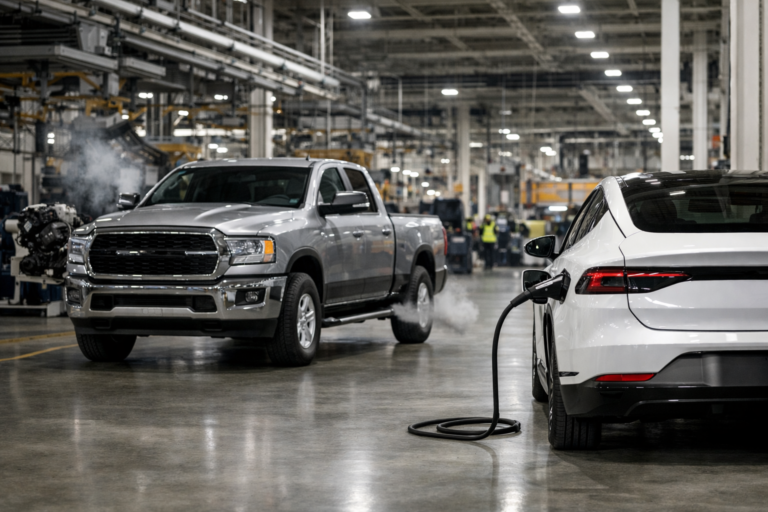

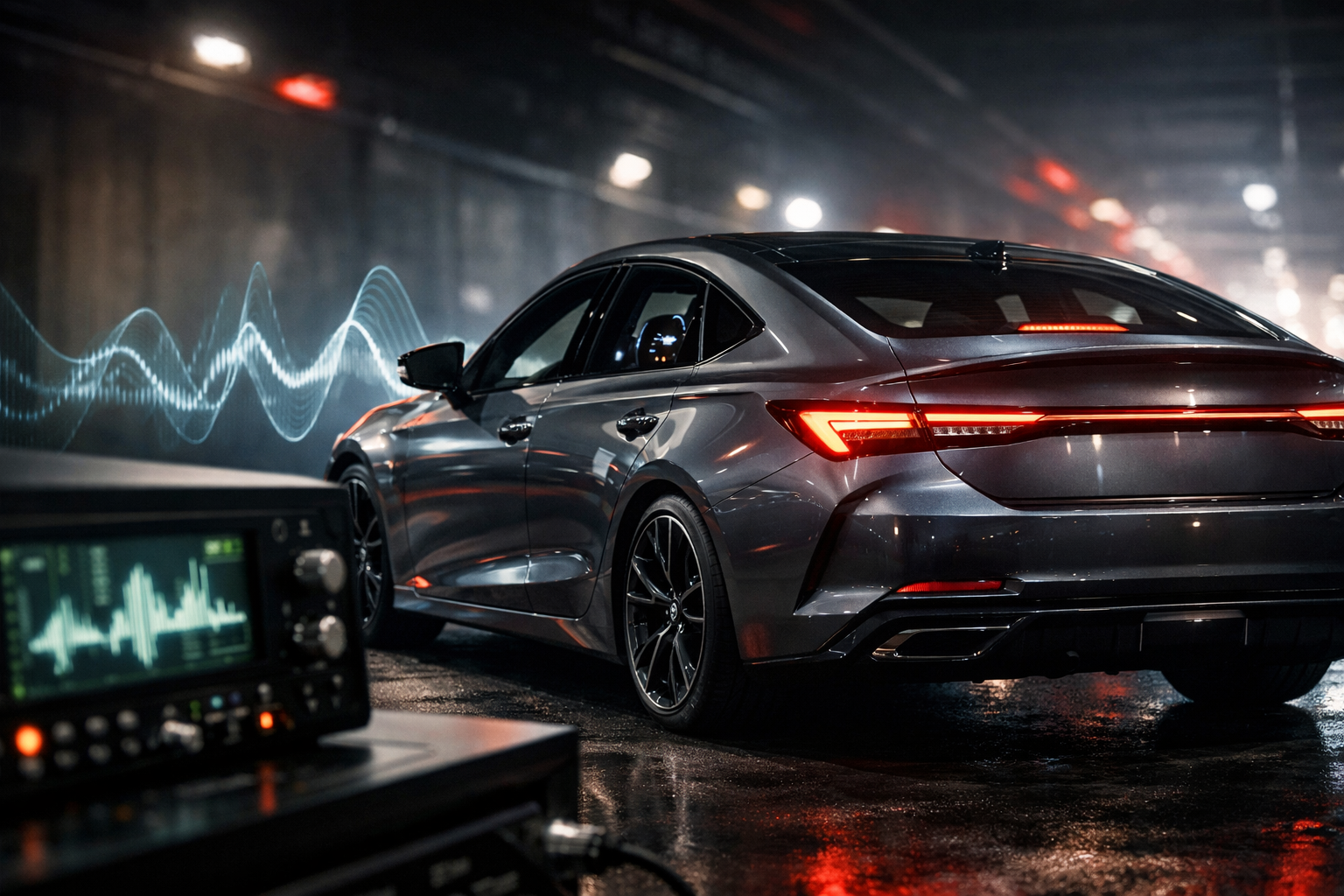
I’m going to say the quiet part out loud: silence is overrated. I love EV torque as much as the next nerd, but hammering an on-ramp in a 600-hp electric missile that sounds like a kitchen appliance still feels wrong, which is why EV synthetic sounds have become the automotive equivalent of hot sauce—optional, divisive, and addictive if done right.
This matters right now because manufacturers are doubling down on sound design as a brand signature. BMW is resurrecting a fake V10, Dodge is pumping “Fratzonic” thunder through speakers, and Hyundai’s Ioniq 5 N has gearshift cosplay that actually improves driver engagement. Whether you’re an owner looking to add engine sound to an EV or a buyer wondering if it’s all nonsense, this guide will save you from the audio equivalent of a bad tattoo.
I’ve driven dozens of EVs from the Tesla Model 3 Performance to the Porsche Taycan Turbo S, and here’s my hot take: good fake sound is better than no sound, but bad fake sound is worse than a CVT at redline. Let’s talk about how EV synthetic sounds work, how to tame them, and how not to look like a try-hard at Cars & Coffee.
Quick Specs
- Starting Price: starting around $45,000 (varies by EV, check manufacturer website for latest pricing)
- Engine: Dual Electric Motors
- Power: approximately 480 hp / 500 lb-ft
- 0-60 mph: approximately 3.5 seconds
- Fuel Economy: roughly 300-mile EPA range
Why EV Synthetic Sounds Exist at All
There are two reasons your EV makes noise, and neither is “because marketing had a meeting.” First is safety: U.S. law requires EVs to emit an external sound under 18 mph so pedestrians don’t get silently assassinated in parking lots. The NHTSA spells this out clearly on NHTSA.gov, and no, you can’t legally turn that off.
The second reason is emotional. Acceleration without audio feedback feels faster but less dramatic, like watching fireworks on mute. Brands like BMW, Porsche, and Hyundai know this, which is why sound design for cars has become a new performance metric, right alongside 0–60 times and skidpad grip.
Factory vs Aftermarket: Know What You’re Adding
Factory systems are baked into the car’s CAN bus, syncing motor load, speed, and drive mode with sound profiles. BMW’s IconicSounds Electric, co-developed with Hans Zimmer, is controversial but technically impressive, especially in the i4 M50 and upcoming electric M cars. I dove deep into this in our BMW Electric M3 review, and yes, the fake V10 is ridiculous—and kind of brilliant.
Aftermarket kits, by contrast, use external speakers and throttle-position data to fake ICE noise. They’re cheaper, starting around $1,500 installed, but often sound like a PlayStation 2 startup sequence. If your EV sounds better idling than accelerating, you’ve done it wrong.
The Legal Stuff You Can’t Ignore
Here’s the boring but critical bit: external AVAS sounds are regulated, internal cabin sounds are not. That means you can tweak, amplify, or mute interior noise profiles without legal trouble, but altering pedestrian warning sounds can get you fined or fail inspection. FuelEconomy.gov doesn’t track this stuff, but they do remind you that efficiency ratings assume stock configurations—worth remembering.
Europe is stricter than the U.S., and some states are catching up. If you’re unsure, check your local regulations and the manufacturer’s compliance notes on their official site, like BMW USA. My advice: keep the outside boring and the inside fun.
How Sound Design Affects the Way You Drive
This is where Chris Harris would start grinning. A well-tuned sound profile sharpens throttle perception, making a 2.5-ton EV feel more eager than it has any right to. The Hyundai Ioniq 5 N’s synthesized rev build actually encourages smoother inputs, shaving tenths off lap times despite doing absolutely nothing for actual performance.
Bad sound does the opposite. I’ve driven EVs where the audio lagged behind acceleration like a Netflix stream on hotel Wi-Fi, completely breaking immersion. If the sound doesn’t match torque delivery within milliseconds, turn it off and enjoy the silence.
Step-by-Step: Tuning EV Synthetic Sounds the Right Way
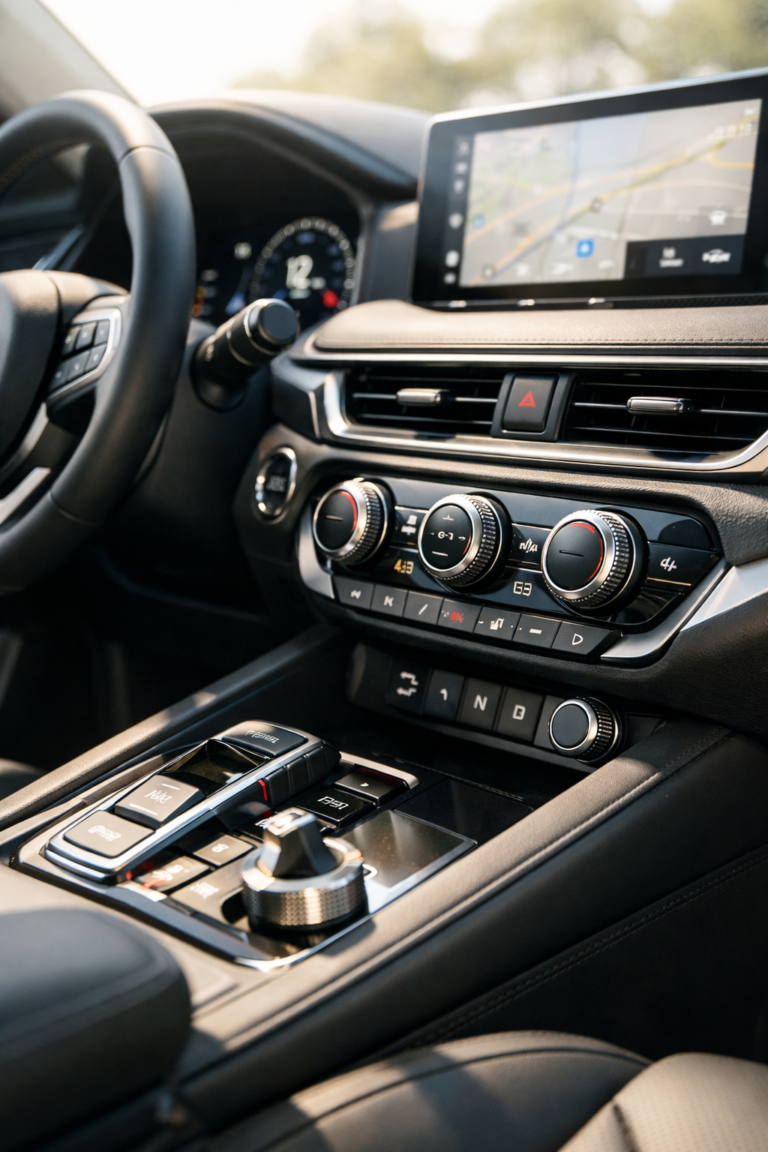
Start with volume, not tone. Set it low enough that you notice it only under load; if your EV sounds like it’s shouting at pedestrians, you’ve gone full Dodge Charger Daytona EV, and not everyone wants that. Next, match profiles to drive modes—quiet for Comfort, aggressive for Sport.
Finally, test on a familiar road. I use the same backroad loop I test tires on, listening for consistency between throttle input and audio response. If it feels natural after 10 minutes, you’ve nailed it.
Common Mistakes That Make EVs Sound Awful
The biggest sin is chasing nostalgia. Slapping a fake Hellcat soundtrack onto a compact EV is like wearing a Rolex with sweatpants. Another mistake is overusing bass, which masks detail and turns acceleration into a low-frequency fart.
Also, don’t ignore cabin acoustics. Glass-heavy interiors like the Tesla Model Y amplify certain frequencies, which is why many owners complain about drone. If you want context on how EV design choices ripple outward, read our Volvo EX60 analysis for a masterclass in balanced engineering.
Pro Tips From People Who Obsess Over This Stuff
Less is more. The best EV synthetic sounds are felt more than heard, adding texture without demanding attention. Porsche gets this right in the Taycan, while Mercedes sometimes wanders into spa-music territory.
My controversial take: simulated gearshifts are fine if they improve driver rhythm. Purists hate it, but if it makes you faster and more engaged, who cares if it’s fake?
Pros
- Adds emotional engagement to EV driving
- Can improve throttle modulation and driver confidence
- Factory systems are well-integrated and reliable
- Customizable to personal taste
Cons
- Bad tuning sounds embarrassingly fake
- Aftermarket systems vary wildly in quality
- Legal limits on external sound modifications
EV synthetic sounds aren’t about pretending your car burns dinosaurs; they’re about restoring feedback we lost when engines went away. Do it thoughtfully, keep it subtle, and you’ll wonder how you ever enjoyed silent speed. Do it badly, and your EV will sound like it’s trying too hard—never a good look.