
You walk onto a lot, spot a three-year-old Honda Accord, and the sticker’s just $2,000 less than it cost new. Welcome to used car prices 2026 — where “pre-owned bargain” feels more like “collector’s item.” I’ve seen tight markets before, but this one’s got folks in Oklahoma and across the country scratching their heads.
Here’s the deal: tight inventory means fewer trade-ins, fewer lease returns, and dealers holding firm on price. That doesn’t mean you’re stuck overpaying. In this guide, I’ll show you how to shop smart, negotiate like a pro, and avoid the rip-offs that pop up when supply is low and demand’s high.
What You’ll Need
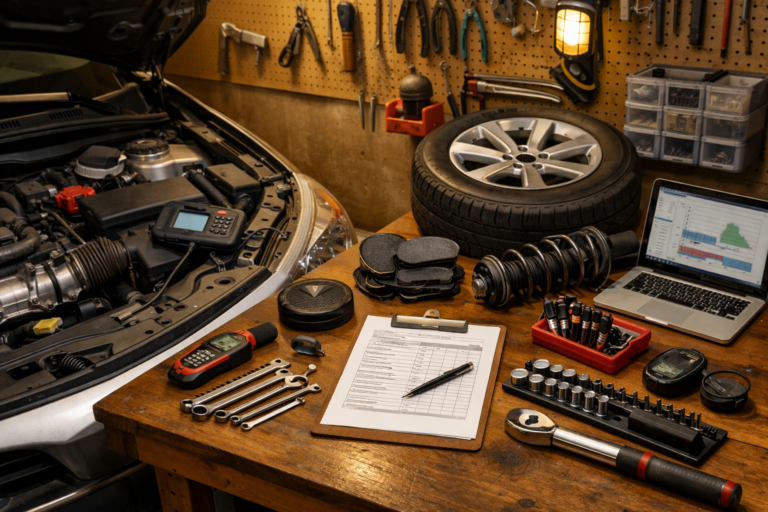
- Tools: Smartphone with OBD2 scanner ($40), flashlight, tire tread gauge ($8), notebook
- Parts/Materials: Vehicle history report ($25–$40), pre-purchase inspection ($120–$180)
- Time: 2–4 weeks shopping smart vs 1 weekend panic-buying
- Difficulty: 🔧🔧 (Mostly patience and research)
- Dealer Cost: $2,000–$4,000 markup vs DIY Cost: Your time + $200 inspections — You Save: $1,800+
Why Used Car Prices 2026 Are So High — And Why This Matters
If you ignore market conditions and just “need a car now,” you can overpay by thousands. I’ve had customers roll into my shop proud of their purchase, only to find out they paid top dollar for a vehicle with bald tires and worn brakes. That’s a $1,200 reality check.
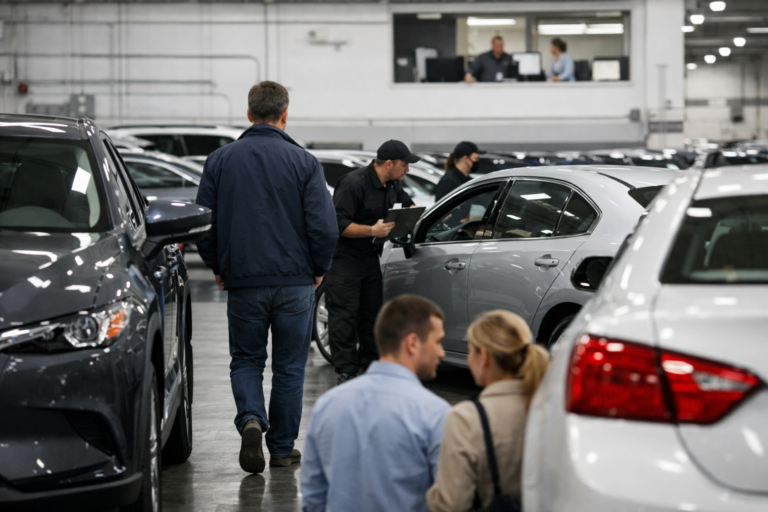
The latest market data shows used values climbing again in 2026, especially for reliable brands like Toyota, Honda, and Subaru. Tight inventory means clean, low-mileage vehicles disappear fast — sometimes in 48 hours.
In the Oklahoma car market, trucks and SUVs are commanding a premium. Half-ton pickups are often $3,000–$5,000 above what we’d call “normal” pricing. If you don’t plan ahead, you’ll pay for that urgency.
Before You Start
⚠️ WARNING: Never skip a pre-purchase inspection in a tight inventory market. Fast sales pressure leads to hidden problems being missed.
Before you even test-drive, check for open recalls at NHTSA.gov. I’ve seen folks buy a car with an active stop-sale recall — that’s a paperwork and safety headache you don’t need.
If the seller refuses an independent inspection, walk away. I don’t care how “rare” the car is. Also, if you see warning lights, rough shifting, overheating, or mismatched VIN stickers, that’s your cue to slow down.
Know your financing options before you shop. Check out current 2026 finance strategies so the dealer can’t pad your monthly payment with junk fees.
Step-by-Step Guide
-
Set Your Real Budget (Not Just Monthly Payment)
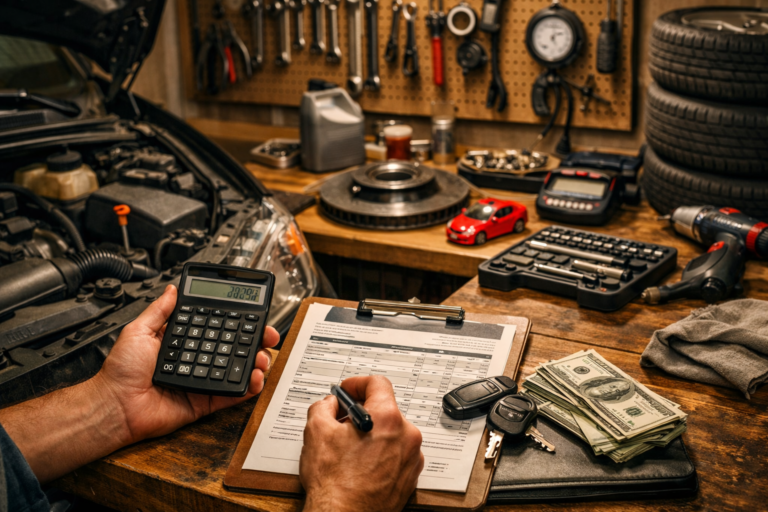
Decide your out-the-door max — including tax, title, and fees. In Oklahoma, that can add 8–10% to the sticker. A $18,000 car quickly becomes $19,800.
-
Target “Unsexy” Models
Everyone wants a Toyota RAV4. Fewer people chase a Mazda CX-5 or Ford Edge. I’ve seen $1,500 price swings just based on brand hype.
Pro Tip: Look at sedans. SUVs are hot; sedans are sitting longer on lots.
-
Expand Your Search Radius
In a tight inventory situation, 100 miles can mean $2,000 difference. Rural Oklahoma dealers sometimes price lower than metro stores.
-
Run the Numbers Against New
If a 2023 Camry is $24,000 and a new 2026 is $27,500 with promo financing, new might make more sense. Especially with warranties intact.
Given softening new car sales in 2026, some dealers are offering incentives to move fresh inventory.
-
Inspect Like a Mechanic
Bring that $40 OBD2 scanner. Plug it in and check for stored codes. Look at tire wear — uneven wear can mean alignment or suspension issues ($800+ repair).
Check brake pad thickness through the wheel. Less than 3mm? That’s a brake job coming — $400–$900 depending on vehicle.
-
Negotiate With Data, Not Emotion
Print comparable listings. Show them. Say, “These three are $1,200 less.” Calm, factual, no drama. It works more often than chest-thumping.
Common Mistakes to Avoid
- Overpaying for dealer add-ons. Nitrogen tires, VIN etching, paint sealant — I’ve seen $1,500 in fluff. Most of it’s $50 worth of product.
- Skipping the inspection because “it’s certified.” Certified doesn’t mean perfect. I’ve fixed plenty of “certified” cars with leaks.
- Ignoring total ownership cost. A BMW might be cheap upfront but $1,200 for brakes. Check maintenance schedules at the manufacturer’s site.
- Panic buying. Tight inventory creates pressure. Pressure empties wallets.
When to Call a Professional
If you’re not comfortable judging mechanical condition, pay a local ASE-certified shop (find one at ASE.com) $150 for a pre-purchase inspection. That’s cheap insurance.
Fair pricing for an inspection in 2026 is $120–$180. If a shop wants $300 for a basic look-over, that’s steep unless it’s a specialty or performance car.
Ask the mechanic:
- “Are there any immediate safety issues?”
- “What will this need in the next 12 months?”
- “Is this priced fairly given condition?”
Red flag at a dealership? Refusing outside inspections or pushing extended warranties hard before you’ve even agreed on price.
Recommended Products
- BlueDriver OBD2 Scanner ($99) – What I use in my own garage. Reads manufacturer-specific codes.
- Innova 3100RS ($60) – Budget option, reliable for basic checks.
- Accutire Digital Tread Gauge ($8) – Saves you from buying a car that needs $800 tires next month.
- Carfax or AutoCheck Report ($25–$40) – Not perfect, but better than guessing.
Used Car Prices 2026 Strategy for the Oklahoma Car Market
In the Oklahoma car market, trucks rule. If you don’t absolutely need a 4×4 F-150, consider a 2WD model or even a crossover. I’ve seen 4×4 badges add $3,000 in tight inventory conditions.
Shop at month-end. Dealers chasing quotas are more flexible. And don’t ignore private sellers — just be extra thorough on inspection.
The bottom line with used car prices 2026? Patience beats impulse. Every time.
Do This
- Get a pre-purchase inspection every time
- Compare used pricing against new incentives
- Negotiate using real comparable listings
- Budget $1,000 for post-purchase maintenance
Don’t Do This
- Fall for overpriced dealer add-ons
- Skip checking for recalls
- Buy under time pressure
- Focus only on monthly payment
I know used car prices 2026 feel like a punch in the gut. But you’re not powerless. Do the homework, spend a couple hundred on inspections, and negotiate like someone who knows what a brake job costs.
You can do this. It might take a few weeks and some walking away from bad deals, but that’s how you keep thousands in your pocket. Drop your questions in the comments — I read every one.
Stay sharp out there, and remember — a $200 inspection beats a $3,000 surprise repair bill every single time.