
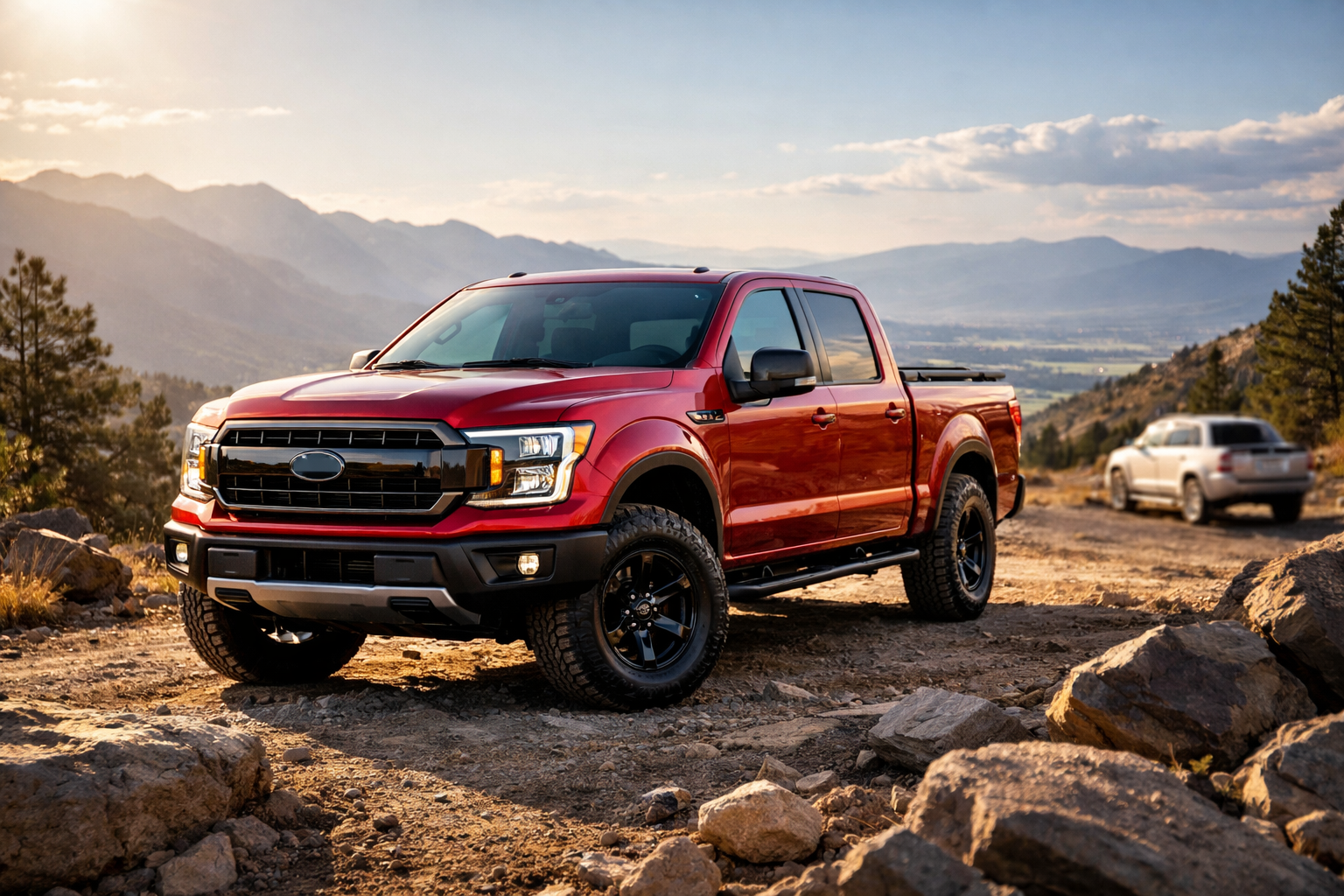
The pickup truck market is supposed to be dying, right? Every OEM PowerPoint says Americans want crossovers shaped like jellybeans, yet Ford sold over 750,000 F-Series trucks in 2025, and GM’s Silverado Sierra twins weren’t exactly begging for mercy either. If SUVs are the avocado toast of the car world, pickups are still the steak and potatoes, messy, expensive, and utterly satisfying.
This matters right now because the SUV boom has hit a weird plateau of sameness, while trucks keep quietly evolving into Swiss Army knives with tailgates. I’ve driven dozens of SUVs that promise “active lifestyles” and deliver nothing more than grocery-hauling mediocrity. Trucks, meanwhile, still do real work, and increasingly, they do it faster, comfier, and with more tech than your average luxury sedan.
The pickup truck market isn’t surviving out of nostalgia or macho posturing; it’s thriving because it adapts better than SUVs ever have. Silverado, Sierra, F-150, Ram 1500, and even Toyota’s Tundra are proof that versatility still beats fashion. And yes, I’m about to say something controversial: most three-row SUVs should’ve been trucks with beds.
Quick Specs
- Starting Price: Approximately $38,000 (check manufacturer website for latest pricing)
- Engine: 2.7L Turbo / 5.3L V8 / Hybrid options
- Power: 310–420 hp / up to 495 lb-ft
- 0-60 mph: Around 6.1 seconds (V8 models)
- Fuel Economy: 18 city / 22 highway mpg (varies by configuration)
Why the Pickup Truck Market Refuses to Die
Here’s the simple truth: trucks do more things well than SUVs, full stop. A Silverado Sierra combo can tow 9,000 to 13,000 lbs, carry drywall without scratching leather seats, and still cruise at 80 mph like a bank vault on wheels. Try doing that in a Honda Pilot, a Toyota Grand Highlander, or a Hyundai Palisade without breaking a sweat or a suspension bushing.
Automakers love SUVs because they’re cheap to engineer on car platforms, but buyers love trucks because they’re honest. Body-on-frame durability isn’t sexy in marketing decks, yet it’s why a 10-year-old F-150 still feels tighter than some five-year-old crossovers. Chris Harris would call it “engineering integrity,” and he’d be right.
Design: Function Beats Fashion Every Time
Most SUVs now look like melted bars of soap with LED eyebrows. Trucks, by contrast, wear their purpose proudly, squared-off beds, upright grilles, and proportions that actually make sense. The Ram 1500 looks like it bench-presses Range Rovers for fun, while the 2026 Silverado finally ditched some of its awkward angles for cleaner, tougher lines.
Hot take: aero-optimized SUV styling is killing brand identity. A GMC Sierra AT4 or Ford F-150 Tremor has more visual character at 60 mph than a BMW X5 does standing still. And if you want to understand why Audi still refuses to build a pickup, read why Audi won’t make an Audi pickup truck, it’s corporate fear disguised as “brand focus.”
Interiors: The Truck Glow-Up Is Real
Ten years ago, truck interiors were punishment boxes with cup holders. Now? The 2025 Ram 1500’s 12-inch screen puts half of luxury SUVs to shame, and GMC’s Super Cruise-equipped Sierra Denali can hands-free cruise highways better than some German sedans. I’ve sat in Escalades and Silverados back-to-back, and the gap isn’t what it used to be.
Yes, some plastics are still harder than Doug DeMuro’s obsession with door chimes, but trucks make up for it with space and usability. Big buttons you can use with gloves matter more than piano-black trim that scratches if you look at it funny. If reliability matters to you, our list of most reliable cars for 2026 quietly confirms trucks still punch above their weight.
Driving Experience: Not the Dinosaurs You Remember
Modern pickups don’t drive like drunken elephants anymore. Independent rear suspensions on Ram, adaptive dampers on Ford, and improved steering racks mean these things actually hustle. A V8 Silverado will hit 60 mph in about 6 seconds, which would’ve embarrassed a BMW 540i not that long ago.
Here’s my controversial take: a well-specced half-ton truck is a better road-trip car than most midsize SUVs. The ride is calmer, the seats are wider, and the driving position gives you actual visibility instead of sloping roofline paranoia. Jeremy Clarkson would complain about size, then secretly love it.
Fuel Economy, Hybrids, and the Reality Check
No, trucks aren’t winning any green medals, but they’re improving faster than people admit. Ford’s PowerBoost hybrid F-150 can hit approximately 23 mpg combined, which is within spitting distance of many V6 SUVs. For official EPA numbers, FuelEconomy.gov lays it out without marketing fluff.
Meanwhile, SUVs keep getting heavier, more complex, and not much more efficient. When a 5,500-lb three-row crossover gets 21 mpg, lecturing truck buyers feels rich. The pickup truck market survives because it’s honest about physics.
Practicality: Beds Still Beat Cargo Cubes
This is where trucks annihilate SUVs. A bed doesn’t care about muddy bikes, wet plywood, or a questionable Facebook Marketplace couch. Fold-flat seats are clever, but a tailgate is eternal.
And don’t forget safety, modern trucks score well too. Check NHTSA ratings at NHTSA.gov, and you’ll see most 2025–2026 half-tons matching or beating SUV rivals in crash tests.
Value vs Competitors
Starting around $38,000, a Silverado or F-150 undercuts luxury SUVs like the BMW X7, Audi Q7, and Lexus TX while offering more capability. Yes, loaded trims can hit $75,000, but so can a Highlander with options and zero towing credibility. For a deep dive on GM’s latest updates, see our 2026 Chevy Silverado review.
The pickup truck market wins on value because depreciation is slower and resale is stronger. Try selling a five-year-old Ram versus a five-year-old Infiniti QX60 and watch the difference.
Pros
- Unmatched versatility
- Strong resale values
- Improving ride and tech
- Real-world durability
Cons
- Fuel economy still trails smaller SUVs
- Large size in tight cities
- Option prices escalate quickly
The pickup truck market isn’t clinging to relevance; it’s quietly reminding SUVs why they existed in the first place. As long as people need to haul, tow, and occasionally live a life messier than an Instagram reel, trucks will matter. And if the SUV bubble ever bursts, don’t be surprised when pickups are the ones still standing, mud-splattered and smirking.