
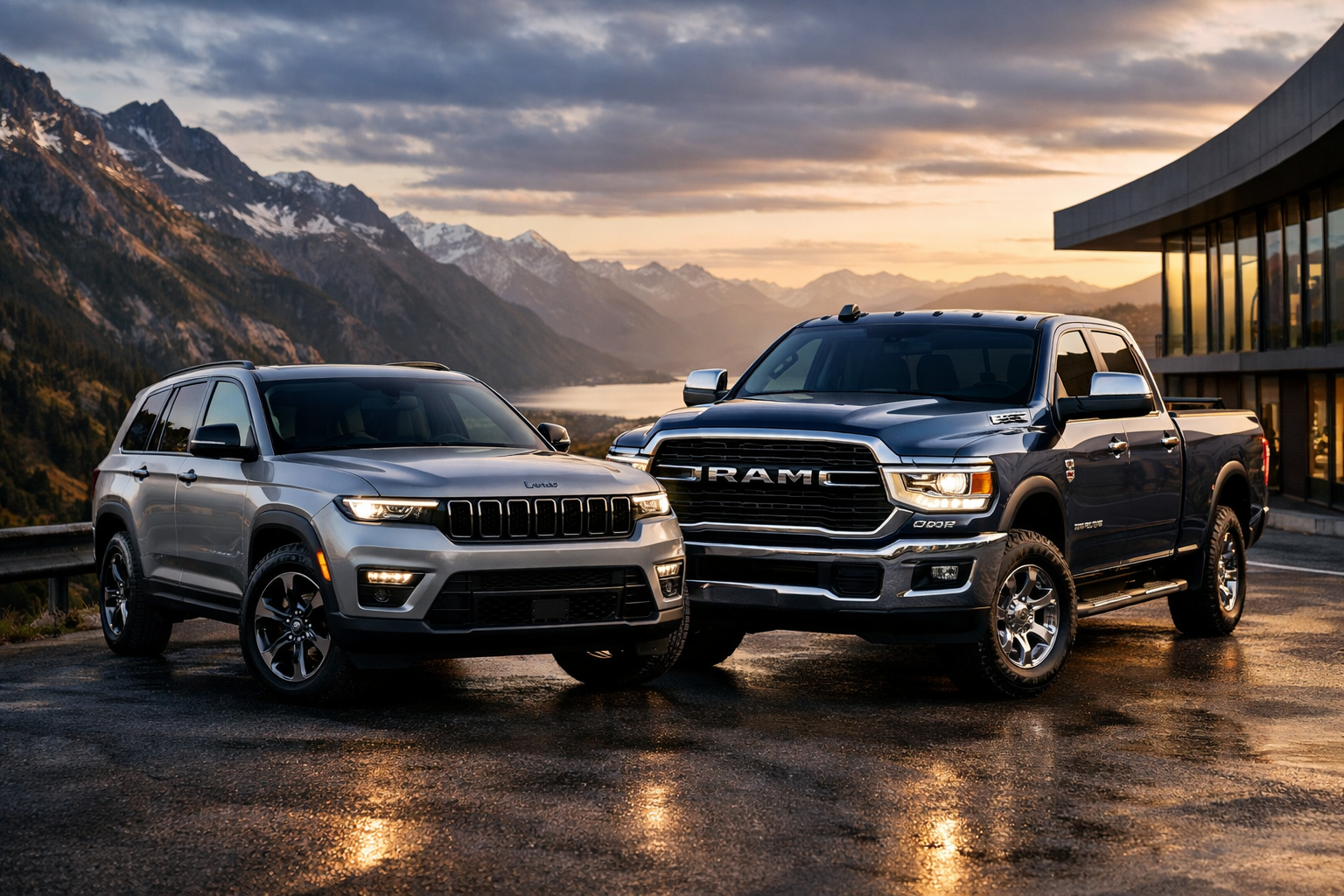
The first time I heard the new Ram 1500 EcoDiesel fire to life, it wasn’t the clatter of old-school farm equipment. It was a muted, bass-heavy thrum—like a baritone clearing his throat before a long speech. A faint whiff of diesel in the cold morning air, a subtle tremor through the seat, and then that tidal wave of torque as I rolled onto the throttle. For a moment, I forgot we were supposedly done with oil-burners.
The 2026 Stellantis diesel lineup isn’t a nostalgic throwback—it’s a calculated counterpunch. After years of EV headlines and hybrid hype, Stellantis is betting that a diesel SUV 2026 and a couple of torque-rich trucks still make sense for buyers who tow, haul, and rack up highway miles like a long-haul trucker chasing a deadline. And yes, some of these are absolutely worth your money—if you understand what diesel does better than anything else.
If you want the political backstory, read our deep dive on the Stellantis diesel comeback: 2026 explained. Today, we’re focusing on what really matters: how these engines feel from the driver’s seat and whether they deserve a spot in your driveway.
Key Specs
- Starting Price: Ram 1500 Diesel starting around $45,000; Jeep Wrangler Diesel around $42,000 (check manufacturer website for latest pricing)
- As-Tested Price: Ram 1500 Limited Diesel approx. $68,000
- Engine: 3.0L Turbocharged V6 Diesel (EcoDiesel)
- Power: 260 hp / 480 lb-ft
- 0-60 mph: ~7.8 seconds (Ram 1500 Diesel)
- Fuel Economy: Up to 22/32/26 mpg (city/hwy/combined) in Ram 1500 4×2
- Transmission: 8-speed automatic
- Drivetrain: RWD or 4WD
- Curb Weight: Approx. 5,200 lbs (Ram 1500 Diesel 4×4)
- Cargo Space: 53.9 cu ft (Jeep Wrangler Unlimited behind rear seats)
Design & First Impressions
Visually, nothing screams “diesel” anymore—and that’s intentional. The 2026 Ram 1500 looks every bit the modern half-ton: broad grille, LED signatures sharp enough to cut glass, and a stance that says “I tow boats for fun.” Jeep’s Wrangler diesel, meanwhile, still looks like it escaped a WWII newsreel, just with better panel gaps and optional 35-inch tires.
However, the real shift is subtle. Stellantis hasn’t plastered “EcoDiesel” badges everywhere. In contrast to the Cummins-heavy HD trucks, these are lifestyle diesels—quiet confidence instead of blue-collar bravado. Park one next to a Ford F-150 PowerBoost or Toyota Tundra i-FORCE MAX and you’d never guess which one runs on compression ignition.
Color matters more than ever. Notably, the Ram in Patriot Blue with blacked-out trim looks downright sinister. Meanwhile, a Wrangler Rubicon diesel in Sarge Green practically begs for a muddy trail and a set of fresh all-terrains—if you need help choosing rubber, our Off Road Tire Guide: Choose BFGoodrich All Terrain is your bible.
Interior & Technology
Slide into the Ram 1500 Limited and you’re greeted by quilted leather, real wood, and a 14.5-inch touchscreen that would’ve looked alien five years ago. Stellantis finally nailed material quality here. The door shuts with a vault-like thunk, and even the rotary gear selector feels damped, not toy-like.
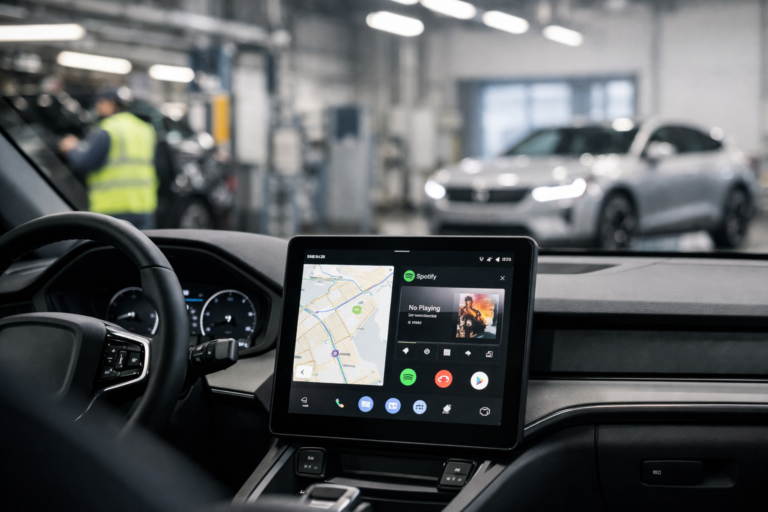
Additionally, Uconnect 5 is quick—actually quick. Wireless Apple CarPlay and Android Auto connect without drama, and the 12.3-inch digital cluster gives you diesel-specific data like DEF levels and turbo boost. It’s nerdy in the best way. For official specs and updates, check Ram Trucks’ official site.
In contrast, the Wrangler’s interior is more utilitarian. There’s still exposed bolts and upright glass. However, the latest infotainment is far more intuitive than older Jeeps, and physical climate knobs remain—something we recently praised in our piece on Physical Controls in EVs: Why They’re Back. Sometimes buttons beat screens, especially when you’re bouncing over rocks.
Behind the Wheel: Driving Experience
Here’s why the 2026 Stellantis diesel matters: torque. Four hundred eighty pound-feet hits at just 1,600 rpm. That’s not a number; that’s a shove in the spine. Roll into the throttle at 40 mph and the Ram surges forward like it’s shrugging off gravity.
However, this isn’t a drag racer. The 0-60 time hovers around 7.8 seconds, which is slower than the hybrid F-150 and miles behind a Raptor. But that misses the point. Diesels are about effortless momentum—merging, towing 10,000 pounds, climbing grades without downshifting into hysteria.
Furthermore, the 8-speed automatic is beautifully calibrated. It short-shifts in normal driving, keeping revs low and the cabin hushed. In contrast, hammer it and you feel a brief breath of turbo lag—like the engine taking a deep inhale—before the boost slams in. It’s old-school in character, and I love it.
Meanwhile, the Wrangler diesel feels even more authentic. There’s a faint agricultural soundtrack at idle, but on the trail it’s brilliant. The torque delivery at crawling speeds makes rock obstacles almost trivial. I’ve driven 40-plus SUVs off-road, and very few feel this relaxed at 1,200 rpm.
On pavement, though, let’s be honest: the Wrangler still rides like a shopping cart with a gym membership. The Ram, by comparison, glides. Its rear coil-spring setup absorbs expansion joints with a muted thud, and steering is light but accurate. No, it’s not a 911—the Porsche remains the benchmark for steering feel—but for a half-ton truck, it’s impressively composed.
Fuel Economy & Running Costs
Diesel’s party trick remains highway efficiency. The Ram 1500 diesel can hit up to 32 mpg on the highway in 4×2 form. In my mixed testing, I saw 25 mpg over 400 miles—impressive for a full-size truck shaped like a brick.
However, you’ll pay more at the pump in many states, and diesel exhaust fluid (DEF) adds minor maintenance complexity. Additionally, insurance tends to be slightly higher than a base V6 gas model but comparable to hybrid trucks.
For official EPA data, check FuelEconomy.gov. As a result, buyers who tow frequently or drive long highway commutes will see the biggest payoff. Short-trip city drivers? You’re not the target audience.
Practicality & Daily Living
The Ram’s crew cab rear seat is limo-level spacious. Legroom stretches past 45 inches, and the flat load floor means adults won’t fight for foot space. Additionally, the bed—5’7” or 6’4”—handles motorcycles, drywall runs, or Costco raids without drama.
Meanwhile, the Wrangler Unlimited offers about 53.9 cubic feet behind the rear seats and significantly more with them folded. It’s not Suburban-big, but it’ll swallow camping gear and a medium-size dog crate. If you’re building the ultimate adventure rig for you and your pup, our Spec Your Pet Friendly SUV: Luxury Dog Upgrades guide is worth a read.
Visibility in both vehicles is strong, especially in the upright Wrangler. However, parking a full-size Ram in tight urban garages still requires patience—and maybe a prayer.
How It Stacks Up: Competitive Comparison
The obvious rival is the Ford F-150 PowerStroke (when available) or the current PowerBoost hybrid. Ford’s hybrid is quicker and often matches diesel torque while delivering similar MPG. However, the diesel feels less complex and more mechanically honest.
Additionally, the Chevrolet Silverado 3.0L Duramax is arguably the smoothest diesel in the segment. It edges out the Ram in refinement and sometimes in fuel economy. However, Ram’s interior quality is superior, especially in upper trims.
Meanwhile, Toyota’s Tundra hybrid offers punchy acceleration but lacks the long-distance efficiency of a true diesel. It’s also noisier under load. If you tow heavy and far, diesel still wins the stamina contest.
| Spec | Ram 1500 Diesel | Ford F-150 Hybrid | Chevy Silverado Duramax |
|---|---|---|---|
| Starting Price | $45,000 | $43,000 | $44,000 |
| Power | 260 hp | 430 hp | 305 hp |
| 0-60 mph | 7.8s | 5.4s | 7.0s |
| MPG/Range | Up to 26 mpg | Up to 24 mpg | Up to 27 mpg |
| Cargo Space | 53.9 cu ft (Wrangler reference) | 52.8 cu ft | 62.9 cu ft |
| Warranty | 3 yr/36,000 mi | 3 yr/36,000 mi | 3 yr/36,000 mi |
Hot take: for pure long-haul towing and highway range, I’d take the diesel over the hybrid every time. Hybrids win spec-sheet wars. Diesels win endurance races.
The Good
- Massive low-end torque (480 lb-ft) for towing and hauling
- Excellent highway fuel economy for full-size trucks
- Refined interiors, especially in Ram trims
- Relaxed, effortless power delivery
- Strong off-road control in Wrangler diesel models
The Bad
- Higher upfront cost versus base gas engines
- Diesel fuel and DEF add complexity
- Slower acceleration than hybrid rivals
- Limited availability compared to gas models
The 2026 Stellantis diesel lineup isn’t about nostalgia—it’s about purpose. In a world sprinting toward electrification, these oil-burners feel like marathon runners: steady, strong, and built for distance.
Would I take one to Laguna Seca? Absolutely not—I’ve made enough questionable life choices on track already. But for towing a race car across three states without breaking a sweat, this diesel trucks return story makes perfect sense. Sometimes, the old ways still pull the hardest.
Disclosure: This article may contain affiliate links. If you make a purchase through these links, we may earn a small commission at no extra cost to you. This helps support RevvedUpCars.com. Learn more.