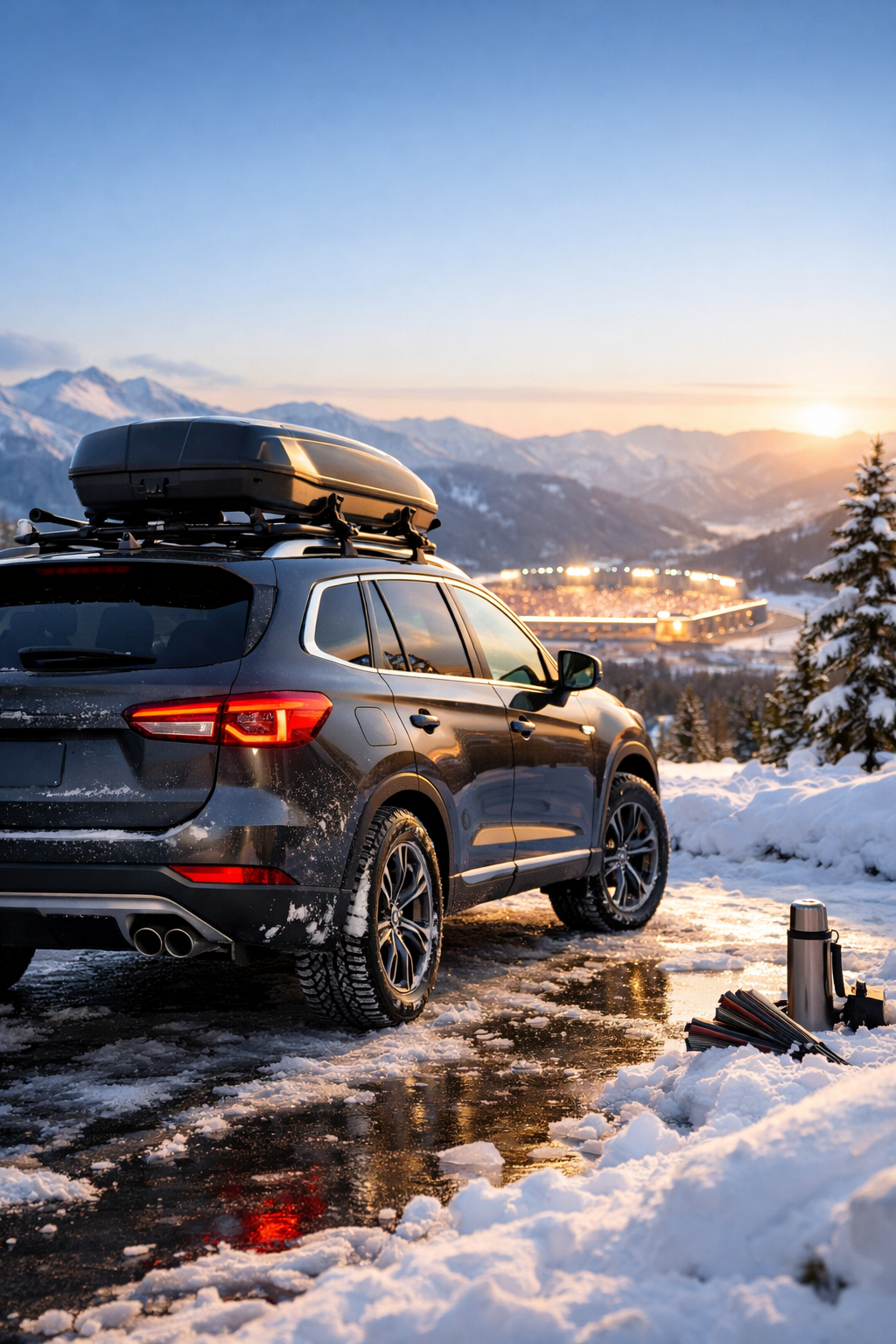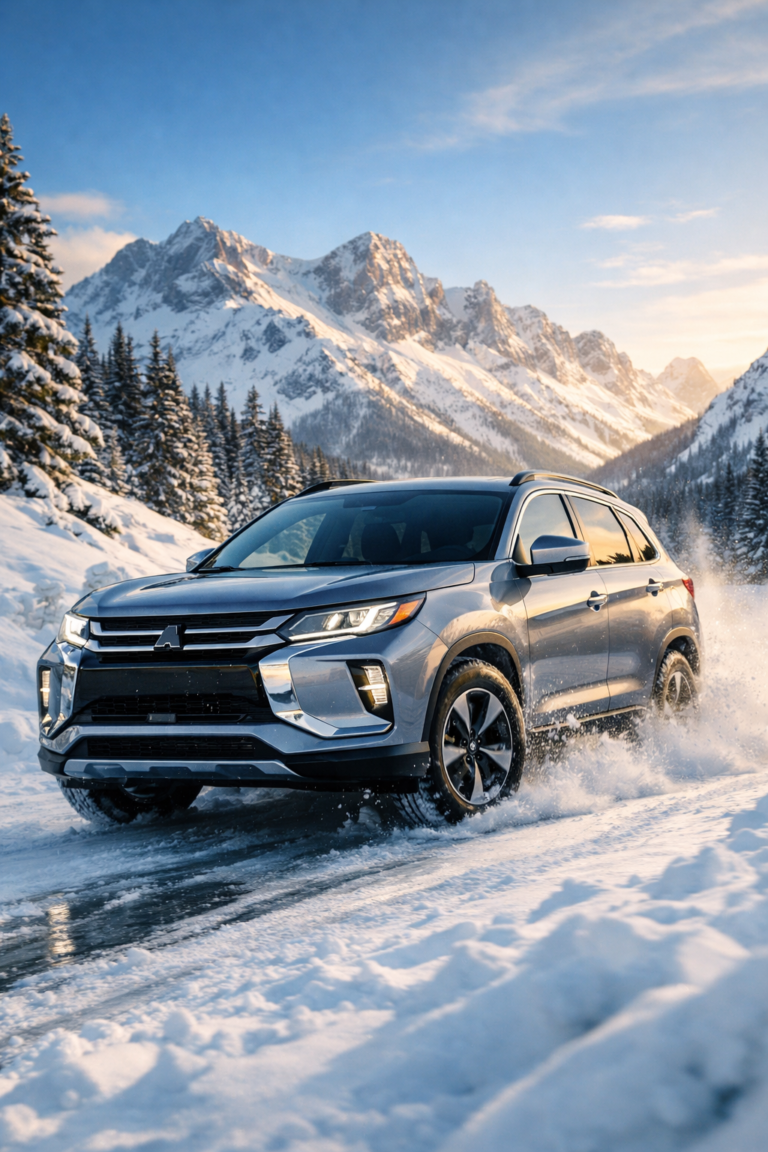

If you think winter road trips are just about topping up washer fluid and praying to the traction-control gods, you’re already doing it wrong. I’ve done enough frozen dawn drives to ski towns and stadiums to know that bad road trip prep can turn a heroic journey into a roadside Netflix binge while you wait for a tow. This matters now because winter weather doesn’t care if you’re driving a $22,000 Corolla or a $72,000 Range Rover—it will humble you equally.
Big events mean big miles, and big miles in January expose lazy maintenance faster than a Nürburgring lap exposes fake performance badges. Proper road trip prep isn’t glamorous, but it’s the difference between arriving relaxed or arriving smelling like stress and burnt clutch. If you’re planning a winter road trip this season, this guide is the pub-chat version of what actually works.
I’ve driven dozens of SUVs, sedans, and trucks in winter, from Subaru Outbacks to Ford F-150s, and the lessons are brutally consistent. Ignore the basics and you’ll pay for it in time, money, or dignity. Let’s fix that.
Why Road Trip Prep Actually Matters in Winter
Winter magnifies mechanical weaknesses like a YouTube teardown video. Cold thickens oil, drops tire pressure by roughly 1 PSI for every 10°F, and slashes EV range by up to 30%. That’s why winter road trip failures spike, according to NHTSA roadside data.
Here’s my controversial hot take: AWD doesn’t save idiots. Tires do. I don’t care if you’re in a Toyota RAV4, Honda CR-V, or Mazda CX-5—without proper prep, all three become expensive sleds.
Tires: The Single Most Important Upgrade You’ll Ignore
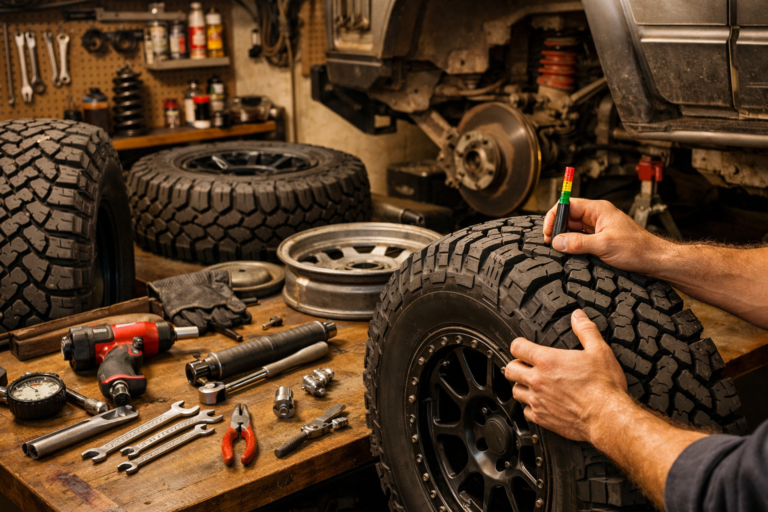
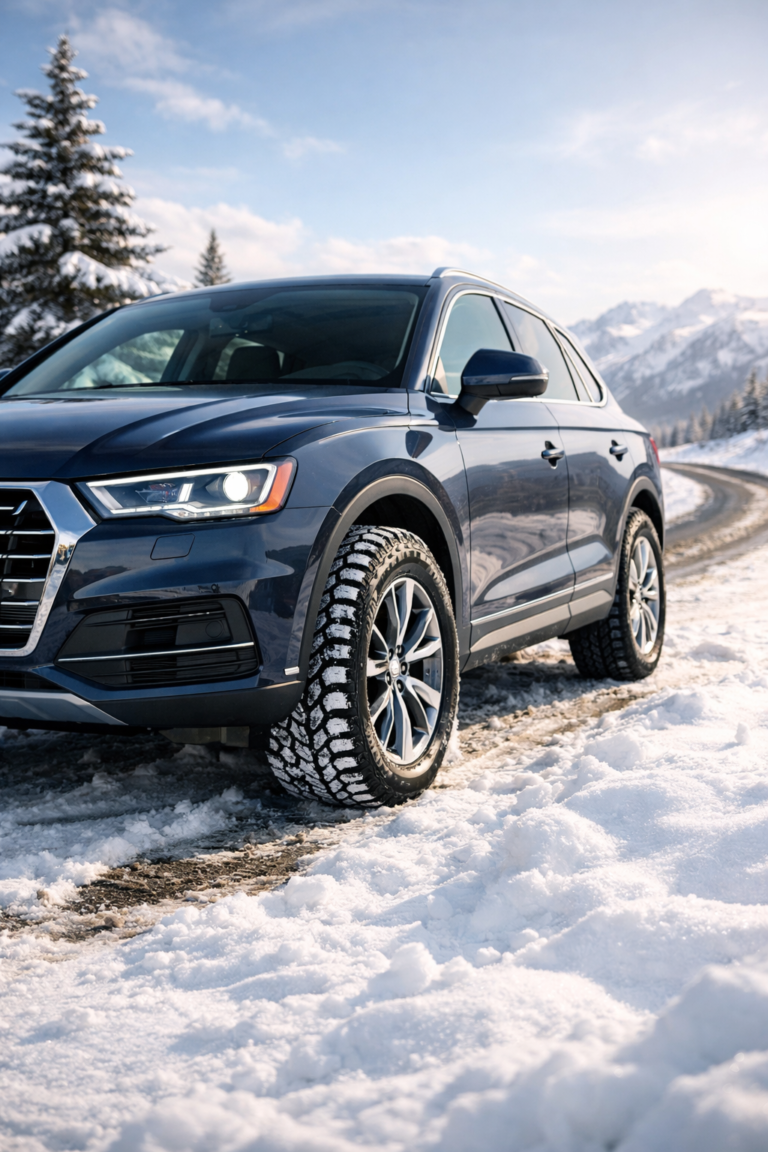
If you do one thing for road trip prep, make it tires. Winter tires can reduce stopping distances on ice by up to 30% compared to all-seasons, which is the difference between a near-miss and an insurance claim. Yes, they cost $800–$1,200 installed, but that’s cheaper than your deductible.
All-seasons are a compromise, and winter doesn’t negotiate. If you’re unsure, read our deep dive on snow tires vs all-season setups before convincing yourself you’re special. Spoiler: you’re not.
Fluids, Battery, and the Boring Stuff That Saves Trips
Cold weather kills weak batteries faster than a comment section kills bad takes. If your battery is over four years old, test it or replace it—modern cars throw tantrums below 20°F. A new battery runs approximately $180–$250 installed.
Check oil viscosity, coolant strength, brake fluid, and winter-grade washer fluid rated to -20°F. This is basic road trip prep, but I still see people with frozen washer tanks driving blind behind salt trucks. That’s not bravery; that’s stupidity.
Brakes, Wipers, and Visibility: The Unsung Heroes
Winter driving is about seeing and stopping, not accelerating. If your brake pads are under 4 mm, replace them before the trip—cold reduces bite, especially on budget compounds. Expect $300–$600 for pads and rotors on most mainstream cars.
Wiper blades should be less than a year old, period. Heated wipers aren’t a gimmick; they’re a godsend when slush hits at 70 mph. Visibility equals safety, and safety equals not ruining your weekend.
AWD, 4WD, and the Myth of Invincibility
I love a good AWD system as much as the next Chris Harris fanboy, but it doesn’t change physics. AWD helps you go, not stop, and it won’t save you on bald tires. If you want the real talk, our guide on winter driving AWD tips breaks down what actually matters.
Competitors like the Subaru Forester, Audi Q5, and BMW X3 all sell confidence, but confidence without grip is just marketing. Respect the conditions, not the badge.
Fuel, Range, and Winter Reality Checks
Gas cars lose efficiency in winter—typically 10–15%—while EVs can lose up to 30% range in freezing temps, according to FuelEconomy.gov. Plan fuel stops earlier than your summer brain thinks necessary. Running dry at midnight in a snowstorm is character-building in the worst way.
Keep the tank above half whenever possible. It prevents fuel line freeze and gives you options if traffic shuts down for hours. This is road trip prep 101, yet somehow still controversial.
Emergency Kit: Cheap Insurance Against Embarrassment
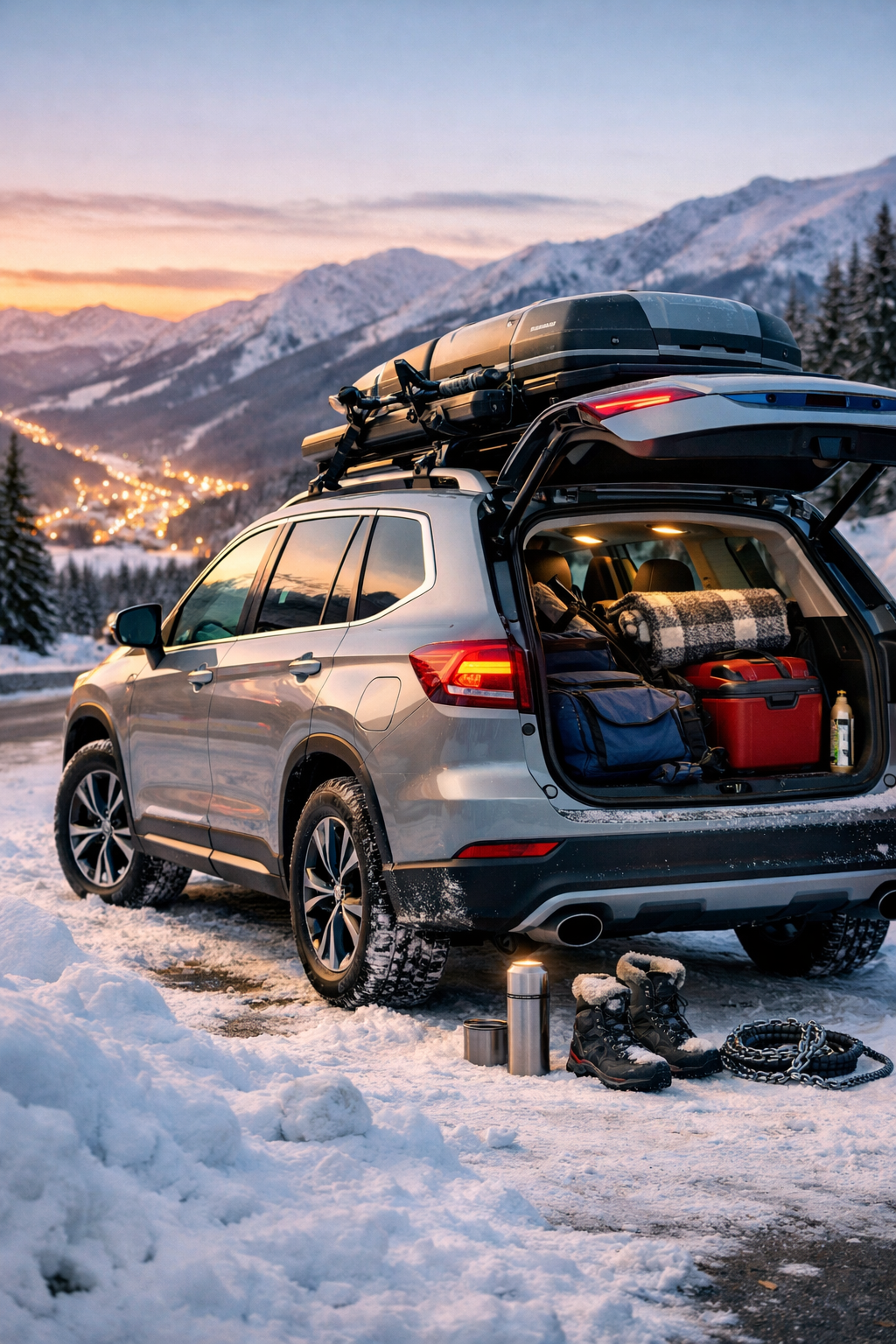
A proper winter kit costs about $120 and can save your life. Jumper cables, a traction mat, flashlight, blanket, gloves, and a compact shovel should live in your car from November to March. Add a phone charger and some water, even if it freezes—it still melts.
I’ll say it plainly: if you drive to big events in winter without a kit, you’re freeloading on other people’s preparedness. Don’t be that guy.
Tech, Driver Aids, and When to Turn Them Off
Modern driver aids are brilliant until they aren’t. Lane-keep systems often misread snow-covered lines, and adaptive cruise can brake unexpectedly on slush reflections. Know how to disable these systems before you need to.
Spend five minutes in your driveway learning the menus. That’s better road trip prep than watching another overproduced influencer video pretending winter driving is “vibes.”
Final Checks the Night Before You Leave
Set tire pressures cold, clear snow from the roof, mirrors, and headlights, and program your route with backup stops. Check weather radar, not just the forecast headline. Winter road trip success is about layers of preparation, not one magic trick.
And yes, leave earlier than you think. Arriving 30 minutes late beats not arriving at all.
Pros
- Reduces breakdown risk dramatically
- Improves safety in snow and ice
- Saves money versus emergency repairs
- Makes long winter drives less stressful
Cons
- Upfront costs for tires and maintenance
- Takes time and planning
- Reveals uncomfortable truths about your car
Do proper road trip prep and winter becomes manageable, even enjoyable. Skip it, and you’re gambling with weather that always wins. The road doesn’t care about your schedule.
Frequently Asked Questions
What is the most important part of road trip prep for winter?
Tires. Winter tires can cut braking distances by up to 30% on ice compared to all-seasons, which matters more than AWD or horsepower.
Do I really need winter tires for a winter road trip?
If temperatures stay below 45°F, yes. Winter compounds remain flexible in cold, improving grip even on dry pavement.
How much range do EVs lose in winter driving?
Approximately 20–30% in freezing conditions due to battery chemistry and cabin heating demands.
Is AWD enough without winter tires?
No. AWD helps acceleration but not braking. Without proper tires, stopping distances remain dangerously long.