
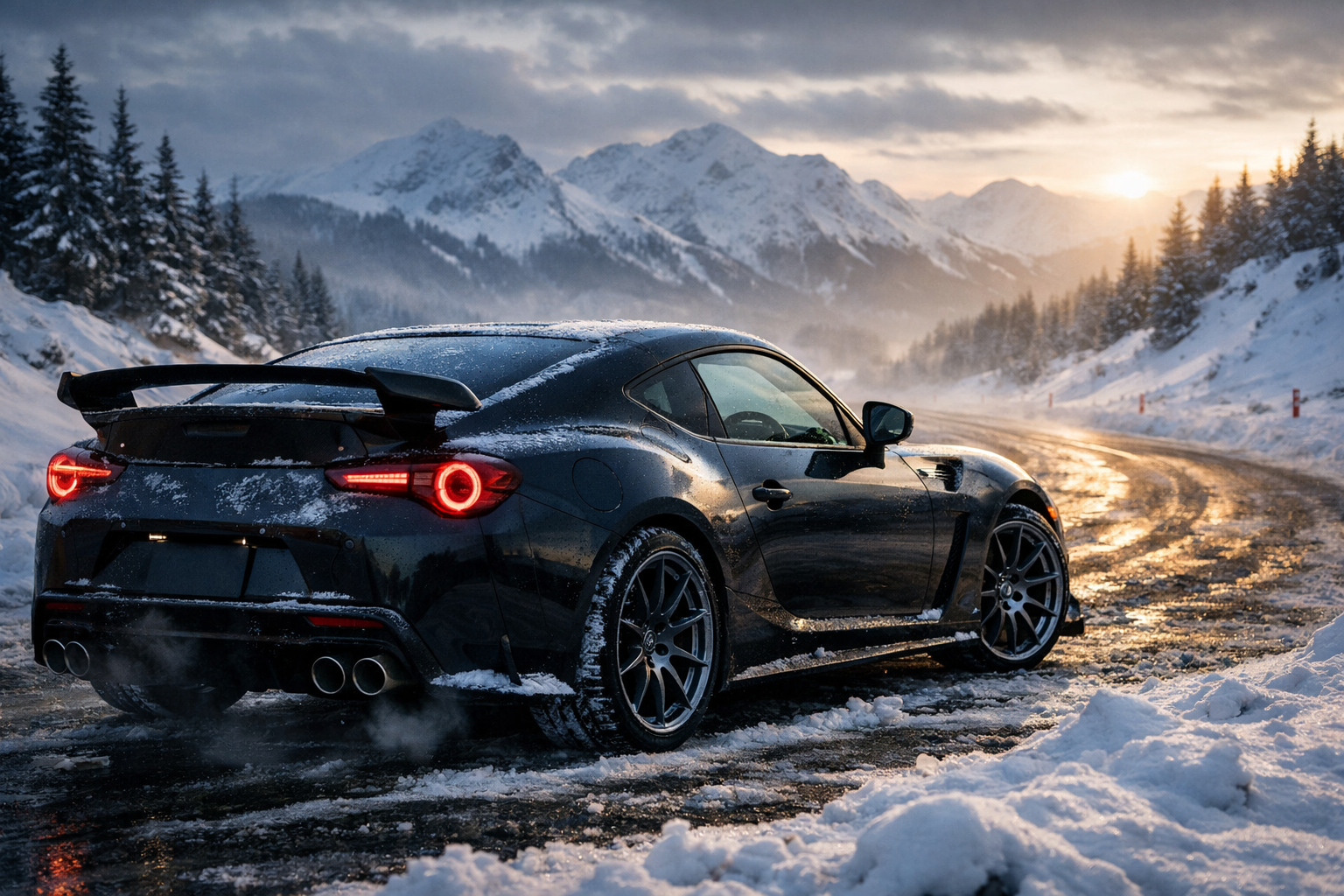
The cold doesn’t care about your Nürburgring lap time. I’ve seen $200,000 manual sports cars reduced to shivering messes because their owners treated January like it was still August, and that’s why manual transmission winter care isn’t optional—it’s survival. If you think easing out the clutch on icy asphalt is just “common sense,” congratulations, you’re already ahead of half the internet.
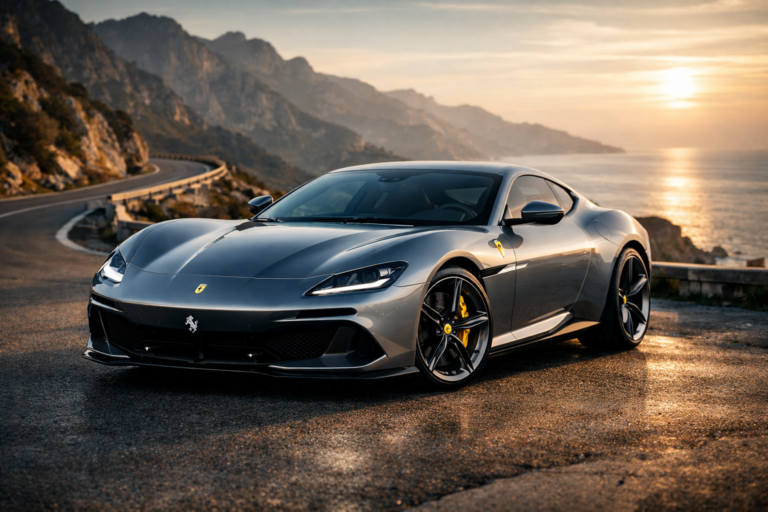
This matters right now because winter is where high-performance cars reveal who engineered them properly and who just slapped a badge on horsepower. A Porsche 911 GT3, BMW M2, or even a featherweight Donkervoort will happily bite you if you ignore cold-weather physics. Done right, winter driving can actually sharpen your skills instead of emptying your wallet.
I’ve driven dozens of manuals in sub-freezing temps, from a Subaru WRX to a Donkervoort P24 RS, and the pattern is always the same. Respect the mechanics, prep properly, and winter becomes a stern instructor rather than a financial executioner. That’s the whole point of proper manual transmission winter care.
Quick Specs
- Starting Price: approximately $182,900 (check manufacturer website for latest pricing)
- Engine: 4.0L naturally aspirated flat-six
- Power: 502 hp / 346 lb-ft
- 0-60 mph: 3.2 seconds
- Fuel Economy: 14 city / 18 highway mpg
Why Manual Transmission Winter Care Actually Matters
Cold weather thickens fluids, hardens rubber, and exposes lazy engineering like a spotlight on a bad toupee. Your manual gearbox oil behaves like honey left in a fridge, which means stiff shifts and increased wear if you rush it. Ignore this, and you’ll grind synchros faster than a YouTuber grinds content.
Competitors like the Toyota GR Supra manual, Chevrolet Corvette C7, and Lotus Emira all suffer the same physics, regardless of badge snobbery. Winter doesn’t care if you paid $45,000 or $145,000. The difference is how much pain you feel when something breaks.
Performance Car Winter Prep Starts Before You Turn the Key
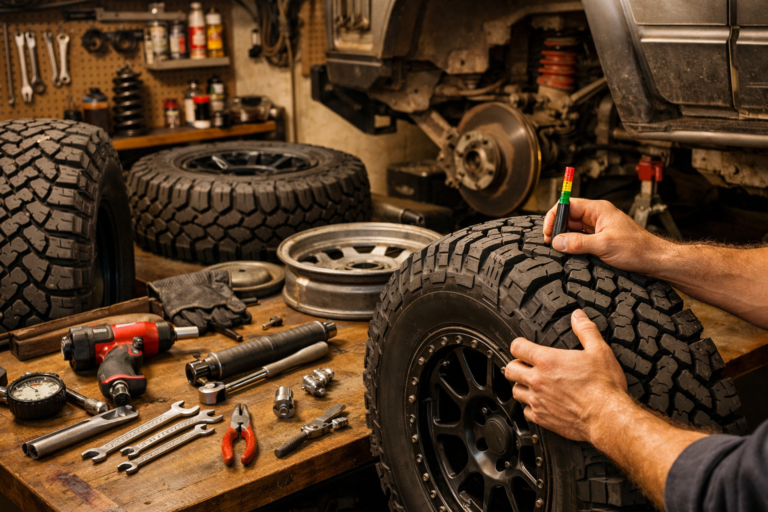
Proper performance car winter prep begins in your garage, not at the first snowy intersection. Swap summer tires immediately—yes, even on AWD cars, and yes, I’m judging you if you don’t. A set of proper winters can cut braking distances by 30% at 32°F, which is the difference between a smug grin and an insurance claim.
If you want a deeper dive, read our Performance Car Winter Prep: Essential Tips and pair it with Snow Tires vs All-Season: Winter Driving Essentials. Hot take: all-seasons are a compromise too far on anything with over 350 hp. They’re the cargo shorts of tires.
Cold Starts: Be Gentle, You Animal
That first start on a 20°F morning is not the time to rev it like you’re leaving Cars & Coffee. Let the engine idle for 30–60 seconds, then drive gently until oil temps rise; coolant temp is a liar and always warms up first. I keep revs under 3,000 rpm for at least 10 minutes, even in something as tough as a 911.
This is doubly important for boutique builds like Donkervoort maintenance routines, where tolerances are race-car tight. If you want proof, our Donkervoort P24 RS Review shows how extreme engineering demands adult supervision in winter. Abuse it cold, and it will absolutely remember.
Clutch and Gearbox Technique on Ice
Your clutch pedal is not an on/off switch when it’s freezing. Smooth engagement matters more than speed, because sudden torque spikes will overwhelm cold tires instantly. Short-shifting at 2,500 rpm feels boring, but it keeps the rear end behind you.
Here’s the controversial bit: rev-matching aggressively in winter can be counterproductive. A big blip can upset traction mid-corner, especially in cars like a Mustang GT or BMW M3. Sometimes the smoothest shift is the laziest one.
Driving Dynamics: Winter Is a Skill Upgrade
Cold-weather driving forces you to read grip like tea leaves. Steering inputs need to be slower, throttle inputs calmer, and ego inputs deleted entirely. I’ve learned more about car balance in snowy parking lots than on most sunny track days.
Competitors like the Subaru BRZ, Mazda MX-5 Miata, and Porsche Cayman all teach this lesson beautifully. Winter exposes chassis tuning, not just horsepower. If your car feels nervous at 40 mph, it wasn’t “track-focused,” it was underdeveloped.
Common Mistakes That Kill Gearboxes
Resting your hand on the shifter while cruising is bad anytime, but worse in winter when tolerances are tighter. Forcing second gear when it’s clearly not ready is how synchros go to an early grave. And skipping differential fluid changes because “the manual says 60,000 miles” is penny-wise and pound-foolish.
manual transmission winter care also means listening to the car. If shifts feel notchy for the first 5 miles, that’s normal. If they feel like a bag of bolts after 20, call a professional.
When to Park It and Walk Away
Some days, the bravest thing you can do is leave the keys on the hook. Black ice plus 500 hp is not character building, it’s Russian roulette. Even I park my nicest stuff when temps drop below 10°F and roads look like a curling rink.
If you’re unsure, check safety data from NHTSA and efficiency realities at FuelEconomy.gov. And yes, manufacturers like Porsche quietly recommend winter tires for a reason.
Pros
- Extends gearbox and clutch life
- Improves winter driving confidence
- Makes you a smoother, faster driver year-round
- Reduces costly cold-weather failures
Cons
- Requires patience and discipline
- Winter tires aren’t cheap
- Your ego will take a hit
manual transmission winter care isn’t about babying your car; it’s about understanding it. Treat winter like a mechanical stress test, not an inconvenience, and your sports car will reward you with loyalty come spring. Ignore it, and you’ll be shopping for a new clutch while telling friends it “just failed out of nowhere.”