
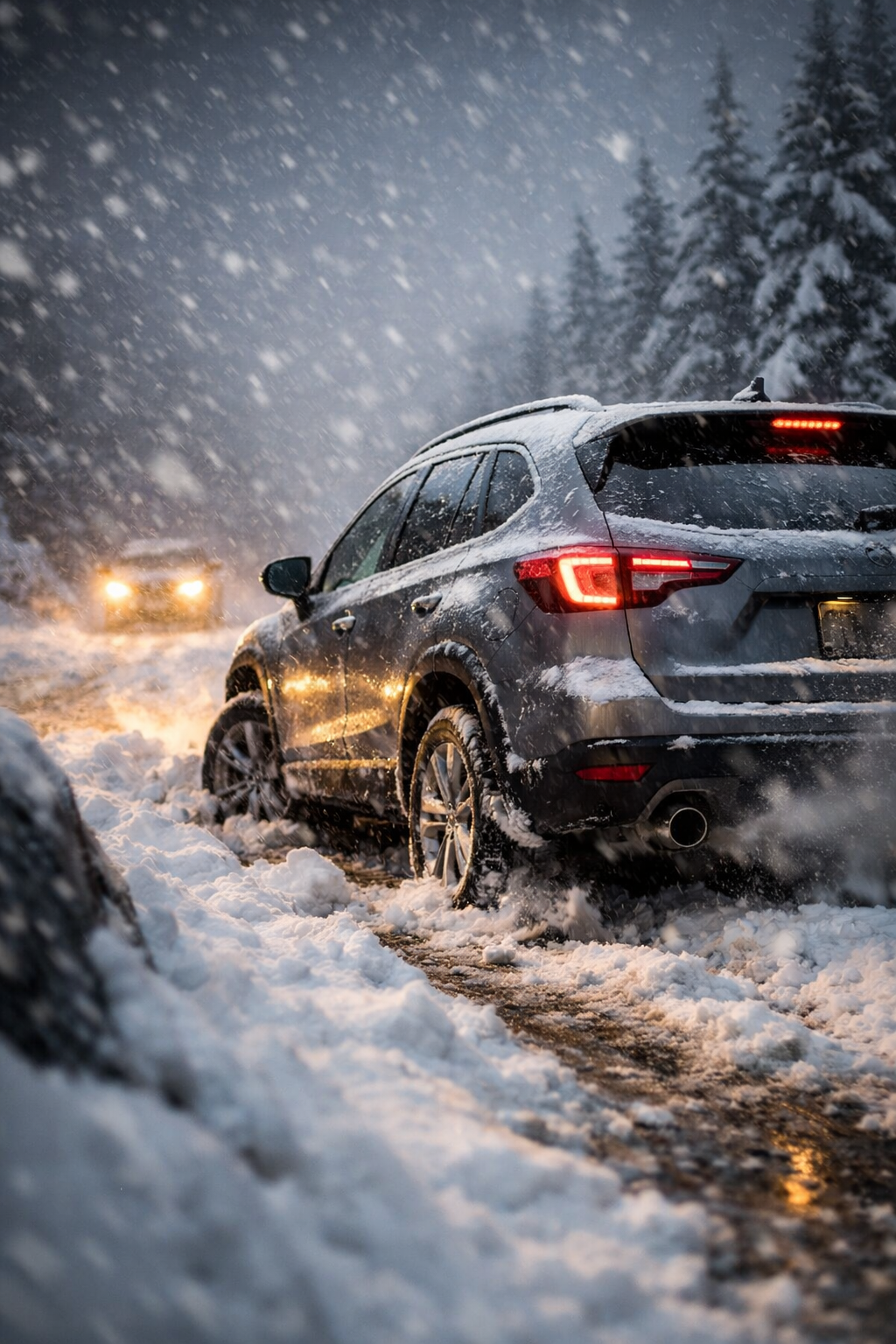
Here’s a scary stat to warm your beer: most January ditchings aren’t caused by blizzards or black ice, but by confidence built on absolute nonsense. I’ve pulled more cars out of snowbanks than I care to admit, and almost every driver swore they were “doing everything right.” That’s why winter driving myths deserve to be called out, loudly, before they leave you stranded—or worse—wearing a hi-vis vest on the hard shoulder.
This matters right now because January doesn’t forgive stupidity, only physics. Cold rubber grips less, batteries sulk, and modern cars can’t cheat friction no matter how many acronyms the marketing team throws at it. Let’s bust the winter driving myths that get people stuck, sliding, or starring in dashcam compilations.
I’ve driven everything from a Subaru Outback to a Ford F-150 Raptor on frozen lakes, and the pattern is always the same: the myths are comforting, simple, and completely wrong. Grab a pint, because I’m about to ruin some pub wisdom.
Why Winter Driving Myths Are So Dangerous
The problem with winter driving myths is that they feel logical until gravity and momentum introduce themselves. AWD, traction control, and 400 horsepower don’t change the coefficient of friction; they just delay the moment you realize you’re a passenger. Ask any Chris Harris fan—feel matters, not faith.
Modern cars hide danger well, especially crossovers like the Toyota RAV4 or Tesla Model Y. They’re quiet, stable, and numb, which means when grip disappears, it does so all at once. That’s how people end up backwards at 25 mph wondering which button activates “winter mode.”
Myth #1: AWD Means You’re Basically Invincible
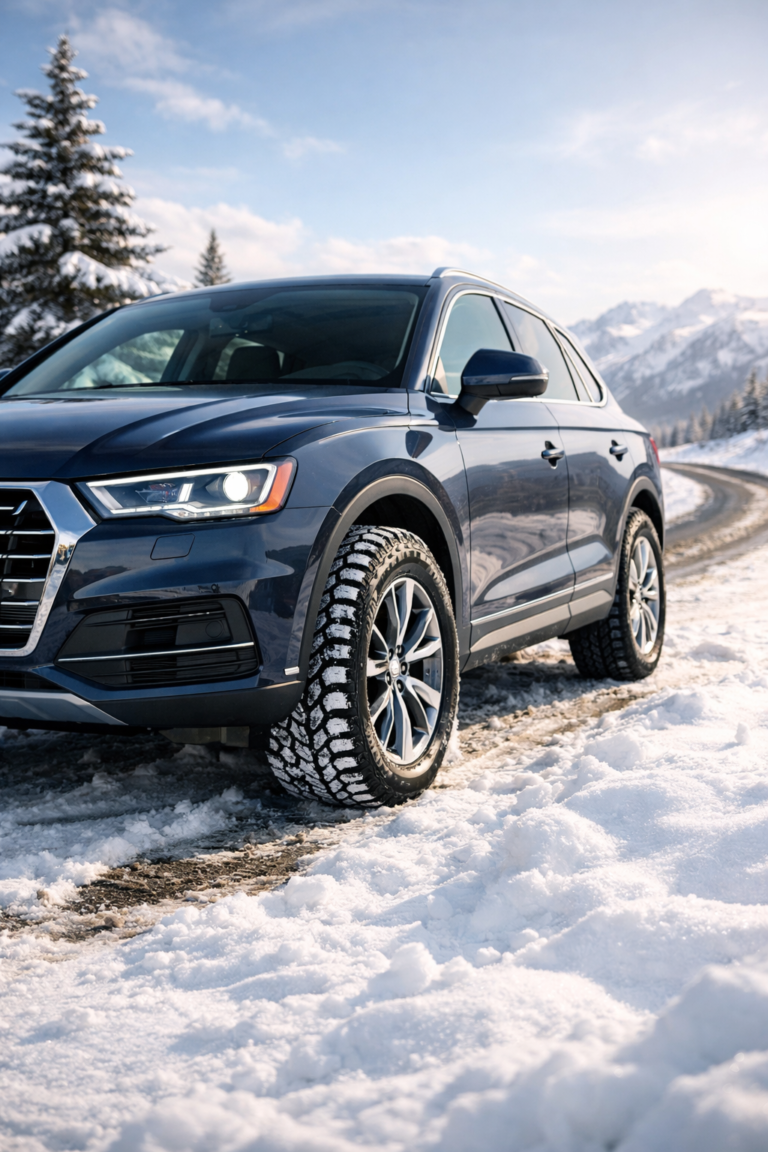
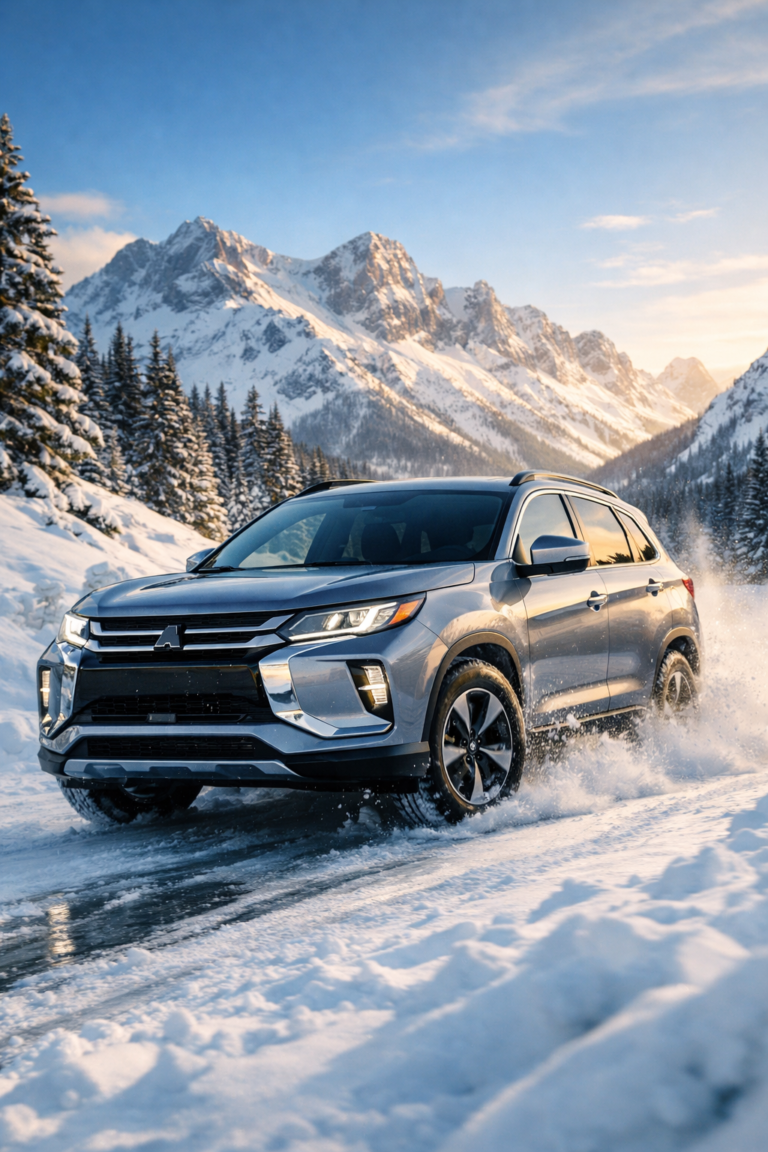
This one refuses to die. AWD helps you go, not stop, and that’s the difference between smug progress and meeting a snowbank at 18 mph. I don’t care if it’s a Subaru Outback, Audi Quattro, or Jeep Wrangler—braking is still four tiny contact patches.
Hot take: AWD without winter tires is worse than FWD with proper rubber, because it encourages stupidity. If you want the real breakdown, read our deep dive on AWD vs 4WD in winter, which explains why drivetrain marketing won’t save you. Stopping distances at 30 mph can double on all-seasons compared to winters.
Myth #2: All-Season Tires Are “Good Enough”
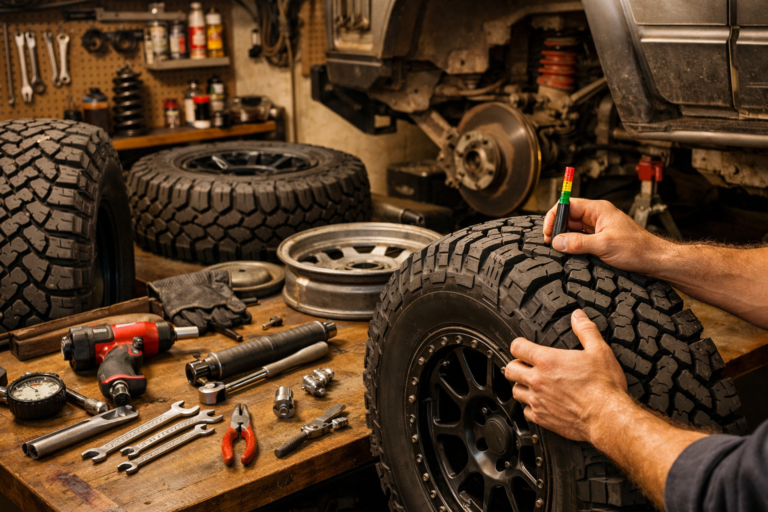
All-seasons are like flip-flops with socks: technically legal, spiritually wrong. Below 45°F, the rubber compound hardens, and grip disappears faster than a Dodge Charger at a cars-and-coffee meet. Independent tests show winter tires can stop 20 to 30 feet shorter from 30 mph on snow.
If you want the nerdy details, our snow tires vs all-season guide explains why tread design and compound matter more than brand. Michelin, Bridgestone, Nokian—it doesn’t matter, as long as it’s a proper winter tire. Yes, even on your $90,000 BMW X5.
Myth #3: Heavier Vehicles Are Safer in Snow
Tell that to the laws of inertia. Weight helps traction when moving, but it absolutely murders stopping distances when things go wrong. A 6,000-pound Ford F-150 needs more grip to stop than a 3,500-pound Mazda CX-5, and winter doesn’t hand out bonuses for mass.
I’ve watched full-size SUVs like the Chevy Tahoe and Cadillac Escalade slide farther than hot hatches because physics doesn’t care about your monthly payment. For safety ratings reality, check NHTSA and remember: crashes happen when you can’t stop, not when you feel confident.
Myth #4: Letting Your Car Idle Forever Is Good for It
This one’s pure boomer folklore. Modern engines warm up faster by driving gently, not idling like a Labrador refusing a walk. Five minutes max, then go easy until oil temps rise.
Excessive idling wastes fuel—up to 0.5 gallons per hour—and increases engine wear. If you care about MPG, FuelEconomy.gov shows how cold weather already cuts efficiency by 15 to 30 percent. Idling just pours salt in the wound.
Myth #5: EVs Are Hopeless in Winter
This is my controversial hill to die on: EVs aren’t bad in winter, lazy owners are. Yes, range drops—often 20 to 40 percent—but torque delivery and traction control are phenomenal on snow. A Tesla Model Y or Volvo EX60 with winter tires is hilariously competent.
The trick is preparation, not panic. Precondition the cabin, plan charging stops, and don’t expect summer range numbers in January. Our winter EV survival guide explains how to avoid becoming a cold, smug statistic.
Myth #6: Traction Control Should Always Stay On
Traction control is brilliant until it isn’t. In deep snow, some systems cut power so aggressively that you can’t build momentum, leaving you stuck like a beached whale. Knowing when to dial it back is real driver skill, not recklessness.
Manufacturers like Toyota, Ford, and BMW often allow partial deactivation for a reason. Read your manual—yes, the boring book in the glovebox—and practice somewhere safe. Doug DeMuro would absolutely approve of this “quirk.”
Common Mistakes That Make Everything Worse
The biggest error I see is overconfidence, closely followed by cheap tires and zero practice. People buy vehicles like the Honda CR-V or VW Tiguan expecting them to defy weather because the ad showed snow. Marketing isn’t traction.
Another killer mistake is ignoring maintenance. Weak batteries die faster in cold, washer fluid freezes, and worn brakes reduce control. Winter driving myths thrive when owners assume modern cars are maintenance-free miracles.
Pro Tips That Actually Work
Slow inputs beat fast reactions. Smooth throttle, gentle steering, and earlier braking give tires time to work. Think chess, not whack-a-mole.
Carry basics: a shovel, traction boards, jumper cables, and a blanket. It’s not paranoid; it’s competent. Even the most capable Jeep or Land Rover can’t argue with ice.
When to Call a Professional
If you’re sliding downhill with no grip, stop trying to be a hero. Tow trucks exist for a reason, and body shops are expensive. Knowing when to quit is part of cold weather car safety.
This is where winter driving myths do real damage—convincing people they should push on instead of backing off. Pride is cheaper than repairs, but only just.
Pros
- Proper tires dramatically improve stopping distances
- Modern stability systems can help when understood
- Preparation reduces stress and risk
- EVs can be excellent winter cars with planning
Cons
- AWD marketing breeds overconfidence
- Winter tires cost money upfront
- Cold weather punishes poor maintenance
So here’s the bottom line: winter driving myths are comforting lies that January gleefully disproves. Buy the right tires, respect physics, and stop believing your SUV is a snow god. Do that, and winter becomes manageable—maybe even fun—instead of a monthly insurance claim.