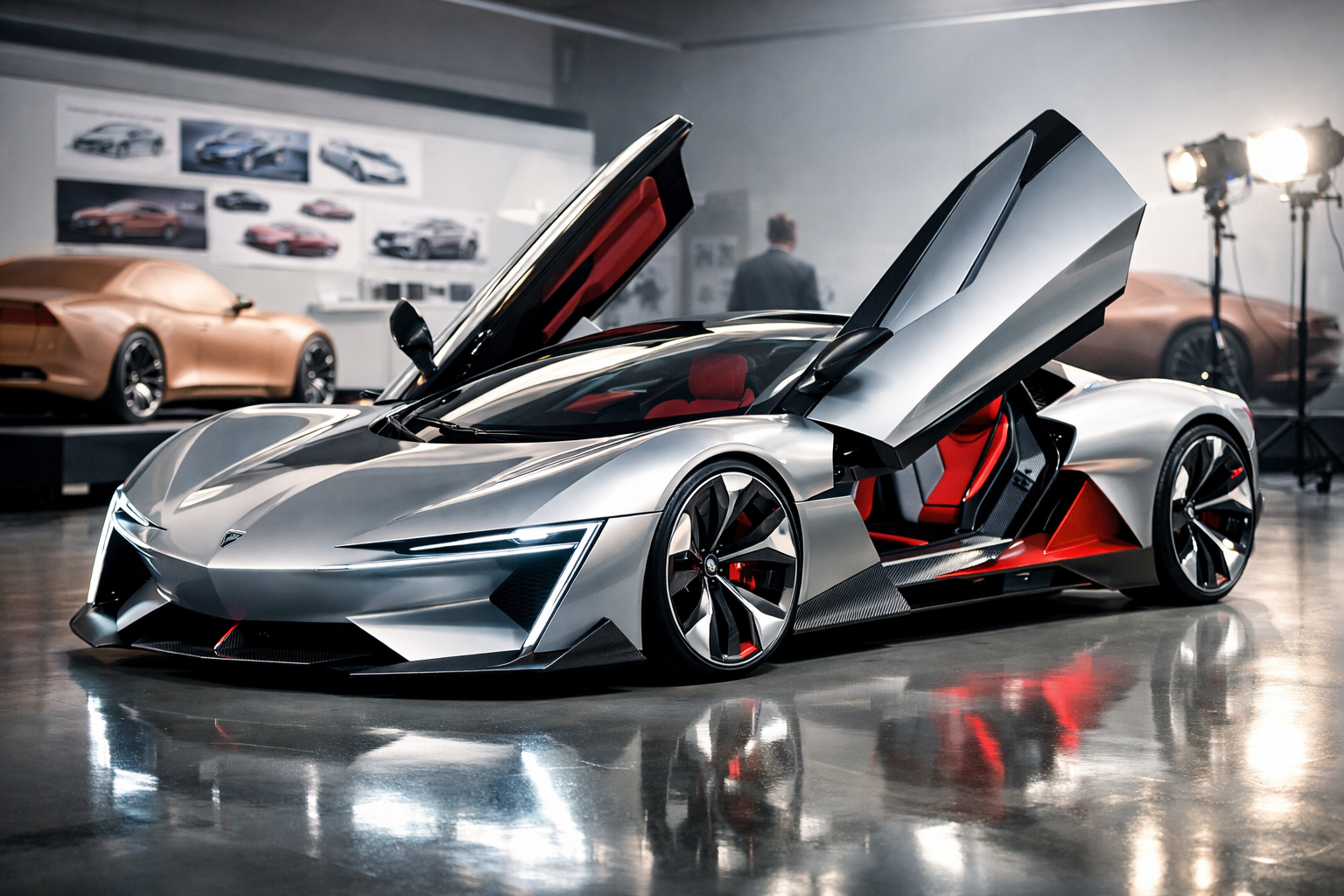

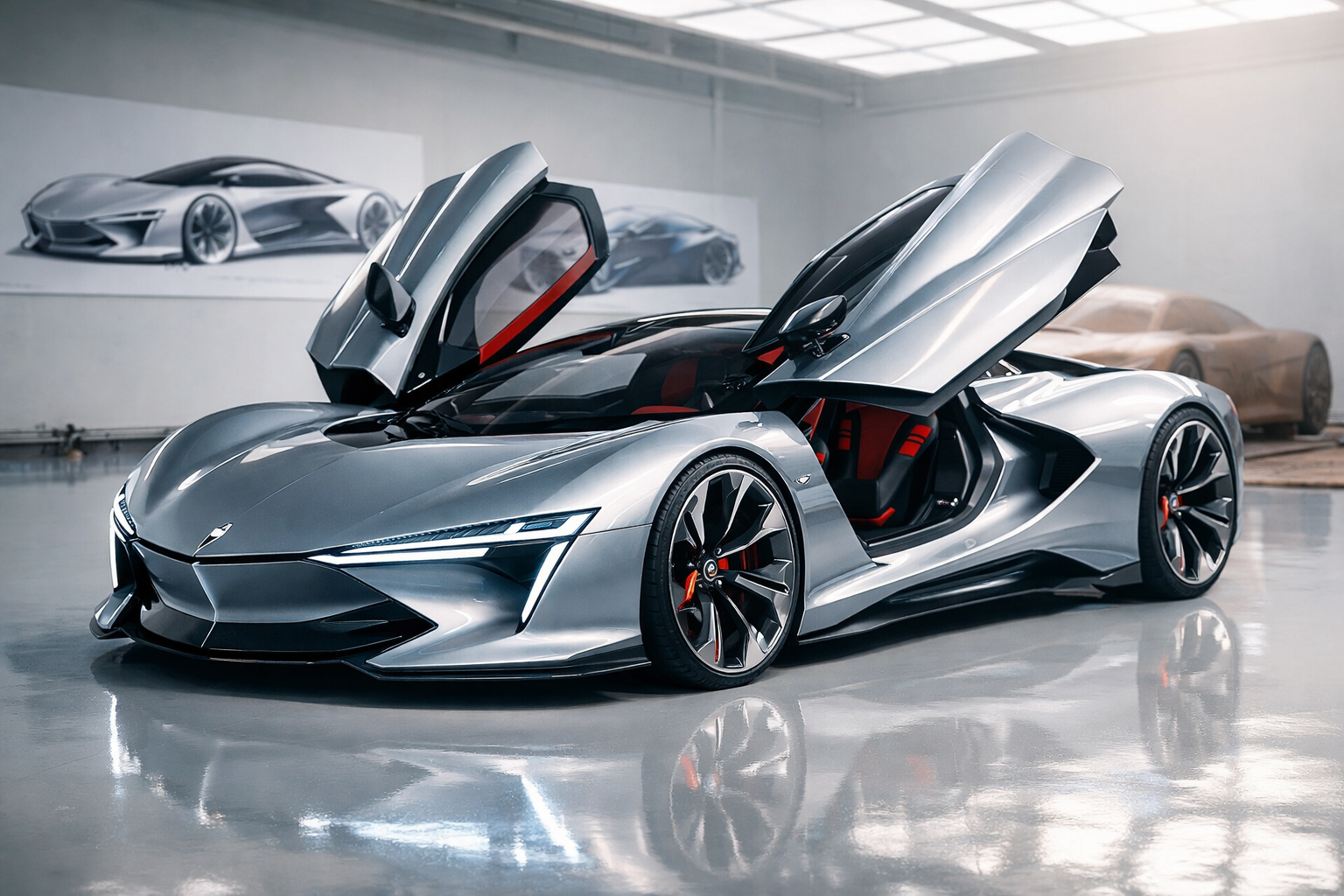
Here’s a spicy truth that makes accountants nervous: car concepts matter more to enthusiasts than half the beige crossovers actually clogging dealer lots. I’ve watched grown adults lose their minds over a concept that’ll never see a VIN, while yawning at a 300-hp SUV they could buy tomorrow for starting around $48,000. That’s not irrational; that’s passion spotting good ideas before corporate sandpapers them into mush.
This matters right now because 2025 and 2026 have become the age of “design by committee,” where everything must offend nobody and excite even fewer. Enthusiasts cling to concept cars because they’re the last place designers are allowed to be weird, brave, and occasionally brilliant. And yes, before you ask, that’s exactly why we still argue about concepts from 10 years ago over pints.
When I say car concepts, I don’t mean fantasy Hot Wheels nonsense. I mean the stuff teased at shows like Pebble Beach and Tokyo that hints at what BMW, Hyundai, or even Toyota could build if legal and finance teams took a long lunch. If you’ve ever watched Doug DeMuro point at a ridiculous door handle or Chris Harris wax lyrical about steering feel that never made production, you already get it.
Why car concepts Hit Enthusiasts Harder Than Production Cars
Concepts aren’t shackled by lease residuals, crash regulations, or whether cupholders fit a 32-ounce soda. Designers can chase purity, like a 3,200-pound electric coupe instead of a 4,800-pound “sport activity vehicle.” That freedom is intoxicating to anyone who’s ever complained modern cars feel heavy and numb.
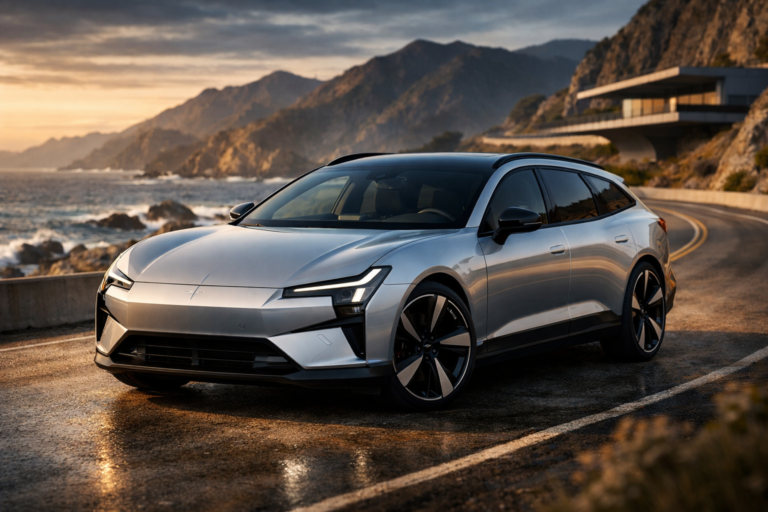
Compare that to real-world rivals like the 2026 BMW X3, Audi Q5, and Mercedes GLC. All competent, all fast enough with 0–60 mph times around 5.5 seconds, and all about as emotionally stirring as airport carpeting. Concepts promise an alternate timeline where those same brands remember why we fell in love with them.
Design Studios as Skunkworks, Not Marketing Theater
Hot take: the best concept cars are internal therapy sessions for engineers. They let teams explore ideas that won’t survive production but influence everything from lighting signatures to steering wheels. The Hyundai N Vision 74 didn’t happen, but its retro-futuristic vibe is already bleeding into real N cars.
This isn’t just art school nonsense either. Look at how the Lexus LC concept turned into a production car that actually looked good, as we covered when discussing the end of luxury coupes. Concepts plant the seed, production cars harvest whatever finance doesn’t uproot.
Concept Cars Are Where Brand Identity Gets Rewritten
Every brand claims “heritage” in press releases, but concepts show what they actually believe. BMW’s grille experiments didn’t start on showroom cars; they started as concepts that tested our tolerance. We dug into that slippery slope in our breakdown of the BMW logo change and EV identity.
Enthusiasts care because design language affects everything downstream, from how a car drives to how it ages. A strong concept can save a brand from becoming anonymous, which is a real risk in 2026 when half the market shares the same skateboard EV bones.
They Keep Enthusiast Culture Alive
Let’s be blunt: manuals are dying, coupes are disappearing, and everything costs more. A base sports sedan now starts around $42,000, check manufacturer website for latest pricing, and somehow still has a touchscreen bigger than your TV. Concepts give us something to argue about that isn’t just depreciation curves.
This is the same reason people obsess over things like the survival of stick shifts, a topic we hammered home in why manual transmission trucks still matter. Concepts keep the conversation emotional, not purely transactional.
The Controversial Truth: Most Concepts Should Stay Concepts
Here’s where I’ll annoy everyone: building most concepts would ruin them. Add airbags, pedestrian-impact structures, and a 10-year warranty, and that sleek 2,900-pound dream balloons past 4,200 pounds. The magic evaporates faster than a startup EV brand.
That doesn’t make concepts pointless; it makes them honest. They show intent, not compromise, and enthusiasts are smart enough to read between the carbon-fiber lines.
Concepts as Rolling R&D for the Future
Look closely and you’ll spot future tech hiding in plain sight. Lighting tech, UI layouts, even aero tricks eventually filter down to cars you can buy, like how active aero moved from concepts to $60,000-plus performance sedans. This trickle-down effect is slow, but it’s real.
Manufacturers quietly admit this on their own sites, if you dig. BMW and Mercedes both outline concept programs on their official pages like BMW.com and Mercedes-Benz.com, though they dress it up in corporate yoga language.
Why We’ll Never Stop Caring About car concepts
Enthusiasts don’t just buy cars; we buy ideas. Concepts are pure ideas on wheels, unfiltered and occasionally ridiculous. They remind us cars can be more than appliances with OTA updates.
As long as production cars chase volume and compliance, car concepts will be the rebellious sketches pinned above our garage workbenches. They’re hope, frustration, and inspiration rolled into one impractical package.
Pros
- Show unfiltered design intent
- Influence future production models
- Keep enthusiast culture emotionally engaged
- Allow experimentation without compromise
Cons
- Often create unrealistic expectations
- Rarely survive intact to production
- Easy targets for marketing fluff
Frequently Asked Questions
Why do enthusiasts care about car concepts?
They show pure design and engineering intent without cost or regulation constraints. Concepts often preview future styling, tech, and brand direction years in advance.
Do car concepts ever become production cars?
Rarely in full form. Elements like lighting, proportions, or interior layouts often survive, while weight, price, and safety realities force compromises.
Are car concepts just marketing gimmicks?
Some are, but many function as real R&D tools. Automakers use them to test public reaction and develop future technology.
Where can I see the latest concept cars?
Major auto shows, Pebble Beach, and manufacturer websites are best. Our 2026 auto show guide tracks where concepts debut.