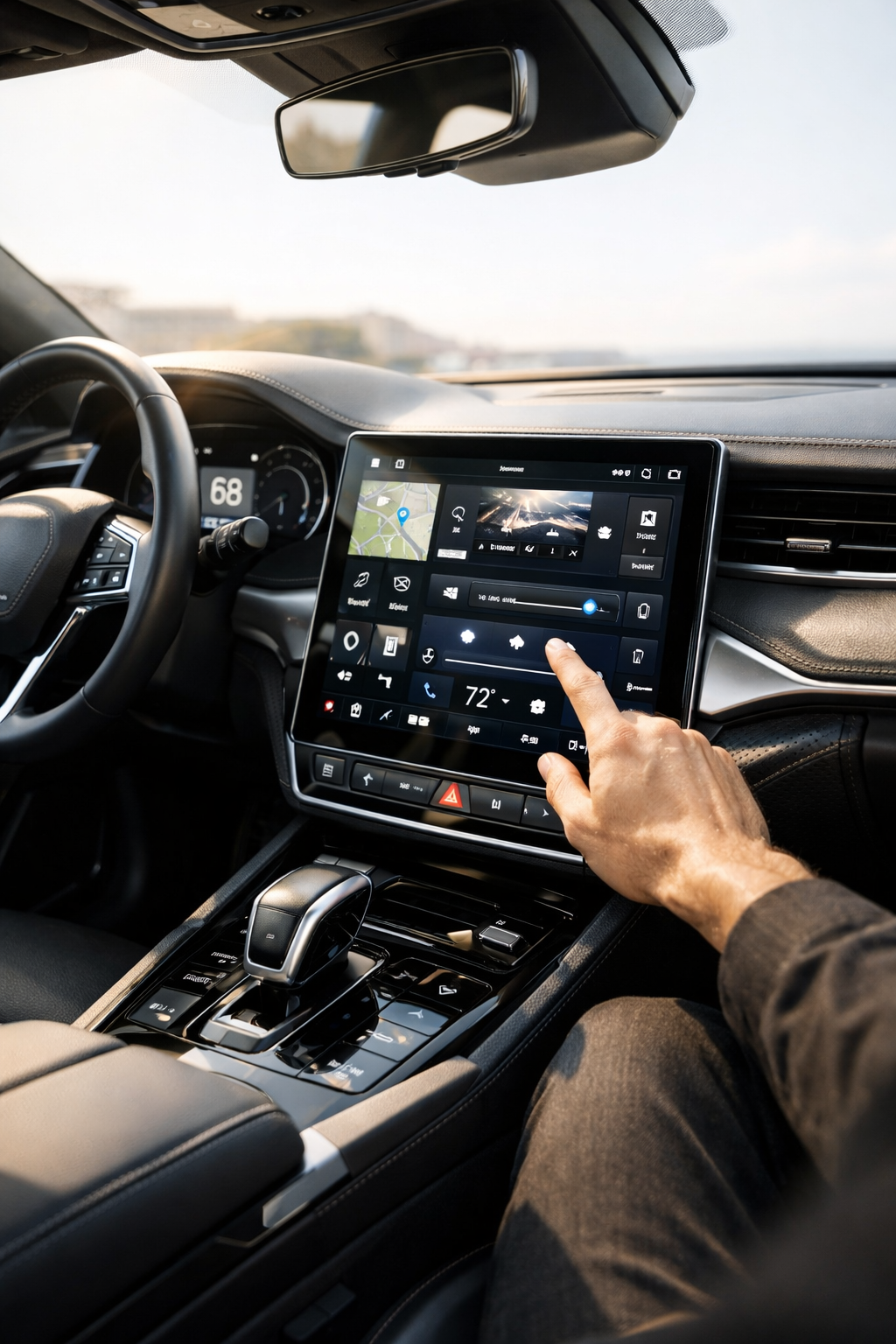

Remember when adjusting your climate control didn’t require a software update? The war over car touchscreens vs buttons has officially turned, and automakers are quietly admitting what enthusiasts have been shouting since the first fingerprint-smeared slab replaced a proper volume knob: we went too far.
Over the past decade, screens ballooned from tidy 7-inch displays to 15-, 17-, even 56-inch dashboard-spanning monoliths. Tesla led the charge, Volkswagen followed with haptic sliders that worked about as well as a chocolate teapot, and Mercedes glued what looked like a Best Buy TV wall into the EQS. Now, in 2025 and 2026 model years, the physical button is staging a comeback tour.
Why does this matter right now? Because the industry is finally admitting that automotive UX isn’t an iPad on wheels. It’s a two-ton machine hurtling at 70 mph, and taking your eyes off the road to adjust the fan speed is, frankly, daft.
The Great Touchscreen Overcorrection
Let’s be honest: automakers didn’t go all-in on touchscreens because they’re better. They did it because they’re cheaper. One big display and fewer physical switches mean fewer parts, simplified wiring, and a cabin that looks “tech-forward” in a showroom.
But cost-cutting dressed up as innovation rarely ages well. Volkswagen’s Mk8 Golf (starting around $31,000 in 2025) buried climate controls in sliders that didn’t even light up at night. Tesla’s Model 3, approximately $38,000 to start (check Tesla’s website for latest pricing), still forces you to dive into menus to adjust mirrors or steering wheel position.
I’ve driven dozens of SUVs and sports cars in the last two years, and the worst offenders share one trait: they make simple tasks complicated. That’s not progress. That’s regression wrapped in glossy pixels.
Why Car Touchscreens vs Buttons Became a Safety Debate
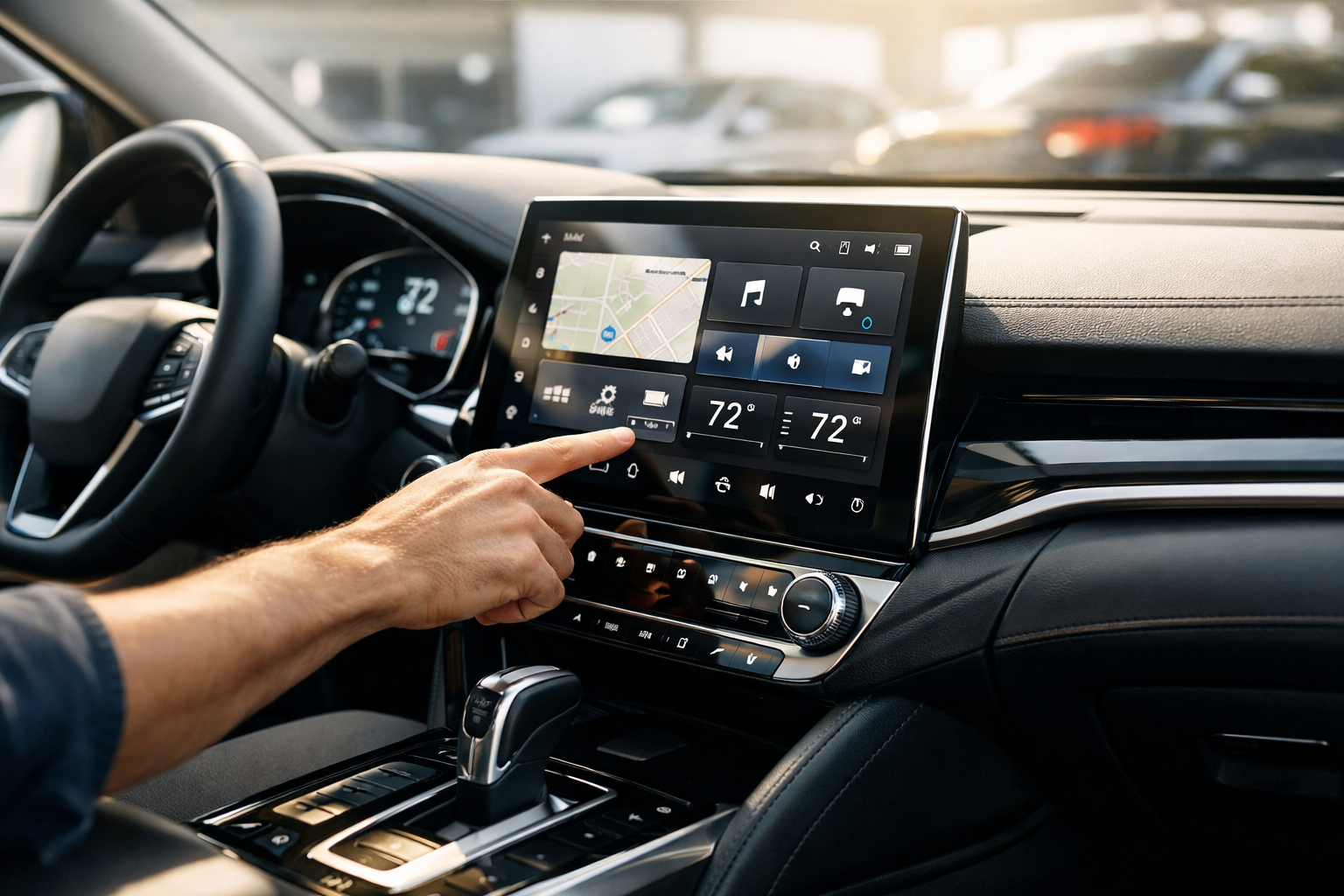
This isn’t just enthusiasts moaning into their flat whites. Multiple studies, including research cited by European safety bodies, show that touchscreens increase glance time compared to physical controls. Translation: your eyes are off the road longer.
In some cases, adjusting basic functions on a touchscreen can take 10–20 seconds of visual distraction. That’s an eternity at highway speeds. Even the NHTSA has long recommended minimizing driver distraction through intuitive controls.
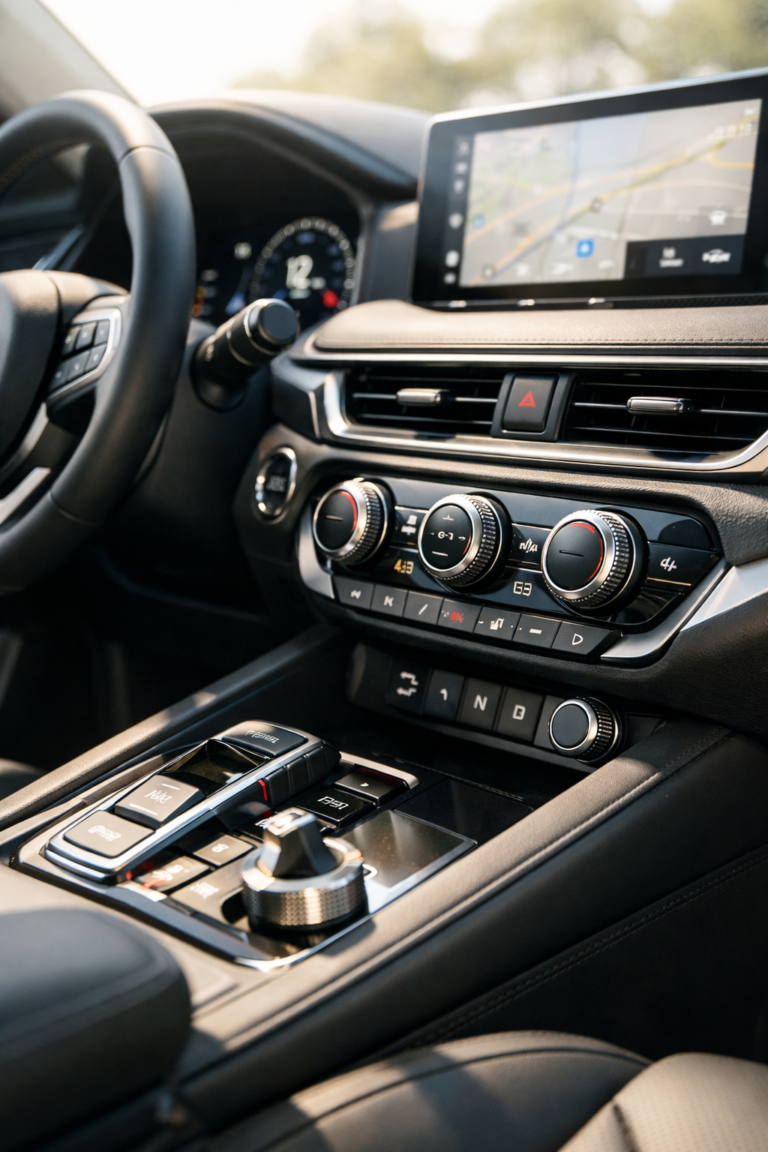
Physical buttons win because muscle memory is a beautiful thing. After a week with a car, you can find the volume knob or temperature dial without looking. Try doing that with a sub-menu buried three layers deep under “Vehicle Settings.”
Manufacturers Are Walking It Back
Here’s the plot twist: the very brands that went full spaceship are quietly reinstating buttons. Volkswagen admitted its mistake and confirmed that future models will bring back physical controls for volume and climate. That’s essentially a corporate way of saying, “Sorry about that.”
Hyundai and Kia—two brands that have been absolutely on fire lately—never went fully touchscreen-mad. The 2026 Hyundai Tucson (starting around $29,000) smartly blends a 12.3-inch display with proper climate toggles. It’s the sweet spot Doug DeMuro would call a “quirk and feature” done right.
Even Porsche, in the 2026 Cayenne Turbo Electric we recently tested, mixes touch panels with tactile feedback and key physical shortcuts. You can read our full breakdown here: Porsche Cayenne Turbo Electric Review. Stuttgart clearly understands that driving engagement doesn’t end at the steering wheel.
When Screens Actually Make Sense
Before we throw every tablet into the recycling bin, let’s be fair. Screens are brilliant for navigation, 360-degree cameras, and Apple CarPlay or Android Auto integration. Try fitting a map of downtown Chicago onto a 3-inch LCD from 2004. Not happening.
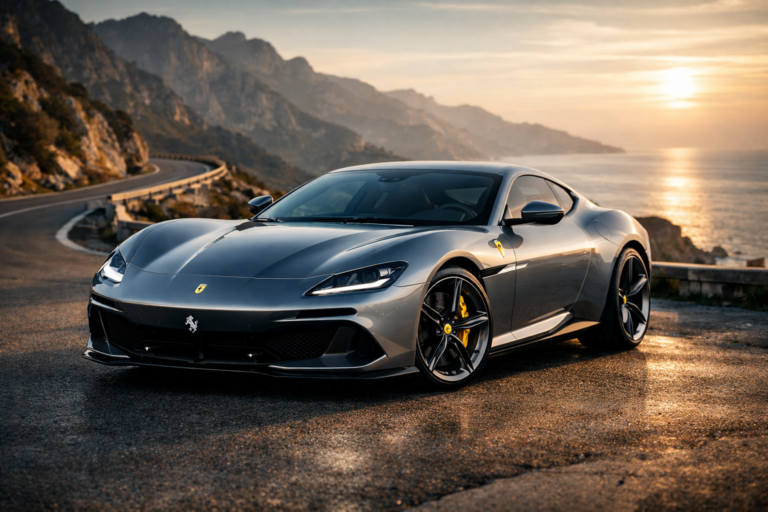
In EVs especially, where energy flow graphics and charging data matter, digital displays provide useful real-time info. The Ferrari Luce’s Apple-inspired EV interior proves that a screen-heavy layout can feel special—if it’s intuitive and beautifully executed.
The issue isn’t screens themselves. It’s replacing everything with them. Volume, fan speed, heated seats—these should be one-touch, not a digital scavenger hunt.
The Tesla Effect (And Why It’s Fading)
Let’s address the Silicon Valley elephant in the room. Tesla normalized the single-screen interior, and for a while, everyone copied the homework. Minimalism became a design religion.
But here’s my controversial hot take: Tesla’s interior design is aging faster than a 2012 iPad. What felt futuristic in 2017 now feels sparse and, dare I say, cheap in a $50,000 Model Y. Meanwhile, competitors like BMW, Audi, and even Ford are blending digital with tactile controls more intelligently.
This shift mirrors broader industry recalibration. Just as we’re seeing enthusiasts cling to combustion in pieces like why V12 engines refuse to die, drivers are rediscovering the joy of physical interaction. Turns out, humans like touching real things.
Car Touchscreens vs Buttons: The Cost of Looking Cool
There’s another layer to the car touchscreens vs buttons debate: long-term ownership. Screens age. Software glitches. Processors lag. That glossy panel that wowed you in the showroom can feel prehistoric in five years.
Physical buttons? They either work or they don’t. And when they don’t, replacing a $15 switch beats replacing a $2,000 integrated display unit. Ask anyone who’s priced out an out-of-warranty infotainment replacement—it’s not pretty.
Resale value also plays a role. As buyers become more skeptical of over-digitized cabins, cars with intuitive, balanced UX may hold appeal longer. It’s the same reason analog gauges are making a quiet comeback in some performance models.
What Good Automotive UX Actually Looks Like
The best interiors in 2025 and 2026 follow a simple rule: eyes up, hands down. Frequently used functions get physical controls. Secondary features live in the screen.
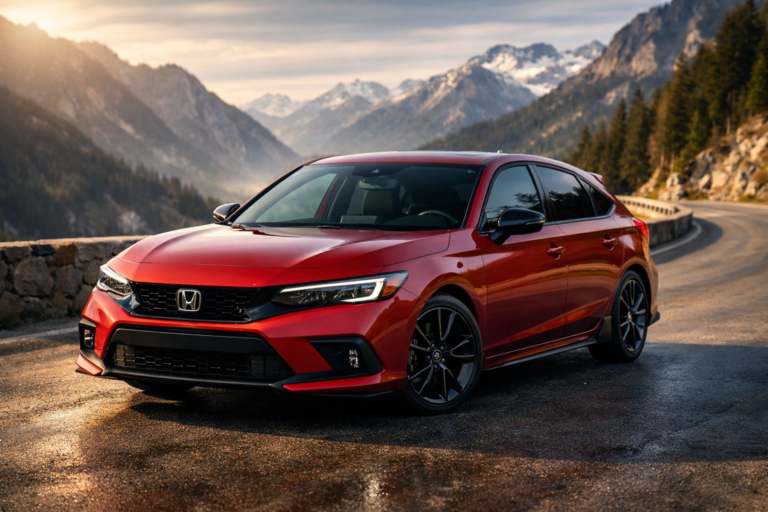
Take the Mazda CX-90 (starting around $39,000). It uses a large center display but keeps a rotary controller and proper climate buttons. Or the Honda Civic, which pairs a clean 9-inch touchscreen with knurled knobs that feel like they were machined in a watch factory.
Even in performance cars like the 2026 Aston Martin Vantage S, which you can explore here: 2026 Aston Martin Vantage Review: Sharper, Louder, the essentials remain tactile. Because when you’re blasting to 60 mph in approximately 3.3 seconds, you don’t want to swipe through menus to turn off the heated seats.
The Enthusiast’s Verdict on the Comeback
I’ll say it plainly: the return of physical controls is one of the best trends in modern automotive design. It signals that automakers are listening—not just to focus groups, but to real-world feedback.
The car touchscreens vs buttons pendulum is finally swinging toward balance. And balance, in cars, is everything. Just ask Chris Harris—chassis tuning matters, but so does the way you interact with the machine.
Pros
- Improved safety through reduced distraction
- Better long-term reliability and lower repair costs
- Enhanced driving engagement via tactile feedback
- More intuitive user experience for all age groups
Cons
- Higher manufacturing complexity and cost
- Less “wow factor” in showroom comparisons
- Potential for cluttered design if poorly executed
The industry flirted with full digital minimalism and realized it wasn’t the utopia it promised. The future isn’t buttons or screens—it’s both, used wisely. And frankly, the sooner every automaker admits that, the better our dashboards—and our sanity—will be.
Frequently Asked Questions
Are car touchscreens vs buttons safer?
Physical buttons are generally safer for frequent tasks because they allow muscle memory use. Studies show touchscreens can increase glance time by 10–20 seconds for simple adjustments, increasing distraction at highway speeds.
Why did automakers remove physical controls?
Primarily to reduce manufacturing costs and create a modern, tech-focused aesthetic. Large integrated screens simplify wiring and reduce parts count compared to dozens of individual switches.
Which brands are bringing buttons back?
Volkswagen has publicly committed to restoring physical climate and volume controls. Hyundai, Kia, Mazda, and Porsche already blend touchscreens with tactile buttons in 2025–2026 models.
Do touchscreens affect resale value?
They can. Older infotainment systems may feel outdated quickly, and replacement costs can exceed $1,000–$2,000 out of warranty. Balanced UX designs may age better in the used market.