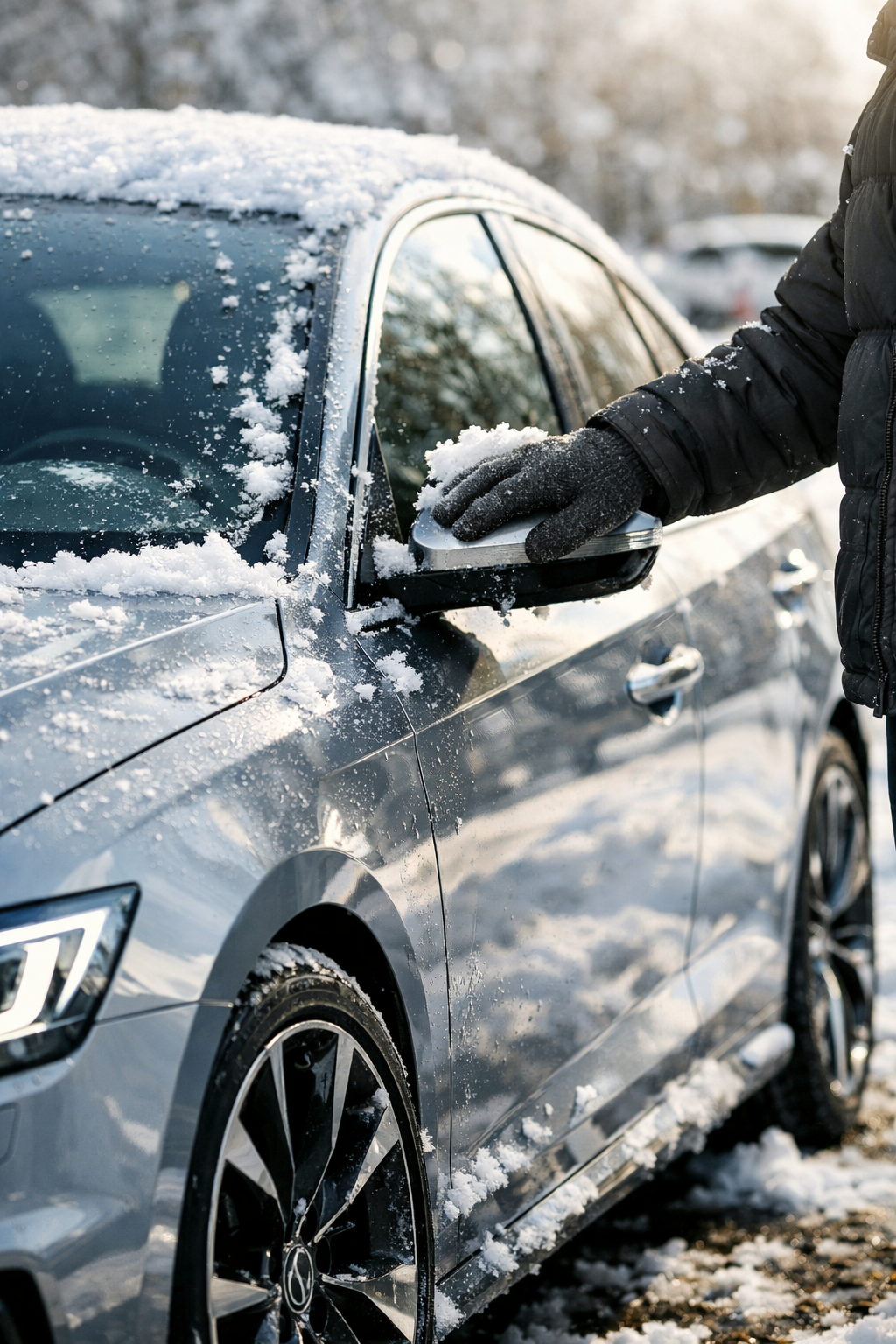

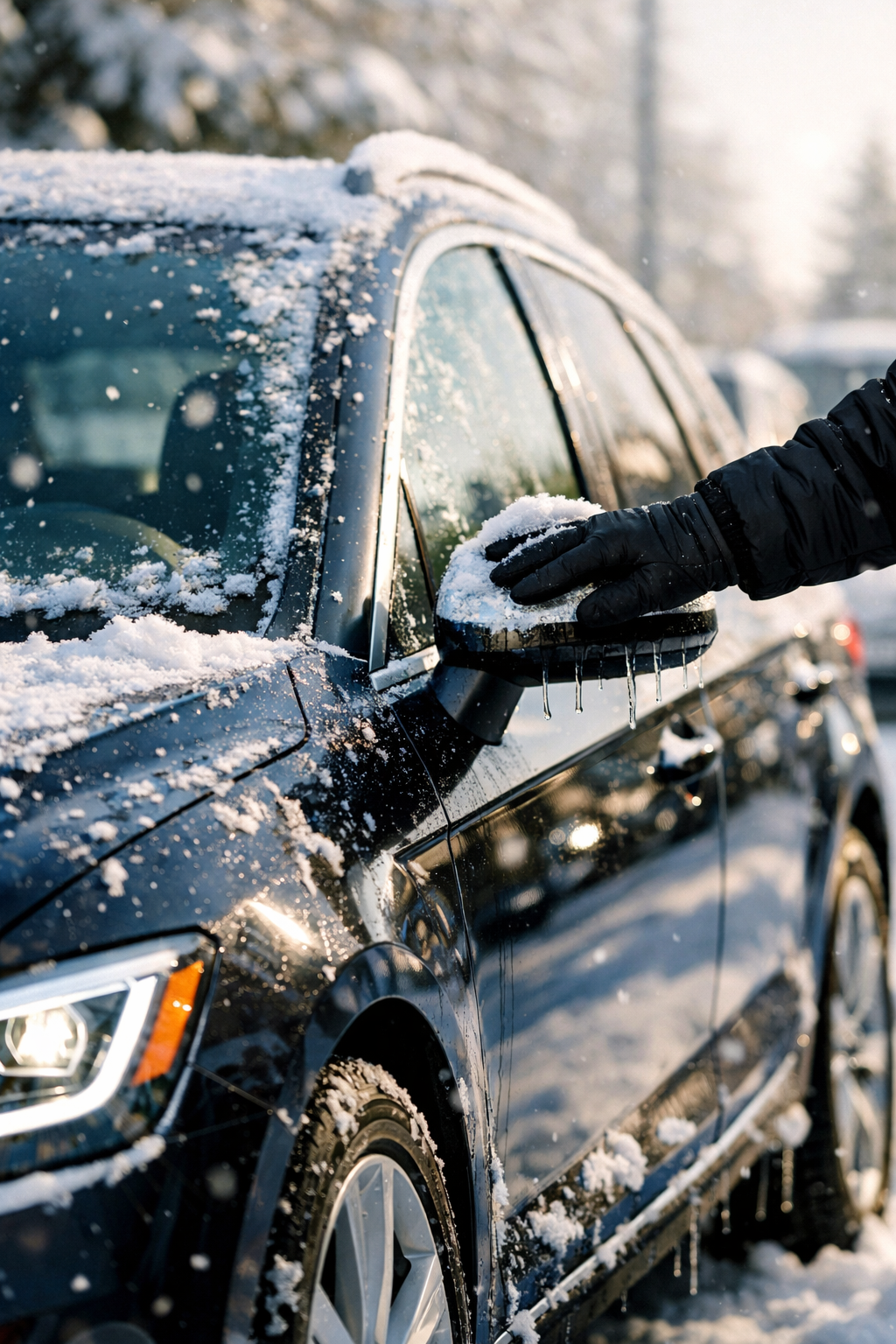
I once watched a man in a wool coat lift the frozen wipers on my Subaru Outback like he was defusing a bomb, and my first thought wasn’t gratitude—it was “mate, get your mitts off my car.” That knee-jerk reaction is exactly why automotive ethics gets weird the moment snow hits the ground. Winter turns otherwise polite humans into vigilantes armed with ice scrapers and unsolicited good intentions. The question isn’t whether lifting someone else’s wipers helps—it’s whether you’ve crossed an ethical red line.
This matters right now because winter parking lots are battlefields of frozen rubber and fragile aluminum. I’ve driven everything from a $28,000 Toyota Corolla to a $75,000 Ford F-150 Platinum, and here’s the truth: nobody likes strangers touching their stuff. But when temperatures drop to 15°F and wipers freeze to glass harder than a Top Gear budget meeting, context suddenly matters.
So let’s settle this pub argument once and for all, with fewer corporate buzzwords and more common sense. We’re talking automotive ethics, winter car etiquette, and whether being “helpful” is actually just being annoying.
Why Automotive Ethics Get Slippery in Winter
In summer, touching someone else’s car is a social felony. In winter, it becomes a moral gray area the size of a Costco parking lot. Lifted wipers can save a $40 blade replacement, but they can also stress spring mechanisms designed for downforce, not interpretive dance.
Modern cars like the 2025 Honda CR-V or 2026 Tesla Model Y use lighter arms and integrated washer heaters, meaning your good deed can actually cause damage. Automotive ethics here hinge on unintended consequences, not intentions.
The Case FOR Lifting Someone Else’s Wipers
Let’s start with the pro-help camp, usually populated by Subaru owners and that one neighbor who owns three ice scrapers. Lifting wipers before a snowstorm can prevent rubber from freezing solid, which is genuinely useful when temps dip below 20°F.
If you’re in a communal lot and a blizzard’s coming, there’s an argument that you’re preventing wear and tear. Think of it like returning a shopping cart—small effort, collective good, minimal risk if done gently.
The Case AGAINST Touching What Isn’t Yours
Here’s the controversial hot take: touching someone else’s car without permission is still wrong, even if you mean well. I don’t care if it’s a $32,000 Mazda CX-5 or a $90,000 BMW X5—ownership boundaries matter.
Wiper arms can snap back onto the windshield if bumped by wind, cracking glass that costs $800 to replace on newer ADAS-equipped cars. That’s not hypothetical; I’ve seen it happen, and suddenly your “favor” turns into a small claims court episode.
Modern Cars Make This Trickier Than You Think
On older cars, lifting wipers was harmless. On newer 2025–2026 models, many wipers tuck under the hood line for aero and noise reduction, like on the Toyota RAV4 or Volkswagen Tiguan. Forcing them up can scrape paint or stress hinges.
Some cars even require “service mode” via infotainment menus, which means unless you’ve memorized Doug DeMuro’s quirks-and-features rundown, you’re guessing. Guessing plus someone else’s property equals bad automotive ethics.
What You SHOULD Do Instead
If you genuinely want to help, there are better options. Clear snow around the blades without lifting them, or leave a polite note suggesting wiper service mode—yes, that’s a thing now, welcome to the future.
Even better, focus on your own prep. Our guide on winter driving basics and the deep dive on snow tires vs all-seasons will do more for collective safety than random acts of wiper lifting.
The Social Contract of Winter Parking Lots
Here’s where automotive ethics land for me after 15 winters and more frozen fingers than I can count. If you know the owner personally, fine—help away. If you don’t, hands off.
We already accept strangers brushing snow off headlights for visibility, which is safety-critical. Wipers aren’t. And no, citing Bugatti’s frozen lake antics doesn’t justify it, even if ice stunts sell hypercars.
Pros and Cons of Touching Someone Else’s Car in Winter
Pros
- Can prevent wiper blades freezing to glass
- Potentially saves $30–$60 in blade replacements
- Well-intentioned community gesture
- Useful in extreme cold below 20°F
Cons
- Risk of damaging wiper mechanisms or paint
- Possible cracked windshields costing $500–$1,000
- Violates personal property boundaries
Verdict: Where Automotive Ethics Actually Land
The final word on automotive ethics is simple: intent doesn’t trump consent. In winter, help when safety is at stake, but respect ownership when it’s just convenience. Lift your own wipers, prep your own car, and if in doubt, keep your gloves off someone else’s pride and joy.
For official safety guidance during winter conditions, NHTSA’s recommendations are worth a look at NHTSA.gov. They talk traction, visibility, and preparedness—notice how they don’t mention touching strangers’ cars.
Frequently Asked Questions
Is it ethical to lift someone else’s wipers in winter?
Generally no, unless you know the owner. Automotive ethics prioritize consent, and modern wiper systems can be damaged if handled incorrectly.
Can lifting wipers damage modern cars?
Yes. Many 2025–2026 cars require a service mode, and forcing wipers can scratch paint or crack windshields costing $500 or more.
What’s a safer alternative to lifting wipers?
Clear snow around the blades, use proper winter washer fluid, or activate wiper service mode if it’s your own car.
Does extreme cold change the etiquette?
Below 20°F, frozen blades are common, but etiquette doesn’t change—help only with permission or when safety is directly involved.