
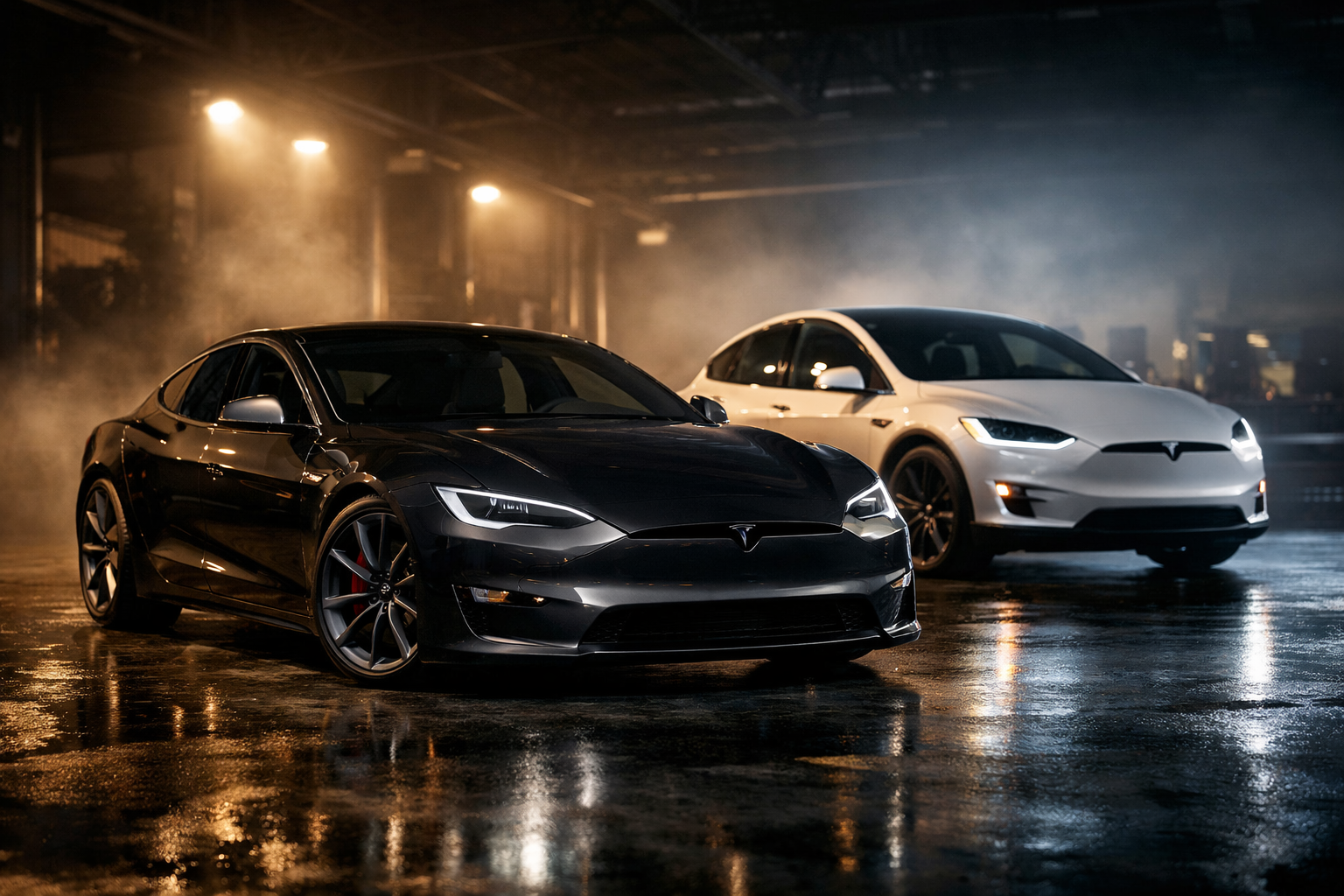
Tesla didn’t kill its flagship sedans quietly; it strangled them with a spreadsheet. The Tesla Model S discontinued rumor mill finally stopped spinning, and for buyers who still like a low roofline and a steering wheel that talks back, this matters right now. I’ve driven dozens of luxury EVs, and watching Tesla walk away from the car that embarrassed Ferraris at traffic lights feels like seeing YouTube’s original viral video get deleted.
This isn’t nostalgia goggles fogging up my glasses. The Model S and Model X were the proof-of-concept that made Mercedes, BMW, and Porsche wake up in a cold sweat, and now Tesla is effectively saying, “Nah, crossovers pay better.” If you’re shopping in 2026 and wondering whether to grab a remaining S/X, jump to something like a Lucid Air, or wait for the next Tesla “vision,” here’s what the endgame actually means.
Before we go further, yes, the Tesla Model S discontinued conversation isn’t just about two nameplates. It’s about Tesla’s future strategy, what kind of cars will exist for enthusiasts, and whether sedans are becoming the vinyl records of the auto world: loved by nerds, ignored by the masses.
Quick Specs
- Starting Price: approximately $75,000 (check manufacturer website for latest pricing)
- Engine: Dual/Triple Electric Motors
- Power: up to 1,020 hp (Plaid)
- 0-60 mph: as quick as 1.99 seconds
- Fuel Economy: up to ~400-mile range (EPA estimates vary)
Why the Tesla Model S Discontinued Decision Hits Hard
The Model S wasn’t just a car; it was Tesla’s middle finger to the establishment. Back in the day, it could out-drag a Porsche 911 Turbo while carrying a week’s groceries, and that still matters to people who enjoy engineering flexes. Killing it off tells us Tesla believes the era of “halo sedans” is over, replaced by volume sellers like the Model Y and whatever robotaxi-shaped thing is next.
Competitors like the Mercedes EQS, BMW i7, and Porsche Taycan are still betting on luxury sedans, which makes Tesla’s exit even louder. My controversial hot take: Tesla didn’t lose interest because sedans don’t sell; it lost interest because sedans require refinement, and that’s never been Elon’s favorite hobby.
What Happens to Model X Buyers?
The Model X ending is less shocking, mostly because it always felt like a Model S on stilts with Falcon Wing doors that YouTubers loved and owners tolerated. At around $80,000-plus when it was widely available, it sat awkwardly between practical SUVs like the BMW X7 and tech-forward EVs like the Rivian R1S. Once the novelty wore off, those doors were about as useful as a chocolate teapot in a parking garage.
If you’re a family buyer in 2026, Tesla’s message is clear: buy a Model Y or look elsewhere. That “elsewhere” increasingly includes Volvo, Mercedes, and even Kia, which is wild considering where Tesla started.
Tesla Future Strategy: Follow the Money, Not the Myth
This move fits perfectly with Tesla’s broader playbook. Mass-market crossovers, software margins, and autonomy promises sell better to investors than a niche sedan that enthusiasts love. As explored in how EVs outselling gas reshapes auto strategy, volume is king, and Tesla wants crowns, not cult classics.
The irony is painful. Tesla built its reputation on doing the hard stuff first, and now it’s letting others chase driving feel, interior quality, and luxury credibility. Lucid, in particular, must be grinning like a cat that found the cream.
Should You Buy a Remaining Model S in 2026?
If you can snag a 2025 or 2026 build, the Model S is still brutally fast, eerily quiet, and more practical than it has any right to be. The Plaid’s 1,020 hp is enough to rearrange your organs, and few cars this side of a Bugatti make 0-60 mph in under 2 seconds. For long-term ownership, though, resale and support are the big question marks.
I’d read our 2026 Tesla Model S farewell review carefully before signing anything. You’re buying into a discontinued icon, which is either future-classic cool or future-parts-bin panic.
How Rivals Smell Blood in the Water
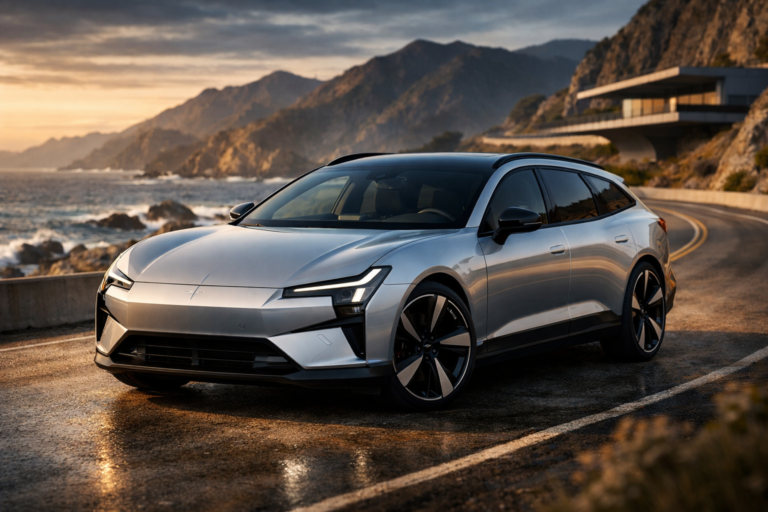
Mercedes is doubling down on the EQS, BMW is refining the i7, and Porsche continues to sell Taycans to people who actually enjoy steering feel. Lucid Air remains the nerd’s choice, with up to 1,200 hp and range figures that make Tesla’s claims look conservative. Even Audi’s upcoming EV sedans are circling like sharks.
This is where the Tesla Model S discontinued decision could age poorly. Tesla is voluntarily exiting a segment just as competitors finally figured out how to build compelling EV sedans.
Ownership, Support, and the Real-World Stuff
Warranty coverage and service access matter more once a car is out of production. Tesla’s nationwide service network helps, but discontinued models historically become second-class citizens over time. Checking safety data through NHTSA and efficiency info on FuelEconomy.gov is smart homework, not paranoia.
Also, don’t ignore Tesla’s own messaging on its official website. When configurators vanish, so does leverage.
The Bigger Picture for Car Enthusiasts
The Tesla Model S discontinued moment is another reminder that enthusiasts are no longer the primary customer. We’re the loud minority, shouting into the algorithm while crossovers quietly pay the bills. Sedans aren’t dead, but they’re becoming passion projects rather than profit centers.
And here’s the spicy take: Tesla abandoning sedans might actually save them. Freed from chasing luxury benchmarks, it can focus on software, charging infrastructure, and whatever autonomous future it believes in. Whether that’s good for drivers is another story.
Pros
- Still outrageous performance for the money
- Excellent range and Supercharger access
- Practical hatchback sedan layout
- Potential future-classic status
Cons
- Discontinued model uncertainty
- Interior quality lags newer rivals
- Sedan body style losing market support
The Tesla Model S discontinued era closes a chapter that changed cars forever. For buyers, it’s either your last chance to own a Silicon Valley legend or the cue to jump ship to the Germans and Californians who still believe sedans matter. Either way, pour one out for the car that proved electrons could be exciting.