

America’s Automotive Barricade: The 25% Tariff Earthquake
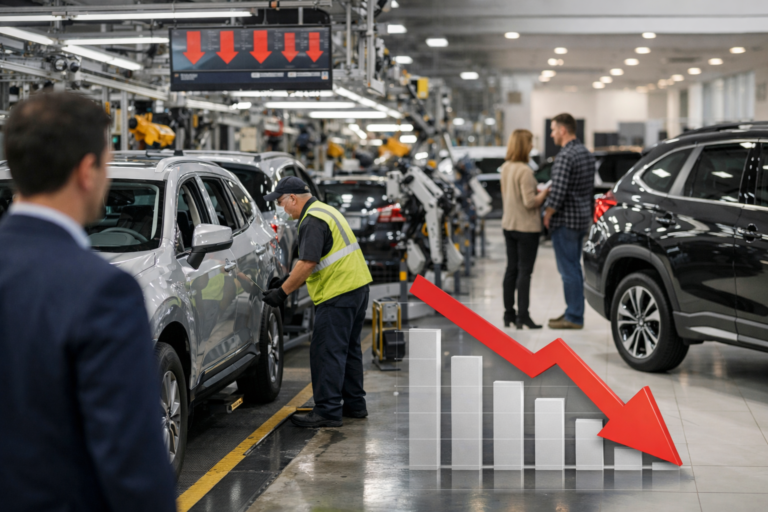
The United States slapped a 25% tariff on imported vehicles. Not 5%. Not 10%. Twenty-five flaming percent. It’s a financial Molotov cocktail lobbed squarely into the face of German precision, Japanese efficiency, and Korean value. While diplomats mumble and trade reps scurry around like caffeinated squirrels, there’s one company pouring champagne on its spreadsheets: Tesla.
This isn’t just a tariff. It’s a godsend wrapped in red, white, and blue.
Imagine you’re in the market for a sleek Bavarian cruiser or a cutting-edge Japanese hybrid. Now imagine that same car costs $10,000 more overnight. Suddenly, that local, quirky, all-electric sedan made in Fremont, California, doesn’t look so quirky anymore. It looks smart. Maybe even patriotic.
Take a look at the average import vehicle prices before and after the tariff:
Those aren’t just numbers. They’re warning shots. Germany, Japan, South Korea—they’re all getting caught in the crossfire. For U.S. consumers, the sticker shock is real, and it’s steering them straight into Tesla’s waiting arms.

Tesla: The Unintended Beneficiary? Hardly.
Let’s not pretend this is accidental. Tesla is the automotive equivalent of a Silicon Valley tech cult mixed with the showmanship of a Vegas magician. It thrives on disruption. And the U.S. government just handed it a disruption cannon.
While Mercedes-Benz is recalculating its U.S. pricing strategy and Toyota executives are weeping into their whiskey, Tesla is grinning like it’s Christmas morning.
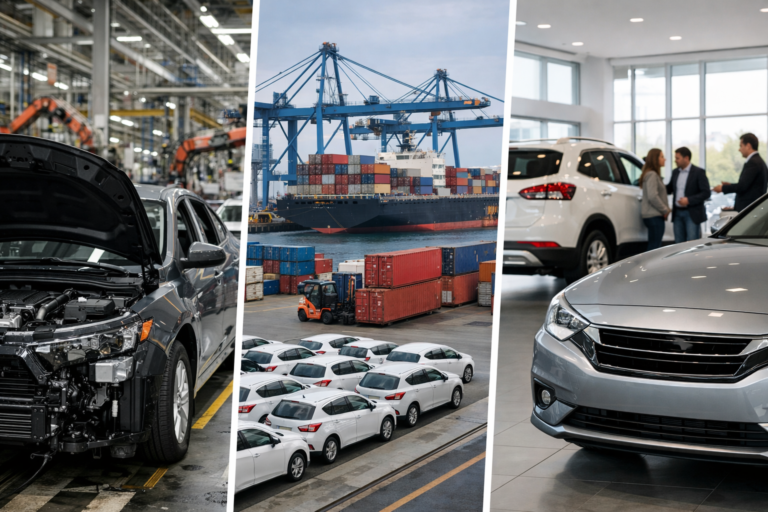
Here’s the kicker: Tesla doesn’t pay a dime in these tariffs. Every Model 3, Y, S, or X rolls out of an American gigafactory onto American roads, unscathed by international pricing warfare. Foreign competitors? They’re scrambling to reroute supply chains or open local plants—moves that take years, not quarters.
Nationalism on Four Wheels
The 25% tariff is a siren call to American pride. Buying American isn’t just about jobs and stars-and-stripes anymore. It’s about your wallet. That patriotic Tesla isn’t just cool; it’s financially practical. And in a country where dollar signs shout louder than policy papers, practicality wins.
This is a seismic cultural shift. The same folks who once swore by German engineering are now defending Tesla in the group chat. Not because they suddenly adore electric cars, but because paying more for the same performance just to own a foreign badge is idiotic.
But Wait—Is This Even Fair?
Fairness? Ha. That ship sank years ago.
If you’re a foreign automaker, this feels like a mugging in broad daylight. The rules of the game were rewritten mid-match, and now your team is down three goals with a broken leg. But that’s geopolitics for you. The U.S. isn’t playing nice. It’s playing to win.
Tesla didn’t build the tariff wall, but it’s driving victory laps around it.
Tesla’s Market Share: About to Get Ludicrous
Before the tariffs, Tesla was already slicing into the legacy pie like a hot knife through butter. With import prices ballooning, Tesla’s share of the U.S. market is set to explode. It’s not hyperbole; it’s math.
Tesla doesn’t just gain from lower relative pricing. It benefits from increased demand, government EV credits, and a solid charging network. Throw in the new tariffs, and the competition might as well be on crutches in a sprint.
Expect Tesla’s market share in the U.S. to rise from ~4.2% to double digits by the end of next year. Meanwhile, imports are likely to drop as much as 18%.
What It Means for Consumers
Consumers are torn. On one side, they’re getting shafted by higher prices on their beloved imports. On the other, there’s a shiny new EV in the driveway that cost less and came with autopilot.
This is what disruption looks like. It’s messy. It’s loud. And it’s not always fair. But it moves markets.
You’ll see more Teslas on the road not just because they’re better (debatable), but because they’re now cheaper. That’s a double punch few carmakers can match.
Conclusion: Tariffs, Tesla, and the New Automotive Order
The 25% tariff is no mere political gesture. It’s a game-changer that’s bending the rules and redrawing the battlefield. For Tesla, it’s an accelerator pedal slammed to the floor.
This move might infuriate globalists, delight nationalists, and confuse the hell out of traditionalists. But love it or loathe it, one thing is certain:
Tesla just won the automotive lottery—and your next car might be the proof.
If you would like to read more about tariffs check out this other article here.