
You know that “great deal” that somehow balloons by $3,000 once you’re in the finance office? Yeah — that’s not an accident. If you want to avoid car dealership scams, you’ve got to spot the red flags before you sign anything with a ballpoint chained to a desk.
I’ve had customers roll into my shop with a “certified” used car that had mismatched tires, hidden accident damage, and a payment that would choke a mule. This isn’t just about saving money — it’s about safety, legal protection, and not getting stuck with a car that drains your bank account for the next five years.
In this guide, I’ll show you the unlicensed dealer warning signs, how to handle car title checks, and what buying used cars safely really looks like in 2026. No fluff. Just the stuff that keeps you from getting burned.
What You’ll Need
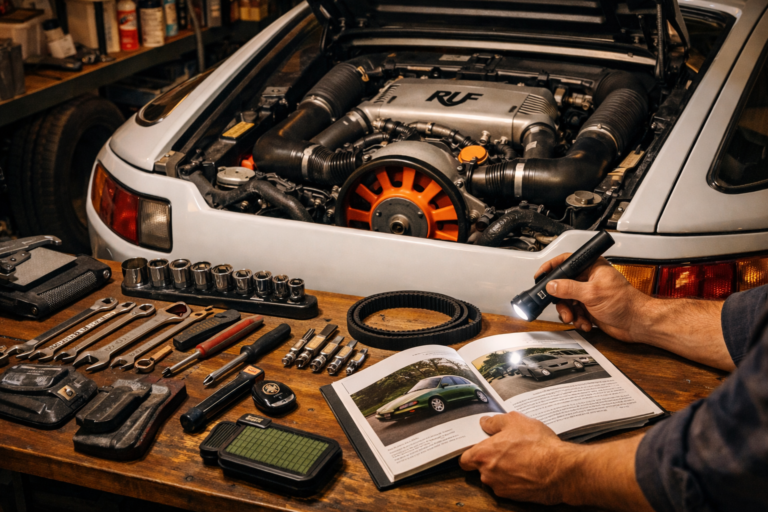
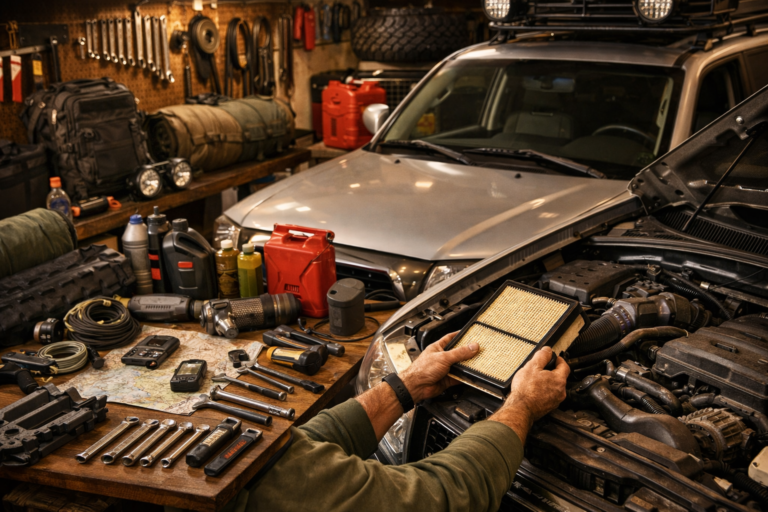
- Tools: Smartphone with flashlight, OBD2 scanner ($25 basic), notepad, calculator
- Parts/Materials: Vehicle history report ($25–$40), pre-purchase inspection ($120–$180)
- Time: 2–4 hours research + 1 hour inspection (worth every minute)
- Difficulty: 🔧🔧 (Mostly homework, not wrenching)
- Dealer Cost: Hidden markups $1,500–$4,000 vs DIY Research Cost: $150 — You Save: Potentially $3,000+
Why This Matters
I’ve seen shady paperwork turn into repossessions. I’ve seen rolled-back odometers lead to blown engines. And I’ve seen “clean title” cars that were underwater during a hurricane.
If you don’t know how to avoid car dealership scams, you can end up paying 20% more than market value — or worse, driving something unsafe. A bent frame or flood-damaged wiring isn’t always visible on a quick test drive.
This matters even more in 2026 with price swings from tariffs and emissions rule changes. If you haven’t read our Car Buying Tips 2026: Avoid Overpaying Smartly, check it out. Market volatility is when shady dealers thrive.
Before You Start
⚠️ WARNING: Never sign a contract the same day you first see the car if something feels off. Pressure tactics are a red flag.
Before stepping on the lot:
- Check recall history at NHTSA.gov
- Look up fair market value on at least two pricing sites
- Get insurance quotes — some models spike premiums
If the dealer refuses an independent inspection, walk away. I don’t care how shiny that 2024 Toyota Camry looks — no inspection, no deal.
Also watch for unlicensed dealer warning signs: no permanent business address, title not in dealership name, or someone wanting to meet in a parking lot. That’s called “curbstoning,” and it’s illegal in most states.
Step-by-Step Guide
-
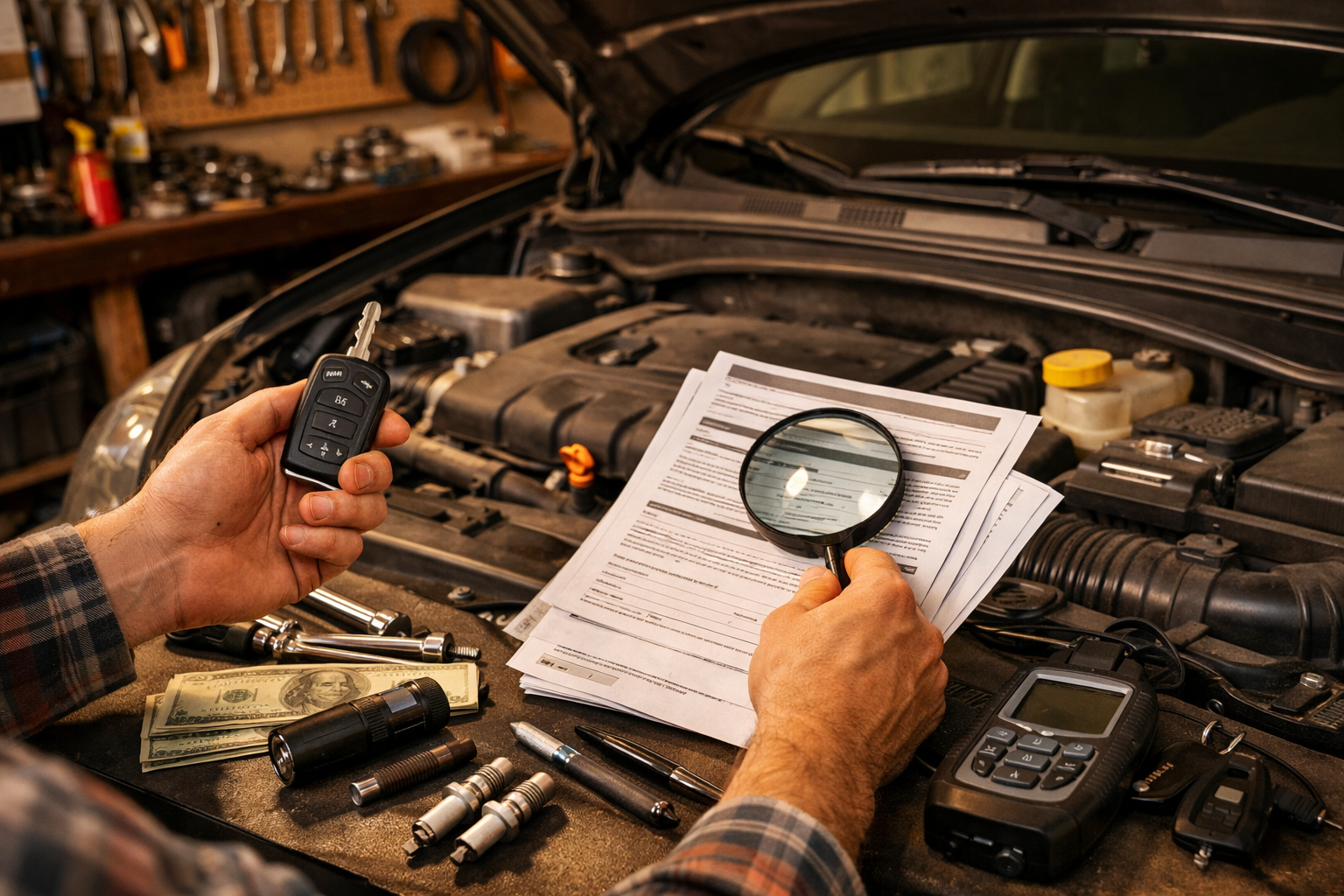
Research the VIN before you visit. Run a vehicle history report ($30 average). Look for title brands like salvage, rebuilt, flood, or lemon buyback.
Pro Tip: Cross-check the VIN on the dashboard, door jamb, and paperwork. If one digit is off, something’s fishy.
-
Verify the dealer’s license. Most states have an online lookup tool. No license? Walk.
This is one of the biggest ways to avoid car dealership scams — unlicensed sellers skip consumer protection laws.
-
Inspect the title carefully. The seller’s name must match their ID or dealership name. No “open titles.”
Open titles are how stolen or flipped cars get laundered.
-
Scan the car with a basic OBD2 scanner. Plug into the port under the dash. Even a $25 scanner will show stored codes.
If codes were recently cleared, monitors will show “not ready.” That’s a red flag.
-
Get a pre-purchase inspection. Expect to pay $120–$180 at an independent shop. Dealers charge $300+ for the same service.
In 20 years of wrenching, I’ve caught hidden frame rust, oil consumption issues, and transmission slip during these checks.
-
Scrutinize the finance paperwork. Watch for add-ons: paint protection ($899), VIN etching ($299), nitrogen tires ($199).
Nitrogen? Regular air is already 78% nitrogen. That’s a $0 fix at home.
Common Mistakes to Avoid
- Falling for “today only” pricing. I’ve seen that “expires tonight” deal last three weeks.
- Skipping car title checks. Salvage cars can be worth 30% less overnight.
- Trusting verbal promises. If it’s not in writing, it doesn’t exist.
- Ignoring recall history. Check NHTSA and manufacturer sites like Toyota’s recall page.
- Buying emotionally. That turbocharged 2026 sports sedan is cool — but does it fit your budget?
I’ve seen this in the shop a hundred times: buyer skips inspection, transmission fails two months later. $4,500 rebuild. Suddenly that “deal” isn’t so sweet.
When to Call a Professional
If you spot frame damage, electrical gremlins, or inconsistent service records — get a pro involved.
A fair pre-purchase inspection runs $120–$180. If a dealer says you can’t take the car off-site, ask why. If they stall, walk.
Ask the mechanic:
- Any signs of accident repair?
- Any fluid leaks?
- Are there pending codes?
If you’re buying something specialty — auction car, import, or rare model — read our Import JDM Car guide or Buying Cars at Auction piece. Different rules, bigger risks.
Recommended Products
- BlueDriver OBD2 Scanner ($99): What I use in my own garage. Reads manufacturer-specific codes.
- ANCEL AD310 Scanner ($25): Budget pick. Basic but reliable.
- Carfax or AutoCheck Report ($30–$40): Worth every penny.
- LED Flashlight ($15): Check under seats for flood rust and wiring corrosion.
Spending $150 on tools and reports can help you avoid car dealership scams that cost thousands.
Do This
- Verify license and title before negotiating
- Pay for an independent inspection
- Research fair market value
- Walk away if pressured
Don’t Do This
- Sign incomplete paperwork
- Accept verbal promises
- Skip recall checks
- Finance without comparing rates
Buying used cars safely isn’t about being paranoid — it’s about being prepared. You don’t need to be a master mechanic to avoid car dealership scams. You just need a flashlight, a scanner, and the willingness to walk away.
Got a deal you’re unsure about? Drop it in the comments and I’ll give you my straight-shop take. Stay sharp out there — and remember, a $20 repair manual saves a $2,000 repair bill.