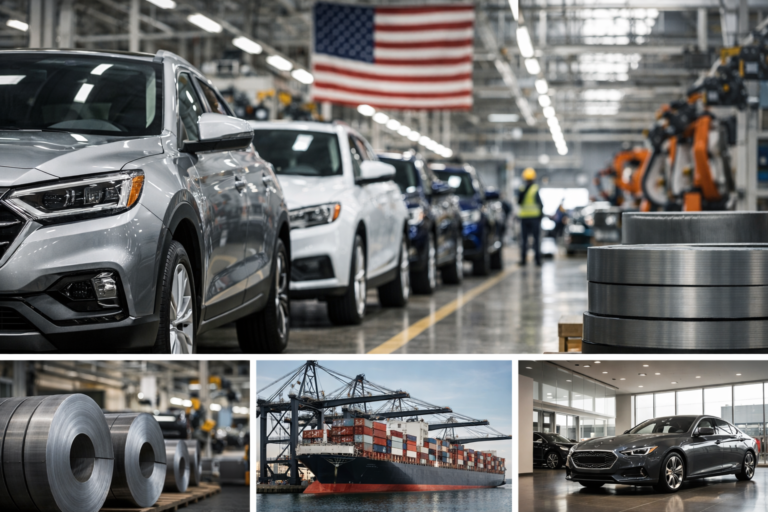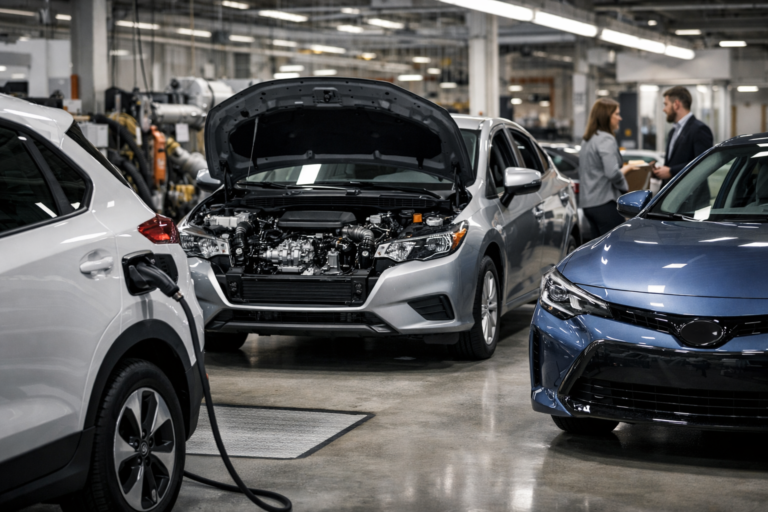

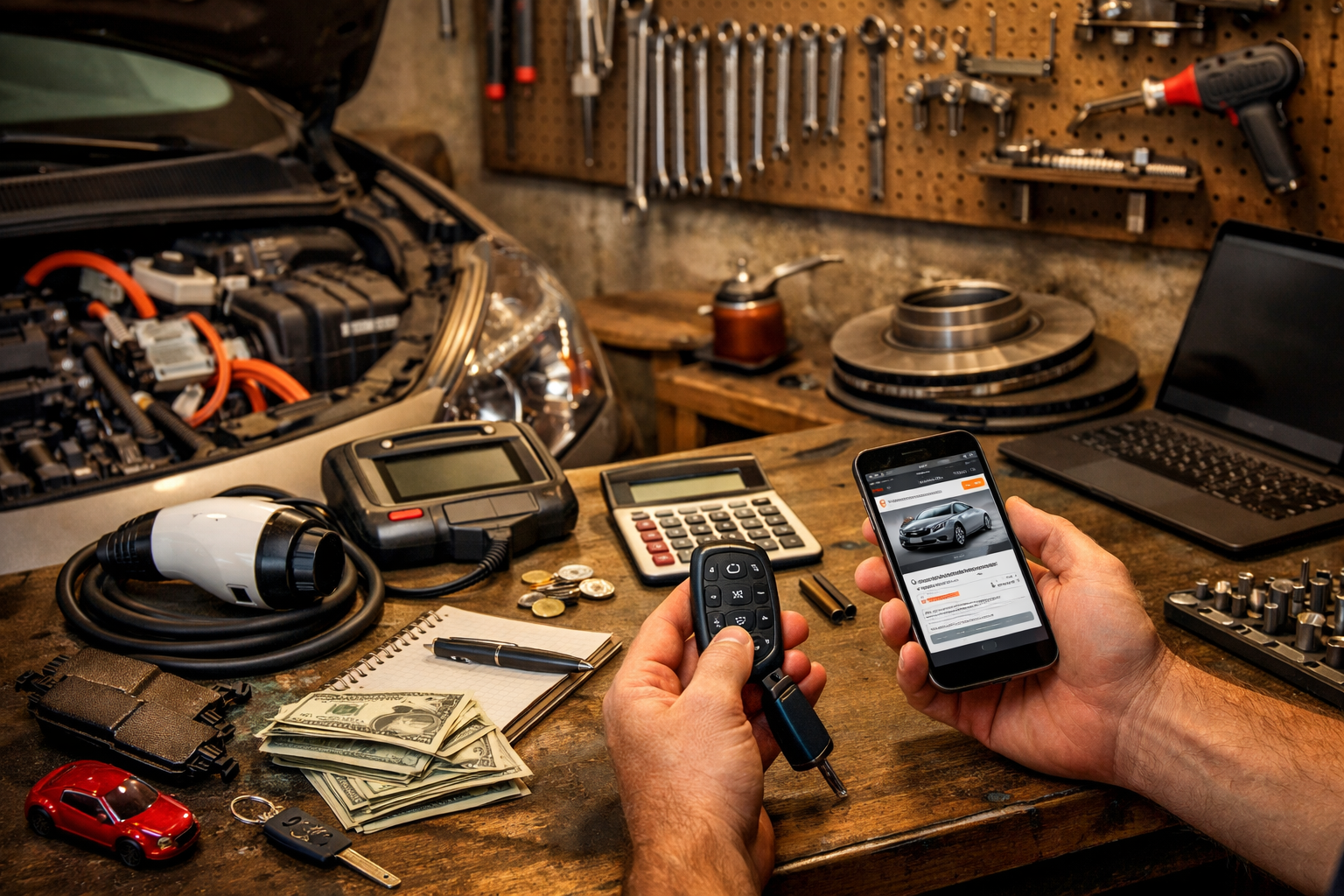
You walk into a dealership “just to look,” and somehow three hours later you’re signing papers for $4,000 more than you planned. I’ve watched friends fall into that trap more times than I’ve replaced Honda timing belts. These car buying tips 2026 are about keeping your wallet intact and your blood pressure low.
Car prices are still high in 2026, interest rates aren’t exactly friendly, and dealers have gotten creative with “market adjustments.” The good news? With a little strategy, you can avoid dealer markups, negotiate car price like a pro, and lock in smart auto financing advice that saves you thousands.
Today I’m walking you through exactly how I’d help my own brother buy a car this year — step by step, no nonsense, no getting ripped off.
What You’ll Need
- Tools: Smartphone, calculator app, notebook, OBD2 scanner ($25 Bluetooth type), flashlight
- Parts/Materials: Credit report (free), pre-approval letter from bank/credit union
- Time: 2–3 weeks research, 3–5 hours at dealership max
- Difficulty: 🔧🔧 (mostly patience)
- Dealer Cost: Overpaying $2,000–$5,000 vs DIY Smart Buying Cost: $0 — You Save: $2,000–$5,000+
Why This Matters
I’ve seen folks upside-down on loans by $8,000 before their first oil change. That’s how you get stuck driving something you don’t even like because you can’t afford to trade out.
In 2026, new vehicle average transaction prices are hovering around $47,000 in many regions. A 1% higher interest rate on that amount can cost you $1,200–$2,000 over the life of the loan. That’s real money — brake jobs, tires, or a family vacation.
These car buying tips 2026 matter because the market is shifting. With discussions around emissions rules and regulations — like what’s covered in EPA Emissions Repeal: What 2026 Buyers Need — resale values and powertrain choices could change faster than you think.
Bottom line? Buy smart now, or pay for it for the next six years.
Before You Start
⚠️ WARNING: Never shop for a car based only on monthly payment. That’s how dealers stretch you to 84 months and bury you in interest.
1. Check your credit at least two weeks before shopping. You’re entitled to a free report annually. Know your score.
2. Get pre-approved at a credit union. In 2026, many credit unions are offering 5.5%–6.5% on 60-month loans for qualified buyers. Dealers often start at 7.5%–9% and “work down.”
3. Research recalls at NHTSA.gov. I don’t care how pretty it is — open recalls matter.
4. Compare fuel economy at EPA Fuel Economy. A 5 MPG difference could mean $800+ per year depending on your commute.
If you’re considering hybrid or EV, read up on long-term battery costs. I’ve broken that down here: How Long Does Hybrid Battery Life Last? Tips & Costs. A battery replacement can run $2,000–$8,000 depending on model — know that before you sign.
When NOT to DIY the buying process? If you hate negotiation and freeze under pressure, bring a confident friend. Dealers are trained for this. You don’t have to go in alone.
Step-by-Step Guide
-
Set Your Total Budget — Not Monthly Payment
Decide your out-the-door max number. Taxes, title, doc fees included. If your cap is $32,000, that’s the line in the sand.
Pro Tip: Write the number down. When things get emotional, paper keeps you honest.
-
Research Real Market Value
Check at least three sources: dealer listings, Consumer Reports, and local classifieds. Some 2025 models still carry leftover inventory discounts of $1,500–$3,000.
If a 2026 Subaru Baja is hot and limited, like discussed in 2026 Subaru Baja Review: Compact Truck Maverick Rival, expect less wiggle room. Supply drives price — always has.
-
Email for Quotes — Don’t Walk In First
Email 3–5 dealerships asking for their best out-the-door price. Make them compete.
This alone can cut $1,000–$2,500 off the asking price because now they know you’re shopping.
-
Negotiate Vehicle Price First
Sit down and focus only on the purchase price. No trade. No financing. Just car price.
If they bring up monthly payment, redirect: “What’s the out-the-door total?” Repeat as needed.
-
Avoid Dealer Markups and Add-Ons
Paint protection: $995. Nitrogen tires: $299. VIN etching: $199. I’ve installed better products in my own garage for under $50.
Politely decline. If it’s already installed, tell them to remove it from the price. This is where you avoid dealer markups that quietly pad profit.
-
Review the Financing Line by Line
Compare dealer rate to your pre-approval. If they beat it, great. If not, use your bank.
Check for prepayment penalties. There shouldn’t be any.
-
Inspect Like a Mechanic
Even new cars can have transport damage. Bring that $25 OBD2 scanner for used vehicles. Check panel gaps, tire dates, and fluid levels.
I’ve seen brand-new cars low on coolant from the factory. It happens.
Common Mistakes to Avoid
- Shopping emotionally. I’ve seen this in the shop a hundred times — folks buy the flashy trim and can’t afford maintenance.
- Rolling negative equity. That $5,000 from your old loan doesn’t disappear. It grows with interest.
- Skipping the pre-purchase inspection on used cars. $150 inspection can prevent a $4,000 transmission surprise.
- Ignoring insurance quotes. Some turbo models cost $600–$1,200 more per year to insure.
- Falling for extended warranties without reading details. Many exclude wear items and common failures.
When to Call a Professional
If you’re buying a high-end used German car, hybrid, or anything modified, pay an independent ASE-certified shop for an inspection. You can verify credentials at ASE.com.
Fair price for a thorough pre-purchase inspection in 2026? $120–$200. If a seller refuses inspection, walk away.
If financing terms confuse you, ask:
- What is the APR?
- What is the total of payments over the loan term?
- Are there add-ons included in this amount?
Red flags at the dealership: pressure to sign “today only,” refusal to provide written out-the-door pricing, or changing numbers in the finance office.
Recommended Products
- BlueDriver Bluetooth OBD2 Scanner ($99) – What I use in my own garage for used car checks.
- Anker Roav Jump Starter ($89) – Good to keep in any vehicle, especially if buying used.
- Michelin Defender2 Tires (varies, ~$800 set) – If negotiating tires into the deal, ask for quality brands.
- WeatherTech Floor Liners ($120–$220) – Skip dealer-branded mats at $399.
Spending smart on essentials beats financing overpriced accessories at 8% interest all day long.
Do This
- Get pre-approved before stepping on the lot
- Negotiate total price, not monthly payment
- Email multiple dealers for competition
- Pay for a pre-purchase inspection on used cars
Don’t Do This
- Accept market adjustments without questioning
- Roll old debt into new loans
- Buy add-ons you didn’t request
- Let emotions override your budget
Buying a car in 2026 doesn’t require a finance degree — just patience and a plan. These car buying tips 2026 work because they shift control back to you.
You can absolutely negotiate car price confidently and use smart auto financing advice to avoid dealer markups. I’ve watched regular folks save enough to cover a year of gas just by emailing three dealerships instead of walking into one.
Got questions about a specific model or deal you’re considering? Drop it in the comments. I’ll give it to you straight.
Stay sharp, stay patient, and remember — a $20 repair manual saves a $2,000 repair bill.