
The auctioneer’s hammer drops, the crowd claps, and your heart’s pounding like you just redlined a small-block Chevy. That’s the moment everyone dreams about when they start researching how to buy a car at auction. But I’ve also seen the other side — guys who got caught up in the adrenaline and paid $15,000 too much for a car with hidden rust and a shaky title.
Whether you’re heading to Florida for the big-money cars and hunting for Amelia Island auction tips, or you’re scrolling late at night building your Bring a Trailer bidding strategy, the rules are the same: do your homework or pay for it later. Auctions can be the best place to score your dream car — or the fastest way to light your savings on fire.
In this classic car auction guide, I’ll walk you through how to research, inspect, bid, and protect yourself — so you win the right car at the right price.
What You’ll Need
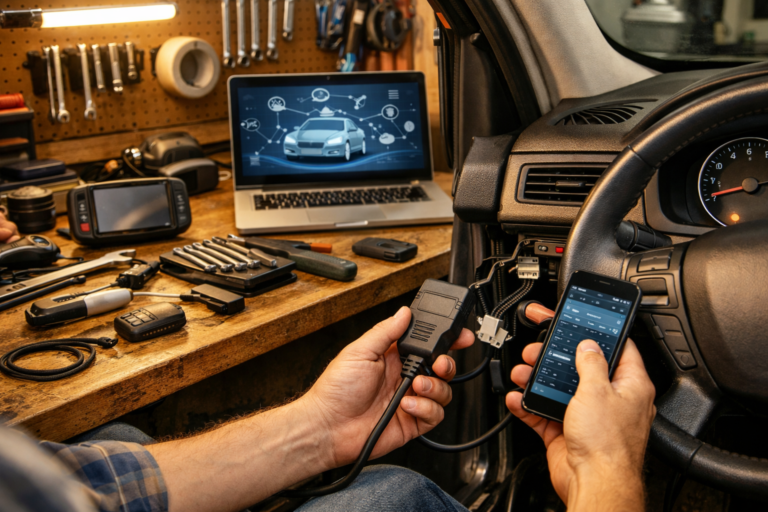
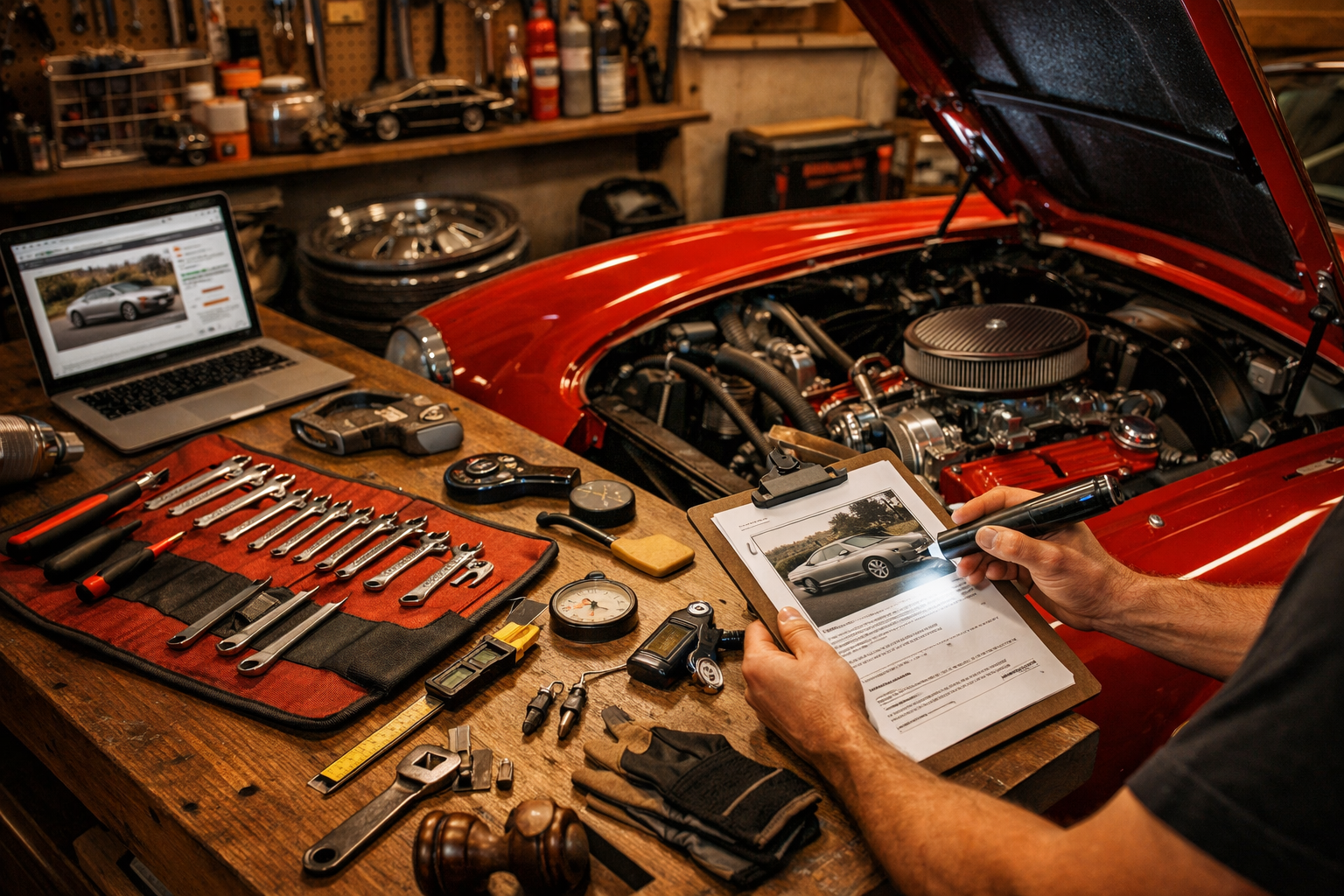
- Tools: Flashlight, small magnet (for checking body filler), OBD2 scanner (for modern classics 1996+), tire tread gauge, notepad/phone
- Parts/Materials: Vehicle history report ($25–$40), refundable bidder registration ($100–$500 typical)
- Time: 3–10 hours of research per car; 30–60 minutes in-person inspection
- Difficulty: 🔧🔧🔧 (3/5 — more brain work than wrench work)
- Dealer Cost: Broker fee $1,000–$5,000 vs DIY Cost: $0–$100 — You Save: $900+
Why This Matters
Auctions are fast. You might have 90 seconds to make a $75,000 decision. If you don’t understand how to buy a car at auction, you’re gambling — not buying.
I’ve seen “frame-off restored” classics hiding rust bubbles under fresh paint. I’ve seen low-mileage sports cars with salvage titles that killed resale value by 30%. Skip the homework and you could be staring at a $20,000 engine rebuild because someone over-revved it on a cold start.
At events like Amelia Island, cars routinely hammer for 10–20% above guide value when two bidders get emotional. Online platforms like Bring a Trailer are calmer — but buyers still overpay when they ignore inspection reports or service gaps. Do this right, and you can buy below market and protect your investment.
Before You Start
⚠️ WARNING: Never bid on a car without understanding buyer’s premium. Most major auctions add 5%–12% on top of your winning bid. A $100,000 hammer price can mean a $110,000 check.
Check for open recalls at NHTSA.gov before you even consider bidding. I don’t care if it’s a 2025 Porsche or a 1999 Mustang Cobra — safety recalls matter.
If you’re buying anything 1996 or newer, bring an OBD2 scanner. Even a $40 unit can reveal hidden trouble codes. And if you’re eyeing something rare, confirm maintenance schedules on the manufacturer’s official site or via Consumer Reports.
When not to DIY? If the car has a branded title, missing VIN plates, heavy undercarriage corrosion, or “no reserve, no inspection allowed” language — walk away. There will always be another car.
Step-by-Step Guide
-
Research Market Value
Check recent sale results for the exact year, trim, and condition. A 1967 Corvette 427/435hp is not the same money as a base 327. Compare Amelia Island results and Bring a Trailer closed listings. Know your ceiling before you register. -
Decode the Listing
Read every word. Look for phrases like “older restoration” (usually 10+ years old) or “believed to be original miles” (translation: no proof). On Bring a Trailer, read the comments — the community often spots issues fast. -
Inspect Like a Mechanic
Bring that flashlight and magnet. Check lower fenders, rocker panels, and trunk floors. If the magnet doesn’t stick, there’s likely filler. Look for fluid leaks under the engine and transmission. Smell the oil — burnt smell can mean neglect.
Pro Tip: Check panel gaps. Uneven spacing can indicate accident repairs. -
Verify Documentation
Ask for service records. No records on a high-performance car? Budget $3,000–$8,000 for deferred maintenance. Confirm VIN matches title and body tags. -
Set Your Max Bid — and Stick to It
Write your absolute max number on your phone. Include buyer’s premium and transport costs ($1–$2 per mile enclosed shipping). When bidding starts, don’t chase. Auctions are emotional — your wallet shouldn’t be. -
Understand Fees
Registration, buyer’s premium, credit card surcharges — it adds up. A $50,000 car can easily become $56,000 out the door.
Amelia Island Auction Tips and Bring a Trailer Bidding Strategy
Here’s where the environments differ. Amelia Island is theater — lights, cameras, champagne energy. Cars often bring top-dollar because the crowd is wealthy and competitive. If you’re hunting investment-grade Ferraris, it’s prime time — especially with market shifts like the Ferrari Luce EV strategy influencing collector trends.
Bring a Trailer is more analytical. Your Bring a Trailer bidding strategy should focus on timing. Many bidders wait until the final two minutes. The site extends bidding if someone jumps in late, so don’t panic-bid early. Let the market show its hand.
Also, factor in broader market conditions. Trade policies and pricing swings — covered in our Auto Tariffs Buying Guide: Save on Car Prices 2026 — can impact collector values more than you think.
Common Mistakes to Avoid
- Bidding without inspection. I’ve seen shiny paint hide $12,000 in rust repair.
- Ignoring buyer’s premium. That extra 10% stings after the adrenaline fades.
- Assuming “restored” means perfect. I’ve corrected more bad restorations than original cars.
- Forgetting insurance costs. Specialty insurance can run $800–$2,000 per year.
- No exit plan. If the market dips, can you hold the car five years?
When to Call a Professional
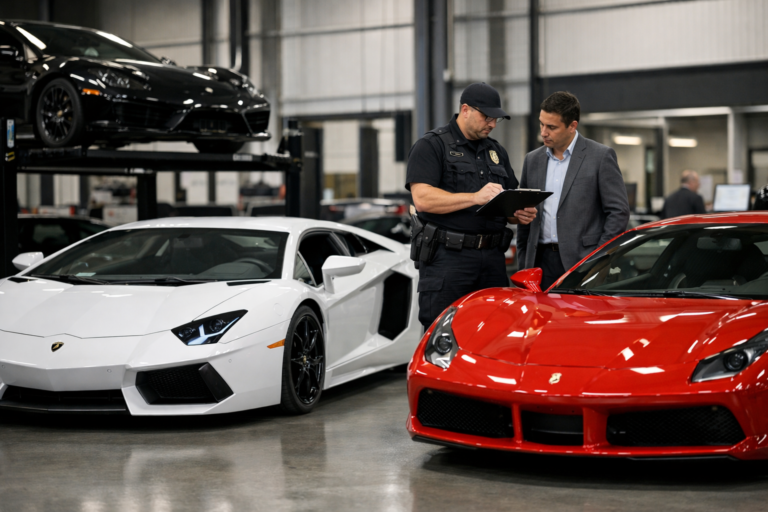
If you’re chasing a six-figure car, hire a pre-purchase inspector. Expect $300–$800 for a thorough evaluation — cheap insurance compared to a blown engine.
A good inspector should provide compression numbers, paint thickness readings, and undercarriage photos. Ask: “Are there signs of structural rust?” and “Do you see evidence of prior collision repair?”
Red flags? Auction houses that discourage inspections, sellers unwilling to share VINs, or mechanics who won’t put findings in writing.
Recommended Products
- Innova 5210 OBD2 Scanner ($80): Reliable for modern classics.
- TEKTON Digital Tire Gauge ($15): Quick tire health check.
- Flexible LED Flashlight ($25): Gets into frame rails and under dashes.
- Carfax or AutoCheck Report ($25–$40): Worth every penny.
Do This
- Research 3–5 comparable sales
- Inspect in person or hire someone
- Budget 10–15% above hammer for fees
- Stick to your max bid
Don’t Do This
- Bid emotionally
- Trust shiny paint alone
- Ignore missing service history
- Assume rare equals valuable
Learning how to buy a car at auction isn’t about luck — it’s about preparation. Do your homework, inspect like a skeptic, and bid like a banker, not a gambler. You can absolutely land your dream car without overpaying.
Got your eye on something special? Drop it in the comments and I’ll tell you what I’d look for before bidding. Stay sharp out there — and remember, a $100 inspection can save a $10,000 mistake.
Stay safe under there, and remember — a $20 repair manual saves a $2,000 repair bill.