
Road salt doesn’t care if you drive a $120,000 Porsche Cayenne Turbo Electric or a $24,000 Corolla—it will chew through both with the enthusiasm of a Labrador in a steakhouse. I’ve seen pristine fenders bubble like cheap paint after just three winters. And the worst part? Most of that damage is completely preventable.
If you live anywhere that sees snow, winter car care isn’t optional—it’s survival. Cities dump millions of tons of sodium chloride and calcium chloride on roads every year, and that cocktail sticks to your underbody like peanut butter. Ignore it, and you’re essentially marinating your car in corrosion.
You might obsess over 0–60 times—3.4 seconds in a BMW M3, 4.8 in a Toyota GR Corolla, 5.5 in a Ford Mustang EcoBoost—but none of that matters if your brake lines rot out by year five. Let’s talk about proper road salt protection and rust prevention before your pride and joy dissolves into flaky brown regret.
Why Road Salt Is So Brutal on Modern Cars
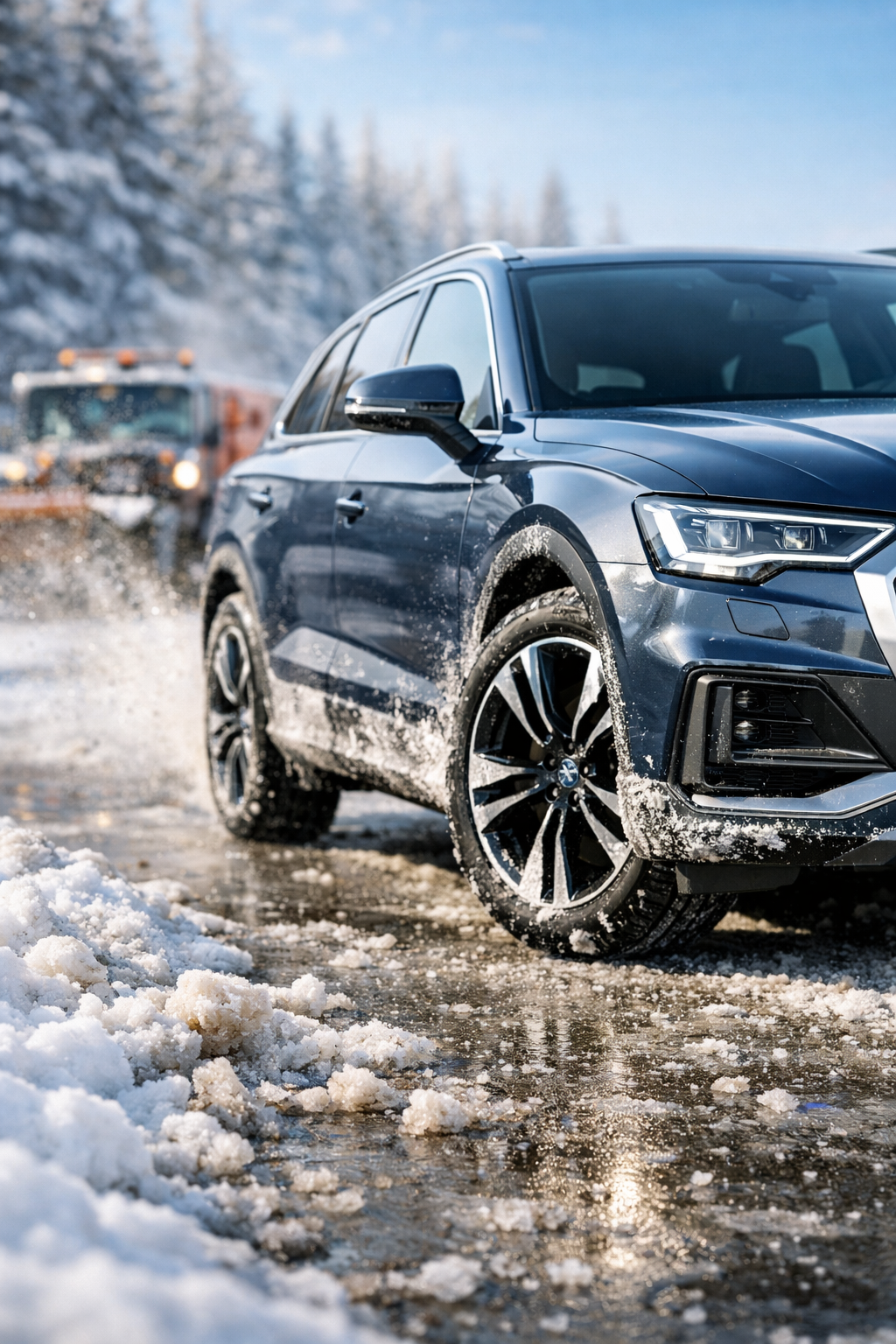
Salt lowers the freezing point of water. Brilliant for icy roads. Catastrophic for metal. When salt mixes with moisture and oxygen, it accelerates oxidation—rust—like a gym bro on pre-workout.
Modern cars, even 2025 and 2026 models, use high-strength steel, aluminum, and complex subframes. While many components are galvanized or coated, they’re not invincible. Brake lines, suspension arms, exhaust systems, and electrical connectors are particularly vulnerable.
And no, your $65,000 Audi Q5 or $48,000 Toyota Highlander doesn’t get a magical anti-salt shield from the factory. Check any forum in the Rust Belt—Subaru Outbacks, Ford F-150s, Honda CR-Vs—they all show corrosion horror stories after a few harsh winters.
The Foundation of Winter Car Care: Wash More Than Your Ego
If you do only one thing for winter car care, make it this: wash the underbody regularly. Not just a quick spray at the gas station—an actual undercarriage rinse.
During peak salt season, I recommend a wash every 10 to 14 days. Yes, even if it’s 25°F outside. Many modern car washes offer underbody jets specifically designed for road salt protection, and unlimited monthly plans typically run $25 to $40—less than a single rust repair.
Focus on wheel wells, suspension components, and rocker panels. Salt collects in these areas like crumbs in a keyboard. Leave it there, and it’ll quietly eat away while you’re binge-watching car reviews on YouTube.
Invest in Proper Rust Protection (It’s Cheaper Than a New Subframe)
Factory coatings are decent, but if you’re keeping your car beyond a three-year lease, aftermarket rust prevention is smart money. Oil-based undercoating treatments—like Fluid Film or Krown—typically cost $150 to $300 annually.
Unlike rubberized sprays that can trap moisture if applied poorly (a controversial take: some dealer “lifetime” coatings are borderline snake oil), oil-based treatments creep into seams and displace water. That’s proper road salt protection, not just glossy marketing.
If you drive something body-on-frame—think Ford Ranger, Chevrolet Colorado, Toyota Tacoma—this matters even more. As we’ve seen in the Ford Ranger vs Colorado: 2026 Truck Comparison, these trucks are built tough, but frames and crossmembers are prime rust territory.
Don’t Forget the Hidden Killers: Brakes, Lines, and Electronics
Salt doesn’t just attack panels. It corrodes brake rotors, calipers, and lines. Steel brake lines can rust from the outside in, eventually leading to failure—a terrifying prospect when you’re trying to stop 4,500 pounds of SUV.
After heavy storms, rinse your wheels thoroughly. If you hear grinding or feel pulsing, don’t ignore it. Replacing all four rotors and pads on a modern SUV can run $800 to $1,500. Replacing rusted brake lines? Potentially more, and far less fun.
Electrical gremlins are another gift from winter. Corroded ground points and connectors can trigger warning lights that make your dashboard look like a Christmas tree. Even high-tech EVs like the ones discussed in our Hybrid vs Electric: A Smart Buyer’s Guide aren’t immune—salt and electronics are sworn enemies.
Wax On, Salt Off: Paint and Sealant Strategy
A proper wax or paint sealant before winter acts like a sacrificial layer. Think of it as armor plating for your clear coat. A professional ceramic coating can cost $800 to $2,000, but even a $25 DIY sealant applied twice a year makes a difference.
Pay special attention to chips and scratches. Bare metal plus salt equals rust in weeks, not years. Touch-up paint from the manufacturer—check your brand’s official site like Toyota.com for color-matched options—costs far less than repainting a panel.
And please, clean door jambs and trunk seals. Salt hides there. Ignore it, and you’ll discover bubbling paint in spring like a nasty surprise under melting snow.
Floor Mats and Interior Protection: Yes, It Matters
Salt doesn’t stop at the rocker panels. It gets tracked inside, soaking carpets and attacking metal floor pans underneath. All-weather mats—$100 to $250 depending on brand—are worth every penny.
Dry your interior regularly. Moisture trapped under carpet padding is a silent rust incubator. I’ve seen older sedans with immaculate exteriors but floors you could poke through with a screwdriver.
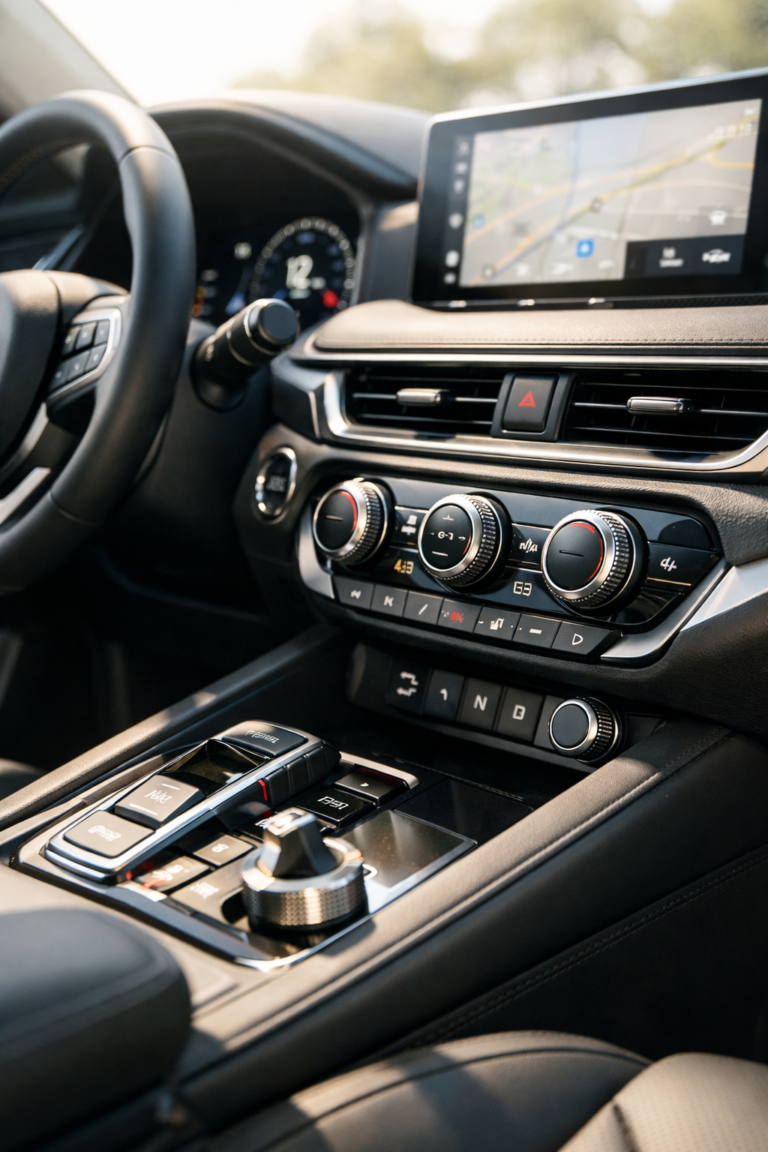
While you’re at it, keep physical controls clean and dry. Excess moisture can accelerate wear, especially in vehicles where everything is hidden behind screens. We’ve already ranted about why touchscreens went too far in cars—winter grime makes them even more annoying.
Smart Parking and Storage Tactics
Heated garages sound like a luxury, but they can accelerate corrosion if your car stays wet. Warmth plus salt plus moisture equals a chemistry experiment gone wrong.
If you garage your car, rinse it first. Let it dry before sealing it in overnight. For long-term storage, consider a dehumidifier to keep humidity below 50 percent.
And here’s a hot take: daily-driving your $90,000 sports car through salted slush without protection is financial malpractice. If you love open-top thrills, read our piece on why open-top sports cars still matter—then protect them properly.
Common Winter Car Care Mistakes
First mistake: waiting until spring to wash. By then, corrosion has already started. Rust prevention is proactive, not reactive.
Second: assuming “it’s aluminum, so it won’t rust.” Aluminum corrodes too—it just oxidizes differently. Ask any owner of a 2015–2025 Ford F-150 with bubbling panels.
Third: ignoring recalls or technical service bulletins related to corrosion. Check your VIN at NHTSA.gov annually. It takes five minutes and could save you thousands.
Pros
- Extends vehicle lifespan by years
- Preserves resale value significantly
- Reduces risk of brake and line failure
- Relatively low annual cost ($200–$500 typical)
Cons
- Requires consistent effort every winter
- Professional treatments add recurring costs
- Improper undercoating can trap moisture
Winter car care isn’t glamorous. It won’t make your SUV faster or your sports car louder. But it will keep your chassis solid, your brake lines intact, and your resale value out of the gutter. Treat road salt protection like you treat oil changes—non-negotiable—and your car will thank you long after the snow melts.
Frequently Asked Questions
How often should I wash my car for winter car care?
Every 10 to 14 days during heavy salt use is ideal. Focus on underbody rinses and wheel wells. More frequent washes are recommended after major snowstorms.
Is undercoating worth it for road salt protection?
Yes, especially in snowy climates. Oil-based treatments costing $150–$300 per year offer effective rust prevention by displacing moisture and protecting seams.
Can road salt damage brake lines?
Absolutely. Salt accelerates corrosion on steel brake lines and fittings, potentially leading to leaks or failure. Regular inspections and rinsing reduce the risk.
Does a garage prevent rust in winter?
Not always. A warm, damp garage can speed up corrosion if the car is salty and wet. Rinse the vehicle first and maintain humidity below 50 percent.