
Sticker shock hit you harder than a bad wheel bearing hum, didn’t it? You walk into a dealership expecting $32,000 for a midsize SUV and suddenly it’s $36,500 — and the salesperson starts mumbling about “global supply chains” and “policy changes.” This auto tariffs buying guide is here to cut through that noise and show you what’s really driving car prices 2026.
Tariffs aren’t just political headlines — they’re line items on your window sticker. Whether you’re eyeing a 2026 Toyota RAV4, a Hyundai Tucson, or something imported from Europe or China, import car taxes can quietly add $1,000 to $7,500 to the price. That’s real money — timing belt-and-water-pump money.
In this guide, I’ll break down how tariffs affect new car pricing, which vehicles get hit hardest, and how to dodge overpaying. Think of this as solid buying a car advice from a guy who’s seen dealers mark up floor mats like they’re gold-plated.
What You’ll Need
- Tools: Smartphone, calculator app, access to manufacturer website, notebook
- Parts/Materials: None — but bring written price quotes
- Time: 2–4 hours research, 1–2 dealership visits
- Difficulty: 🔧🔧 (2/5 — more homework than horsepower)
- Dealer Cost: Overpay by $2,000–$5,000 vs DIY Research Cost: $0 — You Save: Potentially $3,000+
Why This Matters
Tariffs are basically taxes slapped on imported vehicles or foreign-built parts. In 2026, several trade rulings and policy shifts are directly influencing car prices 2026, especially on vehicles assembled outside the U.S. or with heavy overseas parts content. For deeper policy context, check out this breakdown of the 2026 tariff impact.
If you ignore this stuff, you could pay thousands more for the exact same vehicle just because it’s built in the wrong factory. I’ve seen buyers pay $4,000 extra on an imported luxury SUV when a nearly identical U.S.-built trim was sitting two rows over.
Tariff pressure also affects resale value and incentives. Some brands absorb costs, others pass them straight to you. It’s like when parts suppliers raise oil filter prices — somebody’s paying, and it’s usually not the dealership.
Before You Start
⚠️ WARNING: Don’t sign anything until you confirm the vehicle’s country of final assembly. It’s listed on the window sticker under “Parts Content Information.” That one line can explain thousands in price differences.
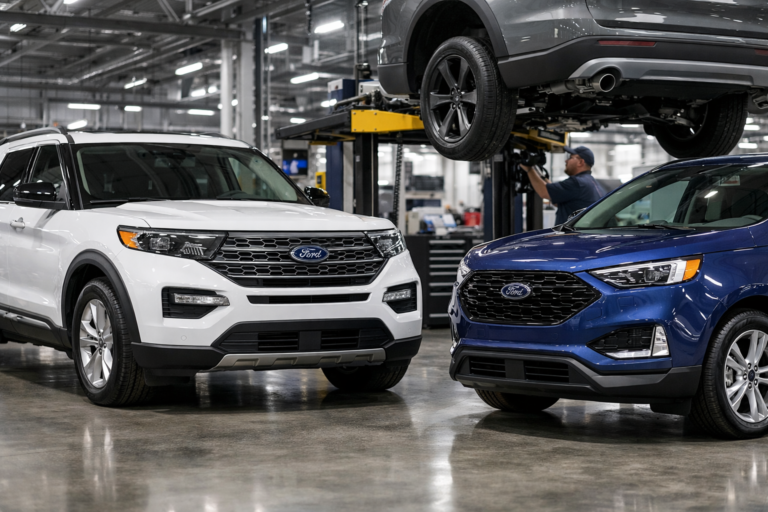
Know where your vehicle is built. A 2026 Honda CR-V built in Ohio may avoid certain import car taxes, while the same model assembled overseas may not. Same badge, different math.
Also check for recalls or safety campaigns at NHTSA.gov before committing. And verify fuel economy ratings at EPA.gov — tariffs sometimes push buyers toward hybrids or EVs to offset higher upfront costs.
If you’re considering a hybrid to dodge fuel costs, read up on Hybrid Car Reliability in 2026 so you understand long-term battery expenses. I’ve replaced enough hybrid packs to know that savings only count if you plan properly.
Step-by-Step Guide
- Check Final Assembly Location
Look at the Monroney sticker (window sticker). It lists final assembly point and parts sourcing. Vehicles built in Japan, Korea, Germany, or China are more likely to reflect tariff adjustments in 2026 pricing. - Compare U.S.-Built Alternatives
Cross-shop trims built domestically. For example, some Toyota, BMW, and Mercedes SUVs are assembled in the U.S. while their sedans are imported. Same brand — very different pricing impact. - Research Incentives by Region
Some manufacturers offset tariffs with rebates. Dealers won’t always volunteer this. Check the manufacturer’s official website for current offers. - Calculate Total Ownership Cost
Add purchase price, fuel, insurance, and maintenance. A $3,000 tariff bump might erase any “luxury badge” bragging rights over five years. - Negotiate Using Tariff Knowledge
Tell the dealer you understand how tariffs affect that model. I’ve watched a $1,500 “market adjustment” disappear once the buyer showed they weren’t guessing.
Pro Tip: If a salesperson blames “tariffs” for everything, ask for documentation. Real tariff increases are visible in MSRP changes — not mysterious add-ons.
Common Mistakes to Avoid
- Assuming all imports are overpriced. Some brands absorb tariff costs to stay competitive. I’ve seen Korean-built models undercut U.S. rivals even with added taxes.
- Ignoring parts sourcing. Even U.S.-assembled vehicles may contain high overseas parts content affecting pricing.
- Falling for dealer markups disguised as tariff fees. I’ve seen $2,995 “global adjustment” stickers that had nothing to do with government policy.
- Overlooking resale value. Vehicles heavily affected by tariffs sometimes fluctuate more in used markets.
- Rushing the deal. Tariff situations can change quarterly. Timing matters.
When to Call a Professional
If you’re importing directly — say a specialty model or something like in our Import JDM Land Cruiser guide — you’ll want a customs broker. Expect $500–$1,500 in broker fees, plus duties and shipping.
A fair documentation fee at a dealership ranges from $200–$600 depending on your state. Anything labeled “tariff surcharge” without paperwork? Red flag.
Ask the dealer:
- “Is this vehicle subject to current import duties?”
- “Is this MSRP manufacturer-set or dealer-adjusted?”
- “Are there U.S.-assembled trims available?”
If they dodge or get defensive, walk. There are 16,000+ dealerships in America. You’ve got options.
Recommended Products
- Consumer Reports Subscription ($39/year): Great for comparing pricing trends and reliability data.
- OBD2 Scanner (BlueDriver $119): If buying slightly used to avoid tariffs, scan for hidden issues.
- Vehicle History Report (Carfax ~$40): Essential for off-lease or imported vehicles.
- What I use: A simple spreadsheet. Boring? Yep. Saves thousands? Also yep.
Do This
- Compare U.S. vs imported assembly locations
- Research incentives before stepping on the lot
- Verify pricing against manufacturer MSRP
- Use tariff knowledge as negotiation leverage
Don’t Do This
- Assume every price hike is government-related
- Pay vague “global market” adjustment fees
- Ignore resale implications
- Rush into signing without comparing trims
Navigating tariffs isn’t glamorous — no grease under your fingernails — but this auto tariffs buying guide can save you more than most weekend wrench jobs ever will. A little research keeps you from funding someone else’s markup.
You’ve got this. Do your homework, compare assembly locations, and don’t let confusing policy talk scare you into overpaying. Drop your questions below — I read every one.
Stay sharp in the showroom, and remember — a $20 repair manual saves a $2,000 repair bill.