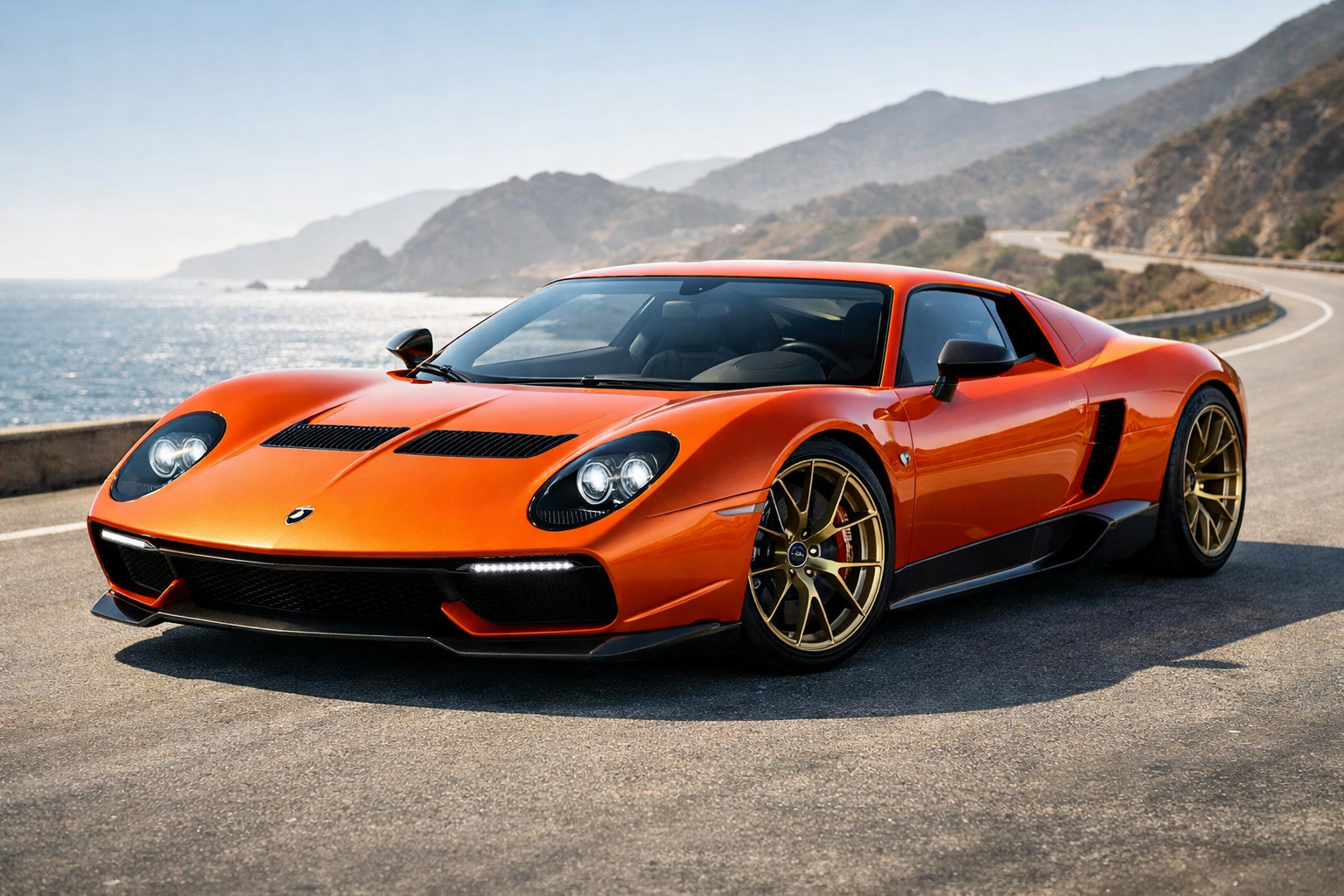

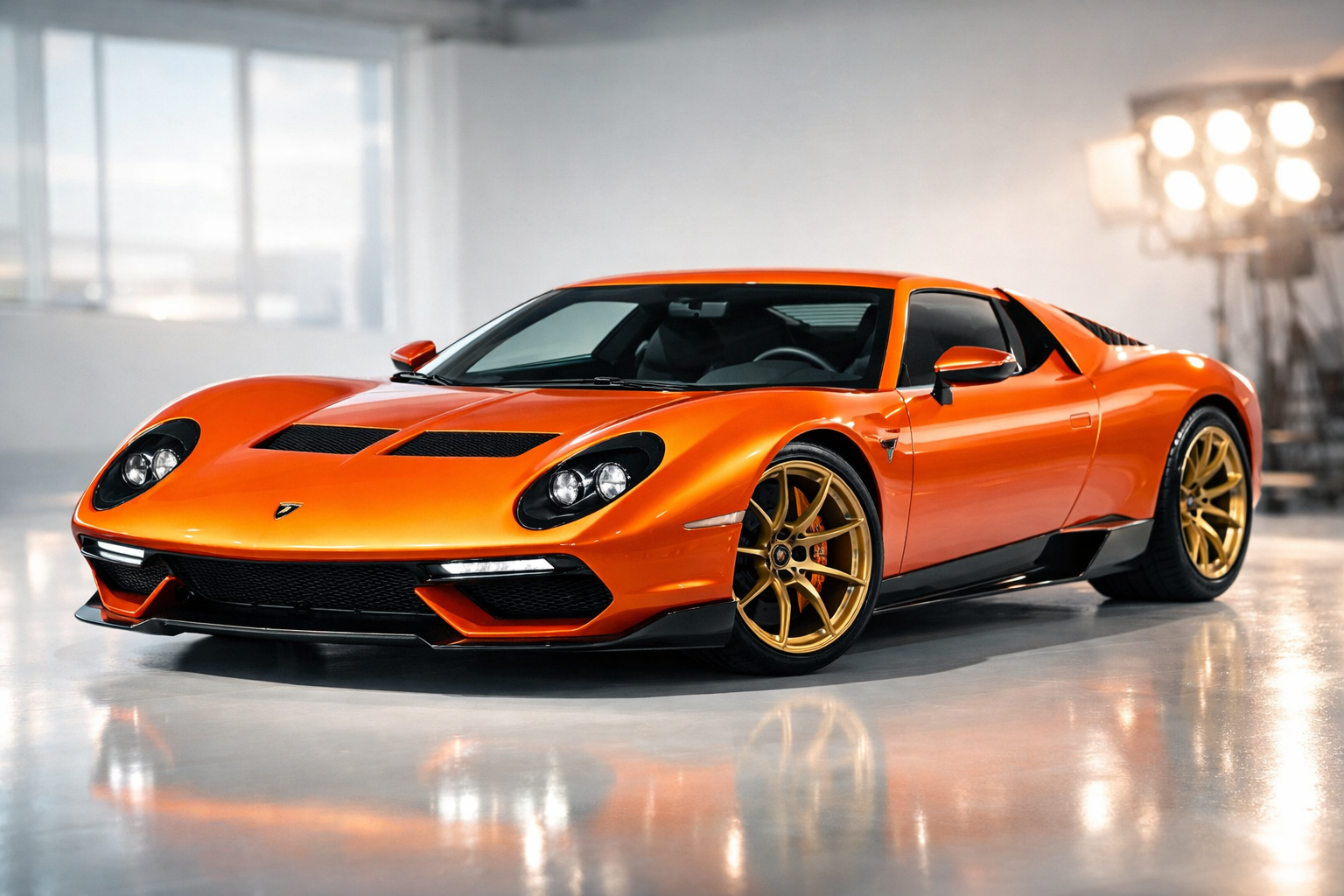
The Lamborghini Miura didn’t just change supercars; it basically invented the poster-on-the-wall fantasy. So here’s the heresy: a modern reboot could either be Lamborghini’s greatest mic-drop moment or the most expensive nostalgia cosplay since the Ford GT. The question isn’t whether a Lamborghini Miura concept would look good on Instagram—it’s whether it could survive today’s 1,000-hp arms race without losing its soul.
This matters right now because modern supercars have become engineering LinkedIn profiles: impressive, polished, and emotionally distant. I’ve driven dozens of 2025 and 2026 supercars that are faster than a caffeinated cheetah, yet leave me cold. A Lamborghini Miura concept forces us to ask whether car design and restraint still have a place in a market dominated by lap times and launch control bragging rights.
And yes, Lamborghini itself keeps teasing heritage without committing, while Ferrari pumps out limited-run nostalgia like the Daytona SP3 and Aston Martin builds the Valour for people who think manual gearboxes are a personality trait. If Sant’Agata ever green-lit a Lamborghini Miura concept, it wouldn’t just be another modern supercar—it’d be a philosophical grenade.
Quick Specs
- Starting Price: Approximately $450,000–$600,000 (check manufacturer website for latest pricing)
- Engine: Mid-mounted V10 or V12, likely electrified
- Power: 700–850 hp (estimated)
- 0-60 mph: Around 2.7–3.0 seconds
- Fuel Economy: TBD; likely low-20s mpg combined if hybridized
Why the Lamborghini Miura concept still scares modern supercars
The original Miura worked because it was reckless in an era that rewarded bravery. Transverse V12, mid-engine layout, and styling so good it made Ferrari look overdressed. Today’s modern supercars—McLaren 750S, Ferrari SF90, Porsche 911 GT3 RS—are clinically brilliant, but they all chase the same lap-time spreadsheet.
A Lamborghini Miura concept would have to reject that arms race. That’s the controversial hot take: if it needs 1,000 hp to feel relevant, it’s already failed. I’d rather have 750 hp, 3,300 pounds, and steering that talks more than a Top Gear reunion episode.
Design: beauty versus wind tunnels
Let’s be blunt—most modern supercars look like they were designed by a committee armed with CFD software and Monster Energy. The Miura was sensual, low, and dangerously pretty. Recreating that today means telling aerodynamicists to calm down and accepting fewer active aero party tricks.
This is where car design becomes the battleground. We’ve already seen how EV-era thinking reshapes brand identity in Electric Design Changes Reshaping Brand Identity, and a Miura reboot would have to resist looking like a slammed Revuelto. If it sprouts massive wings, we riot.
Interior & tech: less touchscreen, more theatre
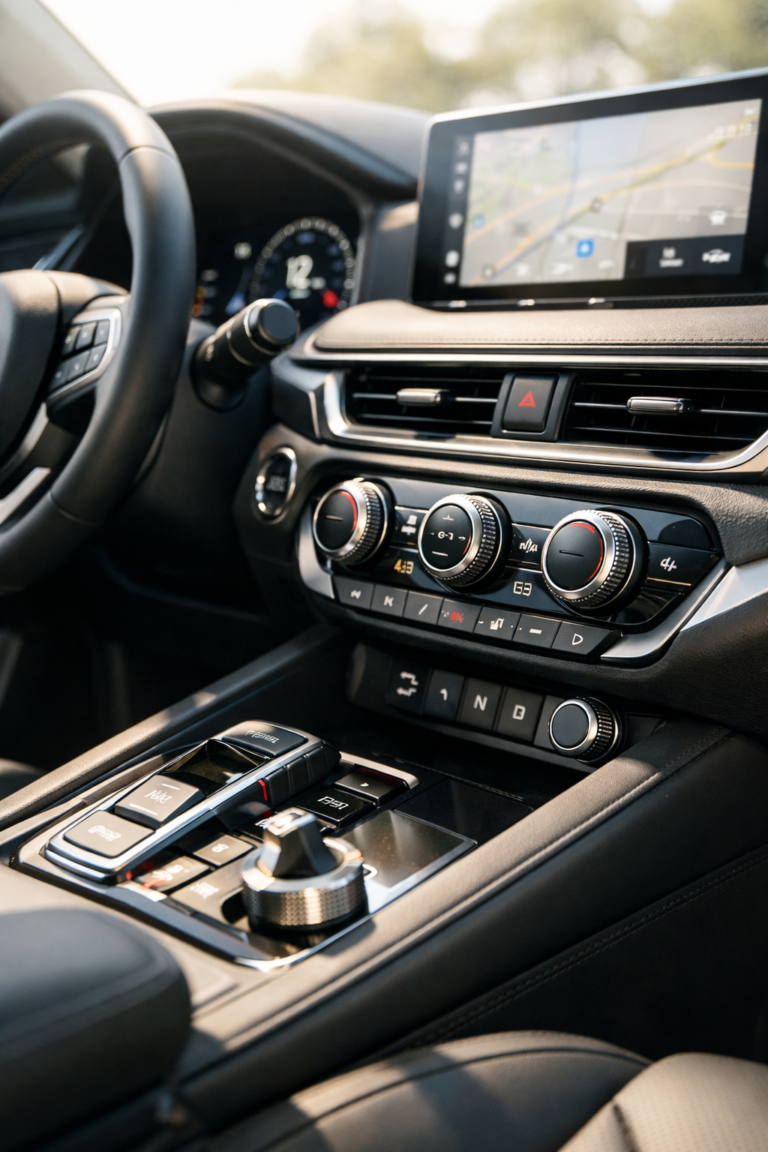
Modern Lamborghinis are loud inside—in good and bad ways. Screens everywhere, fighter-jet switches, and software that sometimes feels beta-tested by YouTubers. A Lamborghini Miura concept should go the opposite direction: minimal screens, real metal toggles, and gauges you can read without a software update.
Yes, it still needs CarPlay, driver aids, and safety tech to keep regulators happy—check NHTSA if you’re curious why. But if the interior feels like an iPad store, it misses the point entirely.
Driving experience: slower, better, braver
I’ll say it: modern supercars are too easy. Launch control, torque fill, and stability systems flatter mediocre drivers like me into thinking we’re Chris Harris. A Lamborghini Miura concept should be a bit intimidating, with throttle response sharper than YouTube comments and steering that demands respect.
Think less McLaren Artura wizardry, more Porsche 911 R philosophy. Keep it rear-wheel drive, keep it loud, and for the love of Ferruccio, offer a manual or at least a single-clutch-style experience. Yes, it’ll be slower to 60 mph, but faster to your soul.
Electrification: necessary evil or secret weapon?
Emissions rules mean electrification is unavoidable, and that’s not automatically bad. A mild hybrid setup could sharpen throttle response and keep a naturally aspirated engine alive. Fuel economy would still be questionable—check FuelEconomy.gov for why supercars never win green awards—but range anxiety isn’t why you buy a Miura.
The danger is overdoing it. If it turns into a silent EV with a retro badge, it becomes another case study in New Cars Luxury Shift: What Enthusiasts Lose. Electrify it lightly, not spiritually.
Value versus competitors: the nostalgia tax
Let’s talk money, because feelings don’t pay invoices. At roughly $500,000, a Lamborghini Miura concept would square off against the Ferrari Daytona SP3, Aston Martin Valour, and high-spec Porsche 911 GT3 RS. On paper, it’d lose the numbers game.
But value in this segment isn’t horsepower-per-dollar; it’s emotional ROI. If Lamborghini nails the design and driving feel, collectors will line up faster than Doug DeMuro spotting quirks. Get it wrong, and it becomes a museum piece that never leaves climate-controlled storage.
The risk Lamborghini can’t ignore
The biggest risk isn’t engineering—it’s corporate fear. Lamborghini has been wildly successful selling extreme, shouty supercars, and a restrained Miura revival could confuse buyers. Yet history shows icons are born when brands take risks, not when they follow algorithms.
For a deeper dive on heritage versus modernization, read Modern Miura: Can a Concept Revive a Legend?. It perfectly explains why reverence without bravery leads to blandness.
Pros
- Timeless design that stands apart from modern aero monsters
- Potentially purer driving experience than current supercars
- Heritage appeal collectors will fight over
- Could redefine what a modern Lamborghini feels like
Cons
- Lower performance numbers than rivals on paper
- High development cost for a niche model
- Risk of being over-electrified or over-styled
Verdict: should Lamborghini actually build it?
A Lamborghini Miura concept could absolutely work in today’s supercar market—but only if Lamborghini resists its own worst instincts. It must prioritize beauty, balance, and bravery over Nürburgring lap times. If done right, it’d be the anti-hypercar we didn’t know we needed.
If done wrong, it’s just another expensive remix album. But I’ll take that risk any day over another 1,000-hp wedge shouting into the void.
Build it, Lamborghini—and remind the world that the greatest supercars aren’t always the fastest, just the most unforgettable.