
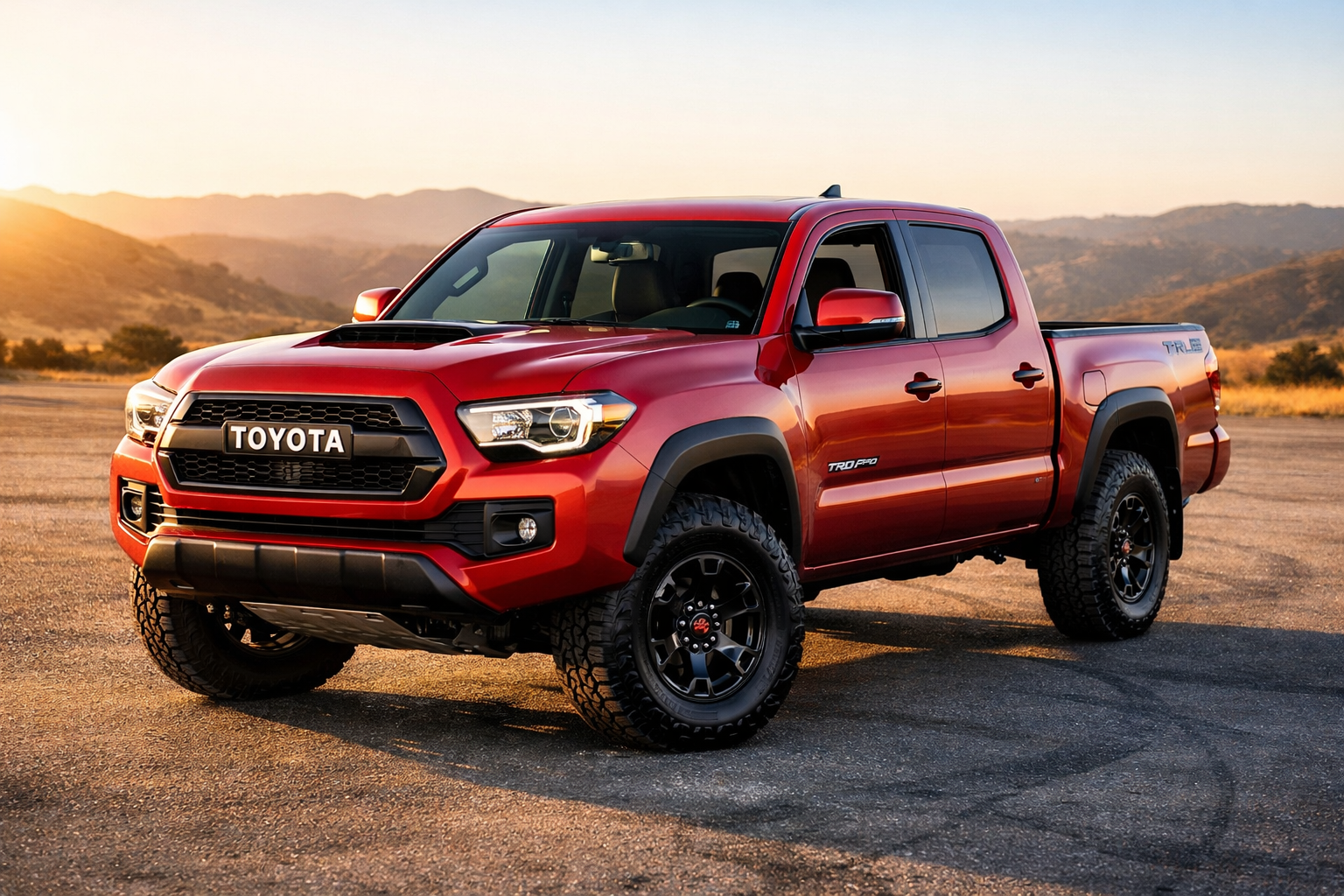
The manual transmission trucks obituary has been written about a dozen times, usually by people who think a clutch pedal is an app. And yet, here we are in 2026, staring at one stubborn pickup that still lets you row your own gears like it’s 2006 and not the age of over-the-air updates and mood lighting. If you care about driving, not just pointing a truck vaguely forward, this matters right now.
I’ve driven dozens of modern trucks where the automatic does everything except make you a sandwich, and most of them feel about as engaging as a microwave. Manual transmission trucks have been quietly murdered by automatics with 10 speeds, electrification, and focus groups terrified of stalling at Starbucks. Except the Toyota Tacoma, which is still flying the three-pedal flag like a defiant pub regular refusing oat milk.
This isn’t nostalgia for nostalgia’s sake. The Toyota Tacoma manual exists in a market where the Ford Ranger, Chevy Colorado, GMC Canyon, Nissan Frontier, and even Jeep Gladiator have either ditched the stick or made it so niche it might as well be a museum exhibit. And that makes this one truck weirdly important.
Quick Specs
- Starting Price: approximately $33,000 (check manufacturer website for latest pricing)
- Engine: 2.4L turbocharged inline-4
- Power: 270 hp / 310 lb-ft
- 0-60 mph: approximately 7.0 seconds
- Fuel Economy: about 20 city / 24 highway mpg
Manual Transmission Trucks: Why They’re Basically Extinct
The uncomfortable truth is that modern automatics are objectively better for most buyers. A 10-speed auto in a Chevy Colorado shifts faster than you, tows more, and squeezes out an extra 1–2 mpg according to FuelEconomy.gov. Manufacturers follow the money, and the money wants cupholders, not clutch bite points.
There’s also the emissions elephant in the room. Automatics are easier to certify, easier to tune, and easier to integrate with driver-assist tech that now babysits you like an overzealous helicopter parent. From a corporate perspective, manuals are expensive passion projects with zero spreadsheet justification.
Here’s my controversial hot take: most people who say they want a manual wouldn’t actually buy one new. They want the idea of it, like vinyl records or cast-iron skillets. Toyota knows this, which makes their persistence with the Tacoma manual even more baffling and admirable.
The Toyota Tacoma Manual: The Last Holdout
The 2025–2026 Toyota Tacoma manual pairs a six-speed stick with the turbocharged 2.4-liter four-cylinder, making 270 horsepower and a genuinely stout 310 lb-ft of torque. That torque arrives early, which matters when you’re crawling rocks or pulling out of a muddy campsite pretending you’re in a YouTube overlanding montage. It’s not fast-fast, but 0–60 in about seven seconds is quicker than old Tacomas ever dreamed.
What surprised me is how good the clutch feels. The pedal isn’t feather-light like a Honda Civic, but it’s progressive, mechanical, and refreshingly honest in a world of simulated feedback. The shifter throws are a bit long, but I’ll take that over the rubbery nonsense in older Rangers any day.
You can only get the manual on specific trims, which is Toyota hedging its bets. No, you can’t have it with every luxury bell and whistle, and honestly that’s fine. Manual transmission trucks should feel a bit utilitarian, not like a rolling tech demo.
Driving It Like a Truck, Not a Tablet
On-road, the Tacoma manual feels alive in a way the automatic just doesn’t. You’re choosing gears, managing boost, and actually thinking about throttle input instead of letting the ECU do the thinking. Chris Harris would approve, even if he’d complain about the steering being a bit numb.
Off-road is where the manual makes sense, despite what internet commenters scream. Low-range gearing plus clutch control gives you surgical precision on technical trails, especially compared to automatics that sometimes hunt gears like a confused dog. Toyota’s crawl control still exists if you want it, but using it feels like cheating.
Is it perfect? No. Hill starts with a load can be spicy, and traffic jams will remind you why automatics exist. But driving enjoyment has never been about convenience.
Interior and Tech: Just Enough, Not Too Much
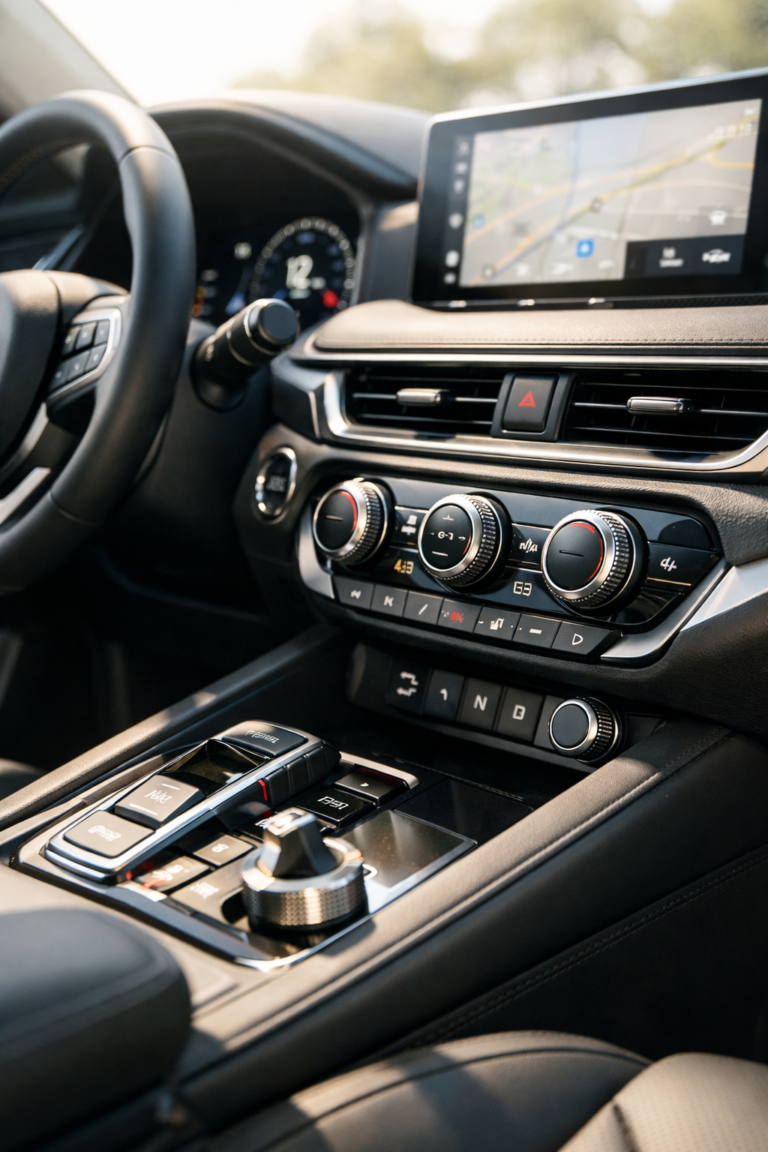
The Tacoma’s interior won’t win design awards, and that’s a compliment. Physical buttons still exist, the infotainment doesn’t require a software update every Tuesday, and the driving position feels properly truck-like. Compared to the overly slick GMC Canyon or the buttonless Tesla-ification infecting everything else, this is refreshingly sane.
You still get modern necessities like Apple CarPlay, Android Auto, and Toyota Safety Sense. For safety ratings, the Tacoma performs well, though you should always double-check the latest data at NHTSA.gov. This is old-school vibes with modern safety nets.
How It Stacks Up Against the Competition
Let’s be blunt: if you want a manual midsize truck, your options are basically Tacoma or used-car-lot archaeology. The Ford Ranger ditched the manual entirely, the Chevy Colorado doesn’t offer one, and the Nissan Frontier hasn’t had a stick in years. The Jeep Gladiator technically offers a manual, but it drives like a brick with ambition.
Value-wise, the Tacoma manual starts around $33,000, undercutting some fancier trims while offering something genuinely unique. You can read more about why trucks still matter in the first place in our deep dive on pickup relevance. Uniqueness counts for more than chrome these days.
Ownership, Reliability, and the Long Game
Here’s where Toyota plays its trump card. Tacomas have a reputation for surviving the apocalypse, and manual gearboxes are generally simpler and cheaper to fix long-term. If you’re the type who keeps vehicles for 10–15 years, this matters more than a half-second quicker 0–60 time.
Fuel economy is decent but not class-leading, hovering in the low-to-mid 20s mpg. Running costs are predictable, parts availability is excellent, and resale values remain annoyingly strong. For long-term buyers, that’s real-world value.
Why This Matters Beyond One Truck
The Tacoma manual isn’t just a vehicle; it’s a statement. It proves there’s still room for enthusiast choices in mainstream segments, even if they sell in smaller numbers. If Toyota can make this work, maybe manuals won’t vanish entirely.
And if you’re wondering why brands don’t experiment more, here’s why Audi won’t even touch a pickup truck. Risk aversion is killing variety, and that’s bad for people who actually enjoy driving.
Pros
- One of the last true manual transmission trucks
- Strong turbo torque and usable performance
- Excellent reliability reputation
- Engaging to drive on- and off-road
Cons
- Limited trim availability with manual
- Not the most fuel-efficient in class
- Interior design is functional, not fancy
Manual transmission trucks may be on life support, but the Toyota Tacoma is still breathing on its own. Buy one while you can, because when this finally disappears, we’ll all pretend we saw it coming and complain anyway. Sometimes the best way to move forward is with three pedals and a bit of mechanical defiance.