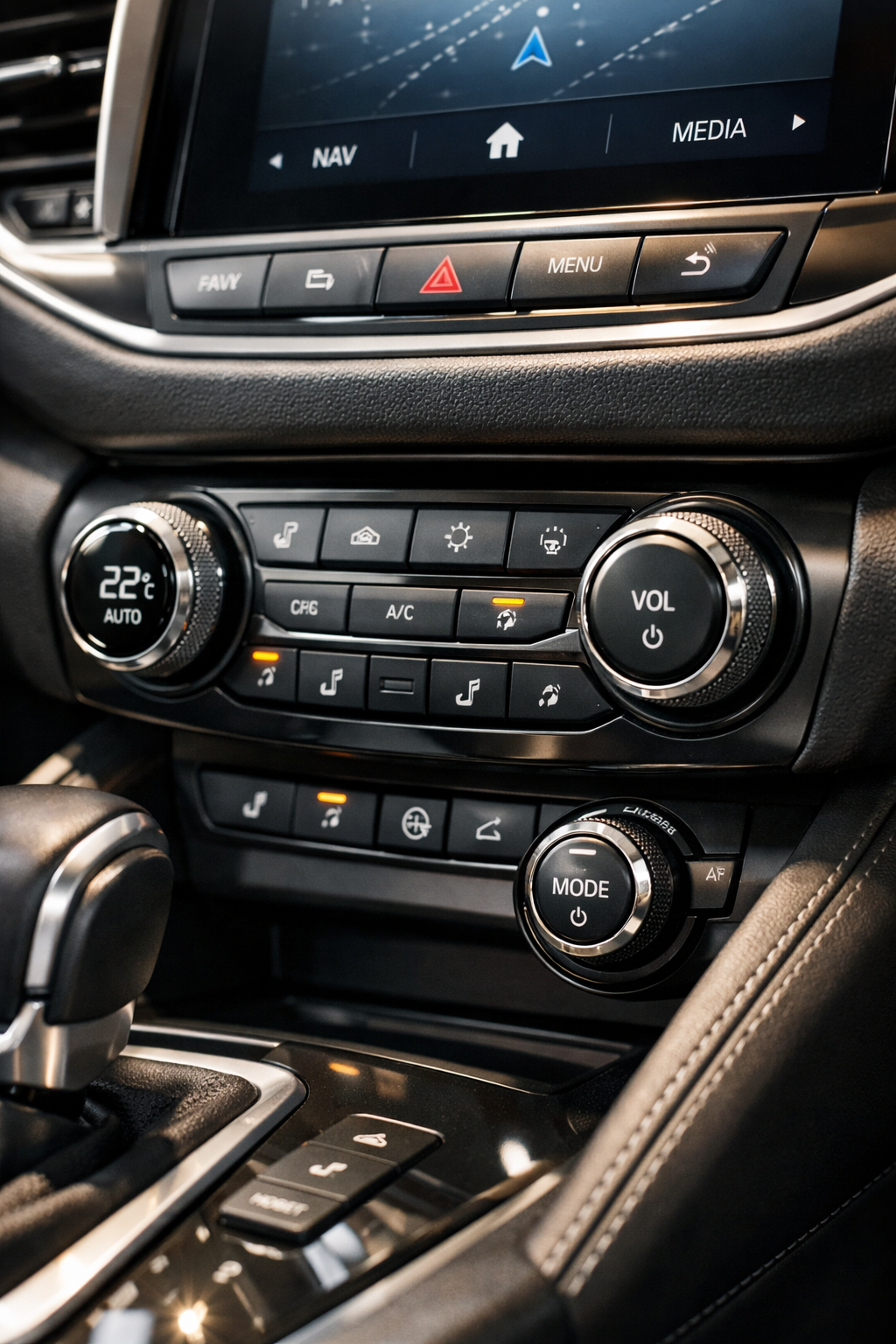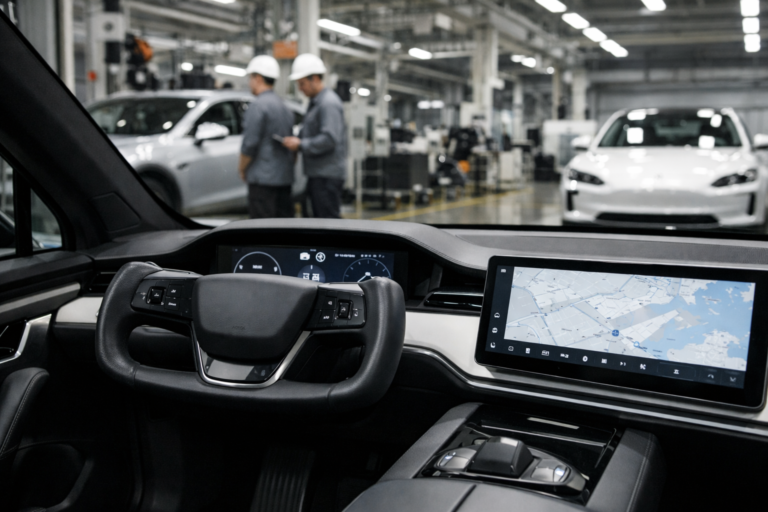

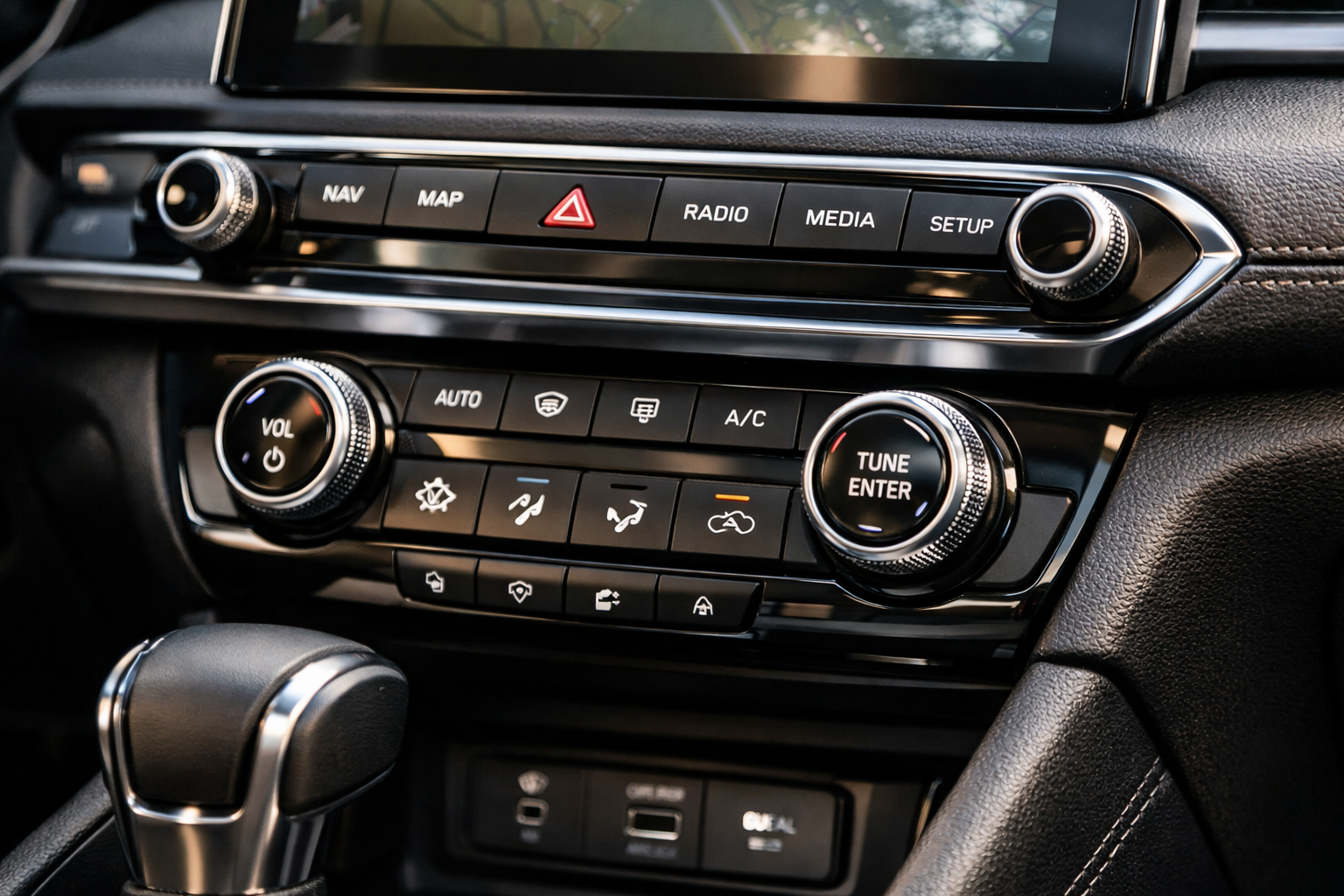
Here’s a controversial opinion: the most advanced technology in your 2026 car might be the humble volume knob. Not the 15-inch OLED display. Not the over-the-air updates. The actual, physical, twisty thing you can grab without taking your eyes off the road.
As screens multiply faster than trim levels, proper car interior maintenance for buttons and knobs has become a lost art. And that’s a problem—because when that climate dial starts sticking or your drive-mode selector gets crunchy, the whole cabin feels cheap. I’ve driven everything from a 1,000-hp electric SUV to bare-bones pickups, and nothing ruins the vibe faster than neglected controls.
We’ve already ranted about how touchscreens went too far in cars, but here’s the twist: if you’re lucky enough to still have physical controls in your Mazda CX-5, Porsche 911, or even a 2026 Ford Ranger, you need to look after them. Because once they’re gone, they’re gone.
Why This Matters More Than Ever
Look at the 2026 Mercedes-Benz C-Class (starting around $48,000, check manufacturer website for latest pricing). Massive central screen. Minimal physical buttons. Now compare that with a 2025 Mazda CX-5, starting around $29,000, which still gives you proper knobs for climate and volume. Guess which one feels better at 70 mph on a bumpy highway?
Buttons provide tactile feedback. You can adjust temperature or radio volume by feel, which means your eyes stay on the road—something even the folks at NHTSA quietly prefer in their distracted driving studies. A greasy, worn-out knob isn’t just ugly; it can compromise usability and safety.
Hot take: I’d take a well-damped rotary dial over a haptic slider any day, even in a $120,000 luxury EV. Yes, Ferrari’s new interiors look like Apple designed them—see our take on the Ferrari Luce’s EV interior—but give me something I can physically grab when I’m attacking a back road.
Car Interior Maintenance: The Basics for Buttons and Knobs
Let’s start simple. Dust and skin oils are the silent killers of physical controls. Every time you twist that volume knob, you’re leaving behind oils that attract grime like a magnet.
Once a month, use a microfiber cloth slightly dampened with water or a mild interior cleaner. Avoid household cleaners—anything with ammonia can cloud plastics and strip soft-touch coatings faster than a 0–60 run in a 3.5-second Porsche Taycan.
For tight gaps around buttons, a soft detailing brush or compressed air works wonders. Think of it as flossing for your dashboard. It takes five minutes and prevents years of grime buildup.
Step-by-Step: Deep Cleaning Without Breaking Stuff
If your controls already feel sticky or inconsistent, it’s time for a deeper clean. Here’s how I do it on press cars after a week of enthusiastic testing:
- Turn the car off completely. Modern cars are basically rolling iPads—don’t poke live electronics.
- Use compressed air first. Blow debris out from around the button or dial.
- Apply interior-safe cleaner to a cloth, not directly to the control. Liquid seepage is how you kill electronics.
- Gently rotate or press repeatedly while cleaning. This helps loosen grime around the edges.
If a knob still feels notchy, it may be mechanical wear, not dirt. At that point, you’re in dealership territory—especially on newer vehicles loaded with integrated control modules.
Common Mistakes That Age Your Cabin Overnight
Number one sin? Spraying cleaner directly onto the dashboard. I’ve seen it in car parks: enthusiastic owner, aerosol in hand, absolutely hosing down a $60,000 interior. That liquid runs into seams and straight into circuitry.
Second mistake: using glossy protectants on matte buttons. That shiny, slippery finish might look “detailed,” but it makes knobs harder to grip. In performance cars—think a 2026 BMW M3 (473 hp, 0–60 in 4.1 seconds)—that’s more than cosmetic; it’s distracting.
Third: ignoring wear until symbols fade. Once the white icons on your climate buttons wear off, replacement often means swapping an entire control panel. On some German cars, that’s a $600–$1,200 fix. Suddenly that five-minute cleaning routine sounds like a bargain.
Buttons vs Touchscreens: The Maintenance Reality
Everyone moans about fingerprints on touchscreens, but here’s the irony: screens are easier to clean than physical buttons. A quick wipe with a microfiber cloth and screen-safe solution, and you’re done.
Buttons, however, have crevices. Moving parts. Springs. Over time, they physically degrade. That’s why proper car interior maintenance is more critical for tactile controls than glass panels.
But here’s my controversial stance: I’d still rather maintain 12 physical buttons than rely on one glitchy touchscreen. When software freezes, you’re stuck rebooting like it’s 2009. When a knob gets dirty, you clean it. End of story.
Pro Tips From Years of Press Cars and Track Days
Rotate rarely used knobs occasionally. That drive-mode selector you leave in “Comfort” for 11 months? Twist it through all modes once in a while. It keeps internal contacts from oxidizing.
Keep hand sanitizer away from buttons. The alcohol content can degrade coatings over time. During the early 2020s, I saw more peeling volume knobs than I care to remember.
If you’re storing a car—say a weekend toy like those glorious machines we celebrate in our open-top sports cars feature—cover the interior and avoid direct sunlight. UV exposure fades symbols and dries out plastics faster than cheap tires wear out at a track day.
When to Call a Professional
If a button stops responding entirely, don’t go full YouTube mechanic with a trim tool set unless you’re confident. Modern interiors integrate climate, infotainment, and even drive settings into shared modules.
On many 2025–2026 vehicles, a faulty control panel requires recalibration through dealer software. That’s not a $10 fix; it’s often $200–$500 in labor, depending on brand. Check your manufacturer’s service resources via their official site for guidance.
And if you’re under warranty? Don’t touch it. Let the dealer document and replace it. DIY pride is admirable; voided coverage is not.
Pros
- Physical controls offer better tactile feedback and safety
- Proper maintenance extends interior lifespan
- Prevents costly module replacements
- Keeps resale value higher
Cons
- Crevices trap dirt more than touchscreens
- Over-cleaning can damage coatings
- Some modern modules are expensive to replace
In a world obsessed with bigger screens and over-the-air gimmicks, taking care of your physical controls is almost rebellious. Thoughtful car interior maintenance keeps your buttons crisp, your knobs smooth, and your driving experience gloriously analog where it counts. Because sometimes, the best tech is the one you can feel.
Frequently Asked Questions
How often should I perform car interior maintenance on buttons and knobs?
Light cleaning once a month is ideal. Deep cleaning every 3–6 months prevents grime buildup and extends the life of coatings and internal mechanisms.
Can I use household cleaners on car buttons?
No. Avoid ammonia or alcohol-heavy cleaners. Use interior-safe automotive products and apply them to a microfiber cloth, not directly onto controls.
Why do my car’s buttons feel sticky?
Usually it’s accumulated oils, dust, or spilled drinks. In older vehicles, it can also be degraded soft-touch coating or worn internal springs requiring replacement.
Are physical buttons more reliable than touchscreens?
Mechanically, they can wear out, but they don’t suffer software crashes. Many drivers find them more reliable in daily use, especially for climate and volume controls.