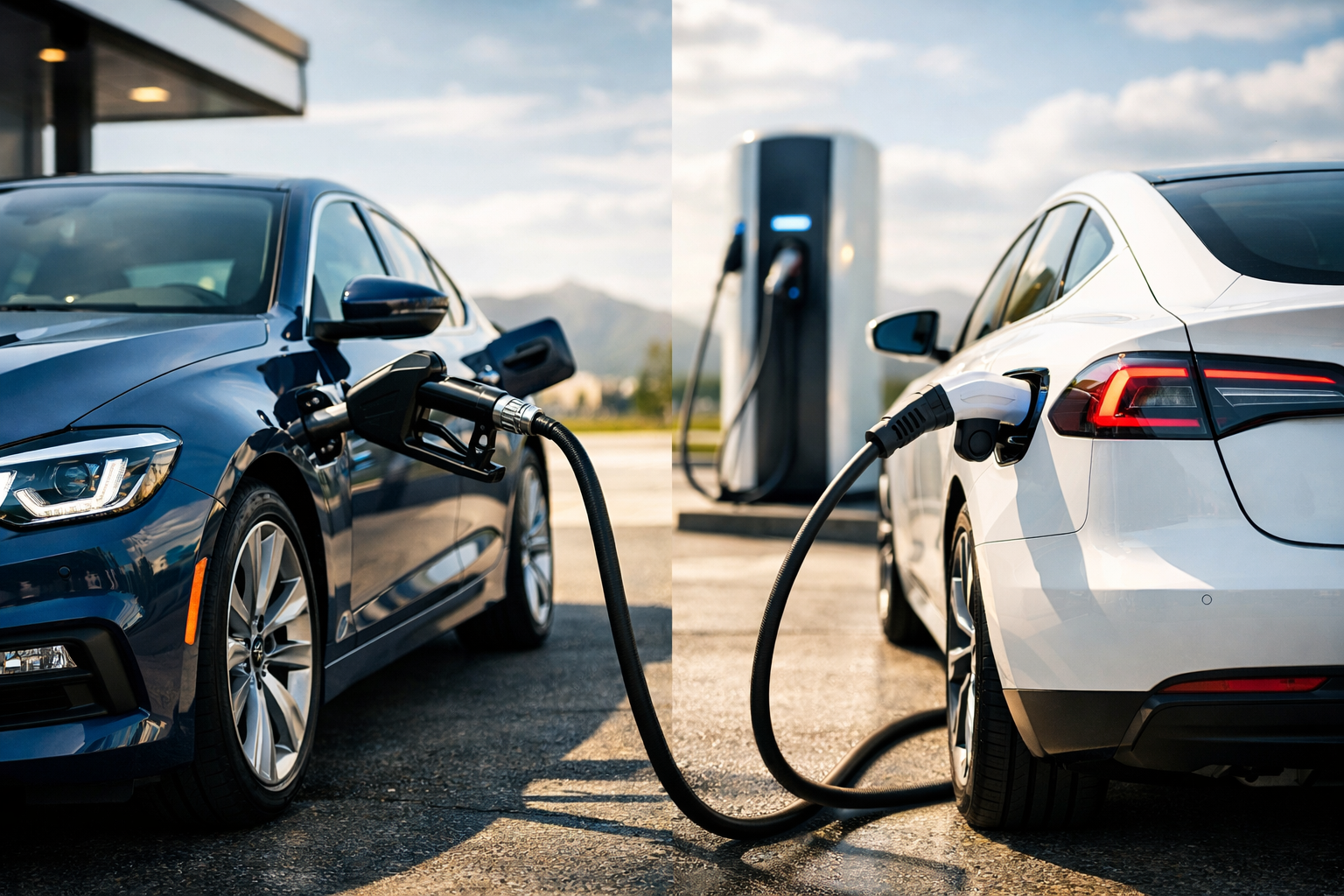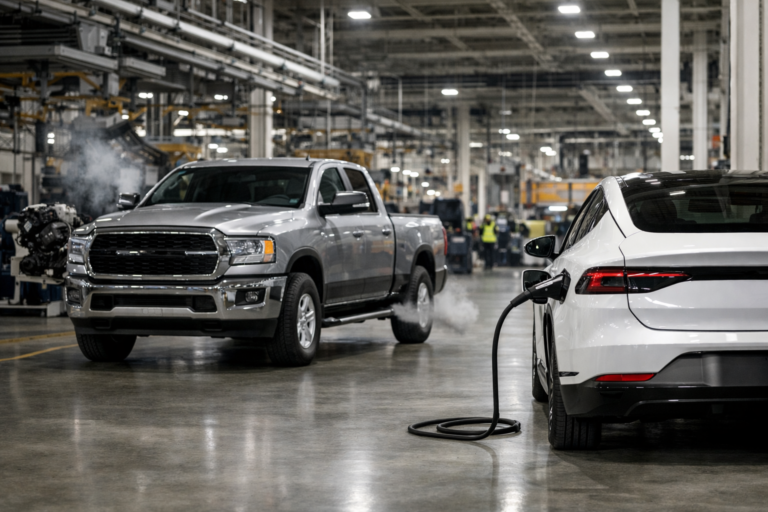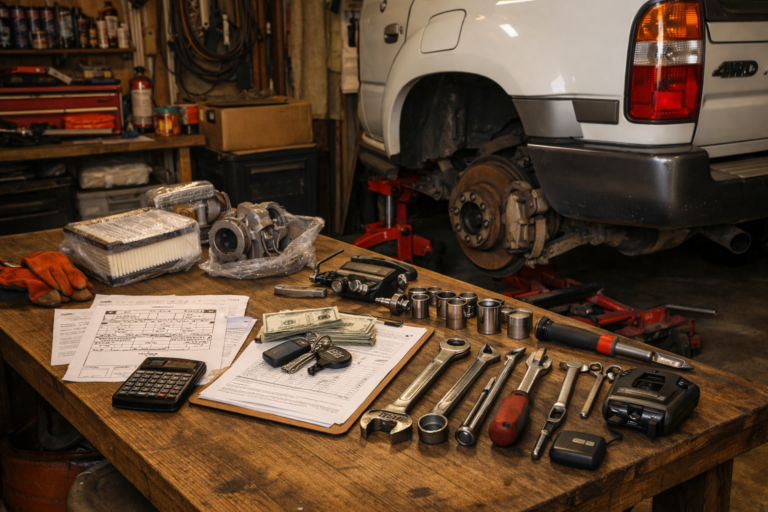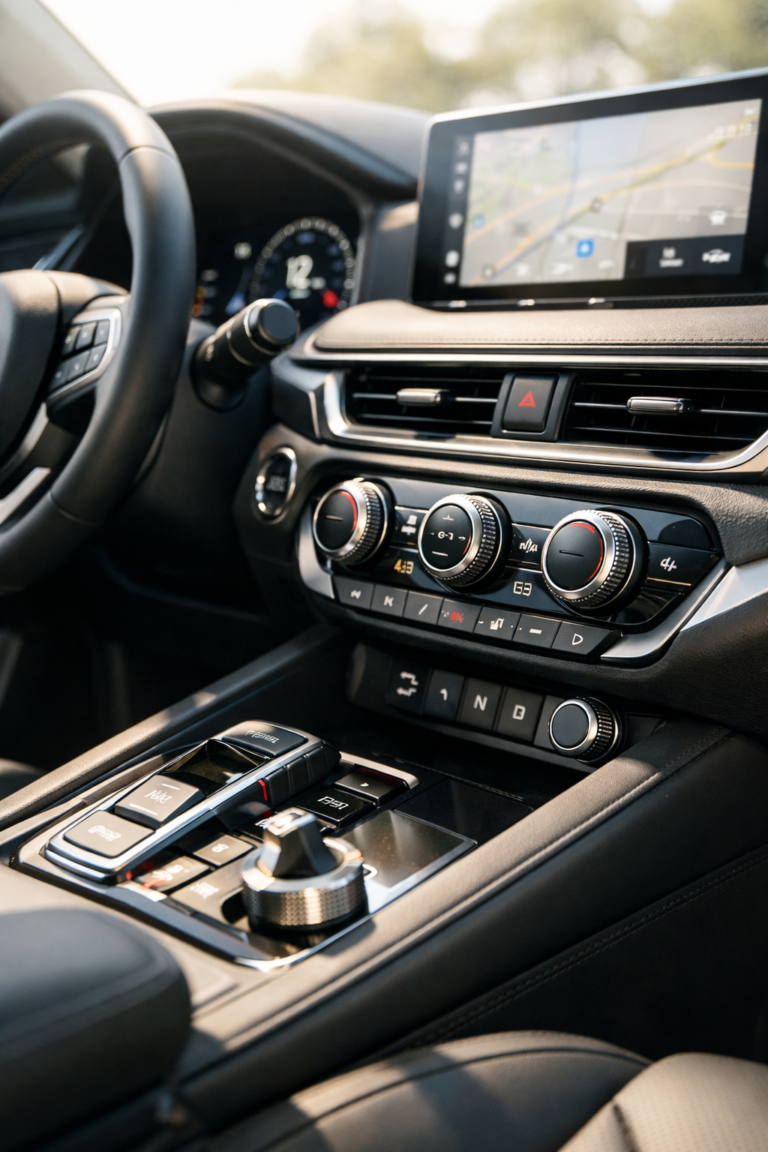

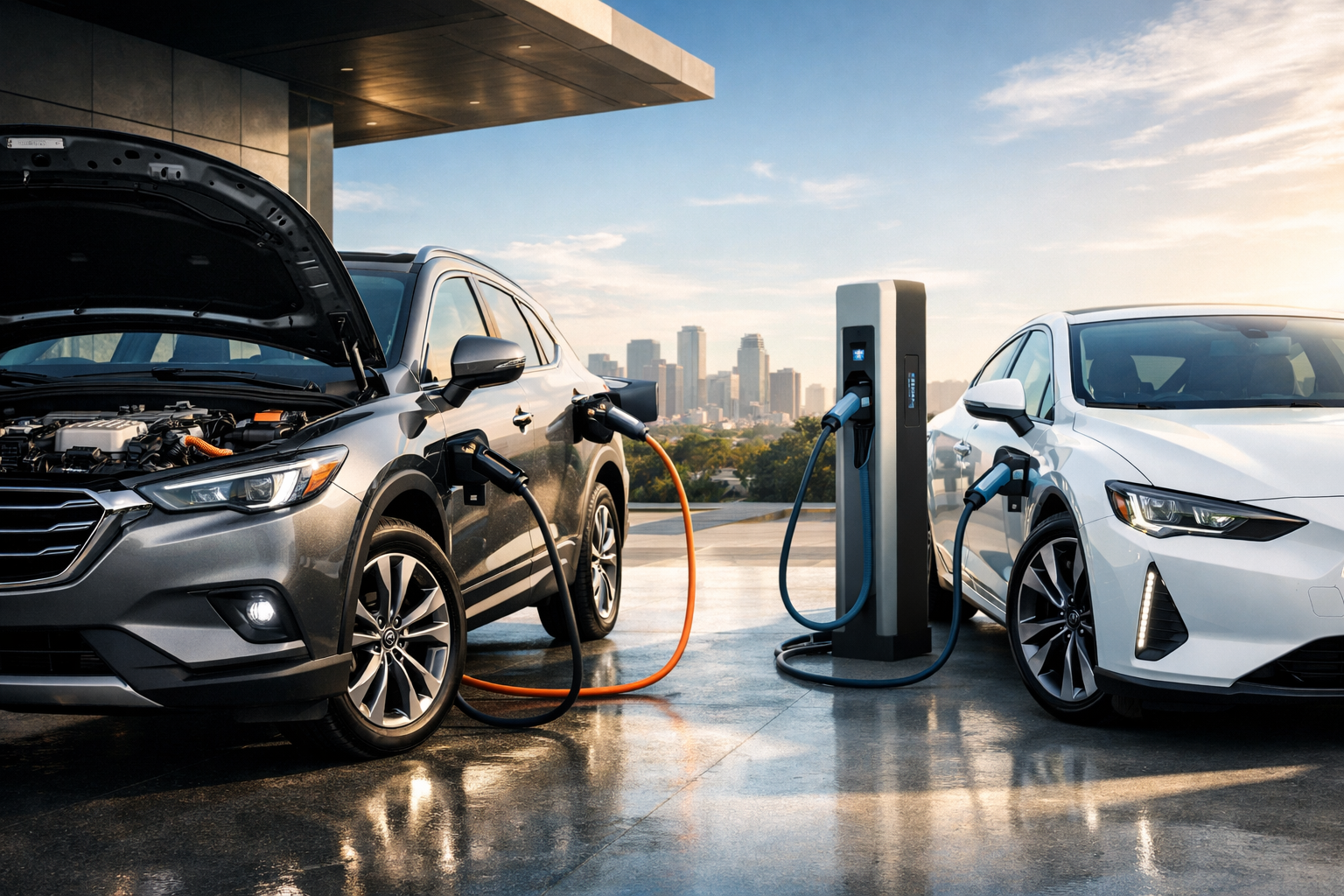
The loudest lie in car buying right now is that electric is always better, full stop. I’ve driven dozens of EVs and hybrids back-to-back, and the truth is messier than a Tesla panel gap after a factory tour. This hybrid vs electric guide exists because your lifestyle matters more than whatever PowerPoint slide your dealer just waved at you.
This decision matters right now because 2025 and 2026 are peak confusion years. EVs like the Tesla Model Y, Hyundai Ioniq 5, and Ford Mustang Mach-E are better than ever, while hybrids like the Toyota RAV4 Hybrid, Honda CR-V Hybrid, and even performance oddities like the Toyota Prius Prime have quietly become brilliant. Pick wrong, and you’ll hate your car every morning like it owes you money.
I’m not anti-EV or clinging to gasoline like it’s a vinyl record collection. I just believe buying a car should be about how you actually live, not how optimistic you feel about charging infrastructure. So let’s treat this hybrid vs electric guide like a proper pub conversation: honest, opinionated, and backed by real numbers.
Why the Hybrid vs Electric Decision Is So Confusing
Carmakers love pretending this is simple because “simple” sells cars. EVs promise zero tailpipe emissions and torque that hits like a sledgehammer, while hybrids promise flexibility and fewer lifestyle changes. The problem is neither tells you what happens on a Tuesday night when it’s 14°F and the charger is blocked by a Nissan Leaf from 2013.
EV marketing focuses on best-case scenarios, not real life. That 320-mile range on a Tesla Model 3 drops to about 250 miles at 75 mph in winter, according to EPA data on FuelEconomy.gov. Hybrids don’t care about weather nearly as much, which is why they’re the quiet heroes of cold climates.
Daily Driving Reality: Be Honest About Your Commute
If your daily drive is under 40 miles and you can charge at home, an EV is almost idiot-proof. A Chevy Equinox EV starting around $34,000 (check manufacturer website for latest pricing) costs roughly $4–5 to “fill up” overnight. That’s cheaper than a fast-food combo and dramatically cheaper than premium fuel.
If you live in an apartment or rely on public chargers, EV ownership turns into a low-level stress condition. I’ve watched friends plan grocery trips around charger availability like it’s a military operation. In that scenario, a hybrid like the Hyundai Tucson Hybrid, averaging around 38 mpg combined, feels like freedom.
Performance Myths: EVs Are Fast, Hybrids Are Boring (Mostly Wrong)
Yes, EVs are quick. A Tesla Model Y Long Range does 0–60 mph in about 4.8 seconds, which still feels illegal in a family crossover. Instant torque is addictive, like YouTubers from Throttle House keep reminding us every launch-control pull.
But modern hybrids aren’t slouches anymore. The Toyota Prius Prime makes about 220 hp and hits 60 mph in roughly 6.6 seconds, which would’ve embarrassed hot hatches a decade ago. Controversial hot take: for real-world driving, a good hybrid feels more engaging than a heavy EV once the novelty wears off.
Running Costs: Where the Spreadsheet Actually Favors Each Side
EVs win on maintenance, full stop. No oil changes, fewer moving parts, and regenerative braking that makes brake pads last forever. According to NHTSA data, EV reliability scores have stabilized, though software issues remain annoyingly common.
Hybrids win on predictability. Battery replacements are rare and warranties often cover 8 years or 100,000 miles. Fuel costs sit comfortably in the middle, especially when gas prices spike and your EV-owning neighbor starts complaining about DC fast-charging rates approaching $0.50 per kWh.
Long Trips: The Unsexy Truth Nobody Puts in Ads
This is where hybrids still dominate, and I will die on this hill. A Honda Accord Hybrid can do 550 miles on a tank and refuel in five minutes, no apps required. Meanwhile, road-tripping an EV means planning stops like a YouTube challenge video.
Yes, charging networks are improving, but “improving” isn’t the same as “done.” If you routinely drive 300+ miles in a day, especially in rural areas, hybrids are still the grown-up choice. Even Doug DeMuro admits EV road trips are an acquired taste.
Environmental Impact: The Nuanced Conversation Everyone Avoids
EVs produce zero tailpipe emissions, which is fantastic for cities. But battery production is energy-intensive, and depending on your local grid, charging might still involve coal. This isn’t anti-EV rhetoric; it’s just math.
Hybrids often deliver the biggest environmental win for the average driver. A 40 mpg hybrid driven for 200,000 miles can have a smaller total footprint than an EV charged on a dirty grid. The greenest car is usually the one you actually keep long-term.
Resale Value and Depreciation: The Quiet Deal-Breaker
EV depreciation is still wild. Early Model S values dropped faster than a crypto chart, though newer EVs are stabilizing. Battery health anxiety remains real in the used market, even with warranties.
Hybrids age like Toyotas always have: slowly and stubbornly. RAV4 Hybrids, CR-V Hybrids, and even Ford Escape Hybrids hold value because buyers trust them. If resale matters, hybrids are still the safer bet.
So Who Should Buy What?
Buy an EV if you have home charging, predictable driving habits, and enjoy tech-forward cars. Vehicles like the Kia EV6, Tesla Model 3, and VW ID.4 make daily driving genuinely better. You’ll save money and feel smug about it.
Buy a hybrid if your life is chaotic, your trips are unpredictable, or you just don’t want to think about charging. Hybrids are the Swiss Army knife of modern cars, and that’s why this hybrid vs electric guide leans more balanced than most. For broader buying strategy, our guide on choosing a reliable new car without overpaying is worth your time.
Common Buying Mistakes I See Every Week
The biggest mistake is buying an EV without installing home charging. Level 1 charging on a standard outlet is slower than a sloth on NyQuil. Budget $1,200–$2,500 for a Level 2 charger install and thank me later.
The second mistake is assuming hybrids are boring. Drive a modern hybrid before judging, especially if you’re cross-shopping against bloated crossovers discussed in our take on luxury SUV pricing. Engineering matters more than drivetrain ideology.
Pros
- EVs offer lower maintenance and thrilling acceleration
- Hybrids provide unmatched flexibility for mixed driving
- Both options significantly reduce fuel costs
- Modern tech and safety features are excellent across the board
Cons
- EV charging infrastructure is still inconsistent
- Hybrids don’t deliver full zero-emission driving
- Depreciation can be unpredictable, especially for EVs
The right answer isn’t hybrid or electric; it’s honesty. If you buy the car that fits your life, you’ll love it long after the buzzwords fade. And that, more than anything, is the point of this hybrid vs electric guide.
Frequently Asked Questions
Is a hybrid or EV cheaper to own long-term?
EVs usually win on maintenance and fuel, but hybrids offer more predictable costs. Insurance and depreciation can tilt the math either way.
Should I follow a hybrid vs electric guide if I rent my home?
Yes. Renters often struggle with charging access, making hybrids the safer choice unless reliable charging is nearby.
How long do hybrid and EV batteries last?
Most are warranted for 8 years or 100,000 miles. Many last well beyond that with minimal degradation.
Are EVs safe in crashes compared to hybrids?
Yes. Both score highly in NHTSA tests, and EVs often benefit from low centers of gravity.