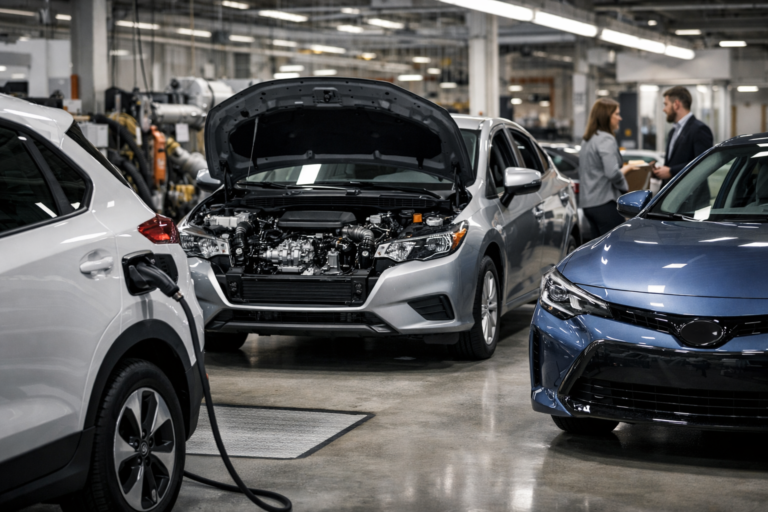

Your neighbor just told you hybrid car reliability is a ticking time bomb because “those batteries cost ten grand.” Meanwhile, you’re staring at a 2025 Toyota Prius or 2026 Honda CR-V Hybrid wondering if it’ll outlast your old gas burner. I’ve been wrenching on hybrids since the first-gen Insight rolled into my bay, and I’ll tell you straight: most of the fear is outdated.
In this guide, I’m breaking down what really fails on hybrids, what lasts forever, and what kind of maintenance actually matters. We’ll talk hybrid battery lifespan, real-world repair costs, and the best hybrid maintenance tips to keep yours running past 200,000 miles. No dealer scare tactics. Just shop-floor truth.
What You’ll Need
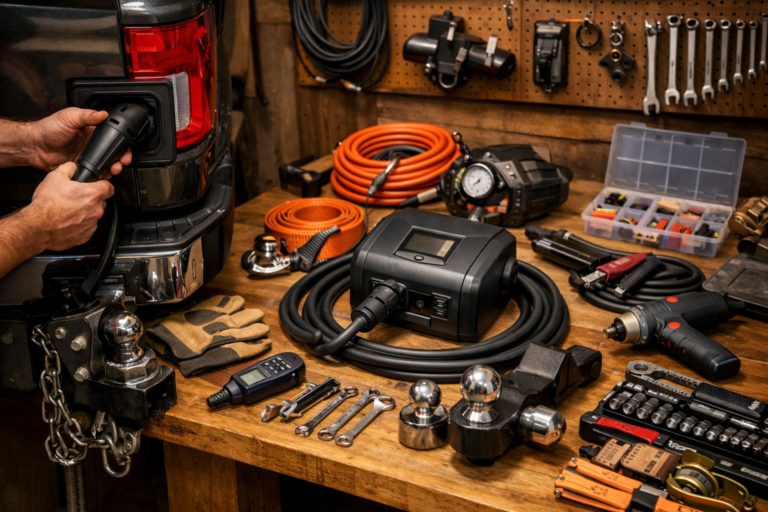
- Tools: OBD2 scanner ($40 basic), 10mm socket and ratchet, digital multimeter (for 12V checks), safety gloves
- Parts/Materials: Engine oil ($30–$60), engine air filter ($15–$25), cabin filter ($15–$30), hybrid battery cooling filter (if equipped, $20–$40)
- Time: 30–60 minutes for basic service; battery inspection 15 minutes
- Difficulty: 🔧🔧 (2/5 for basic maintenance)
- Dealer Cost: $220 oil service vs DIY Cost: $65 — You Save: $155
Why This Matters
Let’s clear something up: modern hybrid car reliability in 2026 is generally excellent. Toyota, Honda, Ford — they’ve had 20+ years to figure this stuff out. The electric motors are simple. No belts, no spark plugs, no drama.
What kills hybrids isn’t the big battery most of the time — it’s neglect. Skipped oil changes, clogged cooling vents, ignored warning lights. I’ve seen perfectly good hybrid battery lifespan cut in half because someone never cleaned the cooling intake under the back seat.
Most hybrids need routine service every 5,000–10,000 miles depending on manufacturer. Check the official schedule for your model — Toyota and Honda both publish them online. You can verify recalls anytime at NHTSA.gov.
Before You Start
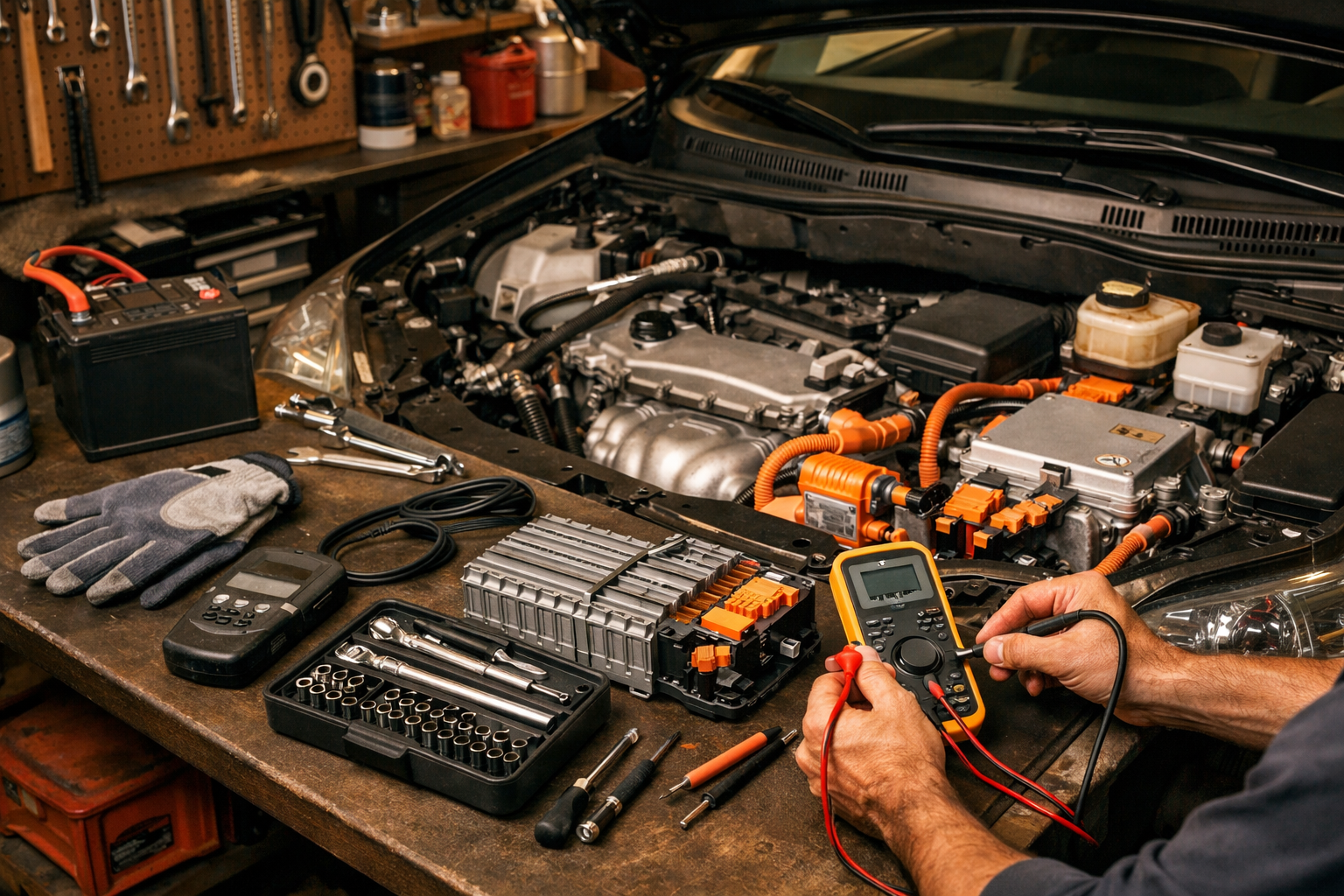
⚠️ WARNING: Hybrid systems use high-voltage electricity — often 200 to 400+ volts. That’s more than enough to seriously injure or kill you. Do NOT open, probe, or disassemble the high-voltage battery pack unless you are trained and certified.
The good news? For 99% of owners, you’ll never need to touch the high-voltage side. Basic hybrid maintenance tips are the same as gas cars: oil, filters, brakes, coolant.
Park on a flat surface, parking brake on, engine off. Let the vehicle cool before any fluid checks. If you see hybrid system warning lights or codes like P0A80 (replace hybrid battery pack), that’s when you step back and call a pro.
If you’re curious about deeper battery info, we did a full breakdown here: How Long Does Hybrid Battery Life Last? Tips & Costs.
Step-by-Step Guide
This isn’t a rebuild — this is how you protect hybrid car reliability for the long haul.
-
Scan for Codes First
Plug in a basic OBD2 scanner under the dash (driver’s side). Turn ignition to ON. Check for stored or pending codes.
Pro Tip: Even if no lights are on, stored codes can warn you early about battery cooling or inverter issues. -
Change Engine Oil on Schedule
Most hybrids use 0W-16 or 0W-20 synthetic (check your cap). Capacity usually 4–5 quarts.
Drain with the correct socket (often 14mm or 17mm), replace crush washer, and torque drain plug to spec — consult your owner’s manual.
Dealer: $220. DIY: $65. Same oil. -
Inspect Hybrid Battery Cooling Intake
On many Toyotas, it’s under or beside the rear seat. Hondas often mount it along the rear side panel.
Remove trim carefully using plastic trim tools. Check for dust, pet hair, debris.
Clean with compressed air or a soft brush.
I’ve seen dog hair completely clog these in rideshare vehicles. -
Check 12-Volt Battery Health
Hybrids still use a regular 12V battery. Use a multimeter: 12.6V engine off is healthy.
Weak 12V batteries cause weird hybrid warnings that scare owners unnecessarily. -
Brake Inspection
Hybrids use regenerative braking, so pads last 70,000–120,000 miles in many cases.
⚠️ WARNING: If lifting the car, always use jack stands rated for your vehicle weight. Never rely on a hydraulic jack alone.
Remove wheels (usually 21mm lug nuts on many SUVs), inspect pad thickness (minimum typically 3mm).
Common Mistakes to Avoid
Oh, I’ve seen these in the shop more times than I can count.
- Ignoring the cooling fan noise. If the rear fan sounds like a hair dryer on high, it’s clogged. Overheating shortens hybrid battery lifespan fast.
- Letting the car sit for months. Hybrid batteries like being used. Long storage without driving can cause imbalance issues.
- Dealer “battery conditioning” upsells. Many are unnecessary on healthy packs. Always ask for printed test results.
- Skipping inverter coolant service. Hybrids often have separate cooling loops. Neglecting this can cook a $3,000 inverter.
- Assuming all hybrids are the same. A 2026 Ford Maverick Hybrid isn’t identical to a Prius. Follow manufacturer specs at official sites like Toyota Owners.
When to Call a Professional
If you see red triangle warnings, “Check Hybrid System” messages, or codes related to battery modules — that’s pro territory. High-voltage diagnostics require insulated tools and training.
A fair diagnostic fee is $120–$180. Full hybrid battery replacement on a 2025–2026 model can range from $2,500 (remanufactured) to $4,500+ (new OEM). Dealers may quote $5,500–$8,000. Always ask:
- Is this a new, remanufactured, or refurbished battery?
- What’s the warranty? (3-year minimum is reasonable)
- Can I see module test data?
Red flags? Refusing to show diagnostic codes. Scare tactics. Or pushing replacement without testing cooling systems first.
If you’re comparing hybrids to diesel or gas options, check our breakdown here: 2026 Stellantis Diesel: SUVs & Trucks Reviewed.
Recommended Products
- BlueDriver OBD2 Scanner ($99): What I use in my own garage. Reads hybrid-specific codes on many models.
- Mobil 1 Advanced Fuel Economy 0W-20 ($32–$45): Solid synthetic protection.
- FRAM or OEM Engine Air Filter ($18–$25): Don’t cheap out on $8 no-name filters.
- NOCO Boost Jump Pack ($120): Great insurance for weak 12V batteries.
For broader emissions policy context that affects hybrids in 2026, see our coverage here: EPA Emissions Repeal: What 2026 Buyers Need.
Do This
- Clean battery cooling vents yearly
- Change oil on time, even if engine runs less
- Drive the car regularly
- Use an OBD2 scanner for early detection
Don’t Do This
- Open high-voltage battery cases
- Ignore hybrid warning lights
- Fall for unnecessary battery “reconditioning”
- Assume brakes never need inspection
So how’s hybrid car reliability looking in 2026? Strong. In many cases, better than turbocharged gas engines packed with complexity. Electric motors are simple. Fewer moving parts means fewer failures.
Treat the cooling system right, follow smart hybrid maintenance tips, and understand realistic hybrid battery lifespan expectations — 150,000 to 250,000 miles isn’t unusual anymore. I’ve got customers still driving 2008 Priuses like they’re old pickup trucks.
You can absolutely own a hybrid without fearing it. Stay on top of maintenance, question expensive upsells, and use good information instead of internet horror stories. Drop your questions in the comments — I’ve probably seen it in the shop before.
Stay safe under there, and remember — a $20 repair manual saves a $2,000 repair bill.